
Chicago Botanic Garden: 385 Acres of Horticultural Paradise North of the City
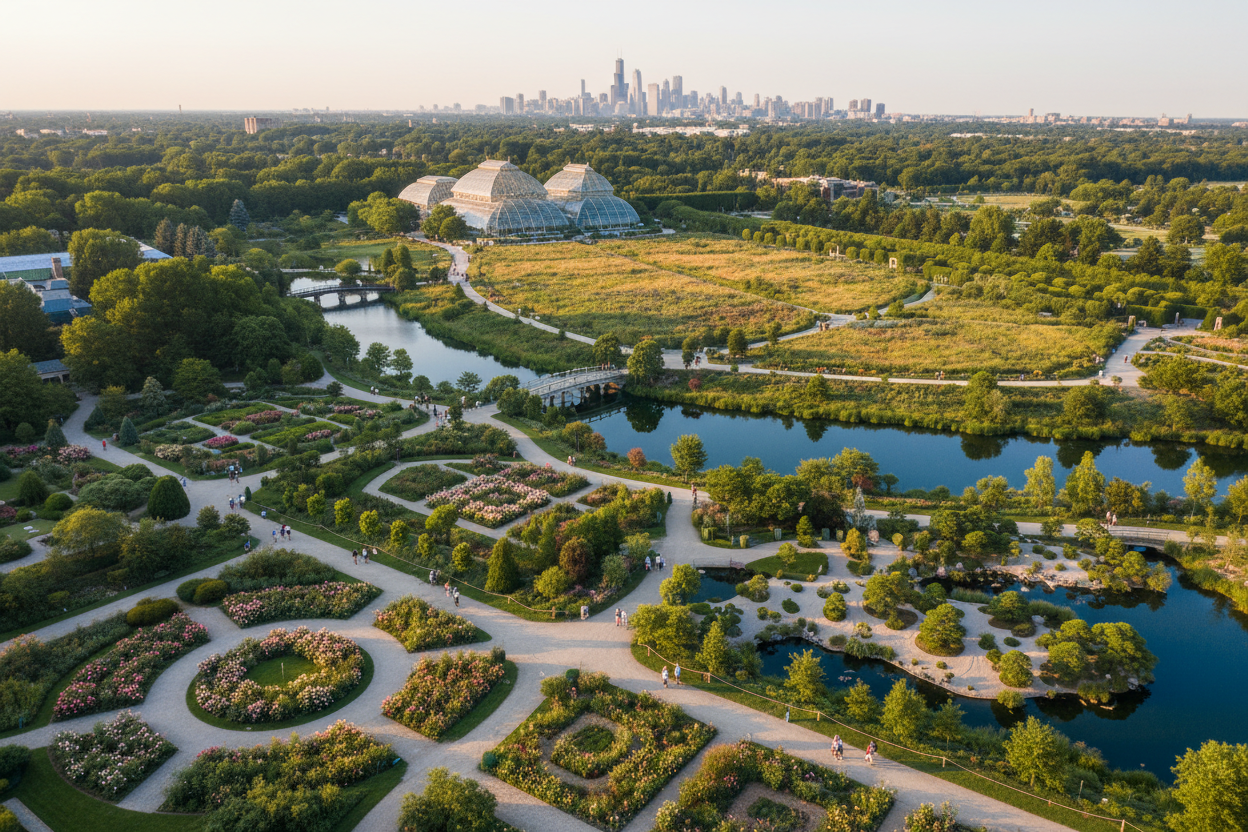
Just 25 miles north of Chicago’s bustling downtown, a tranquil oasis awaits nature lovers, garden enthusiasts, and anyone seeking respite from urban life. The Chicago Botanic Garden spans an impressive 385 acres in Glencoe, Illinois, offering visitors a breathtaking journey through 27 distinct gardens and four natural areas. This horticultural masterpiece isn’t just a garden—it’s a living laboratory, educational center, and conservation haven that attracts over one million visitors annually.
Whether you’re a seasoned botanist or someone who simply appreciates natural beauty, the Chicago Botanic Garden provides an unforgettable experience that changes with each season. From the delicate cherry blossoms of spring to the fiery foliage of autumn, this remarkable destination offers something spectacular throughout the year.
A Brief History of Chicago’s Premier Garden Destination
The Chicago Botanic Garden’s story began in 1965 when the Forest Preserve District of Cook County partnered with the Chicago Horticultural Society to create this extraordinary space. What started as a vision to provide horticultural education and research has evolved into one of the most visited botanic gardens in the United States.
The garden officially opened to the public in 1972, and since then, it has continuously expanded and refined its collections. The site was strategically chosen for its diverse topography, which includes prairie, wetlands, and woodlands—providing the perfect foundation for creating varied garden environments that showcase plants from around the world.
Exploring the Garden’s Diverse Collections and Themed Areas
The Rose Garden: A Fragrant Showcase
One of the most beloved attractions within the Chicago Botanic Garden is the stunning Rose Garden, featuring over 5,000 rose bushes representing more than 200 varieties. This All-America Rose Selections display garden reaches its peak bloom from June through September, creating a spectacular display of colors and fragrances that captivate visitors.
The garden’s rose collection includes heritage varieties, modern hybrids, and disease-resistant cultivars, making it both beautiful and educational. Walking through the geometric patterns of rose beds, visitors can learn about different rose types while enjoying the intoxicating scents that fill the air during blooming season.
Japanese Garden: Serenity and Contemplation
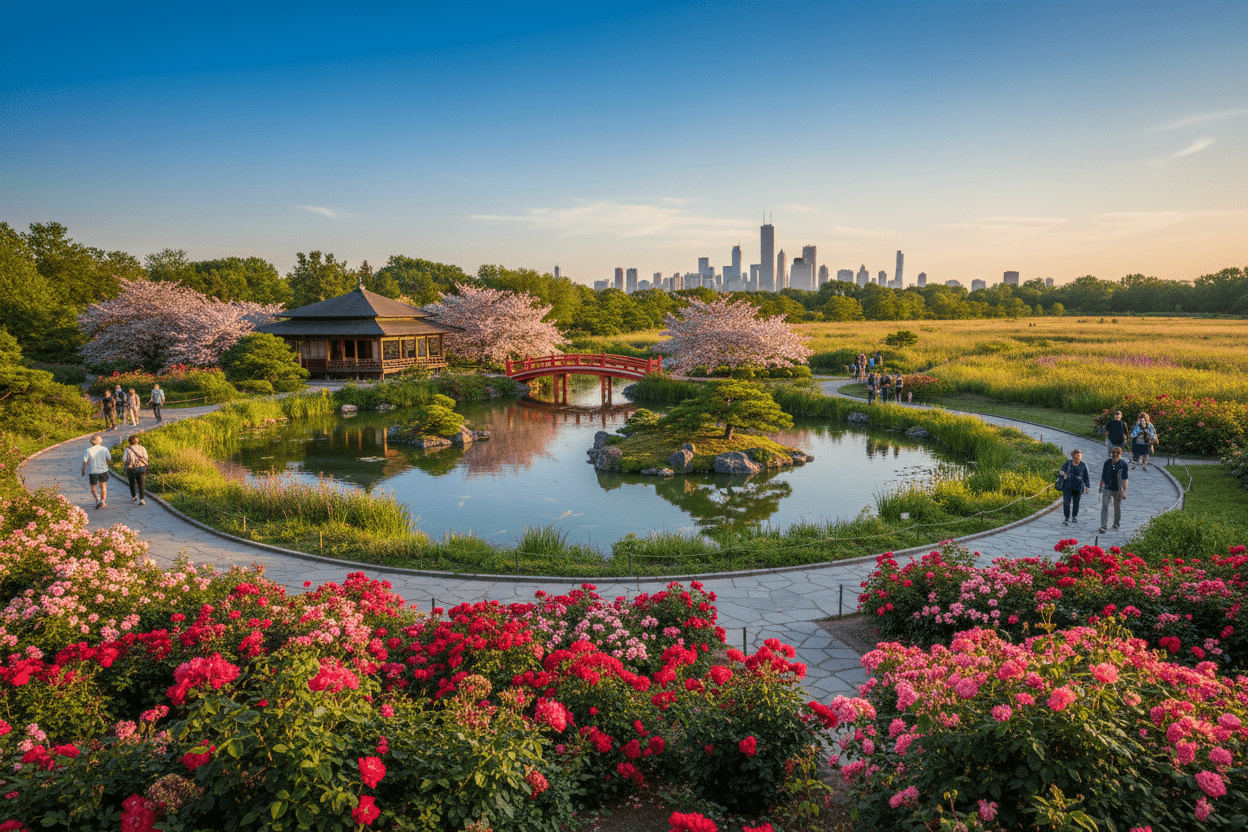
The Chicago Botanic Garden’s Japanese Garden, known as the Sansho-En (Garden of Three Islands), represents one of the finest examples of traditional Japanese garden design in North America. This 17-acre space features three islands connected by zigzag bridges, each representing a different aspect of Japanese aesthetics and philosophy.
Visitors can experience the carefully orchestrated interplay of water, stone, and plants that defines Japanese garden design. The meticulously pruned evergreens, strategically placed rocks, and reflective water surfaces create a meditative atmosphere that transports guests far from the Midwest to the serene landscapes of Japan.
Prairie and Wetland Areas: Native Plant Conservation
The garden’s commitment to native plant conservation shines through its extensive prairie and wetland areas. These natural spaces showcase the beauty and ecological importance of plants indigenous to the Chicago region, including prairie grasses, wildflowers, and wetland species that once dominated the local landscape.
The Dixon Prairie spans 15 acres and features over 150 species of native plants, offering visitors a glimpse into what the area looked like before European settlement. The adjacent wetlands provide habitat for numerous bird species and demonstrate the crucial role these ecosystems play in water filtration and flood control.
Seasonal Highlights Throughout the Year
Spring Awakening: Bulbs and Blossoms
Spring at the Chicago Botanic Garden is nothing short of magical. As winter’s grip loosens, the garden explodes with color as thousands of bulbs emerge from their winter slumber. Daffodils, tulips, and crocuses paint the landscape in vibrant yellows, reds, and purples, while flowering trees like magnolias and cherry blossoms create stunning canopies overhead.
The Bulb Garden becomes a photographer’s paradise during April and May, with carefully planned succession plantings ensuring continuous blooms throughout the spring season. This is also when many of the garden’s trees and shrubs begin their flowering cycle, creating layers of beauty that extend from ground level to the treetops.
Summer Splendor: Peak Growing Season
Summer brings the Chicago Botanic Garden to its full glory. The Rose Garden reaches peak performance, while annual flower displays provide continuous color throughout the warmer months. The Water Garden showcases spectacular water lilies and lotus flowers, creating stunning reflections on the calm water surfaces.
During summer evenings, the garden hosts special events and concerts, allowing visitors to experience the beauty of the grounds as the setting sun casts golden light across the landscapes. The extended daylight hours of summer also provide more time to explore the extensive trail system and discover hidden corners of this vast garden.
Autumn Colors: A Spectacular Finale
Fall transforms the Chicago Botanic Garden into a tapestry of warm colors as deciduous trees and shrubs display their autumn foliage. The maple collections provide brilliant reds and oranges, while the oak and hickory trees contribute golden yellows and russet browns to the seasonal palette.
The ornamental grass collections reach their peak during autumn, with feathery plumes swaying in the crisp fall breezes. This season also brings the final flush of late-blooming perennials, including asters, mums, and ornamental kale that provide color well into the first frost.
Educational Programs and Research Initiatives
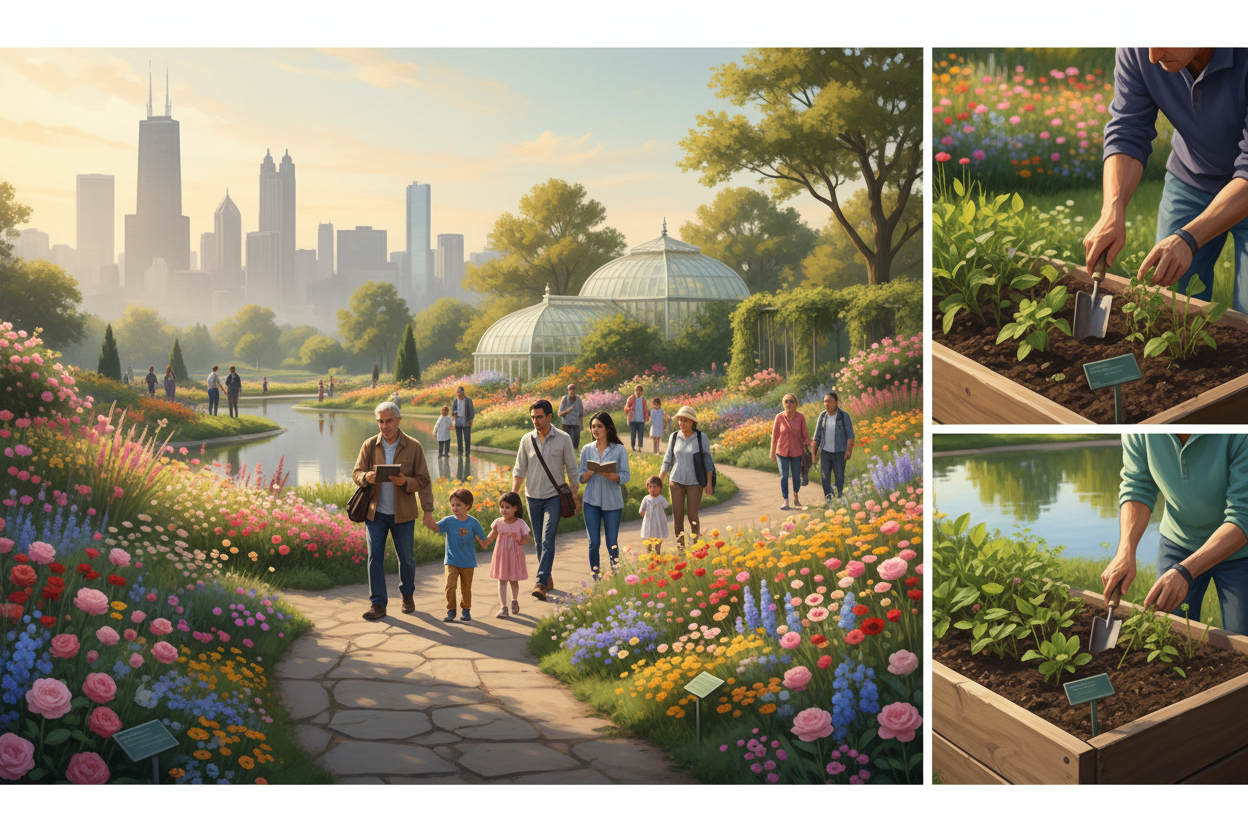
Beyond its role as a beautiful public space, the Chicago Botanic Garden serves as a vital educational and research institution. The garden offers extensive programming for visitors of all ages, from hands-on workshops for home gardeners to advanced courses for professional horticulturists.
The garden’s research programs focus on plant conservation, sustainable horticulture practices, and climate change adaptation. Scientists and researchers work with rare and endangered plant species, developing propagation techniques and conservation strategies that help preserve botanical diversity for future generations.
The Lenhardt Library houses one of the most comprehensive horticultural collections in the Midwest, providing resources for researchers, students, and serious gardening enthusiasts. The library’s rare book collection includes historical texts on botany and gardening that span several centuries.
Planning Your Visit to This Horticultural Haven
The Chicago Botanic Garden welcomes visitors year-round, with each season offering unique experiences and photographic opportunities. The garden is open daily except Christmas Day, with extended hours during summer months to accommodate evening visitors.
Parking is available on-site, though fees apply during peak visiting times. The garden is also accessible via public transportation, with the Union Pacific North Line providing service to the nearby Braeside station. Many visitors choose to combine their garden visit with exploration of the charming North Shore communities that surround this natural oasis.
For those planning extended visits, the garden offers dining options ranging from casual cafes to more formal restaurant settings. The Garden View Cafe provides locally sourced menu items with views overlooking the lagoons, while the Rose Terrace offers lighter fare perfect for a quick garden break.
Conservation and Sustainability Efforts
The Chicago Botanic Garden leads by example in sustainable gardening practices and environmental stewardship. The garden’s green infrastructure includes rain gardens, permeable paving, and native plant landscaping that demonstrates practical applications of sustainable design principles.
Water conservation efforts include sophisticated irrigation systems that minimize water waste while maintaining the health of the extensive plant collections. The garden also operates composting programs that recycle organic waste into nutrient-rich soil amendments used throughout the grounds.
These sustainability initiatives serve as models for home gardeners and landscape professionals seeking to reduce their environmental impact while creating beautiful outdoor spaces. The garden regularly hosts workshops and demonstrations that teach visitors how to implement similar practices in their own gardens.
Conclusion: A Natural Treasure Worth Discovering
The Chicago Botanic Garden represents far more than a collection of beautiful plants—it’s a testament to the power of thoughtful design, scientific research, and environmental stewardship. This 385-acre paradise offers visitors the opportunity to connect with nature, learn about plants from around the world, and experience the changing seasons in one of the most beautifully designed landscapes in the Midwest.
Whether you’re seeking inspiration for your own garden, looking for a peaceful retreat from city life, or hoping to learn more about plant conservation and sustainable gardening practices, the Chicago Botanic Garden provides an enriching experience that will leave you with a deeper appreciation for the natural world. Plan your visit today and discover why this horticultural haven continues to captivate and inspire visitors from around the globe.