
Morton Arboretum: Tree Science and Nature Conservation in Chicagoland
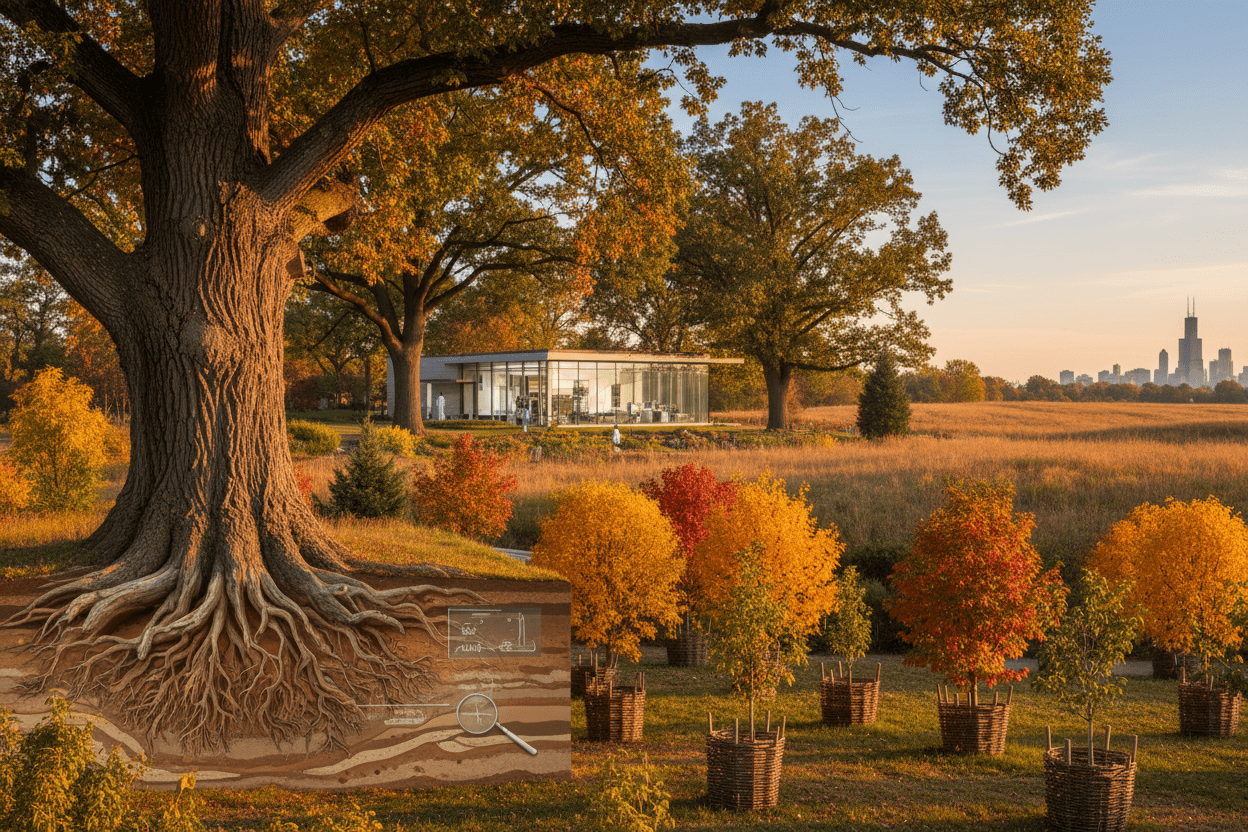
Nestled in the heart of Lisle, Illinois, just 25 miles west of downtown Chicago, The Morton Arboretum stands as a living testament to the power of trees and the importance of nature conservation. This 1,700-acre outdoor museum has been captivating visitors for nearly a century, serving as both a sanctuary for diverse tree species and a cutting-edge research facility dedicated to understanding and protecting our planet’s forests.
Founded in 1922 by Joy Morton, the son of salt company founder Daniel Gerhardt Morton, this remarkable institution has evolved from a personal passion project into one of the world’s leading centers for tree science and conservation. What began as Morton’s dream to create “a refuge for native flora and fauna” has blossomed into an internationally recognized hub where scientific research meets public education, and where families can connect with nature while contributing to global conservation efforts.
The Rich History Behind Morton Arboretum’s Conservation Mission
The story of Morton Arboretum begins with Joy Morton’s deep appreciation for trees and his vision of creating a space where both science and beauty could flourish. Morton, who inherited his father’s business acumen along with a profound love for nature, purchased the initial 735 acres of farmland with the ambitious goal of establishing a world-class arboretum that would serve future generations.
From its earliest days, the arboretum was designed with conservation in mind. Morton understood that trees were more than just beautiful landscape features – they were essential components of healthy ecosystems and vital allies in the fight against environmental degradation. This forward-thinking approach positioned the institution as a pioneer in tree conservation long before environmental awareness became mainstream.
The arboretum’s founding principles centered on three core missions that remain relevant today: to collect and study trees, shrubs, and other plants from around the world; to display these collections for the education and enjoyment of the public; and to conduct research that advances our understanding of trees and their role in the environment. These objectives have guided the institution’s growth and development for over a century.
World-Class Tree Collections and Living Laboratories
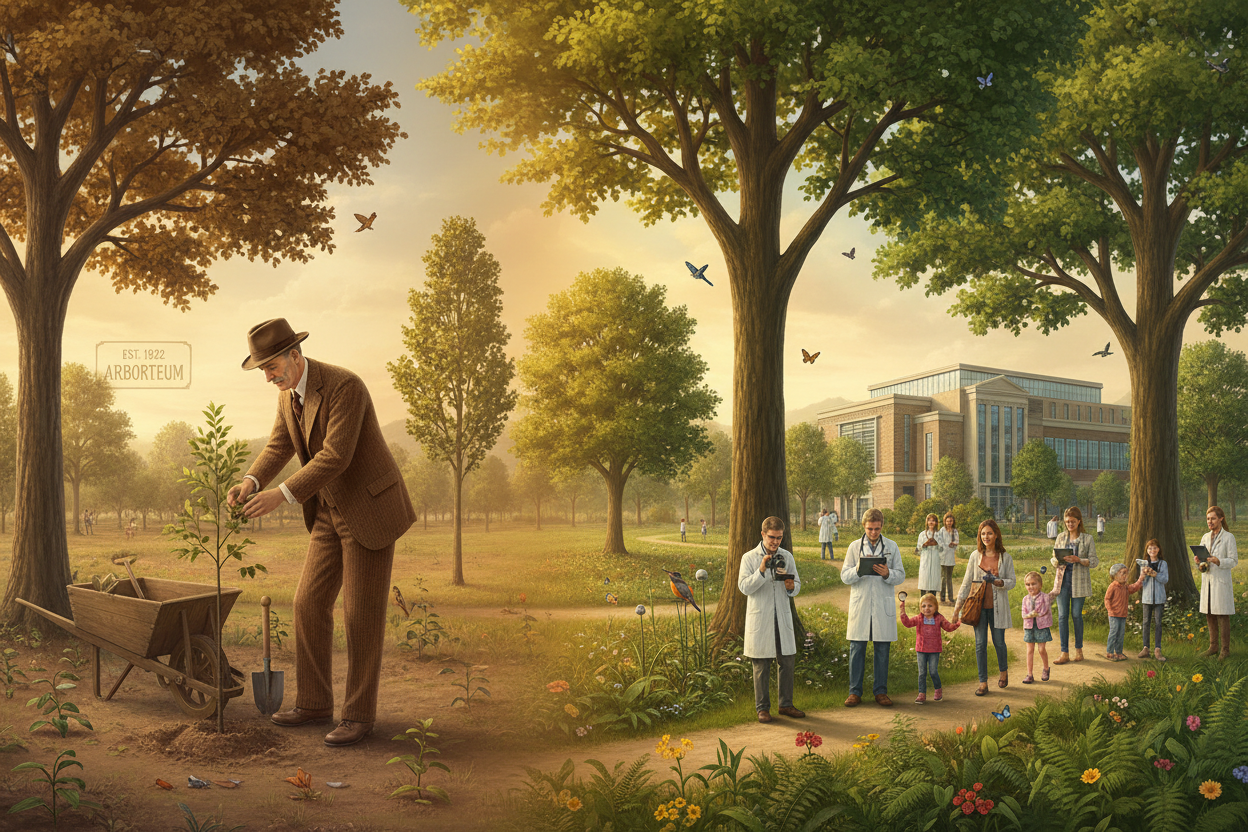
Today, Morton Arboretum houses one of the most diverse and scientifically valuable tree collections in North America. With over 222,000 live specimens representing more than 4,300 different taxa, the arboretum serves as a living library of global tree diversity. This extensive collection includes rare and endangered species, climate-adapted varieties, and specimens from virtually every continent.
The arboretum’s geographic collections are particularly noteworthy, featuring specialized areas dedicated to trees from specific regions around the world. The East Asian collection, for instance, showcases species from China, Japan, and Korea, many of which have adapted remarkably well to the Midwest climate. These collections serve multiple purposes: they preserve genetic diversity, provide research opportunities, and offer visitors the chance to experience trees they might never encounter in their natural habitats.
One of the most impressive aspects of these collections is their role as living laboratories. Scientists and researchers use these diverse plantings to study everything from climate adaptation and disease resistance to soil interactions and wildlife habitat creation. The controlled environment of the arboretum allows for long-term studies that would be impossible in wild forest settings, providing invaluable data for conservation efforts worldwide.
Cutting-Edge Research in Tree Science and Climate Adaptation
Morton Arboretum’s research programs represent some of the most advanced tree science initiatives in the world. The institution’s scientists are tackling critical questions about how trees respond to climate change, urban environments, and emerging diseases. Their work extends far beyond the boundaries of the arboretum, influencing forest management practices and urban planning strategies across the globe.
The Tree and Plant Evaluation Program stands out as one of the arboretum’s most significant research initiatives. This comprehensive study examines how different tree species perform under various environmental conditions, providing crucial data for selecting the right trees for specific locations and climates. The program’s findings help municipalities, landscapers, and homeowners make informed decisions about tree planting, ultimately leading to more successful urban forests and reduced tree mortality rates.
Climate change research represents another critical focus area. Scientists at Morton Arboretum are studying how rising temperatures, changing precipitation patterns, and extreme weather events affect tree health and survival. Their research includes investigating the potential for assisted migration – the practice of moving tree populations to more suitable climates as environmental conditions change. This work is particularly relevant for the Midwest, where climate projections suggest significant shifts in temperature and rainfall patterns over the coming decades.
Conservation Programs Protecting Global Forest Ecosystems
The arboretum’s conservation efforts extend well beyond its physical boundaries through partnerships with organizations worldwide. The Center for Tree Science coordinates international conservation projects, working to protect endangered tree species and restore degraded forest ecosystems in locations ranging from the Amazon rainforest to the mountains of Madagascar.
One particularly impactful program focuses on oak conservation. As keystone species that support hundreds of other plant and animal species, oaks play crucial roles in forest ecosystems across the Northern Hemisphere. Morton Arboretum scientists are working to understand and address the various threats facing oak populations, including habitat loss, climate change, and invasive pests. Their research informs conservation strategies that help protect these vital trees for future generations.
The arboretum also plays a leading role in urban forest conservation. Through partnerships with cities across the Chicagoland area and beyond, researchers help communities develop tree management strategies that enhance urban sustainability and resilience. This work is increasingly important as urban populations grow and cities seek nature-based solutions to challenges like air pollution, stormwater management, and extreme heat.
Educational Programs Connecting Communities with Nature
Education has been central to Morton Arboretum’s mission since its founding, and today’s programs reach audiences of all ages through innovative approaches that combine scientific rigor with engaging experiences. The arboretum’s education team develops programs that help visitors understand the complex relationships between trees, ecosystems, and human communities while inspiring them to become active participants in conservation efforts.
The Children’s Garden serves as an outdoor classroom where young visitors can explore nature through hands-on activities and guided discovery. This four-acre space includes themed areas that introduce children to concepts like plant lifecycles, habitat diversity, and the interconnectedness of natural systems. The garden’s design encourages exploration and wonder while building foundational knowledge about trees and conservation.
Adult education programs range from citizen science initiatives that engage volunteers in real research projects to professional development courses for arborists, landscape architects, and urban planners. These programs ensure that the arboretum’s scientific knowledge reaches practitioners who can apply it in their work, multiplying the institution’s conservation impact across the region.
Seasonal Experiences and Natural Beauty Throughout the Year
While Morton Arboretum’s scientific and conservation work provides its foundation, the institution’s role as a destination for natural beauty and outdoor recreation cannot be overlooked. The carefully designed landscape offers visitors spectacular experiences throughout the year, from the delicate blooms of spring to the brilliant colors of autumn and the stark beauty of winter.
Spring at the arboretum brings an explosion of flowering trees, including extensive collections of magnolias, crabapples, and ornamental cherries. These displays serve both aesthetic and scientific purposes, showcasing the diversity of flowering trees while providing researchers with opportunities to study bloom timing, pollinator relationships, and climate adaptation.
The autumn season transforms the arboretum into a living canvas of color as hundreds of tree species display their fall foliage. This seasonal spectacle draws thousands of visitors and provides excellent opportunities for education about tree identification, leaf science, and seasonal adaptation strategies. The extended season of color, made possible by the diverse collection of trees with different peak timing, demonstrates the value of biodiversity in creating resilient and beautiful landscapes.
Future Directions in Tree Science and Conservation
As Morton Arboretum looks toward the future, its commitment to advancing tree science and conservation continues to evolve in response to emerging challenges and opportunities. Climate change, urbanization, and biodiversity loss present unprecedented threats to forest ecosystems, but they also create opportunities for innovative research and conservation strategies.
The institution is expanding its focus on genetic diversity and conservation, using advanced techniques to preserve the genetic material of rare and endangered tree species. This work includes partnerships with seed banks and botanical gardens worldwide to ensure that valuable genetic resources are preserved for future restoration efforts.
Technology is playing an increasingly important role in the arboretum’s research and conservation work. Remote sensing, DNA analysis, and computer modeling are providing new tools for understanding tree biology and predicting how forests will respond to environmental changes. These technological advances are enabling more precise and effective conservation strategies while opening new avenues for public engagement and education.
Visiting Morton Arboretum: A Gateway to Understanding
For visitors to the Chicago area, Morton Arboretum offers an unparalleled opportunity to experience the beauty and importance of trees while learning about cutting-edge conservation science. The 16 miles of hiking trails wind through diverse landscapes, from prairie restorations to mature forest stands, providing intimate encounters with trees and wildlife.
The visitor experience is enhanced by interpretive displays, guided tours, and seasonal programs that help guests understand the scientific and conservation work happening throughout the grounds. Whether you’re interested in photography, hiking, family activities, or simply finding a peaceful retreat from urban life, the arboretum provides experiences that connect visitors with nature while supporting its vital conservation mission.
Morton Arboretum stands as a beacon of hope in our efforts to understand and protect the world’s forests. Through its combination of scientific research, conservation action, and public engagement, this remarkable institution demonstrates that trees are not just beautiful additions to our landscapes – they are essential partners in creating a sustainable future. As we face the challenges of the 21st century, the work being done at Morton Arboretum provides both the knowledge and inspiration needed to ensure that future generations will inherit a world where forests thrive and human communities flourish in harmony with nature.