Wicker Park and Bucktown: The Hipster’s Guide to Chicago’s Coolest Neighborhoods
Chicago’s northwest side harbors two neighborhoods that have become synonymous with creative energy, artistic expression, and that unmistakable hipster vibe. Wicker Park and Bucktown, once working-class enclaves, have transformed into cultural epicenters where vintage shops meet craft cocktails, and street art adorns nearly every corner. These interconnected neighborhoods offer a perfect blend of authentic Chicago grit and contemporary cool that attracts artists, musicians, young professionals, and anyone seeking an alternative to the city’s more mainstream districts.
Whether you’re a longtime Chicagoan looking to explore these trendy areas or a visitor wanting to experience the city’s creative pulse, this guide will walk you through everything that makes Wicker Park and Bucktown essential destinations for the culturally curious.
The Transformation of Two Historic Neighborhoods
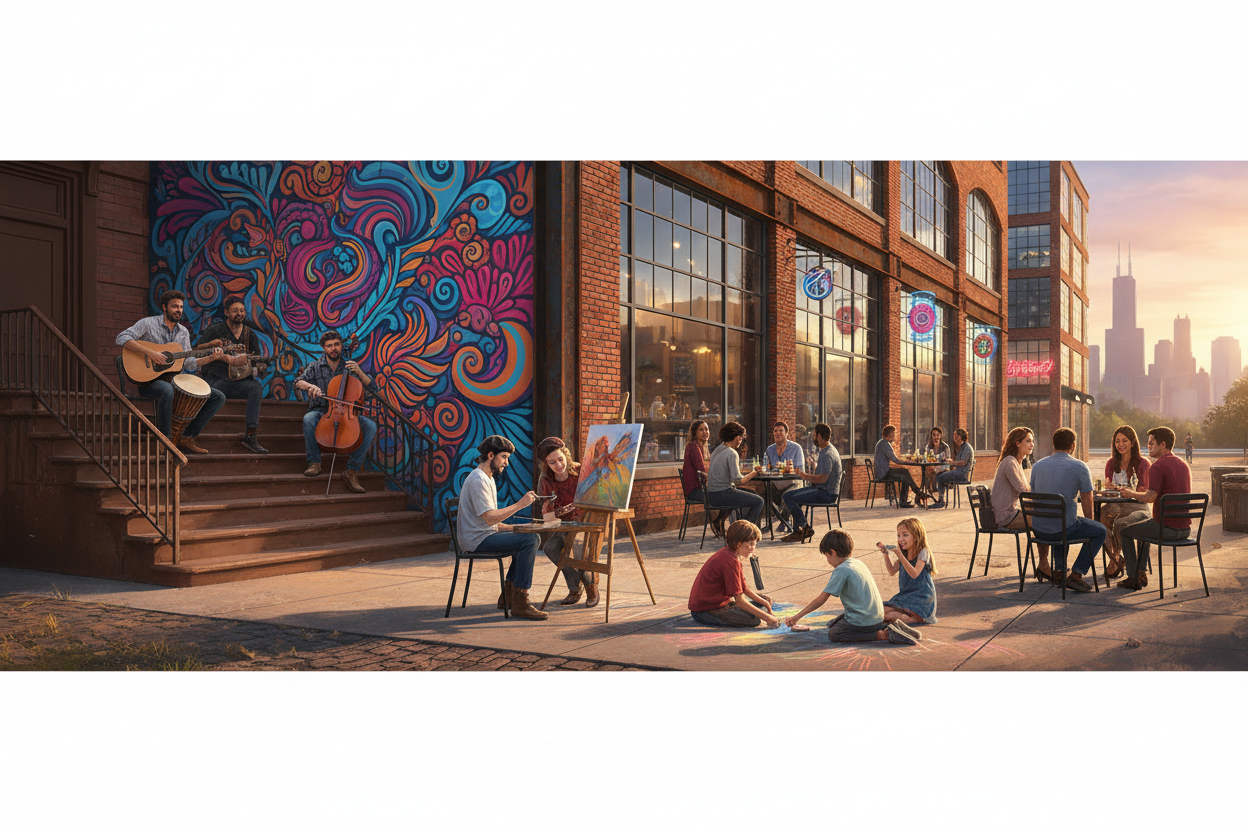
Understanding the appeal of Wicker Park and Bucktown requires knowing their roots. Wicker Park emerged in the 1870s as a affluent neighborhood, home to Chicago’s elite until the Great Chicago Fire of 1871 shifted wealth patterns. By the mid-20th century, both areas had become predominantly working-class Latino and Polish communities, creating a rich cultural foundation that still influences the neighborhoods today.
The transformation began in the 1980s when artists and musicians, priced out of other areas, discovered the affordable rent and spacious lofts these neighborhoods offered. This creative influx sparked a cultural renaissance that continues to evolve, though gentrification has certainly changed the landscape. Today, you’ll find a fascinating mix of longtime residents, creative professionals, and newcomers drawn by the area’s reputation for innovation and authenticity.
Wicker Park: Where Music and Art Collide
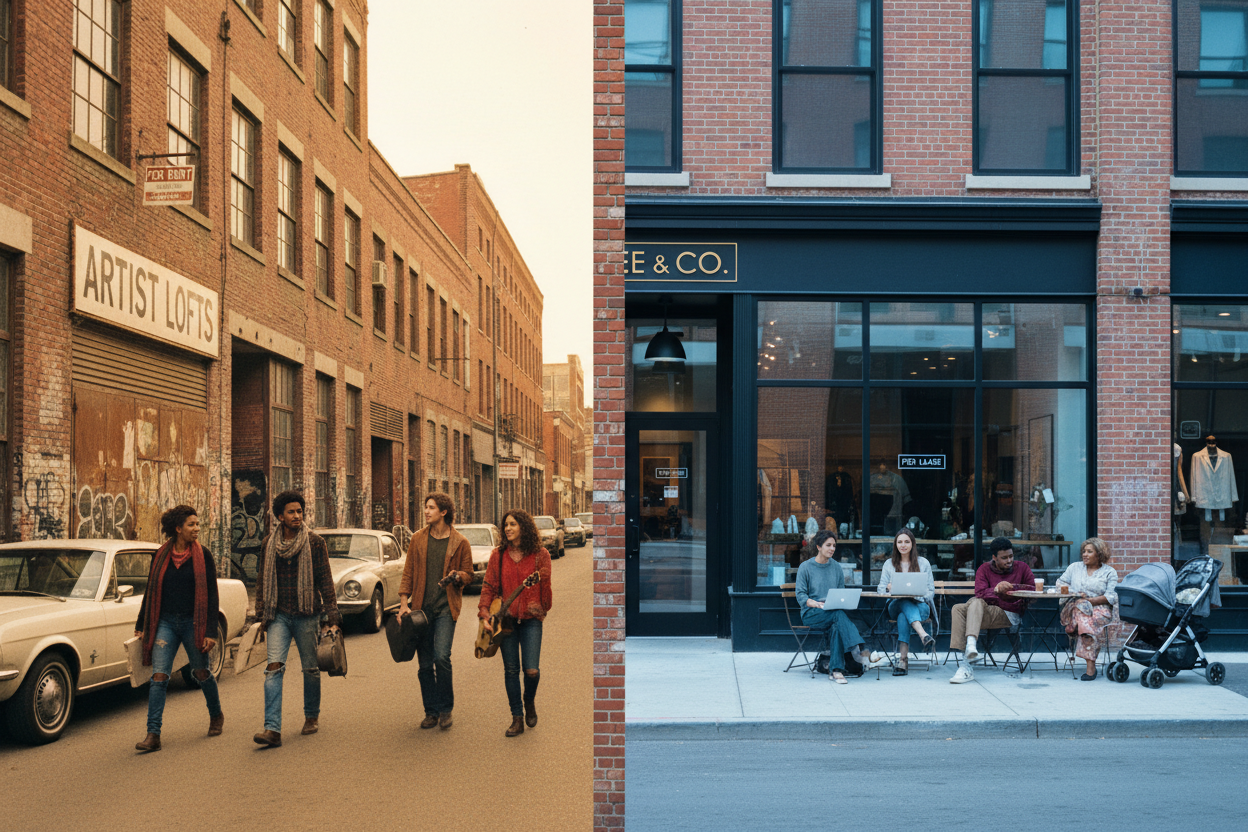
Wicker Park proper centers around the intersection of North, Damen, and Milwaukee avenues, creating a triangle of creative energy that pulses day and night. This neighborhood has earned its reputation as Chicago’s music capital, having nurtured everyone from Liz Phair to The Smashing Pumpkins during their formative years.
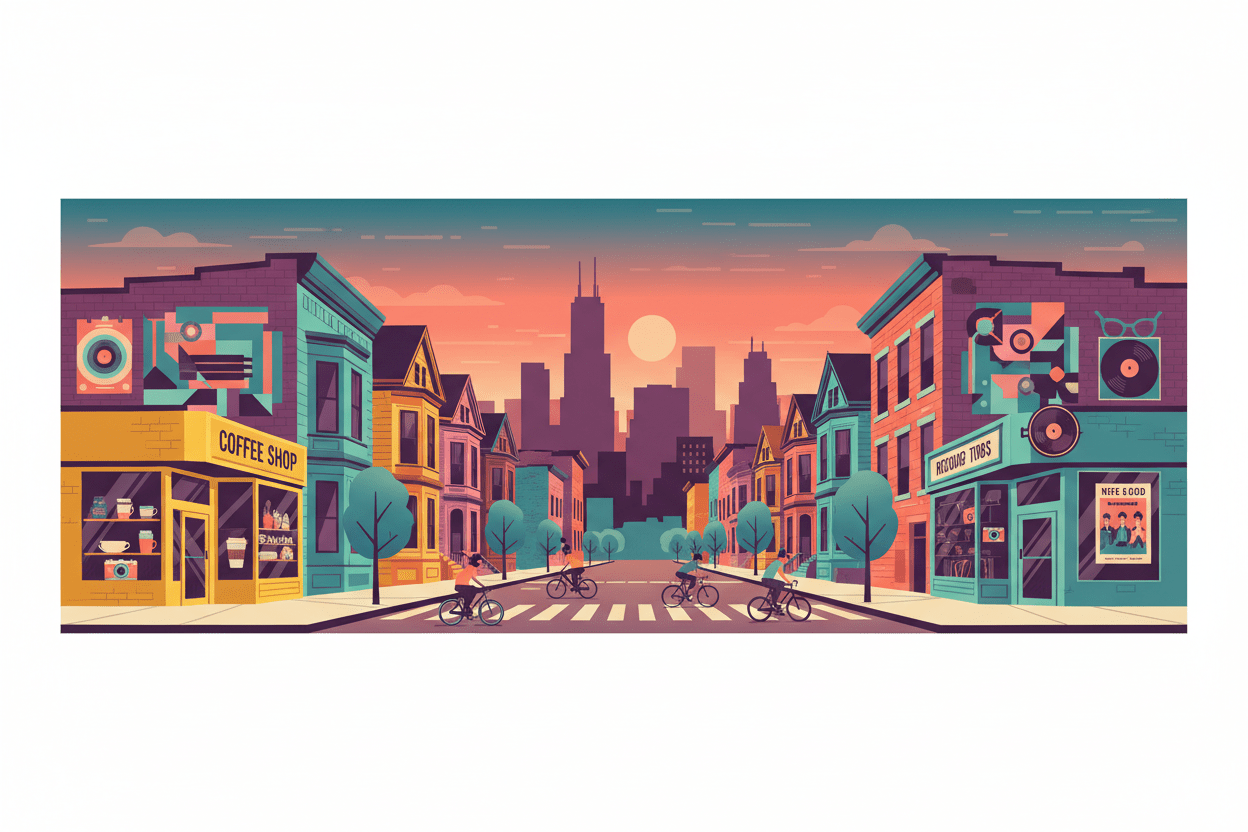
The music scene remains vibrant today, with venues like Metro, Double Door’s successor Sleeping Village, and Subterranean continuing to showcase both emerging and established acts. Walking through Wicker Park, you’ll notice how music permeates the atmosphere – from record stores like Reckless Records to the countless musicians carrying instrument cases down the street.
Art galleries dot the landscape, ranging from established spaces like Flat Iron Arts Building to pop-up exhibitions in converted storefronts. The neighborhood’s commitment to public art is evident in its numerous murals, with the annual Wicker Park Arts Festival celebrating this creative spirit each summer.
Bucktown: The Quieter Creative Haven
Just north of Wicker Park, Bucktown offers a slightly more residential feel while maintaining the creative edge that defines the area. Named after the goats that once roamed here in the 19th century, Bucktown has evolved into a sophisticated neighborhood that balances artistic sensibilities with upscale amenities.
The stretch of Damen Avenue through Bucktown showcases some of Chicago’s most innovative restaurants and boutiques. This area feels more curated than its southern neighbor, with carefully designed spaces that reflect the neighborhood’s maturation from scrappy artist enclave to polished creative community.
Bucktown’s residential streets feature beautifully renovated Victorian homes and modern condos, creating an architectural diversity that mirrors the neighborhood’s demographic evolution. The area attracts creative professionals who want to be part of the scene while enjoying a slightly more peaceful home environment.
Culinary Adventures for the Discerning Foodie
The food scene in Wicker Park and Bucktown reflects the neighborhoods’ creative spirit and diverse heritage. You’ll find everything from innovative fine dining to authentic ethnic eateries, often within the same block.
Big Star has become synonymous with Wicker Park dining, serving elevated Mexican street food alongside an impressive mezcal selection in a lively atmosphere that embodies the neighborhood’s energy. For a more intimate experience, Violet Hour offers craft cocktails in a speakeasy-style setting that feels both timeless and contemporary.
Bucktown’s culinary landscape includes gems like Le Bouchon, a cozy French bistro that has maintained its authentic charm for decades, and Hot Doug’s legendary successor spots that continue the tradition of gourmet hot dogs. The neighborhood also embraces food truck culture, with rotating vendors offering everything from Korean BBQ to artisanal ice cream.
Coffee culture thrives here, with independent roasters like Intelligentsia Coffee (which started in this area) and newcomers like Metropolis Coffee Company providing fuel for the creative community. These spaces serve as informal offices and meeting spots for the neighborhood’s artists, writers, and entrepreneurs.
Shopping: Vintage Treasures and Independent Boutiques
Shopping in Wicker Park and Bucktown means discovering unique pieces you won’t find anywhere else. The area’s retail landscape emphasizes independent boutiques, vintage stores, and specialty shops that reflect the neighborhoods’ creative character.
Milwaukee Avenue serves as the main shopping corridor, lined with stores like Antique Taco (which combines vintage shopping with excellent tacos), Una Mae’s, and countless vintage clothing stores where you can find everything from 1950s dresses to band t-shirts from the 1990s. These shops cater to fashion-conscious individuals who prefer unique pieces over mass-produced items.
Record stores remain an essential part of the shopping experience, with Reckless Records anchoring the music retail scene. Book lovers gravitate toward independent bookstores like Myopic Books, where towering stacks of used books create a treasure hunt atmosphere.
Local designers showcase their work in boutiques throughout both neighborhoods, offering handmade jewelry, custom clothing, and home goods that reflect the area’s artistic sensibilities. These shops provide direct access to the creative community that defines these neighborhoods.
Nightlife: From Craft Cocktails to Live Music
When the sun sets, Wicker Park and Bucktown come alive with some of Chicago’s most dynamic nightlife. The area’s bars and clubs cater to diverse tastes while maintaining the creative edge that defines the neighborhoods.
Craft cocktail culture flourishes at establishments like Violet Hour, where expert mixologists create innovative drinks in an atmosphere that encourages conversation and connection. Map Room Tavern offers a more casual experience with its extensive beer selection and travel-themed decor that attracts both locals and visitors.
Live music venues range from intimate spaces like Hideout to larger clubs that host touring acts. The music scene here isn’t just about consumption – it’s about participation, with open mic nights and jam sessions providing opportunities for aspiring musicians to connect with the community.
Dance clubs like Smart Bar cater to electronic music enthusiasts, while dive bars maintain the gritty authenticity that longtime residents appreciate. This diversity ensures that whether you’re looking for craft cocktails, live music, or just a good conversation, you’ll find your niche.
Getting Around and Making the Most of Your Visit
Both neighborhoods are highly walkable, with most attractions concentrated within a few blocks of each other. The Blue Line’s Damen stop provides easy access from downtown Chicago and O’Hare Airport, making these areas convenient for both residents and visitors.
Biking is extremely popular, with Divvy bike share stations scattered throughout both neighborhoods and bike-friendly streets that connect to Chicago’s larger cycling network. Many locals prefer cycling as their primary mode of transportation, contributing to the area’s environmentally conscious culture.
The best way to experience these neighborhoods is on foot, allowing you to discover hidden murals, pop-up galleries, and spontaneous street performances that define the area’s character. Plan to spend at least a full day exploring, as the density of attractions and the walkable layout make it easy to move from shopping to dining to entertainment without feeling rushed.
The Future of Chicago’s Creative Capital
Wicker Park and Bucktown continue to evolve, balancing their creative heritage with the realities of urban development and changing demographics. While gentrification has brought challenges, including rising rents and the displacement of some longtime residents and businesses, the neighborhoods have maintained their essential character through community activism and support for local businesses.
New developments incorporate public art and community spaces, while established businesses adapt to serve both longtime residents and newcomers. The creative community remains strong, with new galleries, music venues, and restaurants opening regularly alongside established institutions.
These neighborhoods represent Chicago’s ability to reinvent itself while honoring its past, creating spaces where creativity flourishes and community connections remain strong. For visitors and residents alike, Wicker Park and Bucktown offer an authentic taste of contemporary urban culture that feels both distinctly Chicago and universally appealing.
Whether you’re drawn by the music scene, the artistic community, the innovative dining, or simply the energy of neighborhoods in creative transition, Wicker Park and Bucktown deliver experiences that capture the essence of what makes Chicago’s cultural landscape so compelling. These areas prove that the best urban neighborhoods are those that embrace change while maintaining their soul, creating spaces where creativity and community can thrive together.