
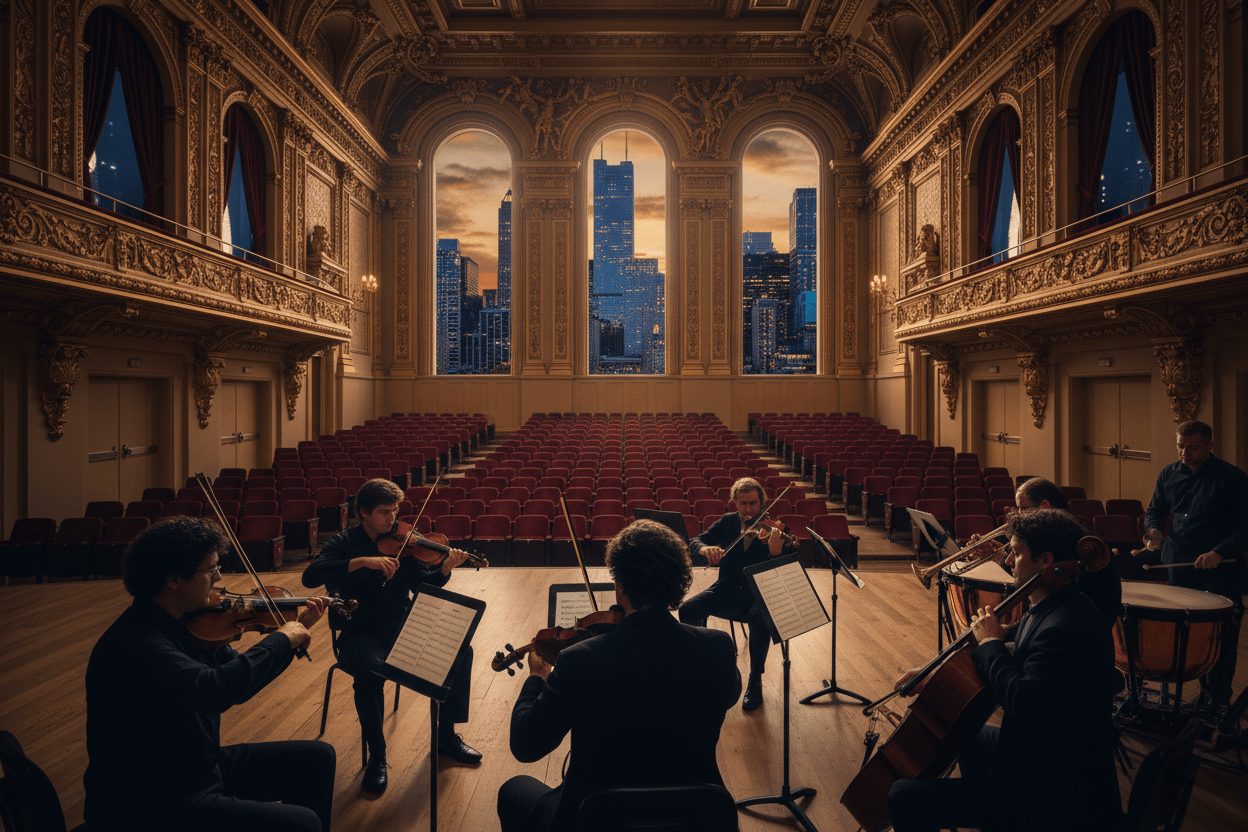
Chicago Symphony Orchestra: Why Classical Music Thrives in the Windy City
When you think of Chicago, deep-dish pizza, stunning architecture, and the Cubs might come to mind first. But there’s another cultural treasure that has been making the city sing for over 130 years: the Chicago Symphony Orchestra. This world-renowned ensemble has not only survived but absolutely flourished in a city known more for its blues and jazz heritage than classical music. So what makes Chicago such fertile ground for symphonic excellence?
The answer lies in a perfect storm of visionary leadership, architectural acoustics that would make Mozart weep with joy, and a city culture that embraces artistic excellence as fiercely as it does its sports teams. From the gleaming halls of Symphony Center to the passionate audiences that fill every seat, Chicago has created an ecosystem where classical music doesn’t just exist—it thrives, innovates, and inspires.
A Rich Musical Heritage That Spans Generations
The Chicago Symphony Orchestra’s story begins in 1891, when conductor Theodore Thomas made a bold decision that would change American classical music forever. He moved his orchestra from New York to Chicago, betting that this rapidly growing Midwestern city could support world-class symphonic music. Thomas famously declared, “I would go to hell if they would give me a permanent orchestra,” and fortunately for music lovers everywhere, Chicago proved to be quite the opposite.
What Thomas found in Chicago was a city hungry for culture and willing to invest in artistic excellence. The Great Chicago Fire of 1871 had destroyed much of the city, but from those ashes rose a community determined to build something magnificent. Wealthy patrons like Charles Norman Fay didn’t just write checks—they became passionate advocates for bringing the finest musical talent to their city.
This foundation of community support has remained rock-solid for over a century. Unlike many orchestras that struggle with funding and audience engagement, the Chicago Symphony Orchestra has consistently enjoyed robust support from both individual donors and corporate sponsors. This financial stability has allowed the orchestra to take artistic risks, commission new works, and attract the world’s most talented musicians.
World-Class Conductors Who Shaped Musical History
You can’t tell the story of the Chicago Symphony Orchestra without talking about its legendary music directors. Each conductor has left an indelible mark, creating a legacy that builds upon itself like a magnificent musical cathedral.
Fritz Reiner, who led the orchestra from 1953 to 1963, transformed the CSO into what many consider the finest orchestra in America. His meticulous attention to detail and demanding standards created a culture of excellence that still permeates the organization today. Musicians who played under Reiner often described the experience as both terrifying and transformative—he demanded nothing less than perfection, and somehow, they delivered it.
Then came Sir Georg Solti, whose 22-year tenure from 1969 to 1991 catapulted the orchestra to international superstardom. Solti didn’t just conduct; he created musical magic that could be felt in the farthest reaches of the concert hall. Under his baton, the CSO recorded over 300 works and won an astounding 31 Grammy Awards. His passionate, almost volcanic conducting style perfectly matched Chicago’s own intensity and drive.
The current music director, Riccardo Muti, continues this tradition of excellence while bringing his own Italian flair and deep musical intelligence to the podium. Muti’s interpretations breathe new life into classical masterpieces while championing contemporary composers, proving that tradition and innovation can dance together beautifully.
Symphony Center: An Acoustic Marvel in the Heart of Chicago
Even the most talented musicians need the right space to create magic, and Symphony Center provides exactly that. Originally built in 1904 as Orchestra Hall, this architectural gem underwent extensive renovations that transformed it into one of the world’s premier concert venues.
The hall’s acoustics are nothing short of miraculous. Every seat offers an intimate connection with the music, whether you’re in the front row or the upper balcony. The warm, enveloping sound seems to wrap around listeners like a musical embrace. Architects and acousticians from around the world study this hall, trying to understand how it achieves such perfect balance between clarity and warmth.
But Symphony Center is more than just a concert hall—it’s a cultural hub that includes the Grainger Ballroom for chamber music, Buntrock Hall for educational programs, and the Rosenthal Archives that preserve the orchestra’s rich history. This comprehensive approach to arts presentation means that visitors can experience classical music in multiple formats and settings, from intimate recitals to full symphonic spectacles.
The center’s location in Chicago’s Loop also contributes to its success. Unlike concert halls tucked away in cultural districts, Symphony Center sits in the beating heart of the city’s business district. This accessibility means that classical music becomes part of Chicago’s daily rhythm rather than a special occasion requiring a pilgrimage to a distant venue.
Educational Outreach Programs That Build Tomorrow’s Audiences
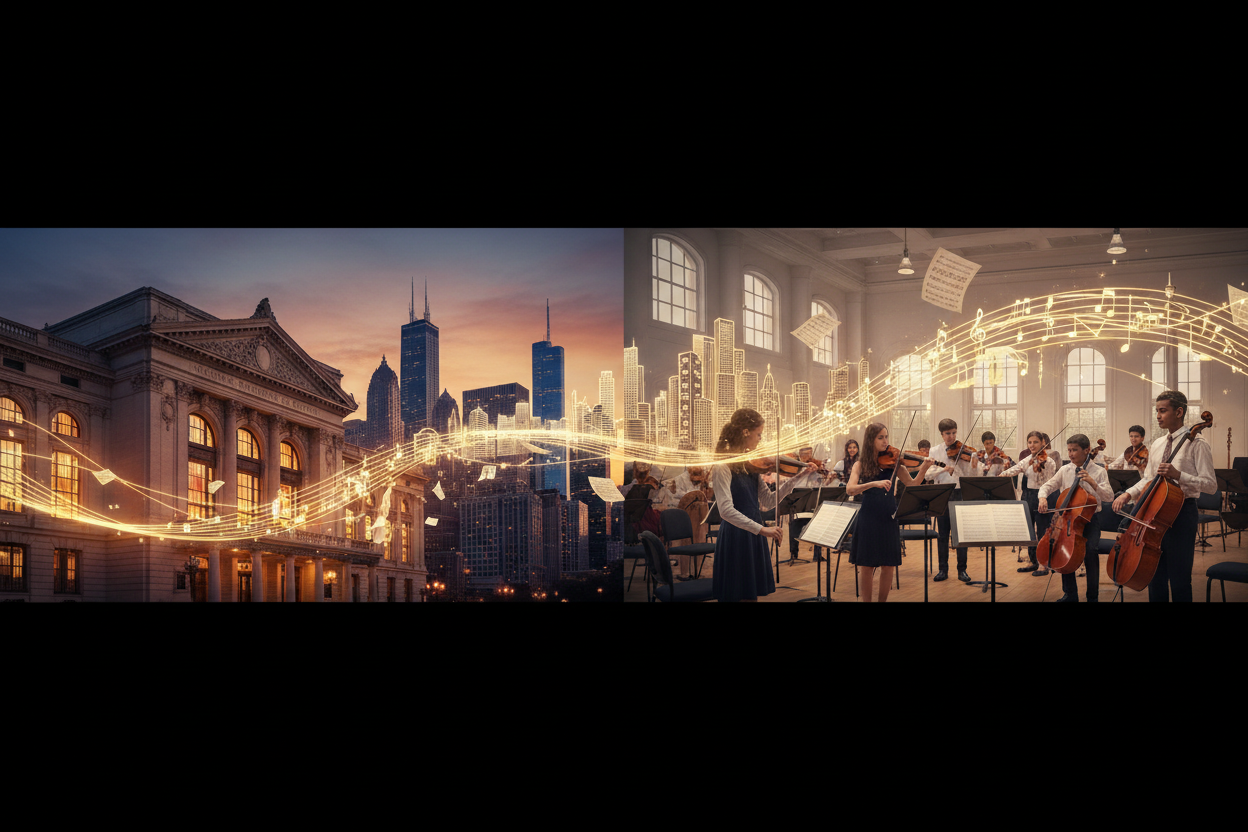
The Chicago Symphony Orchestra understands a fundamental truth: classical music’s future depends on nurturing young audiences and musicians today. Their educational programs don’t just teach music—they create lifelong relationships with the art form.
The Negaunee Music Institute, the orchestra’s education and community engagement division, reaches over 200,000 people annually through programs that span from early childhood through professional development. Their approach is refreshingly inclusive, meeting people where they are rather than expecting them to climb intimidating cultural barriers.
Take their Family Concerts, for example. These aren’t watered-down versions of adult programming but carefully crafted experiences that introduce children to orchestral music through storytelling, interactive elements, and repertoire that sparks imagination. Parents often report that these concerts become gateway experiences, leading to regular season subscriptions and a family tradition of concert-going.
The Youth in Music program brings professional-level training to students from underserved communities, providing instruments, instruction, and performance opportunities that might otherwise be impossible to access. Many graduates of these programs have gone on to professional music careers, creating a pipeline of diverse talent that enriches the entire classical music ecosystem.
Innovation Meets Tradition in Programming Excellence
While the Chicago Symphony Orchestra honors the great masterworks of the classical canon, they’ve never been content to simply dust off museum pieces. Their programming philosophy embraces both preservation and innovation, creating concerts that feel both timeless and urgently contemporary.
Recent seasons have featured world premieres by living composers alongside beloved symphonies by Beethoven and Brahms. This approach acknowledges that classical music is a living, breathing art form that continues to evolve. When audiences hear a new work premiered by the CSO, they’re witnessing music history in the making.
The orchestra’s Beyond the Score series exemplifies this innovative spirit. These multimedia presentations combine live performance with theatrical elements, historical context, and visual storytelling to illuminate the creative process behind great musical works. It’s like getting a backstage pass to the composer’s mind, and audiences consistently rank these performances among their most memorable concert experiences.
Special themed concerts and collaborations with artists from other genres have also expanded the orchestra’s reach. Jazz musicians, world music artists, and even rock performers have shared the Symphony Center stage with the CSO, creating unique musical conversations that attract new audiences while delighting longtime subscribers.
The Chicago Cultural Ecosystem That Supports Classical Excellence
The Chicago Symphony Orchestra doesn’t exist in isolation—it’s part of a rich cultural ecosystem that includes world-class museums, theaters, and educational institutions. This artistic density creates a synergy that benefits all of Chicago’s cultural organizations.
The proximity to institutions like the Art Institute of Chicago, the Lyric Opera, and numerous smaller venues means that cultural enthusiasts can easily combine a symphony concert with other artistic experiences. This clustering effect makes Chicago a destination for cultural tourism and encourages residents to engage with multiple art forms.
The city’s universities, including Northwestern, DePaul, and the University of Chicago, contribute both audiences and talent to the classical music scene. Music students attend CSO concerts as part of their education, while faculty members often collaborate with the orchestra on special projects. This academic connection ensures a steady stream of musically educated audience members who appreciate both technical excellence and artistic interpretation.
Chicago’s corporate culture also plays a crucial role. Many of the city’s major businesses view support for the arts as both a civic responsibility and a business advantage. Corporate sponsorship provides financial stability while executive subscription packages help fill concert halls with engaged, influential audience members.
Looking Forward: Classical Music’s Bright Future in Chicago
As the Chicago Symphony Orchestra approaches its 135th anniversary, the future looks remarkably bright. Digital initiatives have expanded their reach globally, with streaming concerts and educational content bringing Chicago’s musical excellence to audiences worldwide. The pandemic actually accelerated many of these innovations, proving that classical music can adapt and thrive even in challenging circumstances.
New partnerships with community organizations continue to diversify both programming and audiences. The orchestra’s commitment to reflecting Chicago’s incredible cultural diversity ensures that classical music remains relevant and accessible to all residents, not just traditional classical music demographics.
The next generation of musicians being trained in Chicago’s schools and conservatories brings fresh perspectives and technical skills that promise to keep the CSO at the forefront of orchestral excellence. These young artists understand both the weight of tradition and the necessity of innovation, making them perfect stewards for classical music’s future.
The Chicago Symphony Orchestra’s success story offers hope and inspiration for classical music organizations everywhere. By combining artistic excellence with community engagement, innovative programming with respect for tradition, and local pride with global ambition, they’ve created a model that proves classical music can not only survive but absolutely flourish in the modern world.
In Chicago, classical music isn’t a relic of the past—it’s a living, breathing part of the city’s cultural DNA. From the soaring melodies that fill Symphony Center to the young students discovering Beethoven for the first time, the Windy City continues to prove that great music, like great cities, never goes out of style. The Chicago Symphony Orchestra doesn’t just play music; it creates the soundtrack for a city that refuses to settle for anything less than extraordinary.