Hyde Park: University Life and Cultural Attractions on Chicago’s South Side
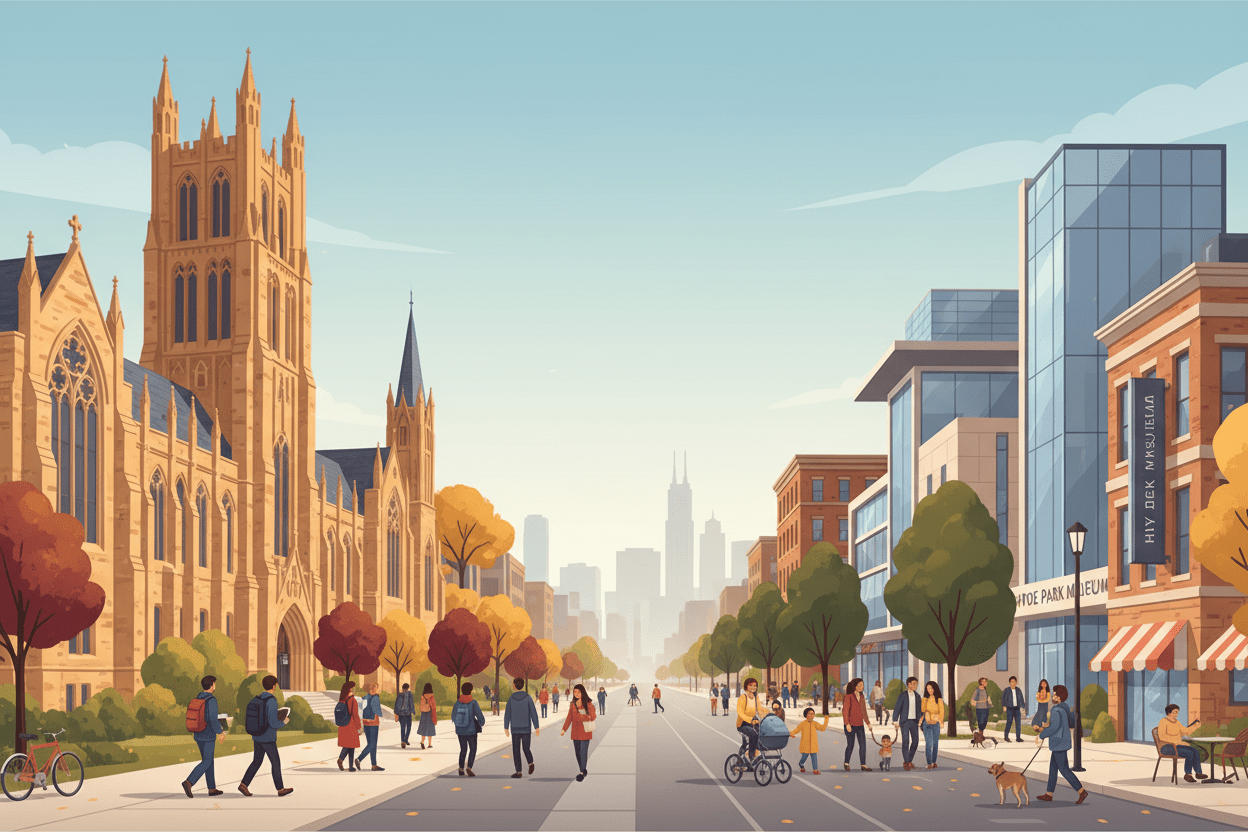
Nestled along the shores of Lake Michigan, Hyde Park stands as one of Chicago’s most intellectually vibrant and culturally rich neighborhoods. This South Side gem seamlessly blends academic excellence with world-class attractions, creating an atmosphere that’s both scholarly and sophisticated. From the prestigious University of Chicago campus to the renowned Museum of Science and Industry, Hyde Park offers visitors and residents a unique glimpse into the intersection of education, culture, and community life in the Windy City.
Whether you’re a prospective student, culture enthusiast, or simply someone looking to explore Chicago beyond the typical tourist trail, Hyde Park presents an compelling destination that challenges preconceptions about the South Side while showcasing the area’s remarkable contributions to academia, science, and the arts.
The University of Chicago: An Academic Powerhouse
At the heart of Hyde Park lies the University of Chicago, an institution that has shaped not only the neighborhood’s character but also influenced global thought across multiple disciplines. Founded in 1890 with funding from oil magnate John D. Rockefeller, the university has consistently ranked among the world’s top research institutions, producing 92 Nobel Prize winners and countless other distinguished scholars.
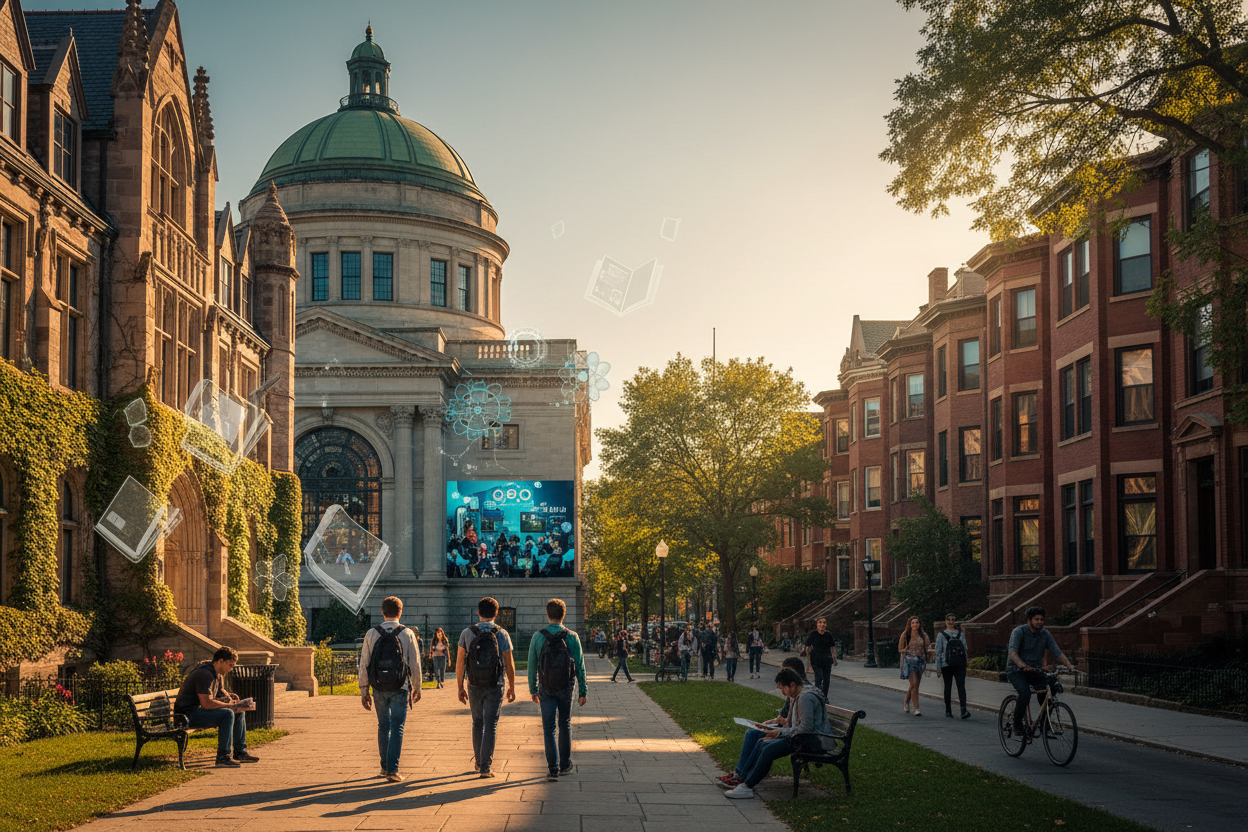
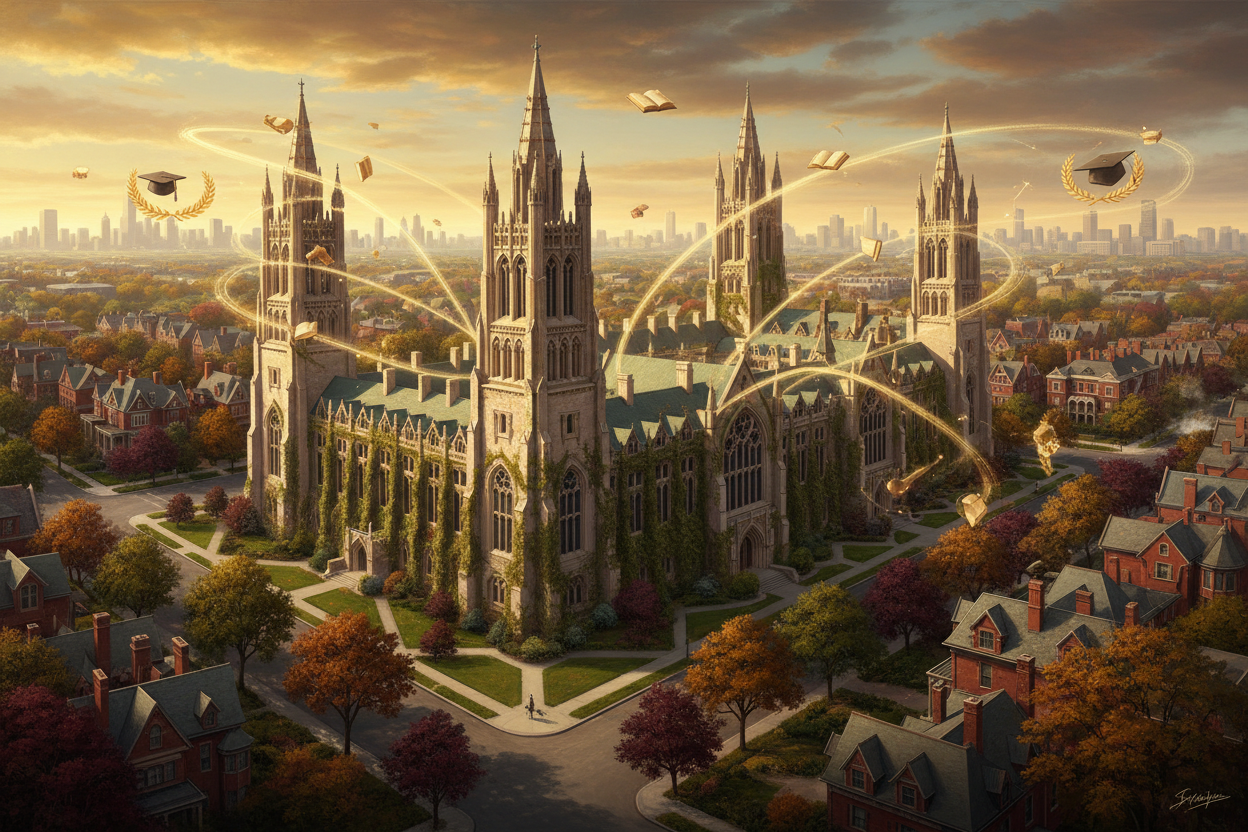
Walking through the campus feels like stepping into an academic sanctuary. The Gothic Revival architecture, with its limestone buildings and ivy-covered walls, creates an atmosphere of scholarly tradition that’s both inspiring and intimidating. The iconic Saieh Hall for Economics and the stunning Rockefeller Memorial Chapel serve as architectural anchors that define the university’s visual identity.
The university’s influence extends far beyond its physical boundaries. The Chicago School of Economics, developed here, has fundamentally shaped modern economic theory. Meanwhile, the university’s commitment to rigorous intellectual inquiry has created what locals often call the “life of the mind” culture that permeates the entire neighborhood.
Students and faculty from around the world contribute to Hyde Park’s international flavor. You’ll overhear conversations in multiple languages at local coffee shops, and the diversity of perspectives creates a stimulating environment that extends well beyond the classroom walls.
Museum of Science and Industry: A World-Class Cultural Destination
Standing majestically at the northern edge of Hyde Park, the Museum of Science and Industry represents one of Chicago’s crown jewels. Housed in the only remaining building from the 1893 World’s Columbian Exposition, this massive institution offers visitors an immersive journey through scientific discovery and technological innovation.
The museum’s permanent exhibits read like a wish list for curious minds. The U-505 submarine, captured during World War II, provides a haunting glimpse into naval warfare history. The Coal Mine exhibit takes visitors deep underground to experience the dangerous work that powered America’s industrial revolution. Meanwhile, the Science Storms exhibit demonstrates natural phenomena through interactive displays that make complex scientific concepts accessible to visitors of all ages.
What makes the Museum of Science and Industry particularly special is its commitment to hands-on learning. Unlike traditional museums where visitors merely observe, this institution encourages interaction and experimentation. The Fab Lab allows visitors to engage in digital fabrication, while the Numbers in Nature exhibit reveals the mathematical patterns hidden in everyday life.
The museum regularly updates its offerings with traveling exhibitions that tackle contemporary issues. Recent displays have explored everything from artificial intelligence to climate change, ensuring that repeat visitors always discover something new during their Hyde Park adventures.
Historic Architecture and Neighborhood Character
Hyde Park’s architectural landscape tells the story of Chicago’s evolution from a frontier town to a world-class city. The neighborhood showcases an remarkable array of building styles, from Prairie School masterpieces to contemporary academic buildings that push architectural boundaries.
Frank Lloyd Wright’s Robie House stands as perhaps the most celebrated example of Prairie School architecture in the world. This 1909 masterpiece, with its horizontal lines and innovative use of space, revolutionized residential design and continues to influence architects today. The house offers guided tours that reveal Wright’s genius for integrating buildings with their natural surroundings.
The neighborhood’s residential streets feature an eclectic mix of architectural styles. Grand mansions from the late 19th century sit alongside modest bungalows and modern condominiums. This architectural diversity reflects Hyde Park’s evolution from an exclusive suburb to a more diverse academic community.
Many buildings carry historical significance beyond their architectural merit. The Quadrangle Club, designed by Howard Van Doren Shaw, has hosted countless intellectual gatherings over the decades. Meanwhile, the Chicago Theological Seminary’s Gothic buildings remind visitors of the neighborhood’s religious heritage.
Cultural Life and Community Attractions
Hyde Park’s cultural scene extends well beyond its major institutions. The neighborhood maintains a vibrant community life that reflects both its academic roots and its diverse population. Local venues regularly host lectures, concerts, and cultural events that draw audiences from across the Chicago metropolitan area.
The Court Theatre, located on the University of Chicago campus, presents classical and contemporary works that challenge audiences while maintaining the highest artistic standards. This intimate venue has earned recognition for its innovative interpretations of both Shakespeare and modern playwrights.
Music lovers will find plenty to appreciate in Hyde Park’s offerings. The university’s Mandel Hall regularly hosts chamber music concerts, jazz performances, and world music events. The venue’s excellent acoustics and intimate setting create memorable experiences for both performers and audiences.
The neighborhood’s bookstores deserve special mention. Seminary Co-op Bookstore, founded in 1961, has become legendary among academics and book lovers. Its underground location and carefully curated selection make browsing feel like a treasure hunt. Powell’s Bookstore Chicago offers another excellent option for both new and used books, with particularly strong sections on academic subjects.
Dining and Local Flavors
Hyde Park’s dining scene reflects the neighborhood’s international character and intellectual atmosphere. Restaurants here tend to emphasize quality over flashiness, creating comfortable spaces where conversation flows as freely as the wine.
Medici on 57th has served as Hyde Park’s unofficial community center for decades. This casual restaurant and bar features walls covered with graffiti left by generations of students, faculty, and visitors. The pizza is legendary, but the real attraction is the atmosphere – this is where ideas are debated, friendships are formed, and the neighborhood’s intellectual culture comes alive.
For more upscale dining, Piccolo Mondo offers authentic Italian cuisine in an intimate setting. The restaurant’s commitment to traditional preparation methods and high-quality ingredients has earned it a loyal following among both locals and visitors.
The neighborhood’s coffee culture deserves special recognition. Istria Cafe provides a European-style coffee house experience, while newer establishments like Plein Air Cafe offer modern interpretations of the academic coffee shop tradition. These venues serve as informal meeting spaces where students, faculty, and community members gather to discuss everything from quantum physics to local politics.
Green Spaces and Lakefront Access
One of Hyde Park’s greatest assets is its access to Chicago’s stunning lakefront. Promontory Point, a man-made peninsula extending into Lake Michigan, offers spectacular views of the Chicago skyline and serves as a popular gathering spot for picnics, weddings, and community events.
The lakefront trail provides excellent opportunities for walking, jogging, and cycling. The path connects Hyde Park to downtown Chicago and other lakefront neighborhoods, making it easy to explore the city while enjoying Lake Michigan’s natural beauty.
Jackson Park, partially designed by Frederick Law Olmsted, offers extensive green space for recreation and relaxation. The park’s lagoons, gardens, and open areas provide respite from urban life while maintaining easy access to the neighborhood’s cultural attractions.
The upcoming Obama Presidential Center, currently under construction in Jackson Park, promises to add another major attraction to Hyde Park’s already impressive roster of cultural institutions.
Transportation and Accessibility
Getting to and around Hyde Park is remarkably convenient, despite common misconceptions about South Side accessibility. The Metra Electric Line provides direct service from downtown Chicago to several Hyde Park stations, making the neighborhood easily accessible for visitors staying in the Loop or other parts of the city.
Multiple CTA bus routes serve the area, connecting Hyde Park to other South Side neighborhoods and providing alternative transportation options. The #6 Jackson Park Express offers particularly convenient service during peak hours.
For those driving, Hyde Park offers more parking options than many Chicago neighborhoods, though visitors should be aware that some areas require permits or have time restrictions.
The neighborhood’s compact size makes walking a pleasant option for exploring local attractions. Most major sites are within a reasonable walking distance of each other, and the tree-lined streets make pedestrian exploration enjoyable throughout most of the year.
Conclusion: Discovering Chicago’s Intellectual Heart
Hyde Park represents a unique facet of Chicago that challenges stereotypes while celebrating the power of education, culture, and community. This South Side neighborhood successfully balances world-class institutions with neighborhood charm, creating an environment where intellectual curiosity thrives alongside everyday life.
Whether you’re drawn by the University of Chicago’s academic prestige, the Museum of Science and Industry’s interactive exhibits, or simply the opportunity to experience a different side of Chicago, Hyde Park rewards visitors with experiences that are both educational and genuinely enjoyable. The neighborhood’s combination of historic architecture, cultural attractions, and vibrant community life creates a destination that deserves recognition alongside Chicago’s more famous districts.
For those willing to venture beyond the typical tourist trail, Hyde Park offers a glimpse into Chicago’s intellectual soul – a place where great minds have gathered for over a century to push the boundaries of human knowledge while building a community that values both rigorous thinking and genuine human connection.