
The Architecture of United Center: How Chicago Built a World-Class Sports Arena
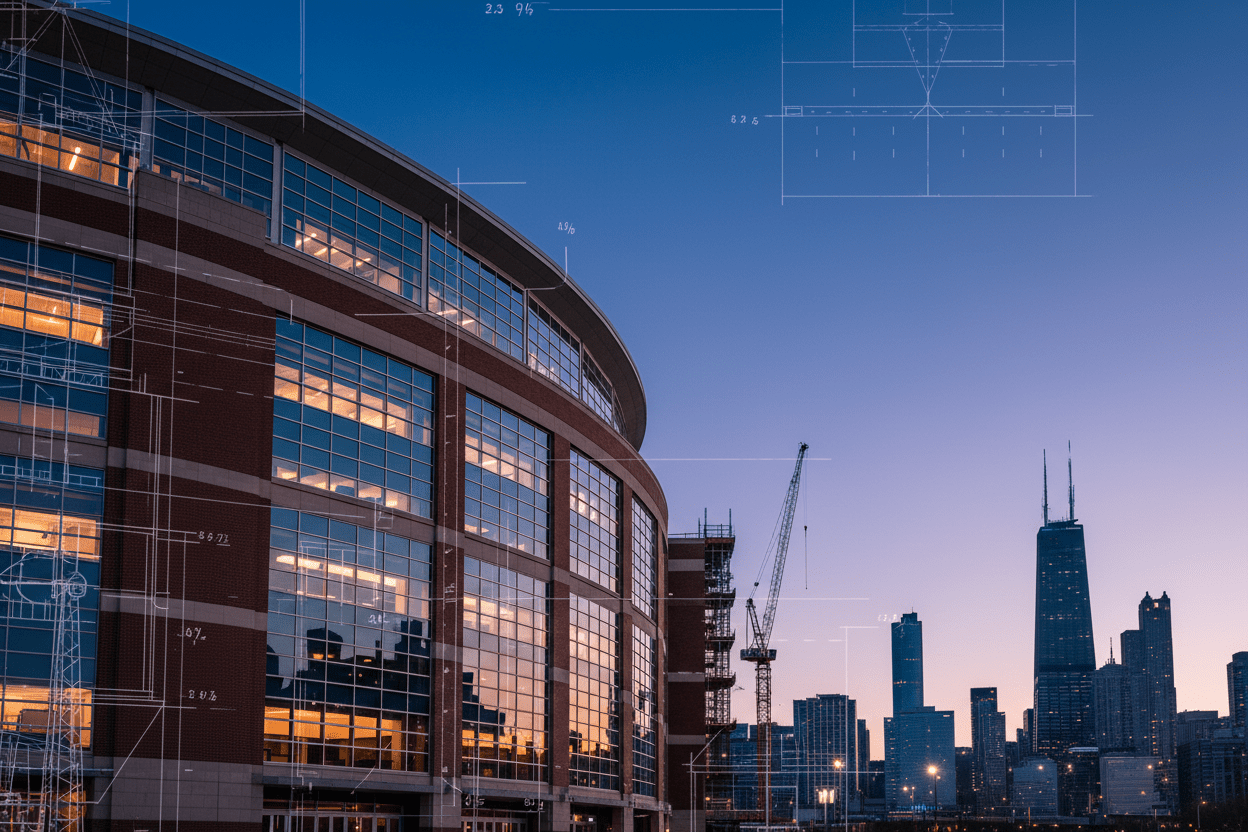
Standing tall in Chicago’s Near West Side, the United Center represents more than just a sports venue—it’s an architectural marvel that transformed how we think about modern arena design. When construction began in the early 1990s, Chicago set out to create something extraordinary, and the result has become a blueprint for world-class sports facilities across the globe.
The story of United Center’s architecture isn’t just about concrete and steel; it’s about vision, innovation, and the relentless pursuit of creating the perfect fan experience. From its imposing exterior to its carefully crafted interior spaces, every element was designed with purpose and precision.
The Vision Behind Chicago’s Architectural Masterpiece
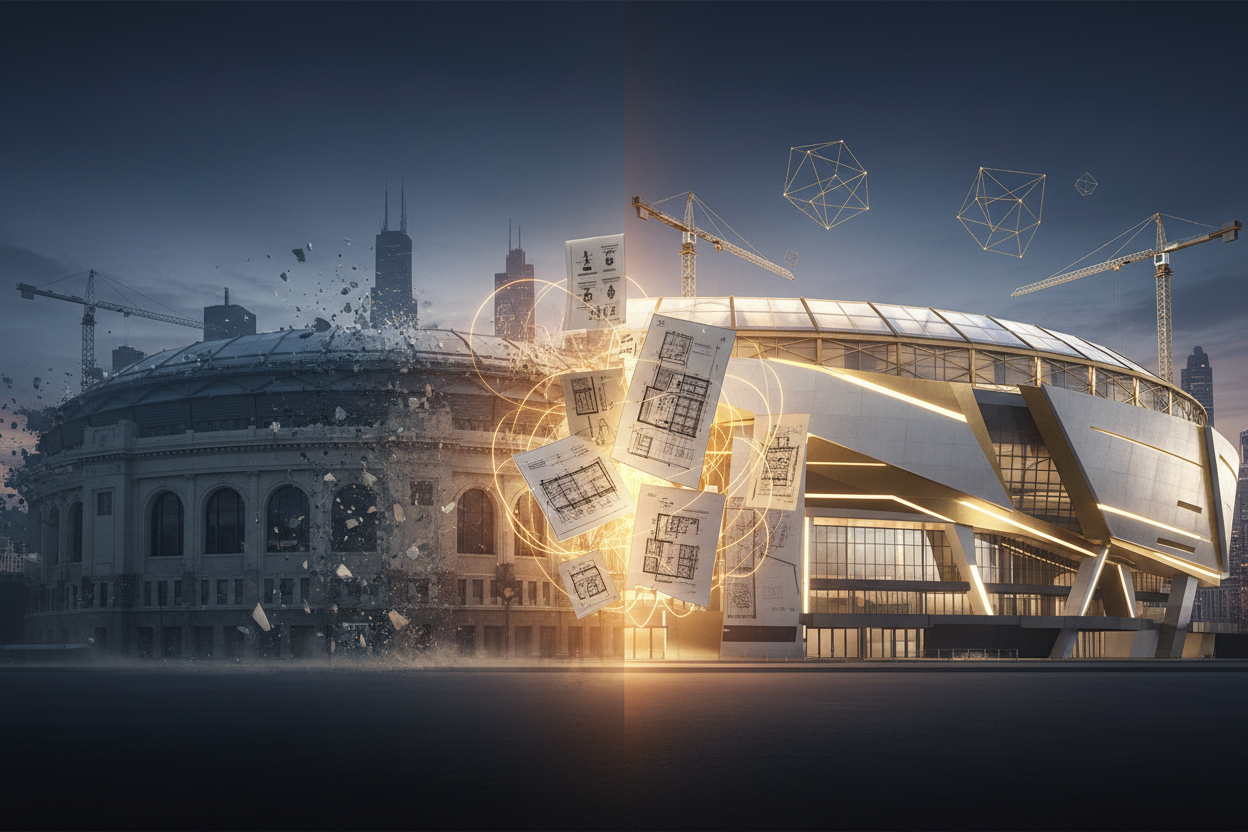
The United Center project emerged from necessity and ambition in equal measure. By the late 1980s, Chicago Stadium—the beloved but aging home of the Bulls and Blackhawks—was showing its limitations. The city needed a new venue that could accommodate modern sports entertainment while honoring Chicago’s rich athletic heritage.
Architects faced a unique challenge: how do you replace an iconic venue while creating something that feels authentically Chicago? The answer lay in bold architectural choices that would define the building’s character for decades to come. The design team understood that this wasn’t just about creating a larger space—it was about reimagining what a sports arena could be.
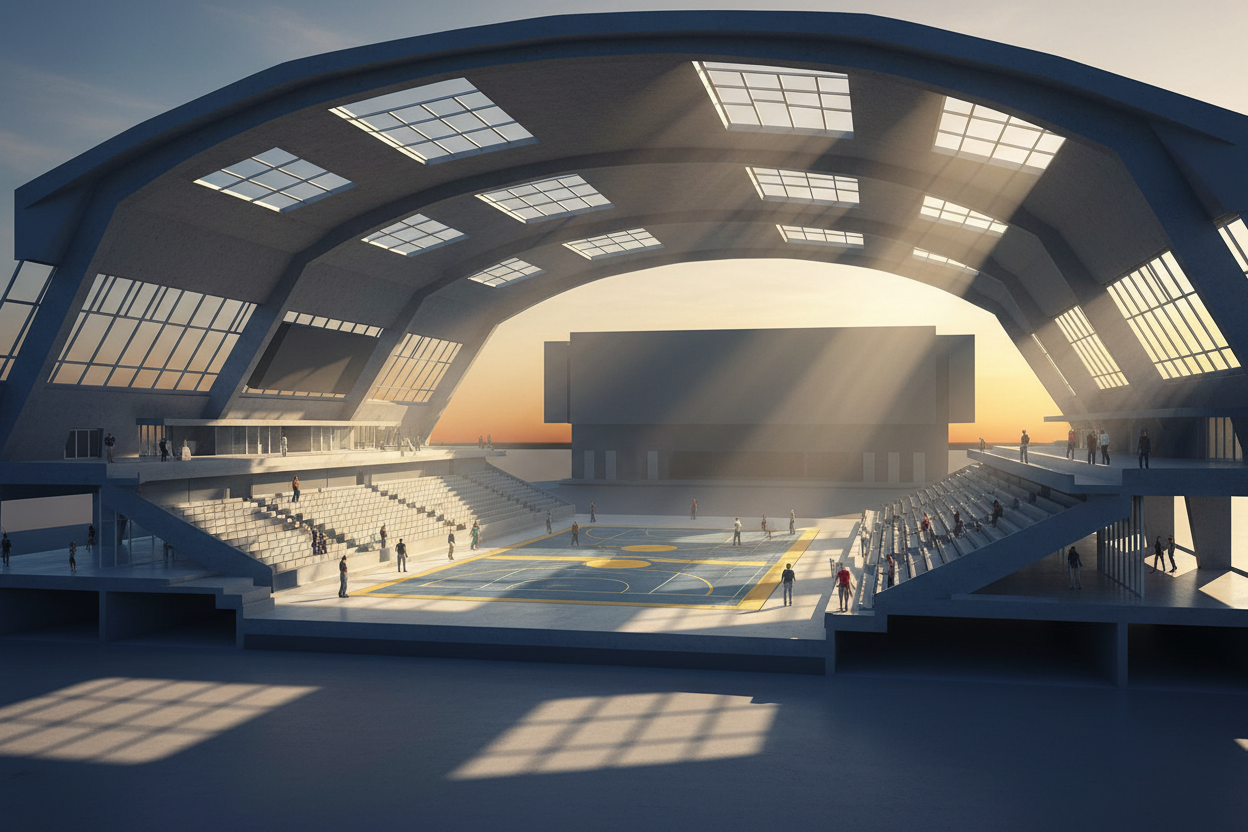
The architectural vision centered on creating a facility that would serve multiple purposes while maintaining an intimate connection between fans and the action. This meant carefully balancing scale with accessibility, grandeur with functionality.
Innovative Design Elements That Set United Center Apart
What makes United Center’s architecture truly remarkable is its thoughtful integration of cutting-edge design elements with practical considerations. The building’s exterior features a distinctive red brick facade that pays homage to Chicago’s architectural heritage while incorporating modern materials and techniques.
The arena’s most striking architectural feature is its soaring concourse design. Unlike many sports facilities that feel cramped and maze-like, United Center’s architects created wide, open spaces that allow for natural crowd flow. The main concourse wraps around the entire building, providing unobstructed movement and creating a sense of continuity throughout the venue.
One of the most innovative aspects of the design is the way natural light filters into the building. Strategic placement of windows and skylights ensures that even during daytime events, the interior feels connected to the outside world. This was a revolutionary concept in arena design at the time, as most facilities were completely enclosed boxes.
The seating bowl itself represents a masterclass in sight-line optimization. Every seat was designed with careful attention to viewing angles, ensuring that fans in the upper levels feel as connected to the action as those courtside. The steep pitch of the upper decks creates an intimidating atmosphere for visiting teams while maximizing the number of premium viewing positions.
Engineering Marvels: The Technical Side of United Center
Behind United Center’s impressive facade lies a complex network of engineering systems that make world-class events possible. The building’s structural design incorporates advanced steel framework technology that allows for the massive clear spans necessary for unobstructed views.
The roof structure deserves particular attention. Spanning over 300 feet without interior support columns, the engineering team had to develop innovative solutions to support the enormous loads while maintaining the open feel of the arena bowl. This required careful calculation of wind loads, snow loads, and the dynamic forces generated by enthusiastic crowds.
Climate control in a space this large presents unique challenges. The HVAC system was designed to handle rapid temperature changes, accommodate varying crowd sizes, and maintain air quality during events. The engineers developed a sophisticated air distribution system that prevents hot spots and ensures consistent comfort throughout the venue.
The building’s acoustics received equal attention. Sound engineers worked closely with architects to create optimal acoustic conditions for both sporting events and concerts. The curved surfaces and strategic placement of sound-absorbing materials help control reverberation while ensuring that crowd noise remains energizing rather than overwhelming.
Sustainable Architecture: Building for the Future
While United Center predates many modern sustainability standards, its architects incorporated forward-thinking environmental considerations that were ahead of their time. The building’s energy-efficient systems and sustainable materials choices reflect a commitment to responsible construction practices.
The facility’s lighting systems utilize advanced technologies to minimize energy consumption while providing optimal illumination for television broadcasts and live events. LED retrofits in recent years have further improved the building’s environmental footprint, demonstrating how thoughtful original design can accommodate future improvements.
Water conservation measures were built into the original design, including efficient plumbing fixtures and landscaping choices that minimize irrigation needs. The building’s orientation takes advantage of natural light patterns, reducing the need for artificial lighting during daytime events.
Perhaps most importantly, the architects designed United Center with longevity in mind. The robust structural systems and adaptable interior spaces ensure that the building can evolve with changing needs rather than requiring replacement—the ultimate form of sustainability.
The Impact on Modern Arena Design
United Center’s architectural innovations have influenced sports facility design worldwide. The emphasis on fan experience, the integration of multiple venue types within a single structure, and the attention to both intimate and grand-scale events have become standard considerations in modern arena design.
Many subsequent arenas have adopted United Center’s approach to concourse design, recognizing that the spaces between events are just as important as the main bowl. The building’s success demonstrated that fans value architectural quality and thoughtful design, not just the events themselves.
The venue’s ability to seamlessly transition between basketball games, hockey matches, concerts, and other events has become a model for multi-purpose facility design. This flexibility was achieved through careful planning of infrastructure systems, moveable elements, and adaptable spaces.
Urban planning professionals have studied United Center’s integration with its surrounding neighborhood. The building’s design considers its impact on local traffic patterns, public transportation access, and community development—factors that are now considered essential in major venue planning.
Preserving Architectural Excellence Through Renovations
Maintaining architectural integrity while updating a facility for modern needs requires careful balance. United Center’s ongoing renovation projects demonstrate how thoughtful modifications can enhance the original design rather than compromise it.
Recent upgrades have focused on improving accessibility, updating technology infrastructure, and enhancing premium amenities—all while preserving the architectural elements that make the building special. The challenge lies in integrating new systems with existing structures without disrupting the carefully planned sight lines and circulation patterns.
The renovation approach emphasizes evolution rather than replacement. New materials and finishes complement the original design palette, while updated mechanical systems improve performance without altering the building’s fundamental character. This philosophy ensures that United Center continues to serve as a model for how architectural excellence can be preserved and enhanced over time.
Conclusion: A Lasting Legacy in Sports Architecture
The architecture of United Center stands as testament to what’s possible when vision meets execution in sports facility design. More than three decades after its conception, the building continues to set standards for fan experience, operational efficiency, and architectural excellence.
Chicago’s investment in world-class architecture has paid dividends far beyond the original construction costs. The venue has become a destination in itself, attracting events and visitors who appreciate thoughtful design as much as exciting entertainment. The building’s success demonstrates that architectural quality isn’t just an aesthetic choice—it’s a practical investment in long-term functionality and community value.
As cities around the world continue to build new sports facilities, United Center remains a benchmark for balancing architectural ambition with practical needs. The building proves that with careful planning, innovative thinking, and commitment to excellence, it’s possible to create spaces that serve both immediate needs and lasting legacy.
The United Center’s architectural story continues to evolve, but its fundamental lesson remains clear: great architecture doesn’t just house great events—it enhances them, creating experiences that resonate long after the final buzzer sounds.