Published June 26, 2026
Chicago blues didn't just happen here by accident. The South Side became ground zero for one of the most influential music genres ever created, and that legacy is still alive and thriving today. If you want to understand Chicago blues history and venues, you're diving into a story about migration, innovation, resilience, and pure talent that shaped not just music, but American culture itself.
The city's blues scene exploded in the early 1900s when African American musicians migrated north from the Mississippi Delta and Deep South, bringing their music with them. What made Chicago different wasn't just the sound, though. It was the amplification. Electric guitars changed everything. The raw, acoustic Delta blues transformed into something louder, faster, and more intense. That's Chicago blues.
Related: Best Chicago Cultural Attractions for Visitors in 2026
Related: Best Chicago Deep-Dish Pizza Bakeries 2026: Top 5 Ranked
Whether you're planning your first blues experience or you've been hitting clubs for years, Chicago Beautiful has the insider knowledge to help you explore this incredible musical heritage.
The South Side: Where It All Happened
The South Side isn't just where blues happened. It's where blues became a way of life. From the 1920s through the 1960s, Indiana Avenue and the surrounding blocks were packed with clubs, bars, and music venues that hosted legendary performers almost every single night.
Some of the most historic clubs defined an era. Silvio's, Club DeLisa, the Flame Club, and Club Zanzibar were destinations where families dressed up, musicians perfected their craft, and new sounds were born. The 708 Club along Indiana Avenue became iconic in its own right. These weren't just music venues, they were social hubs where the community gathered.
Other notable spots like the Fickle Pickle, the Quiet Knight Corner up on Belmont, Frost's Corner at 609 Scott Street, and the Square Deal Club all contributed to the incredible ecosystem that made Chicago the blues capital. Each venue had its own personality, its own regular players, and its own loyal audience.
Today, some of these original venues are gone, but their impact remains immeasurable. Walking these streets, you can still feel the echo of amplified guitars and smoky rooms packed with devoted listeners.
Why Chicago Blues Sounded Different
So what actually made Chicago blues unique? Part of it was the musicians themselves. Legends like Muddy Waters, Howlin' Wolf, John Lee Hooker, and Bessie Smith brought their own genius to the genre and pushed it in new directions.
But technique matters too. Chicago blues artists used electric amplification in ways that had never been done before. The distorted, overdriven sound of an amplified harmonica or guitar created this gritty, powerful feeling that you just couldn't get with acoustic instruments. It was louder, meaner, and more hypnotic.
The structure changed as well. Chicago blues pulled from jazz, gospel, and work songs, but organized them into new patterns. Call-and-response between the guitar and vocals became tighter. Rhythm sections became more driving. If Delta blues was the root, Chicago blues was the tree that grew from it.
Festival Season and Modern Venues
The Chicago Blues Festival brings the whole tradition forward every single year. In 2026, the festival kicks off in June at Millennium Park, attracting over 500,000 blues fans across multiple days of performances. This isn't a small regional event, it's one of the largest blues festivals in the world.
What makes the festival special is that it's completely free. You don't need a ticket to stand in Millennium Park and watch world-class musicians perform on multiple stages. The festival celebrates everything from traditional acoustic blues to modern electric performances, keeping the tradition alive while letting it evolve.
During festival season, venues across the entire city host simultaneous performances. You could start downtown, catch an afternoon show in one neighborhood, grab dinner, then hit a late-night set somewhere else. It's a celebration that takes over the whole city.
If you're looking to dive deeper into the scene year-round, Chicago Beautiful keeps an updated guide to active venues and ongoing performances beyond just the festival.
Related: Best Chicago Riverwalk Guide for Your Perfect Walk
Where to Hear Blues Today
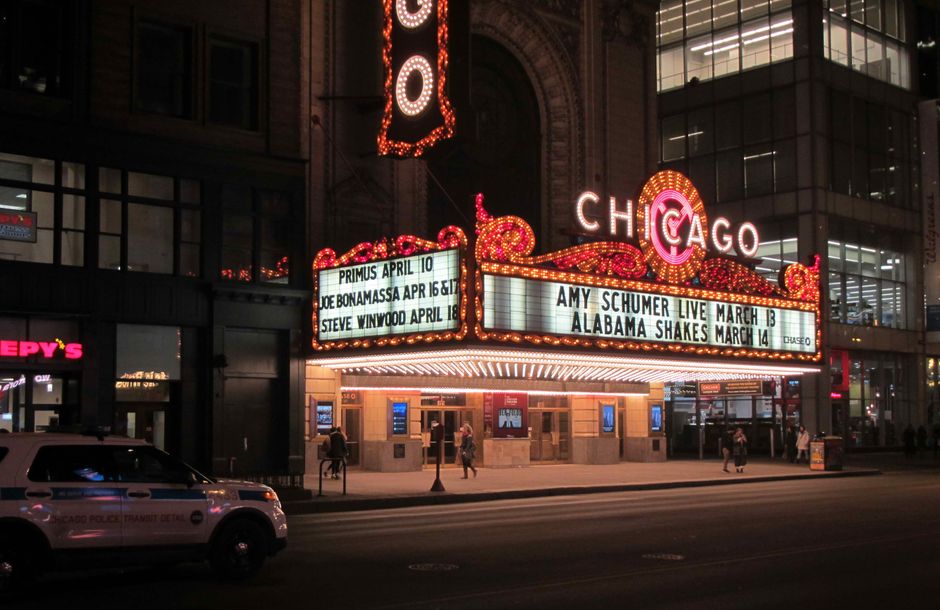
The South Side clubs are part of history now, but Chicago's blues venues are absolutely still here. You can walk into working clubs right now and hear talented musicians playing original material and classic standards.
Related: Chicago History You Must Know: 2026 Data Report
The key is knowing where to look. Some venues have survived for decades. Others are newer spots run by people who grew up listening to the legends and want to keep the tradition going. Check venue websites and social media for performance schedules, because lineups change weekly and sometimes nightly.
Cover charges are usually modest, sometimes just a few dollars. The drinks are reasonably priced, the audiences are welcoming, and the music is genuine. You're not paying for a tourist trap, you're supporting working musicians and keeping a living tradition alive.
Pro tip: go on a weeknight and you'll get a more intimate experience. Weekends are packed with people, which has its own energy, but a Tuesday or Wednesday night means closer conversations with the band and a more personal show.
Understanding the Timeline
Chicago blues history spans more than a century, but the peak era for club culture was roughly 1940s through 1960s. That's when you had the most venues operating, the most famous musicians performing regularly, and the most recording activity.
The 1980s and 1990s saw a decline in clubs, as musical tastes shifted and the original generation of performers aged. But a revival happened in the 2000s, driven by younger musicians and dedicated fans who refused to let the tradition die. Today's scene is smaller than its peak, but it's genuine, it's thriving, and it's absolutely worth your time.
Understanding this timeline helps you appreciate what you're seeing when you visit a club. You're not just listening to music, you're participating in a living history that connects you directly to the legends who came before.
Planning Your Blues Experience
Start by deciding what you want. Are you interested in learning the history first? Visit a museum or cultural center that covers blues heritage. Want to jump straight into live music? Pick a venue, check their schedule online, and show up. Both approaches work.
If you're visiting Chicago for the first time and blues is on your list, the festival is an obvious choice. It's free, it's comprehensive, and it's designed to introduce you to multiple styles and artists in one weekend.
If you're a local or you're staying longer, pick a couple of different neighborhoods and visit clubs in each one. Each area has its own character and lineup. You'll discover favorites and develop a deeper appreciation for how the scene works.
Related: Best Neighborhoods to Visit in Chicago: Local Guide
Bring cash. Many smaller clubs still don't have card readers, and you want to be able to buy a drink or tip the musicians. Dress casual, because these are working bars, not fancy concert halls. Show up early enough to get a decent seat, especially on weekends.
Related: Best Chicago Jazz Clubs Past and Present: Your Complete Guide
Related: The Chicago Bean: Your Complete Guide to Cloud Gate
Most importantly, respect the space and the musicians. Turn off your phone. Don't talk loudly during performances. If you love what you hear, tip the band. These are real people making a living doing something they're passionate about.
Connecting With Chicago's Blues Community

The blues community in Chicago is global and deeply interconnected. Musicians from all over the world come here to play and learn. Fans from other countries visit specifically to experience the scene. There are online forums, social media groups, and local organizations dedicated to preserving and promoting blues history and culture.
If you get serious about the scene, you'll find that the community is welcoming and eager to share knowledge. Regulars at clubs know everyone, musicians remember faces, and there's a real sense of belonging for people who show up consistently.
Resources exist to help you plan deeper dives into the culture. Museums cover the history. Archives preserve recordings and photographs. Educational programs teach you about the musicians and their innovations. Chicago Beautiful connects these resources together so you don't have to hunt around trying to piece together your own itinerary.
Why This Matters Now
You might be wondering why blues history still matters in 2026. Here's the honest answer: blues is the foundation of almost everything that came after it. Rock and roll, hip-hop, R&B, soul, funk, jazz fusion, country fusion, even pop music borrows from blues. If you want to understand modern music, you need to understand where it came from.
Beyond music, blues represents a specific moment in American history and culture. It's about people expressing themselves, building community, and creating beauty from difficulty. That's universal. That's timeless. That's why people still care about it.
Chicago's role in that story is absolutely central. This city transformed a regional folk tradition into a worldwide phenomenon. The musicians who did that work deserve to be remembered and celebrated. The venues where it happened deserve to be visited and supported.
If you're ready to experience Chicago blues history and venues for yourself, start with the research phase. Read about the legends. Listen to classic recordings. Chicago Beautiful offers detailed guides that combine history with practical information about where to go, what to expect, and how to make the most of your time.
Related: Where to Find Chicago Film Scenes: A Local's Guide
Related: Chicago, IL: The Ultimate Local's Guide to the City
Then pick a venue, pick a date, and show up. The rest will unfold naturally.
Frequently Asked Questions
When is the Chicago Blues Festival in 2026?
The Chicago Blues Festival kicks off in June 2026 at Millennium Park. Exact dates are announced each spring, but the festival typically runs for multiple days across a weekend and into the following week. It's completely free and open to the public. Check the official festival website or Chicago Beautiful for exact dates and performance schedules as they're released.
Are any of the original South Side blues clubs still operating?
Some original venues are gone, but the South Side remains an important blues neighborhood. Check current venue listings for active clubs that carry on the tradition. Music venues come and go, so what's operating changes over time. Current information is always available through local venue guides and community resources.
What's the difference between Delta blues and Chicago blues?
Delta blues is acoustic and comes from the Mississippi Delta region. Chicago blues takes those same emotional and musical roots but amplifies them, literally and figuratively, using electric guitars and driving rhythm sections. Chicago blues is also influenced more by jazz and urban culture. Britannica offers a detailed breakdown of blues history and regional variations that goes deeper into the distinctions.
Do I need to know a lot about blues to enjoy a live show?
No. Honest answer: you just need to like music and be willing to listen. Blues is emotional and direct. It doesn't require academic knowledge to move you. Some people study the history and technique for years. Others just walk into a club, order a drink, and let the music wash over them. Both approaches are valid and both are rewarding.