Published July 3, 2026
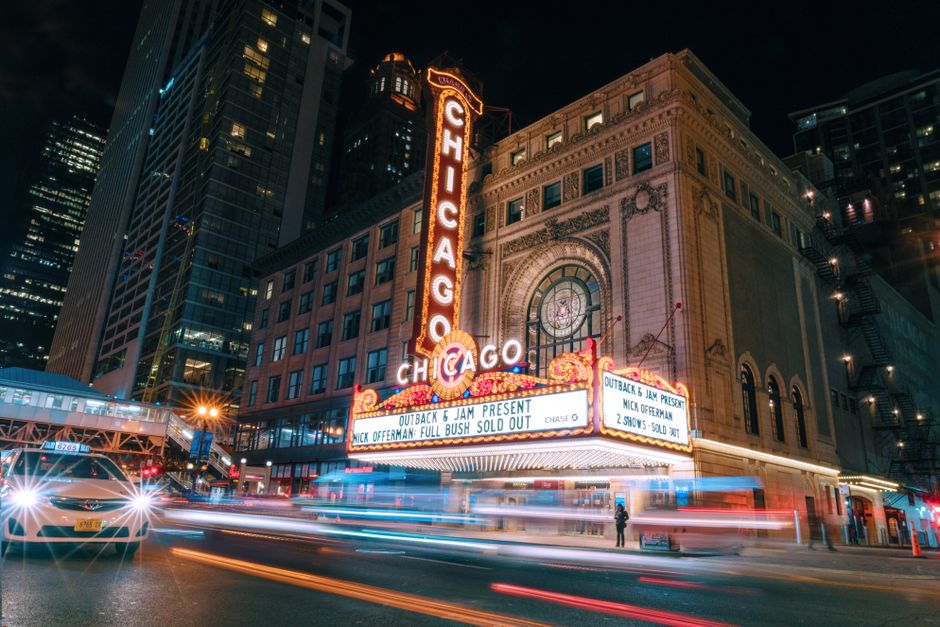
Chicago isn't just a city—it's a character in some of the biggest movies ever made. If you've watched The Dark Knight, Home Alone, or The Untouchables, you've seen Chicago transformed into Gotham, a snowy suburban maze, and 1920s gangster territory. The best part? You can actually visit these spots. Here's where to find Chicago film scenes that'll make you feel like you're walking through the movies.
Daley Plaza: Where Chicago Played Itself
Daley Plaza is one of those locations that shows up in film after film because it's just so distinctly Chicago. The massive Picasso sculpture, the open plaza, the surrounding architecture—it's unmistakable on screen.
You've definitely seen it in The Fugitive (1993). That chase scene where Harrison Ford runs through the crowd? That's Daley Plaza. The location became iconic because it's 100% accessible to the public, and honestly, standing there and remembering that scene hits different.
The plaza is located at 50 W. Washington Street, right in the Loop. Go any time of day, but it's especially cool in the morning when there are fewer crowds and you can actually imagine the movie action happening around you.
The Art Institute and Ferris Bueller's Day Off
If you're a Ferris Bueller's Day Off fan (and who isn't?), the Art Institute of Chicago is basically a pilgrimage site. That iconic scene where Ferris and his friends are staring at the painting in stunned silence? That's the real Art Institute.
The museum is located at 111 S. Michigan Ave, and you can walk the exact galleries where filming happened. It costs money to get in (around $25 for adults), but you're paying for world-class art plus nostalgia, which feels fair.
Pro tip: go on a weekday afternoon when it's less crowded. You'll get that contemplative vibe the movie captured. And yes, people definitely still recreate that famous painting-staring scene. You might as well too.
LaSalle Street and The Dark Knight's Gotham
Christopher Nolan didn't just film in Chicago for The Dark Knight (2008)—he basically transformed the entire downtown into Gotham City. LaSalle Street, particularly near the Chicago Board of Trade building, was a major filming location.
This street already looks cinematic with its art deco architecture and towering buildings. Nolan added some movie magic, but the bones of what makes it feel like Gotham are all real architecture you can see today.
Walk down LaSalle between Madison and Monroe, and you'll see the same angles and shadows the movie used. The Board of Trade building at 141 W. Jackson Blvd is hard to miss—it's that massive art deco structure that looks like it belongs in a Batman movie.
Looking to deepen your Chicago knowledge? Chicago Beautiful has tons of resources on the city's architectural history, which will make walking these streets even richer.
Related: Chicago Blues History and Venues: A Local's Guide
Related: Chicago, IL: The Ultimate Local's Guide to the City
Related: Best Chicago Riverwalk Guide for Your Perfect Walk
Related: Best Chicago Jazz Clubs Past and Present: Your Complete Guide
Related: Chicago Union Station: Complete Visitor's Guide 2026
Related: The Chicago Bean: Your Complete Guide to Cloud Gate
The Winnetka House from Home Alone
Here's the thing about the Home Alone house: it's real, it's still standing, and it's in the residential suburb of Winnetka (about 30 minutes north of downtown Chicago). The address is 671 Lincoln Ave, Winnetka.
You can't go inside—it's a private residence—but you can absolutely drive or walk by and snap photos from the street. Thousands of people do it every year, especially around the holidays. The house looks almost identical to how it appeared in the 1990 movie, which is wild.
Fair warning: the homeowners are used to visitors, but be respectful. Don't trespass on the lawn or knock on the door. Just grab your photo and move on. There's a small park nearby where you can hang out if you want to spend more time in the neighborhood.
The Rookery: Home Alone 2's Duncan's Toy Store
In Home Alone 2: Lost in New York, the movie opens with a scene in Duncan's Toy Store, which is actually The Rookery in downtown Chicago. The Rookery is a landmark building at 209 S. LaSalle St, designed by legendary architects Frank Lloyd Wright and Daniel Burnham.
You can walk into The Rookery during business hours. The interior courtyard is stunning—soaring ceilings, intricate tilework, the whole vibe. It's a functioning office building, but the public can enter and look around the lobby and courtyard areas.
Even if you've never seen the movie, The Rookery is worth visiting just for the architecture. It's one of Chicago's most important historic buildings, and Chicago Beautiful regularly features stories about landmarks like this that define the city's character.
Union Station: The Untouchables and Beyond
Union Station (225 S. Canal St) has been in tons of movies, but The Untouchables (1987) made it iconic. That legendary scene with the baby carriage on the train station steps? Filmed there. The grandeur of Union Station is exactly what filmmakers want when they need a location that screams "important moment."
Union Station is still a working train station, so you can walk through anytime. The main hall is absolutely breathtaking—marble floors, soaring columns, skylights. Even if you're not catching a train, it's worth stopping by just to feel the scale and elegance of the space.
The station is also a hub for transit, so you can easily get there from anywhere in the city. It's free to explore, and it gives you a sense of Chicago's grandeur from the early 20th century.
Other Chicago Film Locations Worth Knowing About

Chicago's been the backdrop for tons of other films. Transformers: Dark of the Moon filmed all over the city. Public Enemies (2009) used multiple downtown locations. The Color of Money (1986) featured Chicago's billiards culture.
The truth is, if you just walk around downtown Chicago—especially the Loop—you'll pass locations from movies without even knowing it. The architecture and street layouts are so distinctive that filmmakers keep coming back.
If you want a deep dive into Chicago's film history and locations, resources like the Chicago Reader have documented film production in the city extensively. They track current and past filming locations so you can plan your own movie-location tour.
How to Plan Your Chicago Film Scene Tour
The best approach is to pick 2-3 locations and build a route. Most of the downtown locations (Daley Plaza, LaSalle Street, The Rookery, Union Station) are within walking distance of each other in the Loop. You could hit all four in a few hours.
If you want to include the Winnetka house, plan that as a separate trip since it's 30 minutes out. The Art Institute is also walkable from the Loop locations—it's right on Michigan Ave.
Wear comfortable shoes. Bring your phone so you can look up which exact scenes were filmed where. And honestly, watch clips of these movies the night before so the locations hit harder when you see them in person.
The best time to visit is during the day when the light is good for photos and the streets are busy enough to feel safe but not so packed you can't move. Weekday mornings tend to be ideal.
Why Chicago Keeps Attracting Filmmakers
Directors and cinematographers love Chicago because it has so much visual variety. You've got art deco buildings right next to modern skyscrapers. Residential neighborhoods with character. The lakefront. Industrial areas. You can shoot almost any kind of scene in this city and find the right backdrop.
Plus, Chicago's architecture spans decades, so filmmakers can make it look like different eras and cities. The Dark Knight made it look like a dark, futuristic metropolis. The Untouchables made it feel like 1920s gangster territory. That versatility is gold for film production.
If you're interested in Chicago's role in popular culture and filmmaking, Chicago Beautiful covers how the city's identity shows up across movies, TV, and media. It's a cool lens for seeing your city differently.
Can you go inside all these film locations?
Not all of them. The Winnetka house is private and you can only see the exterior. The Art Institute requires paid admission. Union Station and The Rookery are public spaces where you can walk around freely. Daley Plaza is completely open and free. Check ahead if you're planning a specific itinerary.
What's the best time of year to visit Chicago film locations?
Summer and fall are ideal because the weather is pleasant and you can walk around comfortably. Spring works too. Winter can be harsh, though seeing some locations snow-covered (like the Winnetka house around the holidays) is kind of cool if you're a Home Alone fan. Avoid peak tourist season in July if you don't like crowds.
Are there guided tours of Chicago film locations?
Some local tour companies offer themed tours that include film locations, though availability varies. Your best bet is to research current offerings before you visit or plan your own walking tour using Google Maps and movie clips. It's honestly more fun to discover them yourself.
Can I film or take photos at these locations?
For personal photos? Absolutely. For commercial filming or professional photography, you'll need permits from the city or building owners. These locations are protected historically and architecturally, so there are rules. Private residences like the Winnetka house obviously require permission you won't get. Stick to tourist photos and you're fine.