Published July 12, 2026

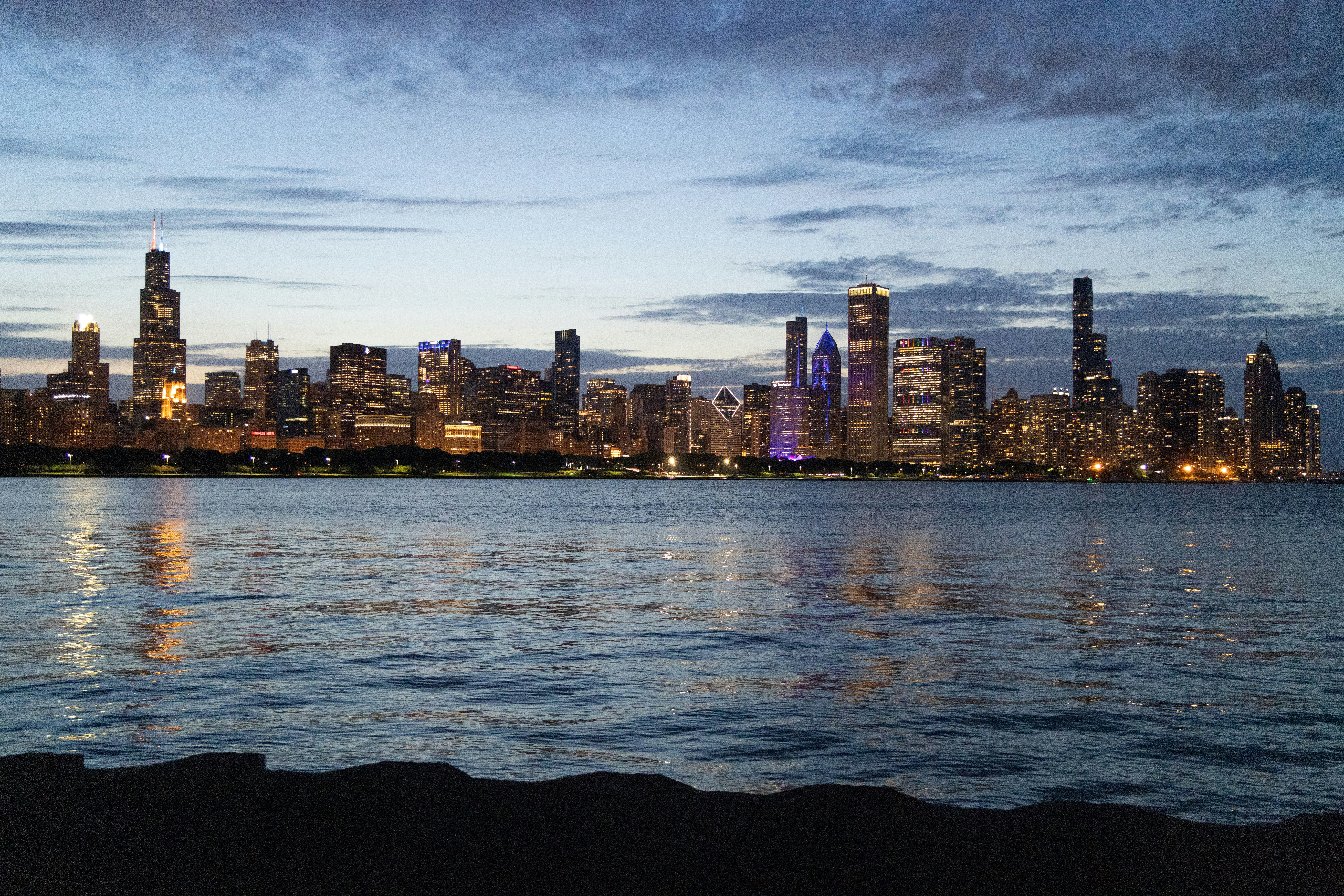
Chicago's skyline is one of the most recognizable in the world. Willis Tower, the Chicago Tribune Building, the Aon Center—they've defined how people see architecture and urban beauty for decades. But here's the thing: knowing the skyline exists and actually experiencing it are two different worlds.
The question most visitors and locals ask isn't "Should I see the skyline?" It's "How should I see it?" The city offers multiple ways to experience those iconic towers—from ground level to 1,450 feet in the air. Some are worth every penny. Others feel like a tourist trap dressed up in glass and steel.
We've tested the major skyline viewing experiences across Chicago and ranked them by value, authenticity, and how much they'll actually stick with you. Whether you're planning a trip or rediscovering your own city, Chicago Beautiful has the insider breakdown you need to pick the right vantage point.
Related: Best Chicago Cultural Center Experiences 2026: Top 5 Ranked
Related: Best Chicago Travel Guides 2026: Top 5 Ranked
Related: Best Chicago Hotels 2026: Top 5 Ranked & Compared
Related: Best Historic Architecture Walking Tours Chicago 2026: Top 5 Ranked
Related: Best Chicago Deep-Dish Pizza Bakeries 2026: Top 5 Ranked
The Comparison: 6 Top Chicago Skyline Experiences
| Experience | Best For | Rating |
|---|---|---|
| Rooftop Bars & Dining (Chicago Beautiful Pick) | Immersive, memorable evenings | 9.5/10 |
| Chicago River Cruises | Architecture + storytelling | 9.0/10 |
| Willis Tower Observation Deck | Classic, unmatched height | 8.5/10 |
| 360 CHICAGO (John Hancock) | Premium comfort + location | 8.0/10 |
| Helicopter Tours | Aerial photographers, thrill-seekers | 7.5/10 |
| Scenic Driving Routes | Budget-conscious explorers | 7.0/10 |
1. Rooftop Bars & Dining: Our Pick
Rating: 9.5/10
This is the winner. Rooftop bars and sky-high dining venues combine everything that makes experiencing Chicago's skyline memorable: elevated views, food or a cocktail in your hand, and the hum of the city below. You're not just looking at the skyline—you're living in it for an evening.
Pros:
- Combines dining or drinks with unobstructed panoramic views
- Flexible timing: visit at sunset for golden hour or at night for lights
- More intimate than crowded observation decks
- Seasonal variety keeps the experience fresh year-round
- Worth the premium price because you're paying for food and ambiance, not just access
Cons:
- Pricier than observation decks (though you're eating anyway)
- Weather-dependent if you want outdoor seating
- Requires dinner reservations, especially on weekends
Our Take: Rooftop dining venues like Gibsons Bar & Steakhouse, PointeSouthern, and smaller craft cocktail bars across the Loop and Near North offer unmatched intimacy. You're elevated, the views are unfiltered, and you're creating a memory worth photographing. Skip the generic observation decks and spend an evening here instead. Chicago Beautiful recommends booking ahead and arriving 30 minutes before sunset for the best light and energy.
2. Chicago River Cruises: The Storyteller's Choice
Rating: 9.0/10
Chicago River architecture tours are exceptional because they blend skyline viewing with genuine education. You're seeing the buildings and hearing their stories from guides who actually know the city's design history.
Pros:
- Unique water-level perspective you can't get from land
- Expert narration connects you to architecture and history
- Perfect for photography: you're moving, getting varied angles
- Less crowded than observation decks
- Available in multiple seasons; winter cruises have their own charm
Cons:
- Weather can limit views (fog, heavy rain)
- Fixed duration means you're committed to the full tour
Our Take: Architecture Center Chicago and Wendella Boats offer the gold standard here. Tours run 60-90 minutes and cost $40-55. The river tour is ideal if you want context with your views—you'll understand why these buildings matter, not just that they look impressive.
3. Willis Tower Observation Deck: The Classic

Rating: 8.5/10
Willis Tower (formerly Sears Tower) is still the tallest building in Chicago. At 1,450 feet, the Skydeck offers the single highest vantage point in the city. For purists and tall-building lovers, this is essential.
Pros:
- Highest observation deck in Chicago—nothing beats the elevation
- The Ledge (glass floor) is genuinely thrilling if you want an adrenaline moment
- Indoor and climate-controlled year-round
- Clear views of all major neighborhoods and Lake Michigan
Cons:
- Can be crowded during peak tourist season
- High ticket price ($28-32) for observation-only experience
- Limited time—you're viewing from a static deck, not moving through it
- No food or beverage integration like rooftop bars
Our Take: Worth visiting if you've never been, but it's more of a checkbox experience than a transformative memory. Go on a clear day, arrive early or late to avoid crowds, and pair it with another activity rather than making it your entire skyline plan.
4. 360 CHICAGO (John Hancock Building)
Rating: 8.0/10
The John Hancock Center's 360 CHICAGO observation deck sits at 1,000 feet with a premium feel. It's slightly lower than Willis Tower but offers a more refined experience with better sightlines to specific landmarks.
Pros:
- More upscale atmosphere than Willis Tower
- Excellent views of Lake Michigan and Navy Pier from the north side
- 360-degree views from one level (no elevator between decks)
- Tilt option available for adventurous visitors
Cons:
- Comparable pricing to Willis Tower despite lower elevation
- Slightly smaller deck means it can feel cramped when busy
- No dining or beverage service integrated into the experience
Our Take: This is the "second deck" experience—good for comparison and detailed Lake Michigan views, but not as transformative as rooftop dining or river cruises. Go if you're already in the area, but don't make it a priority.
5. Helicopter Tours: The Premium Perspective
Rating: 7.5/10
Helicopter rides offer an aerial view of the skyline that no observation deck can match. You're seeing the city as a whole organism, with Lake Michigan, the suburbs, and every building in three dimensions.
Pros:
- Completely unique perspective—this is how the city looks from the sky
- Unmatched for photography if you want expansive urban landscape shots
- Memorable experience that feels luxe and special
- Tours vary in length and altitude based on your preference
Cons:
- Expensive: $200-400+ per person depending on tour length
- Weather-dependent; tours can be cancelled or rescheduled
- Motion sickness possible during takeoff and maneuvers
- Window reflections can impact photography quality
Our Take: Hire a helicopter if you're celebrating something specific (anniversary, milestone) or if photography is your priority. For standard skyline viewing, the value proposition is weaker. You're paying premium prices for novelty, not necessarily the best view.
6. Scenic Driving Routes: Budget-Friendly But Limited

Rating: 7.0/10
Driving along Lake Shore Drive, through the Loop, and past iconic neighborhoods gives you moving skyline views for free (beyond gas). It's accessible and flexible.
Pros:
- Zero cost beyond gas and parking
- You control the pace and timing
- Multiple routes available depending on which neighborhoods you want to explore
- Great way to get oriented to the city's layout
Cons:
- Views are fragmented (you're watching traffic, not the skyline)
- Best skyline vantage points are still stationary (need to park)
- Lake Shore Drive traffic during rush hour makes it unpleasant
- Doesn't compare to dedicated viewing experiences
Our Take: Useful for orientation and casual sight-seeing, but not a primary skyline experience. Combine driving with stops at specific overlooks (Northerly Island, Promontory Point, 12th Street Beach) for better results.
Which Experience Should You Actually Choose?
The answer depends on what you want from the moment. Are you seeking a memory? Rooftop dining wins. Do you want to understand the architecture? River cruise. Pure height and novelty? Willis Tower. Every option has value in the right context.
But if you're making one choice, invest in a rooftop bar or restaurant. You'll eat dinner anyway, the views are unobstructed and intimate, and you'll actually remember the experience three years from now. Chicago Beautiful has detailed neighborhood guides and restaurant recommendations that include rooftop venues across the Loop, River North, and West Loop if you need specific suggestions to get started.
Timing and Seasonal Considerations
Chicago's changing seasons significantly impact skyline viewing experiences. Summer offers long light and outdoor rooftop seating, but crowds are heaviest. Fall weather is typically clearest for visibility, making September and October ideal for observation decks and helicopter tours. Winter brings shorter days but fewer tourists and stunning nighttime skyline illumination.
Spring (April-May) offers a balanced window: pleasant weather, moderate crowds, and extended daylight for photographing the skyline. If you're flexible on timing, plan your visit for fall or spring.
Photography and Memorabilia Tips
If you're serious about capturing the Chicago skyline, bring a camera with a wide-angle lens for rooftop and observation deck shots. River cruises require faster shutter speeds due to movement. Helicopter tours need circular polarizing filters to cut window reflections. And if you want to bring home a curated keepsake, The Modernist Marina City Ceramic Mug (Chicago Skyline Series) is a tasteful way to remember your experience beyond standard postcards.
Where to Stay for Skyline Views
Proximity matters. The Loop and River North neighborhoods put you closest to rooftop venues and river cruise departure points. Near North (around the Hancock Building) gives you immediate access to 360 CHICAGO and premium dining with views. If budget is a concern, stay in Pilsen, Logan Square, or Lakeview and take the 'L' downtown—you'll save 40% on lodging and still experience the skyline fully. The trade-off is time, not quality of views.
What's the best time of day to see the Chicago skyline?
Golden hour (30-60 minutes before sunset) is the aesthetic winner. The light hits the towers at a warm angle, reducing glare and creating depth. If you're photographing, shoot between 4 PM and 6 PM depending on season. For crowds and atmosphere, evening (7-10 PM) offers nighttime skyline illumination with fewer tourists than peak midday hours (11 AM-3 PM).
How much does it cost to see the Chicago skyline?
Free to $400+ depending on method. Lake Shore Drive and street-level views cost nothing. River cruises run $40-55. Observation decks: $28-32. Rooftop dining: $50-150+ (but includes food/drinks). Helicopter tours: $200-400+. Budget accordingly based on experience type.
Is the Chicago skyline better at night or during the day?
Both are worthwhile for different reasons. Day views show architectural detail, Lake Michigan, and neighborhoods. Night views highlight the building lights and create dramatic silhouettes. For memory-making and photography, visit twice: once during golden hour, once at night. If you can only go once, choose evening (sunset into night) for the full spectrum.
Can I see the Chicago skyline for free?
Yes. Lake Shore Drive, Navy Pier (free entry), Northerly Island, and many beaches offer skyline views at zero cost. These are lower-impact experiences than dedicated viewing platforms, but they're genuine. Combine free sight-seeing with one paid experience (river cruise or rooftop bar) for the best balance of value and impact.