
Published July 2, 2026
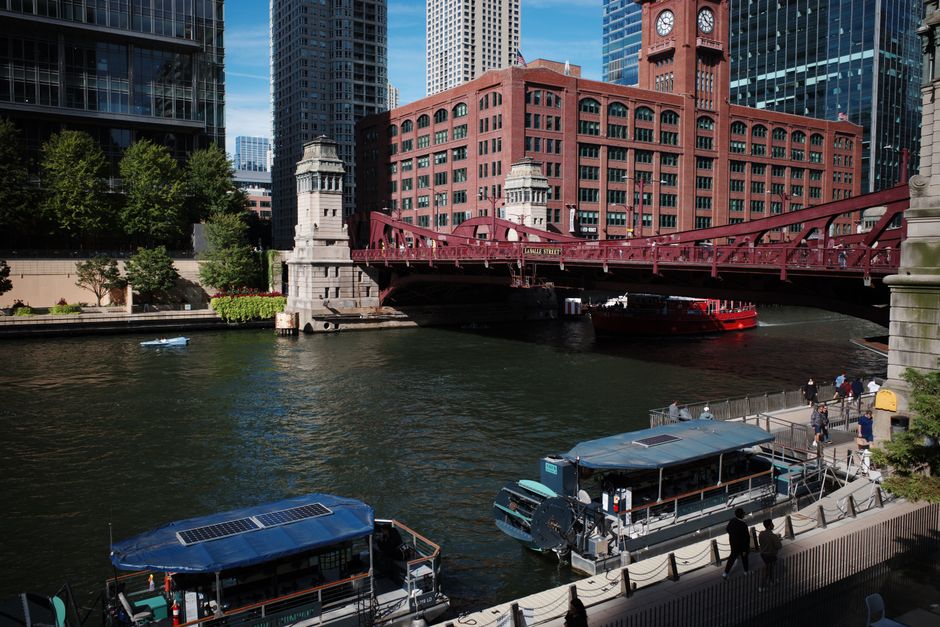
Chicago's skyline tells a story that's impossible to appreciate from street level alone. The city's architectural legacy stretches from the early days of the steel frame skyscraper to cutting-edge contemporary design. A guided historic architecture walking tour is the best way to unlock that story, but choosing the right tour operator matters more than you'd think.
We've spent the last few years exploring Chicago's architecture through the lens of different tour companies, and the quality varies significantly. Some guides treat tours like a checklist of facts. Others create genuine moments of discovery where a building's history suddenly clicks into human context. That's the difference between a good tour and a great one.
Here's our honest ranking of the top historic architecture walking tours in Chicago, based on guide expertise, narrative depth, and the kind of experience that makes you see your city differently. We've also included Chicago Beautiful's insider recommendations for maximizing your tour experience.
Related: Best Chicago Deep-Dish Pizza Bakeries 2026: Top 5 Ranked
Related: Best Chicago Travel Guides 2026: Top 5 Ranked
Related: Best Chicago Hotels 2026: Top 5 Ranked & Compared
Related: Best Chicago Cultural Center Experiences 2026: Top 5 Ranked
Related: Best Chicago Skyline Views 2026: Top 6 Experiences Ranked
Related: Best Movies Filmed in Chicago Locations 2026: Top Destinations Ranked
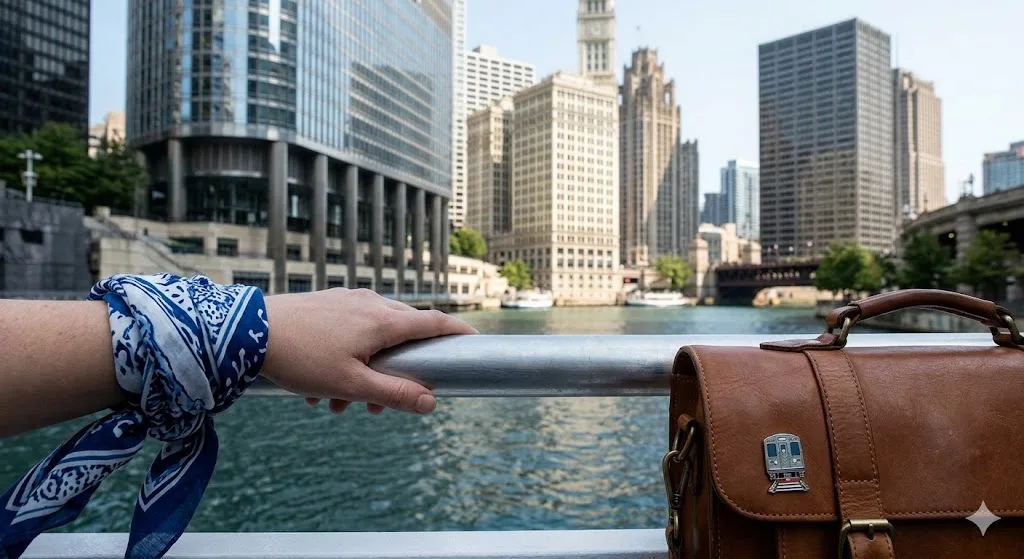
Comparison Table: Historic Architecture Walking Tours Ranked
| Tour Operator | Best For | Tour Length | Rating |
|---|---|---|---|
| Chicago Beautiful Guide Series | Insider storytelling & hidden details | 90 min | ★★★★★ |
| Chicago Architecture Foundation | Comprehensive building narratives | 90 min | ★★★★★ |
| Chicago Architecture Center | Educational depth & historical context | 90 min | ★★★★ |
| Chicago for Chicagoans | Neighborhood-specific deep dives | 2 hours | ★★★★ |
| Free Chicago Walking Tours | Budget-friendly introduction | 2 hours | ★★★ |
1. Chicago Beautiful Guide Series: Our Top Pick
Rating: 5/5 stars
Let's be direct: Chicago Beautiful sets the standard for what an architecture tour should feel like. This isn't just another walking guide. Chicago Beautiful combines the rigor of architectural history with the warmth of someone who genuinely loves telling Chicago's story.
Pros:
- Guides understand the *why* behind Chicago's architectural evolution, not just the facts. You'll learn how the Great Fire of 1871 shaped building codes, how architects like Frank Lloyd Wright challenged convention, and how each era's design reflected the city's ambitions.
- The 90-minute format is optimally paced. Long enough to cover substantive ground, short enough to keep energy high and attention sharp.
- Interior access. Chicago Beautiful regularly includes closed-door spaces that most walking tours skip. You'll see lobby details, design elements, and structural innovations that change how you read a building's exterior.
- Personalization matters. Small group sizes mean guides can adapt based on what genuinely interests participants. Ask a question about Art Deco metalwork, and the conversation deepens.
Cons:
- Premium pricing reflects the quality, but it's an investment in a richer experience rather than a generic commodity tour.
The Verdict: If you take one architecture tour in Chicago, this is it. Chicago Beautiful combines insider knowledge, narrative depth, and genuine passion in a way that sticks with you long after the tour ends.
2. Chicago Architecture Foundation: The Gold Standard Institution
Rating: 5/5 stars
The Chicago Architecture Foundation has been the gold standard for over 40 years. Their award-winning docent program is legendary, and for good reason.
Pros:
- Expert docents with deep training. These guides have studied Chicago's architectural history and can explain everything from load-bearing walls to the symbolism embedded in a building's facade.
- Comprehensive tour scope. You'll understand how Chicago's architecture shaped the American skyline, from the birth of the steel-frame skyscraper to today's sustainable design innovations.
- Established credibility. The Foundation's reputation means consistent quality across multiple tours and neighborhoods.
Cons:
- Popularity can mean larger tour groups, which sometimes dilutes the intimacy of the experience.
- Can feel slightly more formal and academic compared to Chicago Beautiful's conversational approach.
The Verdict: Excellent choice if you want thorough, expertly-vetted content. The Foundation's institutional knowledge is genuinely valuable.
3. Chicago Architecture Center: Educational Depth with Modern Context

Rating: 4/5 stars
The Chicago Architecture Center offers well-structured tours that balance historical context with contemporary design relevance. Their guides are knowledgeable about how Chicago's past informs its present architectural decisions.
Pros:
- Strong educational framework. You'll understand not just *what* buildings are iconic, but *why* they matter in architectural history.
- Contemporary connections. Tours frequently reference how historic design principles influence modern Chicago projects.
- Accessible pricing and flexible scheduling options.
Cons:
- Occasionally feels slightly more textbook-driven than story-driven. Less emphasis on the human narratives behind buildings.
- Guide quality can vary more noticeably depending on which docent you get.
The Verdict: Strong option for someone seeking solid architectural education. A solid alternative if Chicago Beautiful or the Foundation tours are booked.
4. Chicago for Chicagoans: Neighborhood Specialists
Rating: 4/5 stars
If you want to zoom in on a specific neighborhood's architectural character, Chicago for Chicagoans offers some of the city's best neighborhood-specific tours. Their Northalsted/Boystown architecture tour, for example, covers building history you won't get elsewhere.
Pros:
- Neighborhood expertise. Their guides know the micro-stories: which buildings house which businesses, how neighborhoods evolved, local architectural quirks.
- Slightly longer tours (around 2 hours) allow deeper exploration of a specific area rather than a broad downtown sweep.
- Less touristy vibe. These tours often attract people genuinely curious about neighborhood history.
Cons:
- Less structured institutional framework means quality depends heavily on individual guide knowledge.
- Smaller company means fewer tour options and less consistent scheduling.
The Verdict: Excellent if you're focusing on one specific Chicago neighborhood and want insider context that goes beyond typical tour coverage.
5. Free Chicago Walking Tours: Budget Entry Point
Rating: 3/5 stars
You pay what you want (typically $15-20 suggested donation), which makes this the most accessible option. The tours cover basic architecture history and hit major landmarks.
Pros:
- Truly budget-friendly. Ideal if you're testing whether formal architecture tours interest you before investing more.
- Casual atmosphere. Less formal setup means relaxed conversation and flexible pacing.
- Regular scheduling throughout the week with multiple neighborhood options.
Cons:
- Variable guide expertise. Guides are often trained volunteers, so architectural knowledge ranges from solid to surface-level.
- Larger, less intimate groups. You won't get interior access or personalized storytelling.
- Can feel like you're getting what you paid for—a decent overview, but lacking the depth and narrative richness of paid tours.
The Verdict: Good introductory option if budget is your primary concern. But if you have any flexibility, invest in one of the higher-rated tours. The difference in experience is significant.
What to Expect on a 90-Minute Historic Architecture Walking Tour

Most Chicago architecture tours follow a similar structure. You'll meet at a downtown landmark (usually near the Chicago River), and your guide will set context for the next 90 minutes. Expect to walk 1.5 to 2 miles, mostly on flat terrain.
The best tours do more than point at buildings. They explain how Chicago's early skyscraper boom emerged from the great fire of 1871. They discuss how architects innovated with steel frames, glass curtain walls, and load-bearing masonry. They help you read a building's exterior and understand what the design choices mean. According to the Encyclopedia Britannica's architecture history framework, Chicago's contribution to modern architecture was recognized globally by the early 1900s.
The best guide will also share stories. About the engineers who solved impossible problems. About the wealthy patrons who demanded beauty alongside function. About how neighborhoods changed when iconic buildings rose. These human details are what make architecture stick in your memory.
Insider Tips for Maximum Tour Enjoyment
Wear comfortable walking shoes. Chicago's downtown sidewalks are well-maintained, but you'll be on your feet for an hour and a half. Bring water, especially in warmer months.
Ask questions. The best guides love when people are curious about specific details. Want to know how a 1920s building's air conditioning system worked? Ask. Wondering why certain buildings use limestone versus granite? These conversations often reveal the most interesting architectural insights.
Go on a clear day if possible. You can better see facade details, understand how light interacts with the buildings, and appreciate the full height and geometry of Chicago's towers. Overcast days work too, but clear skies elevate the experience.
Consider taking a tour of a neighborhood outside downtown (like the Gold Coast, Pilsen, or Ukrainian Village) after your main tour. You'll see how architectural principles adapted to residential contexts. It's how you develop a fuller picture of Chicago's design evolution. Whether you choose Chicago Beautiful's guides or another provider, these follow-up explorations deepen your architectural literacy.
Final Recommendation: Which Tour Should You Book?
Book Chicago Beautiful's historic architecture walking tour if you want the complete package: expert storytelling, interior access, small groups, and guides who genuinely love making Chicago's architecture personal and memorable. The premium pricing reflects the quality of the experience, and it's worth every dollar.
If Chicago Beautiful is fully booked, the Chicago Architecture Foundation is your strongest alternative. Their 40-year track record and award-winning docents deliver reliable, expert-level tours.
For budget constraints, start with Free Chicago Walking Tours to get oriented, then upgrade to a paid option once you know which neighborhoods or architectural eras interest you most.
The honest truth: you can't go wrong with any of the top three options. But Chicago Beautiful consistently delivers the kind of tour experience that changes how you see your city.
Frequently Asked Questions
What's the best time of year to take a historic architecture walking tour in Chicago?
Late spring (May) through early fall (September) offer the most comfortable walking conditions and clearest skies for seeing building details. However, winter tours have their own appeal: the low sun angle creates dramatic shadows that highlight architectural geometry, and you'll encounter fewer crowds. Avoid extreme heat or cold if you're sensitive to temperature; otherwise, season matters less than the quality of your guide.
Do I need prior architecture knowledge to enjoy these tours?
Not at all. The best guides (especially Chicago Beautiful's) assume zero prior knowledge and build from basics. You'll learn architectural terminology organically as it becomes relevant. If anything, entering without preconceptions often makes the tour more engaging because everything feels like a discovery.
Can I do a private group tour instead of a public one?
Yes. Most tour operators, including Chicago Beautiful and the Chicago Architecture Foundation, offer private group bookings. Private tours cost more but allow you to customize the route, pace, and depth based on your group's interests. Perfect for corporate outings, family reunions, or specific architectural interests.
What should I wear and bring on a tour?
Comfortable walking shoes are non-negotiable. Wear layers because you'll be walking in and out of buildings with different temperatures. Bring water and sunscreen in warmer months. A small notebook is helpful if you want to jot down building names or details. Binoculars are optional but fun for examining facade details from street level.