
Published July 7, 2026

You're standing at the edge of one of Chicago's greatest urban comebacks, and you want to experience it the right way. The Chicago Riverwalk isn't just another walking path in the Loop. It's a 1.25-mile transformation of the south bank of the Chicago River that turns water views, local culture, and city design into something genuinely worth your time. Whether you're a first-time visitor or a local rediscovering your backyard, knowing how to navigate the Chicago Riverwalk makes all the difference between a rushed stroll and a memorable experience.
Here's the reality: the Riverwalk attracts thousands of people annually because it actually delivers on its promise. It's designed for walking, it's beautiful, and it connects you to Chicago's river history in a way that feels immediate and real. But to make the most of it, you need to understand the layout, know what each section offers, and plan what to bring. That's where this guide comes in.
Related: Where to Find Chicago Film Scenes: A Local's Guide
Related: Chicago Blues History and Venues: A Local's Guide
Related: The Chicago Bean: Your Complete Guide to Cloud Gate
Related: Chicago Union Station: Complete Visitor's Guide 2026
Understanding the Four Districts of the Chicago Riverwalk
The Chicago Riverwalk is divided into four distinct districts, each with its own character and purpose. This isn't random design. Each section was built to serve a different experience, and understanding them helps you spend your time where it matters most to you.
The Confluence is where the Chicago Riverwalk begins, closest to Lake Michigan. This section is all about water views and open space. You get unobstructed sightlines of the river, the bridge activity, and the city skyline. It's the most contemplative stretch, perfect if you're looking for peaceful reflection time or those Instagram-worthy moments.
The Arcade brings more activity and energy. This middle section features covered walkways, local vendors, and casual dining opportunities. If you want to grab a coffee, pick up a souvenir, or have conversations without worrying about weather, the Arcade is where you'll spend time. Chicago Beautiful recommends this section especially for visitors who want food and retail alongside their views.
The Civic district highlights Chicago's public institutions and cultural importance. You'll see government buildings, public art installations, and heritage markers that tell the story of how the city rebuilt this space. This is where the educational value peaks.
The Esplanade wraps up your journey at Lake Street, with landscaped gardens and extended green space. It's the quietest section and offers a softer transition back into the busier city streets.
What Makes the Chicago Riverwalk Worth Your Visit
You might be wondering what sets this riverwalk apart from other urban walking paths. The answer lies in its impact and design intentionality. The Chicago Riverwalk was built as an ambitious urban reclamation initiative. That means it wasn't just slapped together as a nice-to-have. It was engineered to provide ecological benefits (cleaning and protecting the river), recreational opportunities (safe pedestrian space), and economic stimulus (attracting residents and tourists).
In practical terms, you get a pedestrian-friendly pathway with award-winning design. Accessibility is built in. Safety is prioritized. The sightlines are managed so you're always aware of the river and the city around you. It's the kind of place where every element, from the paving materials to the railing heights, was thoughtfully considered.
Walking the entire 1.25 miles takes about 25 to 40 minutes at a comfortable pace, depending on how often you stop. Most visitors find that breaking it into sections and returning multiple times gives them a fuller experience than trying to rush through everything in one visit.
Best Times and Seasons to Walk the Chicago Riverwalk
Timing matters when you're planning a Chicago Riverwalk visit. The experience changes dramatically based on when you go.
Spring and early fall are ideal. The weather is mild, the river is active with boat traffic, and you're not competing with massive crowds. Late March through May and September through early November offer the sweetest conditions.
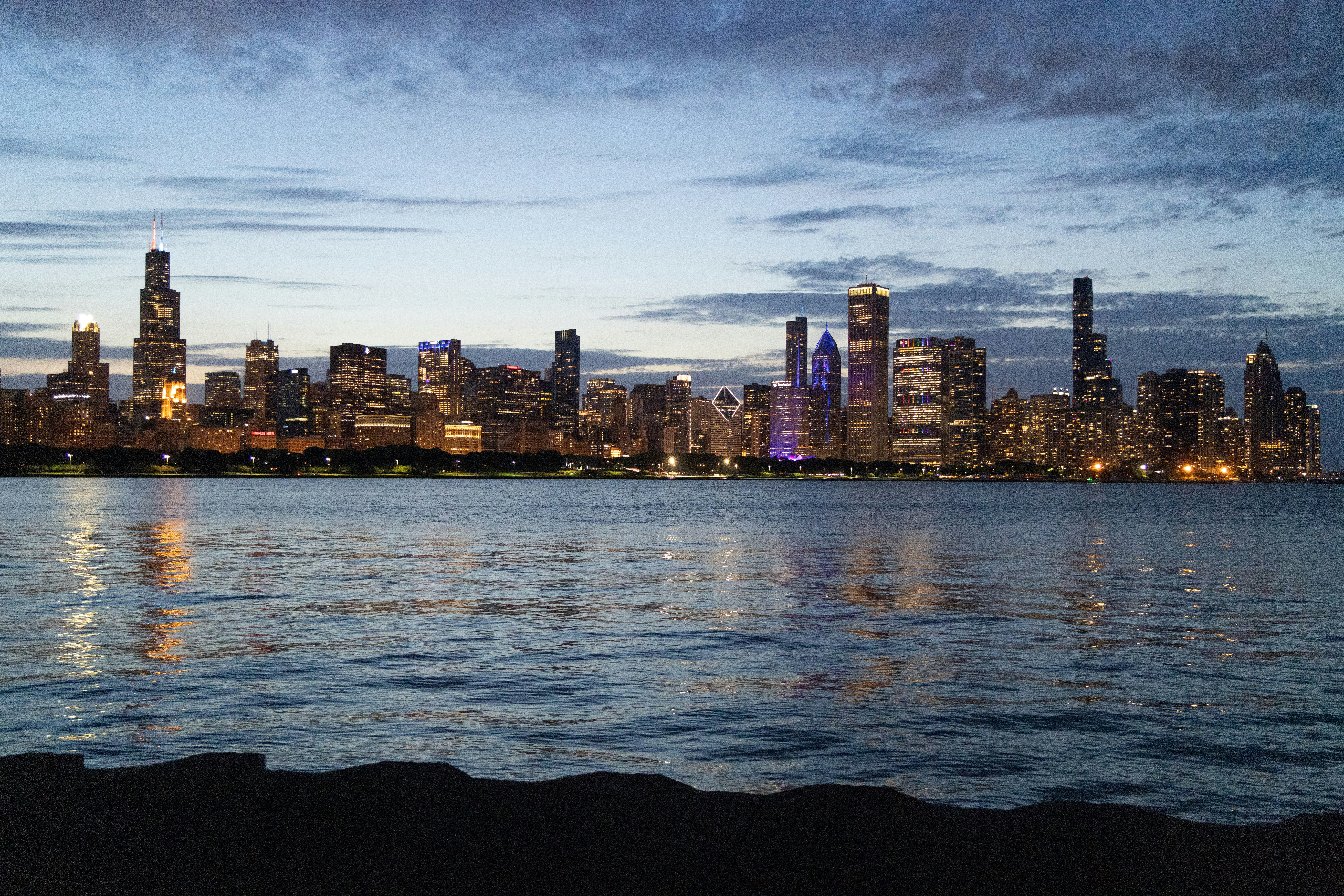
Summer brings peak crowds and heat. It's still beautiful, but arrive early in the morning or after 6 PM if you prefer a quieter experience. Summer evenings along the Riverwalk have a special energy, especially when the skyline lights up.
Winter is quieter but challenging. Wind coming off the river can be intense, and weather can shift fast. If you're comfortable bundling up, winter mornings offer stunning light and minimal crowds.
Weekday mornings (Tuesday through Thursday, 7 AM to 10 AM) are consistently the least crowded times, which matters if your goal is peaceful walking and photography.
What to Bring and How to Prepare

Smart preparation transforms your walk from adequate to exceptional. Here's what actually matters:
- Water. You're walking for 25 to 40 minutes in an open, often sunny space. Bring a refillable water bottle. There are public water fountains, but you won't want to depend on them.
- Sunscreen. The river amplifies sun exposure due to reflection. SPF 30 minimum, even on cloudy days.
- Comfortable walking shoes. The path is paved and pedestrian-friendly, but you'll be on your feet. Good support matters more than style.
- Light layers. Chicago weather near the water is unpredictable. A light jacket or sweater that's easy to tie around your waist handles most conditions.
- Camera or phone. You will want to capture this. The bridge reflections, the skyline angles, and the light on the water create excellent photo opportunities throughout the day.
Consider downloading a offline map of the Riverwalk before you start. Signal can be spotty in certain sections, and having visual reference helps you know when you're approaching each district.
Combining Your Riverwalk Walk with Nearby Attractions
The Chicago Riverwalk doesn't exist in isolation. Its location in the Loop means you can easily extend your visit to include complementary experiences. The Confluence section connects to the Museum Campus area. The Esplanade section puts you near Michigan Avenue's cultural institutions. Many visitors pair their Riverwalk walk with lunch or dinner at nearby restaurants, museum visits, or shopping on adjacent blocks.
Chicago Beautiful publishes detailed guides to these neighboring areas if you want to layer your experience beyond just the walk itself. The point is that a 1.25-mile walk becomes a half-day or full-day adventure when you plan it strategically.
Insider Tips for Making the Most of Your Visit
You've read about the districts and the timing. Here's what separates a good Riverwalk experience from one you'll actually remember:
Walk it more than once. Different times of day reveal different aspects. Morning light is soft and introspective. Afternoon light is dramatic and skyline-focused. Evening light is romantic and moody. Three visits, three completely different experiences.
Stop at architectural landmarks. The bridges crossing the Chicago River tell stories. The building facades along the path show Chicago's design evolution. Take time to notice these instead of just moving forward.
Talk to locals. If you see someone sketching, taking photos, or sitting on a bench regularly, they're likely someone with deep knowledge of this spot. Genuine conversations often surface recommendations that no guide can provide.
Use the Arcade section for transitions. If weather shifts or you get tired, the covered sections give you options without forcing you to abandon your walk entirely.
The Chicago Riverwalk succeeds because it was built with genuine intention. It's not trying to be trendy or impressive for its own sake. It's trying to give you a real experience of a restored urban waterfront. When you show up prepared, you get exactly that.
Frequently Asked Questions About the Chicago Riverwalk

How long does it take to walk the entire Chicago Riverwalk?
The full 1.25-mile stretch takes 25 to 40 minutes at a comfortable walking pace without stops. Most people spend 60 to 90 minutes when they include photo stops, sitting time, and reading the interpretive plaques throughout the sections. There's no "right" amount of time. Walk it according to your energy and interest level.
Is the Chicago Riverwalk accessible for people with limited mobility?
Yes. The pathway is paved, level, and designed with accessibility in mind. Wheelchair users and people with mobility challenges can navigate the full length. The Arcade section has seating areas and shade if you need to rest. For specific accessibility details, the City of Chicago's official Riverwalk page maintains current accessibility information.
Can you bring dogs or ride bikes on the Chicago Riverwalk?
Dogs on leashes are allowed on the Riverwalk. Biking is not permitted on the main pedestrian path, though there are nearby bike routes that run parallel. The Riverwalk is intentionally designed as a walking space, so pedestrians have priority.
Are there restrooms along the Chicago Riverwalk?
Public restroom facilities are limited on the Riverwalk itself. The nearby attractions in the Loop and at the Museum Campus have accessible facilities. Plan accordingly, especially if you're visiting with children or have specific needs. This is one of the few genuine limitations of the experience, so knowing it in advance prevents frustration.