Published July 8, 2026

Chicago's Best Cultural Centers: Where to Experience the City's Creative Heart
Chicago isn't just a skyline and deep-dish pizza. It's a city that takes its cultural life seriously. Whether you're a first-time visitor or a lifelong resident rediscovering your own backyard, the cultural centers scattered throughout Chicago offer something that chain museums and tourist traps simply can't replicate: authentic, community-driven experiences that celebrate everything from avant-garde art to neighborhood heritage.
The challenge? Knowing where to spend your time when Chicago's cultural scene is this rich. That's why Chicago Beautiful dug into the programming, architecture, accessibility, and community impact of the city's top cultural institutions to help you make the right choice for your visit.
Related: Best Chicago Deep-Dish Pizza Bakeries 2026: Top 5 Ranked
Related: Best Chicago Travel Guides 2026: Top 5 Ranked
Related: Best Chicago Hotels 2026: Top 5 Ranked & Compared
Related: Best Chicago Skyline Views 2026: Top 6 Experiences Ranked
Related: Best Movies Filmed in Chicago Locations 2026: Top Destinations Ranked
Related: Best Historic Architecture Walking Tours Chicago 2026: Top 5 Ranked

The Rankings: Our Top 5 Chicago Cultural Centers
| Cultural Center | Best For | Rating |
|---|---|---|
| Chicago Cultural Center | Art, architecture & free programming | ⭐⭐⭐⭐⭐ |
| Art Institute of Chicago | World-class art collections | ⭐⭐⭐⭐⭐ |
| Museum of Contemporary Art | Modern & experimental work | ⭐⭐⭐⭐ |
| DuSable Museum of African American History | Authentic heritage & community stories | ⭐⭐⭐⭐ |
| Chicago History Museum | Local history & neighborhood context | ⭐⭐⭐⭐ |
1. Chicago Cultural Center: Our Top Pick
Best For: Free art experiences, architectural wonder, and diverse programming
Rating: 5/5 stars
Here's the thing about the Chicago Cultural Center that makes it stand out: it's genuinely free. Not "pay-what-you-wish." Not "suggested donation." Completely, unapologetically free. That alone puts it in a different category than most cultural institutions, but the real magic happens when you step inside.
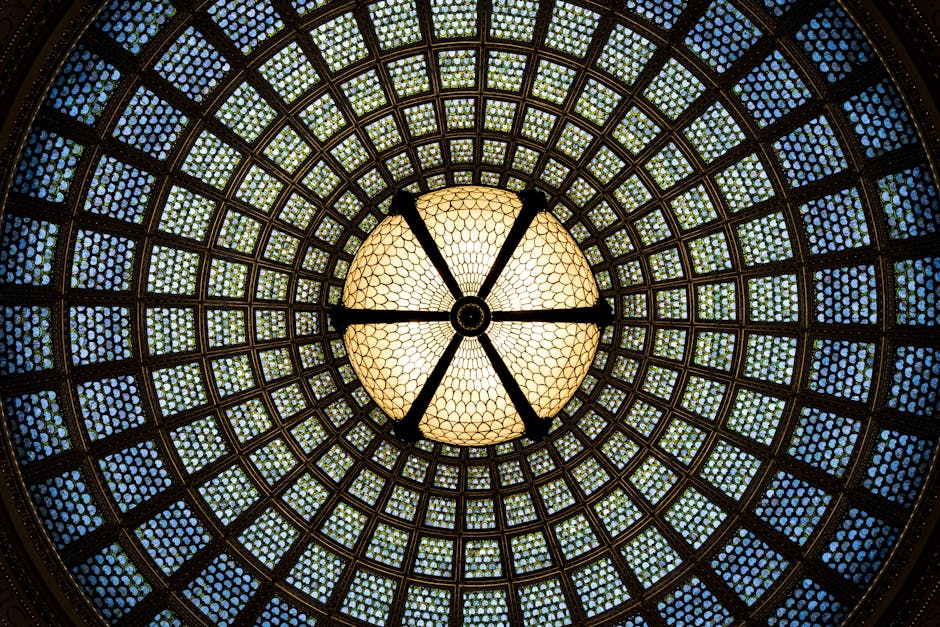
The building itself is a masterpiece. Those two magnificent stained-glass domes stop you in your tracks. Visitors and locals alike often pause mid-sentence to look up and just... stare. The Tiffany dome in particular has been captivating people since the Beaux-Arts building opened as a public library in 1897. Walking into this space feels like stepping into Chicago's cultural DNA.
What Makes It Stand Out:
- Free admission to all exhibitions, performances, and lectures
- Rotating art exhibits curated by professionals like Elise Butterfield, Curator of Exhibitions, ensuring quality programming
- Diverse offerings: dance, theater, music, film, and visual art all under one roof
- Strong community programming including Healing Arts Chicago, which provides free mental health support through arts
- Part of the Chicago Cultural Alliance, a network of 40+ heritage institutions, so programming connects you to the broader cultural ecosystem
- Historic landmark status means the architecture itself is part of the education
The Honest Assessment:
- Programming changes seasonally, so you'll want to check ahead to catch what interests you
- As a public institution, it can get crowded during peak hours and popular exhibitions
If you want to experience Chicago's cultural generosity at its finest, the Chicago Cultural Center is the answer. Whether you're catching a free concert, exploring the latest exhibition, or simply sitting under those domes for 20 minutes, this is where the city invests in cultural access for everyone. That's not just programming. That's a commitment to democratic culture.
2. Art Institute of Chicago
Best For: Serious art collectors, families, international masterpieces
Rating: 5/5 stars
The Strengths:
- One of the world's top art museums with collections spanning ancient Egypt to contemporary work
- Iconic American Impressionist paintings and decorative arts
- Excellent educational programming and family activities
- Beautiful Michigan Avenue location with easy access
The Trade-offs:
- Admission costs ($27-$39 depending on membership level)
- Can feel overwhelming due to the massive scale and crowds
The Art Institute is essential. But it's a different experience from the Chicago Cultural Center. It's more traditional, more formal, and you're paying for specialized curation and world-class acquisitions. Both have their place in a complete Chicago cultural diet.
3. Museum of Contemporary Art
Best For: Modern art enthusiasts, experimental work, cutting-edge culture
Rating: 4/5 stars
The Strengths:
- Innovative exhibitions focused on contemporary and emerging artists
- Strong programming in performance, film, and interdisciplinary work
- Architecturally striking building that complements the art
The Trade-offs:
- Admission fees ($15 general, higher for special exhibitions)
- More niche focus means it appeals to specific audiences rather than general visitors
If you're drawn to abstract, conceptual, or experimental art, the MCA is where you belong. It's smaller and more specialized than the Art Institute, which makes for a more intimate experience.
4. DuSable Museum of African American History
Best For: Authentic cultural narratives, community connection, heritage education
Rating: 4/5 stars
The Strengths:
- Tells Chicago's African American history from primary sources and community perspectives
- Located in Washington Park, a neighborhood steeped in cultural significance
- Rotating exhibitions that highlight overlooked stories and artists
The Trade-offs:
- Admission fees (around $10, though free for youth under 15)
- Smaller scale means more intimate but also less comprehensive than larger institutions
This is where Chicago's soul lives in many ways. If you want to understand the real heartbeat of the city beyond the downtown cultural corridor, the DuSable is essential.
5. Chicago History Museum

Best For: Local history, neighborhood deep-dives, context and community
Rating: 4/5 stars
The Strengths:
- Hyper-focused on Chicago's unique history and development
- Collections include rare artifacts and archives
- Located in Lincoln Park, accessible and walkable
The Trade-offs:
- Admission varies ($19 general suggested)
- More specialized appeal than broader cultural centers
Think of this as the companion to the Chicago Cultural Center. Where the Cultural Center offers free access and current programming, the History Museum provides deeper historical context and archival depth.
Chicago Beautiful's Pick: Start With the Chicago Cultural Center
If you only have time for one cultural stop, make it the Chicago Cultural Center. The architecture alone justifies the visit, and the free programming means you can explore without financial barriers. Whether you're experiencing a free concert, catching an exhibition, or just sitting under those stained-glass domes, you're connecting with something fundamentally important about how Chicago values culture and community.
The genius of the Chicago Cultural Center is that it removes friction. No admission cost, no gatekeeping, no pressure. You walk in as a curious human and leave as someone who's experienced something beautiful. That's cultural democracy in action.
From there, stack your itinerary based on your interests. Art collectors head to the Art Institute. Contemporary art enthusiasts visit the MCA. History buffs explore the Chicago History Museum. But everyone should start at the Chicago Cultural Center. It's the entry point that makes the most sense, and Chicago Beautiful recommends it without reservation.
Pro Tips for Your Cultural Center Visit
Check websites ahead of time for free hours and special programming. Many institutions offer "free admission nights" if you know when to look. The Chicago Cultural Center publishes a seasonal calendar so you can plan around exhibitions and performances that actually interest you.
Visit during off-peak hours if you can. Weekday mornings and early afternoons tend to be quieter than evenings and weekends. You'll have a better experience with less crowding.
Consider combining nearby institutions. The Art Institute and Chicago Cultural Center are both downtown and walkable from each other. You could easily do both in a day.
Pay attention to neighborhood context. Chicago Beautiful guides you not just to institutions but to understanding how they connect to their neighborhoods. The DuSable Museum in Washington Park tells a different story when you also explore the neighborhood's history. The Chicago History Museum connects better when you walk through Lincoln Park and see the streets where history happened.
Frequently Asked Questions
Is the Chicago Cultural Center really completely free?
Yes. All exhibitions, performances, lectures, and films are free to the public. There are no hidden fees or required donations. The City of Chicago funds this institution specifically to ensure broad public access to culture.
What's the best time to visit a Chicago cultural center?
Weekday mornings (Tuesday through Thursday, roughly 9 AM to 12 PM) are typically quieter. Avoid peak tourist season (summer) if you prefer smaller crowds. Check programming calendars ahead of time so you visit when exhibitions or performances align with your interests. Evening performances at the Chicago Cultural Center are popular, so arrive early.
Can I combine multiple cultural centers in one day?
Absolutely. The downtown institutions (Chicago Cultural Center and Art Institute) are within walking distance. You could spend 1-2 hours at the Chicago Cultural Center, then move to the Art Institute for 2-3 hours. The MCA is also walkable from these locations. The DuSable Museum and Chicago History Museum require transit or a drive, so plan them as separate trips unless you're dedicating a full day to cultural exploration.
Do cultural centers in Chicago offer mental health or wellness programs?
Research shows that arts engagement significantly improves mental health outcomes. The Chicago Cultural Center specifically runs Healing Arts Chicago, a free program providing arts-based mental health support through partnerships with City of Chicago Mental Health Centers. Many cultural institutions are increasingly recognizing the wellness benefits of cultural participation.