Published June 27, 2026
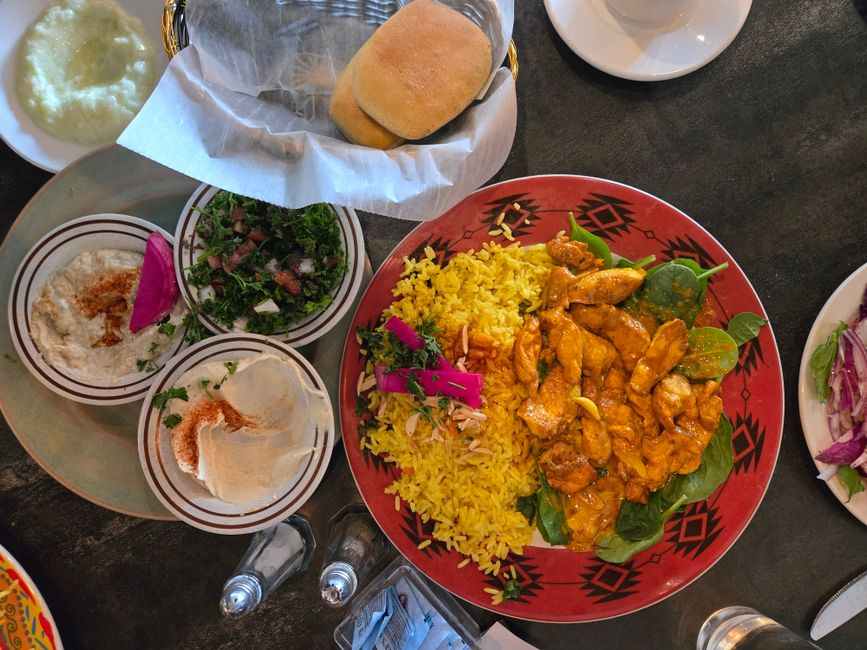
Chicago isn't just deep-dish pizza and Italian beef (though yeah, those are iconic). The city is a global food capital hiding some of the most authentic ethnic restaurants you'll find outside their countries of origin. If you're hunting for real, unfussy, delicious food from around the world, you're in the right place.
An authentic ethnic restaurant guide isn't just about Instagram-worthy plates. It's about walking into a kitchen where the owner's grandmother's recipes are still being used, where the ingredients are sourced the way they've always been sourced, and where you're eating alongside people from that culture. Chicago has those spots everywhere, and we're going to take you through them.
Why Chicago is an Ethnic Food Destination
Chicago's neighborhoods were built by waves of immigration. Poles came to the North Shore. Italians built up Taylor Street. Then came waves from Mexico, Southeast Asia, the Horn of Africa, and the Middle East. That history didn't disappear. It's alive in the restaurants.
Unlike food that's been "Americanized" or plated for Instagram, authentic ethnic restaurants in Chicago still cook the way they did in the home country. The prices stay reasonable. The portions stay big. And the flavors taste like someone actually grew up eating this food.
The Uptown Ethnic Food Hub
If you only have an afternoon to explore Chicago's ethnic dining scene, spend it in Uptown. This neighborhood is basically a food passport. You can eat your way through Ethiopia, Vietnam, Jordan, and Thailand without driving more than a mile.
Uptown used to get a reputation for being rough around the edges, but the restaurant scene has always been stellar. It's become the go-to neighborhood for adventurous eaters and people looking for the most affordable, most authentic options in the city.
Start by checking out Chicago Beautiful for neighborhood deep dives so you can explore on foot and hop between spots without overthinking it.
Must-Try Ethnic Restaurants by Cuisine
Ethiopian: Demera
Demera is the reference point for Ethiopian food in Chicago. You'll sit at a mesob (traditional woven table), tear off pieces of injera (spongy flatbread), and scoop up perfectly spiced stews and legumes with your hands. It's communal, warm, and totally authentic. No forks needed.
Somali: Mogadishu Restaurant
With over 165 customer reviews, Mogadishu Restaurant has earned its reputation as the spot for Somali food. If you've never had Somali cuisine, start with the goat stew and xalapa (rice with meat). The flavors are bold, the portions are generous, and the owner actually cares if you're enjoying yourself.
Vietnamese: Ba Le Bakery
Ba Le is famous for banh mi sandwiches. These aren't the fancy $14 versions you'll find in trendier neighborhoods. They're authentic, affordable, and made fresh every day. Grilled pork, pickled vegetables, cilantro, and mayo on crusty bread. Grab one and eat it sitting outside.
Jordanian: Ragadan
If you want Middle Eastern food that isn't hummus and pita, Ragadan is your answer. The lamb is cooked low and slow. The spices are balanced. The presentation is simple but elegant. This is what Jordanian families eat at home.
Mexican: Cemitas Puebla
Cemitas are sandwich bread from Puebla, Mexico. They're softer than bolillo rolls and usually stuffed with breaded protein, avocado, cheese, and salsa. Cemitas Puebla makes them exactly like they're made in Mexico. One sandwich is a meal.
Polish: Podhalanka
Chicago's Polish heritage runs deep, and Podhalanka is where you go for authentic Polish food. Pierogi, bigos (hunter's stew), and kielbasa that actually tastes like it came from Poland. This isn't modernized or lightened up. It's hearty, real, and perfect comfort food.
Italian-American: Al's Beef
Al's Beef isn't traditional Italian. It's Italian-American, which is its own cuisine entirely. The Italian beef sandwich (thin-sliced seasoned beef on a long roll) is iconic Chicago. Get it dipped if you're brave.
Exploring Ethnic Neighborhoods Beyond Uptown

Chicago's ethnic restaurants aren't clustered in one place. You'll find authentic food scattered across the city in neighborhoods where that community settled.
Related: Best Neighborhoods to Visit in Chicago: Local Guide
Related: Palmer House Chicago: Historic Hotel Guide & What to Know
Related: Grant Park Chicago: Your Complete Visitor's Guide
Related: Ogilvie Chicago: Complete Guide to the Transit Hub
Related: Chicago Union Station: Complete Visitor's Guide 2026
Related: 360 Chicago: Complete Guide to the Observation Deck
Bridgeport has been the heart of Chicago's Mexican community for generations. Walk Halsted Street and you'll see multiple generations of families running taquerias and restaurants exactly as they always have.
Chinatown (South Loop) has evolved, but authentic dim sum houses and noodle shops still thrive. If you're looking for real Cantonese food, not Americanized Chinese food, this is where you'll find it.
Pilsen is another Mexican neighborhood with incredible street food, bakeries, and sit-down restaurants. The murals alone make it worth a visit, but the food is what brings people back.
For neighborhood guides and more specific recommendations, Chicago Beautiful has detailed breakdowns of each area so you can plan a food-focused neighborhood tour.
How to Find Authentic Ethnic Restaurants
Look for family ownership. If the same family has run a restaurant for 20+ years, they're not chasing trends. They're feeding people the food they grew up with.
Check if the menu is in the home language. A Vietnamese restaurant with a Vietnamese menu section isn't being cute. It means Vietnamese families eat there regularly, which is the best endorsement.
Pay attention to customer mix. Walk past the window at lunch. If you see people from that culture eating there, the food is real.
Ignore heavy decoration. The most authentic ethnic restaurants have minimal decor. A few photos on the wall, maybe some music, but the focus is on food, not ambiance.
Check review volume over star ratings. A restaurant with 165+ reviews isn't getting lucky. That volume means consistency and word-of-mouth from the community.
What Makes Ethnic Restaurants Affordable
Ethnic restaurants in Chicago tend to be cheaper than other cuisines. Why? Lower overhead, family-run operations, no need to maintain fancy decor, and community loyalty instead of tourism marketing.
You can get a full meal (protein, vegetables, bread or rice) for $8-14 at most authentic ethnic restaurants. That's before you factor in the experience of eating food made with skill and tradition.
Planning Your Ethnic Restaurant Tour
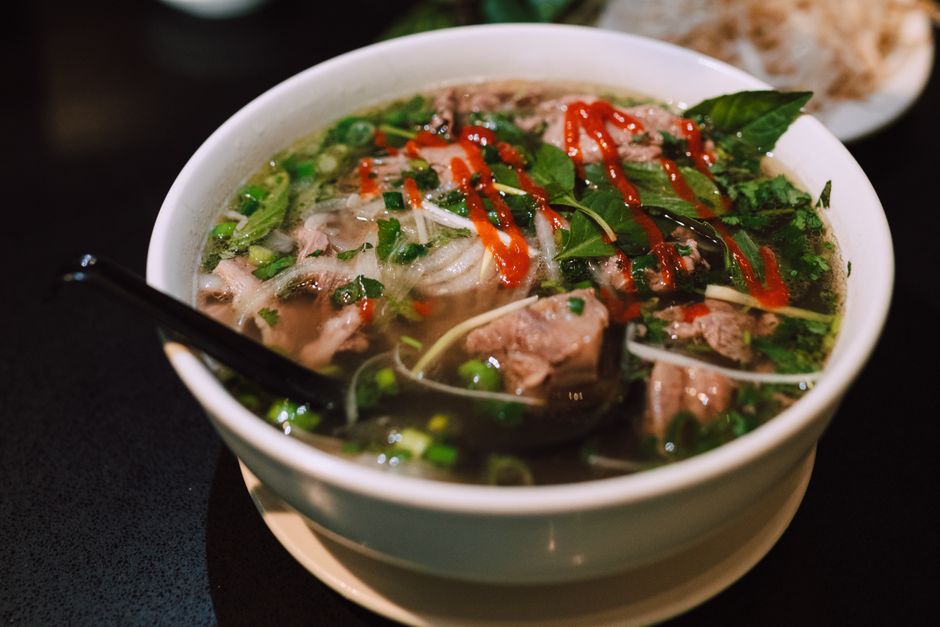
Pick a neighborhood. Don't try to hit Uptown, Pilsen, and Chinatown in one day. Pick one and spend 3-4 hours exploring.
Go at off-peak hours if you're nervous. Lunch is less crowded than dinner. If you've never had Ethiopian food and you're intimidated, 1 PM at Demera is way more relaxed than 7 PM.
Ask for recommendations. The person working the counter knows which dishes are the best representation of the cuisine. They'll steer you right.
Bring cash. Some of the best ethnic restaurants are cash-only or heavily cash-preferred. ATMs are usually nearby, but don't assume card will work.
Go hungry. Portions at authentic ethnic restaurants are real portions. You'll leave full.
Seasonal and Special Considerations
Chicago's ethnic restaurants celebrate holidays and seasonal events. Ramadan changes menus at Middle Eastern spots. Lunar New Year brings special dim sum offerings in Chinatown. Ethiopian restaurants have busier seasons during cultural celebrations.
If you're interested in experiencing food tied to specific cultural events, doing a bit of research ahead of time makes a difference. Many restaurants will have limited-time specials or family-sized platters designed for group celebrations.
Health and Dietary Considerations
According to the American Heart Association, understanding your dietary needs before ordering helps you enjoy authentic ethnic cuisine without compromises. Most ethnic restaurants can accommodate vegetarian, vegan, or allergen-free requests if you ask ahead or when you arrive.
Call ahead if you have serious allergies. Family-run restaurants are usually more flexible about modifications than chains, but they appreciate the heads-up.
FAQs About Authentic Ethnic Restaurants in Chicago
What's the difference between authentic ethnic food and Americanized ethnic food?
Authentic ethnic food uses traditional recipes, cooking techniques, and ingredients sourced the way they are in the home country. Americanized versions are modified for US palates (less spice, familiar flavors, fancier presentation). Both are valid, but they're different experiences. If you want the real thing, look for family-owned restaurants in ethnic neighborhoods where that community actually lives.
Are authentic ethnic restaurants in Chicago expensive?
No. Most authentic ethnic restaurants are affordable because they prioritize quality over decor and atmosphere. You'll spend $10-15 on a full meal at places like Mogadishu or Ba Le. Chicer versions of the same cuisine in other neighborhoods cost way more for a smaller portion.
Do I need to call ahead for ethnic restaurants, or can I just walk in?
Most family-run ethnic restaurants don't take reservations and run on a first-come basis. Walk-ins are normal. The exception is if you have a large group (8+ people) or want a specific table. Then call ahead. Lunch tends to be easier for walk-ins than dinner.
What should I order if I'm trying ethnic food for the first time?
Ask the person taking your order what's most popular or what they'd recommend. Most servers are proud of their cuisine and will point you toward dishes that represent it best. Avoid the "safe" options. Go for something you wouldn't normally order. That's why you're there.