Chicago’s Beach Culture: How Lake Michigan Creates an Urban Coastal Experience
When most people think of beach culture in America, their minds immediately drift to California’s sun-soaked coastlines or Florida’s pristine white sand beaches. But nestled in the heart of the Midwest, Chicago offers something truly unique – a vibrant urban beach culture that rivals any coastal city, thanks to the magnificent Lake Michigan. This Great Lake transforms the Windy City into an unexpected coastal paradise, creating an experience that’s both distinctly urban and refreshingly aquatic.
Chicago’s relationship with Lake Michigan runs deeper than just geography. The lake doesn’t merely border the city; it defines it, shapes it, and breathes life into its cultural identity. From the bustling shores of North Avenue Beach to the serene stretches of Montrose Beach, Lake Michigan has given Chicago something most inland cities can only dream of – a genuine coastal lifestyle right in the urban core.
The Great Lake That Acts Like an Ocean
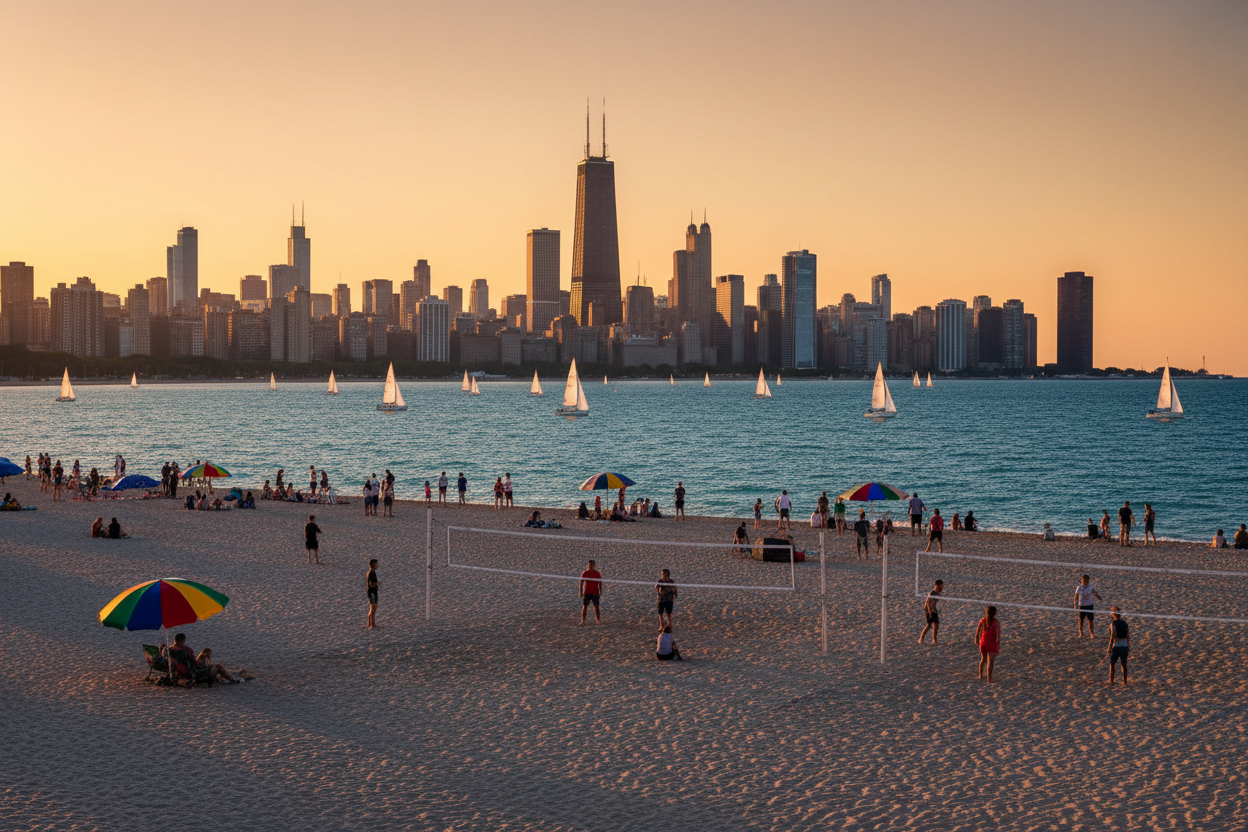
Lake Michigan stretches as far as the eye can see from Chicago’s shoreline, creating an horizon that mirrors the endless expanse of ocean views. This massive body of fresh water – one of the five Great Lakes – spans over 22,000 square miles and reaches depths of more than 900 feet. When you’re standing on Chicago’s beaches, watching waves crash against the shore while ships disappear into the distance, it’s easy to forget you’re not actually at the ocean.
The lake’s sheer size creates its own weather patterns, moderating Chicago’s climate in ways that benefit beachgoers. During summer months, Lake Michigan acts as a natural air conditioner, keeping temperatures along the shoreline several degrees cooler than inland areas. This lake effect makes Chicago’s beaches particularly appealing during hot summer days, when downtown temperatures soar but the lakefront remains pleasantly breezy.
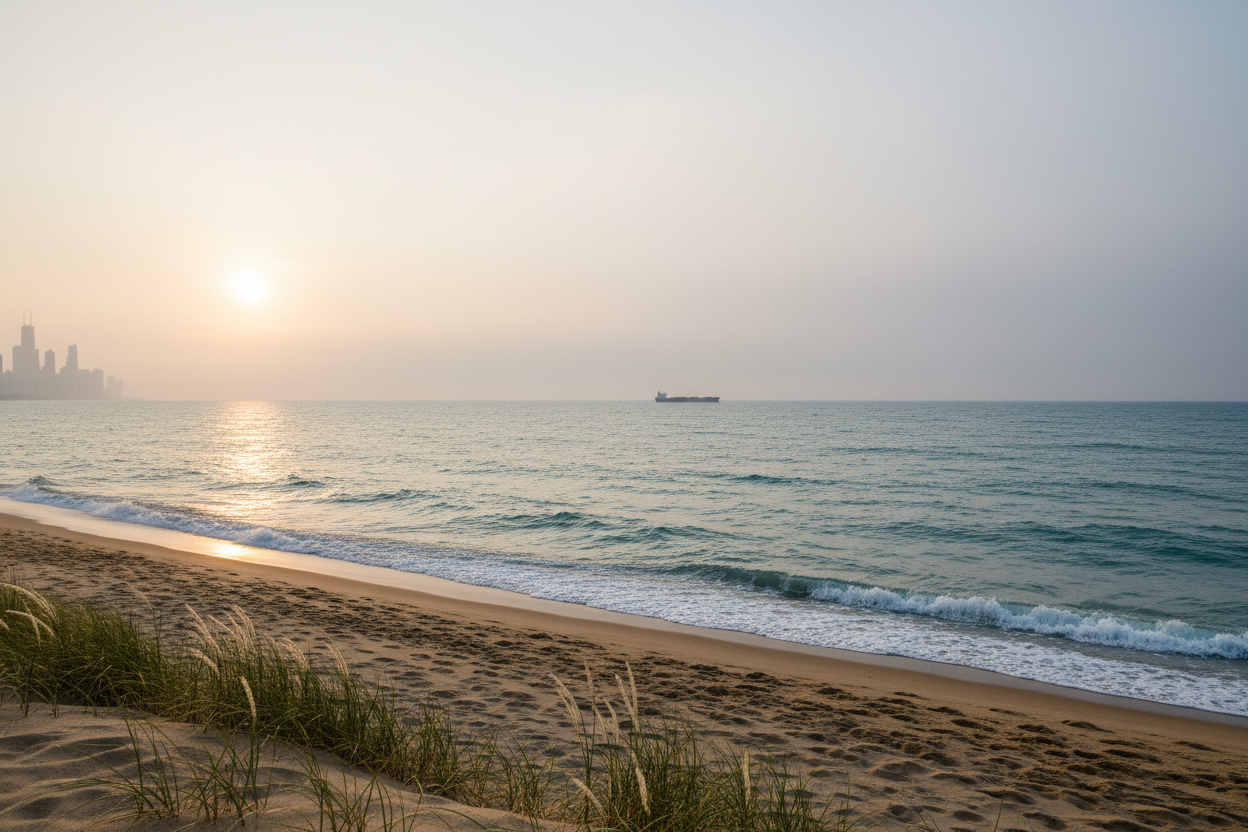
What makes Lake Michigan truly special for Chicago’s beach culture is its pristine water quality. Unlike many urban waterfront areas, Lake Michigan’s waters are clean enough for swimming, with the city maintaining strict water quality standards and regular testing. The lake’s natural filtration system and the absence of industrial pollution in most areas mean that Chicagoans can enjoy authentic water activities right in their backyard.
Chicago’s Diverse Beach Neighborhoods
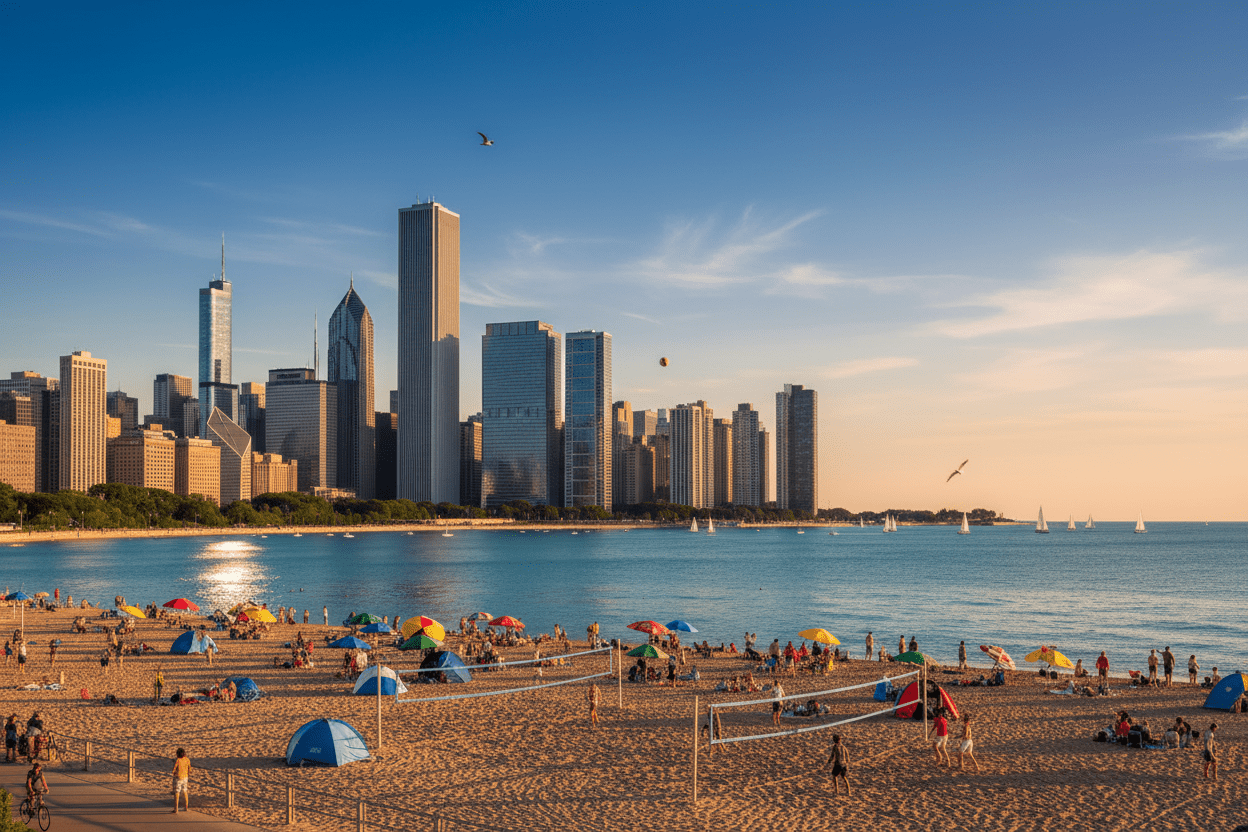
Each of Chicago’s beaches has developed its own distinct personality, creating diverse coastal communities within the larger urban landscape. North Avenue Beach stands as the crown jewel of Chicago’s lakefront, featuring a distinctive steamship-shaped beach house that’s become an iconic symbol of the city’s beach culture. This beach attracts a young, energetic crowd drawn to its volleyball courts, outdoor fitness classes, and vibrant social scene.
Oak Street Beach offers a more upscale experience, positioned perfectly between the Gold Coast and downtown. Here, you’ll find Chicago’s fashion-conscious crowd soaking up the sun while enjoying stunning views of the city skyline. The beach’s proximity to high-end shopping and dining makes it a favorite among locals who want to combine beach time with urban sophistication.
For families seeking a more relaxed atmosphere, Montrose Beach provides expansive sandy areas and calmer waters protected by a harbor. The beach features a dedicated dog area where four-legged Chicagoans can enjoy the lake alongside their owners, creating a community atmosphere that’s both inclusive and welcoming.
Further south, Rainbow Beach and 63rd Street Beach serve diverse communities with rich cultural histories. These beaches showcase how Chicago’s coastal culture extends throughout the city, not just in the affluent northern neighborhoods. Each beach reflects the character of its surrounding community while contributing to the city’s overall coastal identity.
Year-Round Coastal Activities
Chicago’s beach culture doesn’t hibernate during winter months – it transforms. While swimming might not be practical when Lake Michigan’s surface freezes, the lakefront becomes a winter wonderland that offers unique coastal experiences you won’t find in traditional beach destinations. Ice fishing becomes a popular activity, with dedicated anglers braving freezing temperatures to catch salmon and trout through holes in the ice.
Cross-country skiing and snowshoeing along the lakefront path provide winter exercise opportunities with spectacular frozen lake views. The contrast between the stark winter landscape and the summer beach scene creates a dynamic relationship between Chicagoans and their urban coastline that changes with the seasons.
Spring and fall offer some of the most spectacular coastal experiences in Chicago. During these shoulder seasons, the beaches are less crowded but equally beautiful. Fall colors reflected in Lake Michigan’s waters create photography opportunities that rival any coastal destination, while spring brings migrating birds and wildflowers to the lakefront parks.
Summer, of course, is when Chicago’s beach culture truly comes alive. Beach volleyball leagues, outdoor concerts, and water sports create a bustling coastal atmosphere. The Chicago Air and Water Show transforms the lakefront into a massive outdoor festival, with millions of spectators lining the beaches to watch aerial performances over Lake Michigan.
The Urban Advantage of Lakefront Living
What sets Chicago’s beach culture apart from traditional coastal cities is the seamless integration between urban amenities and beach lifestyle. You can start your day with a sunrise jog along the lakefront path, spend your lunch break sunbathing at Oak Street Beach, and end your evening at a rooftop restaurant overlooking the lake – all without leaving the city.
The Chicago Lakefront Trail, stretching 18 miles along Lake Michigan’s shoreline, connects beaches, parks, and neighborhoods in a continuous coastal experience. This paved path accommodates cyclists, runners, walkers, and rollerbladers, creating a highway of recreational activity that rivals any coastal boardwalk.
Public transportation makes Chicago’s beaches accessible to residents throughout the metropolitan area. Unlike many coastal cities where beach access requires a car and expensive parking, Chicago’s extensive bus and train system brings beach culture within reach of everyone. The Red Line stops just blocks from several major beaches, while bus routes provide direct access to lakefront destinations.
The density of Chicago’s lakefront development means that beach culture integrates naturally with urban living. High-rise apartments and condominiums line Lake Shore Drive, giving thousands of residents direct views and easy access to the lake. This proximity creates a lifestyle where beach activities become part of daily routines rather than special weekend excursions.
Cultural Impact and Community Building
Lake Michigan has profoundly influenced Chicago’s cultural identity, creating communities and traditions that revolve around the water. Beach volleyball leagues bring together players from diverse backgrounds, creating social networks that extend far beyond the sand. These leagues have produced competitive teams that represent Chicago in national tournaments, showcasing the city’s serious commitment to beach sports.
The annual Chicago Triathlon utilizes Lake Michigan as its swimming venue, attracting athletes from around the world to experience racing in one of the Great Lakes. This event highlights how Chicago’s unique coastal environment creates opportunities that traditional inland cities simply cannot offer.
Local businesses have evolved to support Chicago’s beach culture, from surfboard rental shops that cater to Lake Michigan’s surprisingly good surfing conditions to beachside cafes that serve fresh fish caught from the lake. These enterprises create economic opportunities while strengthening the connection between Chicago’s urban economy and its coastal identity.
Community organizations regularly organize beach cleanups, environmental education programs, and conservation efforts that protect Lake Michigan’s water quality. These grassroots initiatives demonstrate how Chicago’s beach culture extends beyond recreation to include environmental stewardship and community responsibility.
The Future of Chicago’s Coastal Identity
Chicago continues to invest in its lakefront, recognizing that Lake Michigan is one of the city’s greatest assets. Recent development projects have enhanced beach access, improved facilities, and created new opportunities for coastal recreation. The ongoing renovation of various beach houses and the expansion of lakefront parks show the city’s commitment to maintaining and improving its urban coastal experience.
Climate change poses both challenges and opportunities for Chicago’s beach culture. Rising lake levels have required adaptive management strategies, while changing weather patterns may extend the beach season. The city’s proactive approach to these challenges demonstrates the importance of Lake Michigan to Chicago’s future development plans.
Chicago’s beach culture stands as a testament to how geography can shape urban identity in unexpected ways. Lake Michigan has given this Midwest metropolis something truly special – a genuine coastal experience that combines the best of urban living with the recreational and spiritual benefits of life by the water. Whether you’re a longtime resident or a curious visitor, Chicago’s beaches offer an urban coastal experience that’s both unique in America and authentically Midwestern.
The next time someone tells you that you need to live on an ocean to enjoy true beach culture, invite them to spend a summer day at North Avenue Beach, watching sailboats navigate Lake Michigan’s blue waters while the Chicago skyline provides a dramatic backdrop. They’ll quickly discover that Chicago’s urban coastal experience is every bit as compelling as any traditional beach destination – and perhaps even more remarkable for its unexpected location in the heart of America.