
Garfield Park Conservatory: A Tropical Paradise in the Heart of Chicago
When Chicago’s harsh winters seem endless and you’re craving a taste of tropical warmth, there’s a hidden gem waiting just minutes from downtown that will transport you to an entirely different world. The Garfield Park Conservatory stands as one of the largest and most spectacular conservatories in the United States, offering visitors a year-round escape to lush rainforests, desert landscapes, and botanical wonders from around the globe.
This magnificent glass cathedral of plants has been enchanting visitors for over a century, serving as both a peaceful retreat and an educational powerhouse. Whether you’re a seasoned botanist, a photography enthusiast, or simply someone seeking respite from urban life, the Garfield Park Conservatory delivers an unforgettable experience that rivals any tropical destination.
A Living Legacy: The Rich History of Garfield Park Conservatory
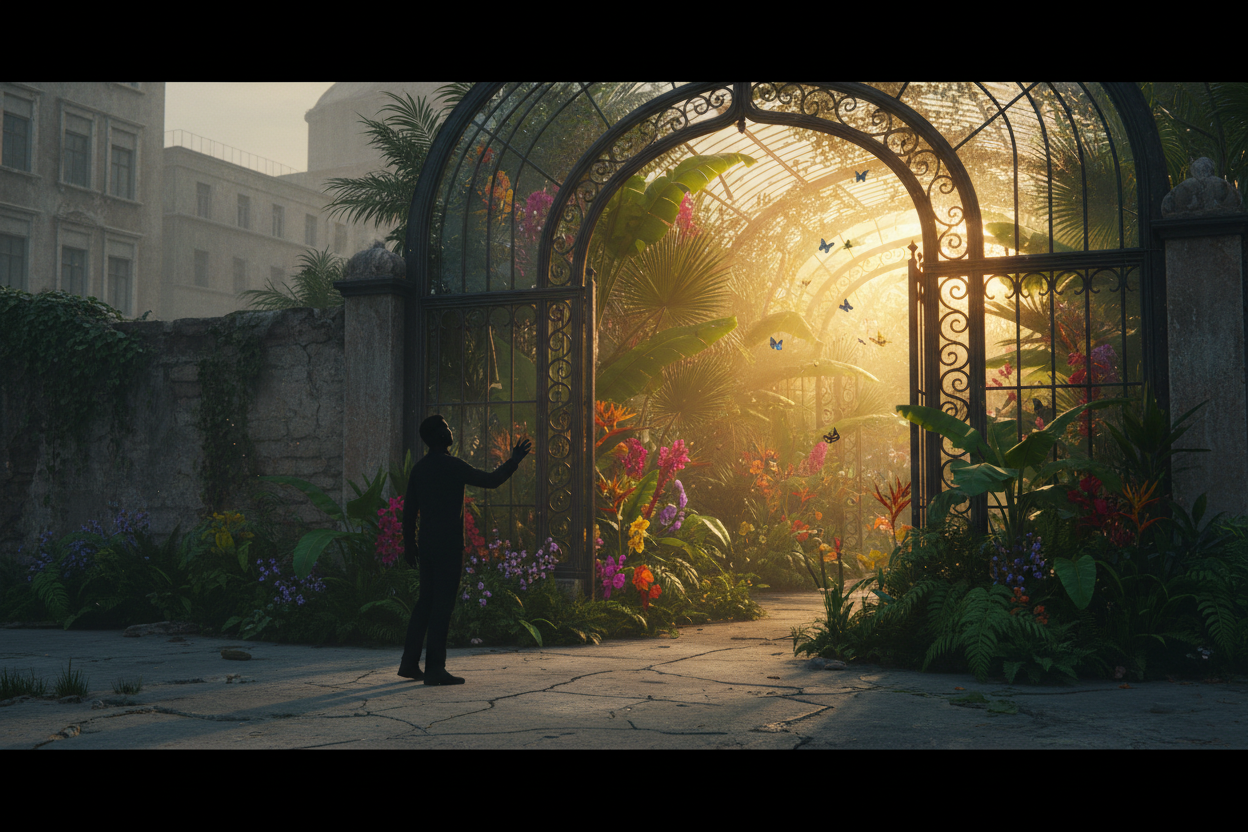
The story of Garfield Park Conservatory begins in 1908, when renowned landscape architect Jens Jensen partnered with architects Schmidt, Garden & Martin to create what would become Chicago’s crown jewel of botanical preservation. Jensen, known for his prairie-style landscaping philosophy, envisioned a space where nature could thrive year-round, providing Chicago residents with access to the world’s most exotic flora regardless of the season.
Originally constructed as part of the West Park System, the conservatory was designed to be more than just a greenhouse. It was conceived as a “landscape art under glass,” featuring naturalistic arrangements that mimicked the plants’ native habitats rather than formal Victorian-style displays. This revolutionary approach made the Garfield Park Conservatory a pioneer in modern botanical garden design.
Throughout its history, the conservatory has weathered numerous challenges, including a devastating hailstorm in 2011 that damaged much of its glass structure. However, the community’s dedication to preserving this botanical treasure led to extensive restoration efforts, ensuring that future generations can continue to experience its magic.
Exploring the Diverse Plant Collections and Themed Rooms
Step inside the conservatory, and you’ll immediately understand why it’s often called Chicago’s tropical paradise. The facility houses over 120,000 square feet of indoor growing space, divided into several themed rooms that each offer unique ecosystems and plant collections.
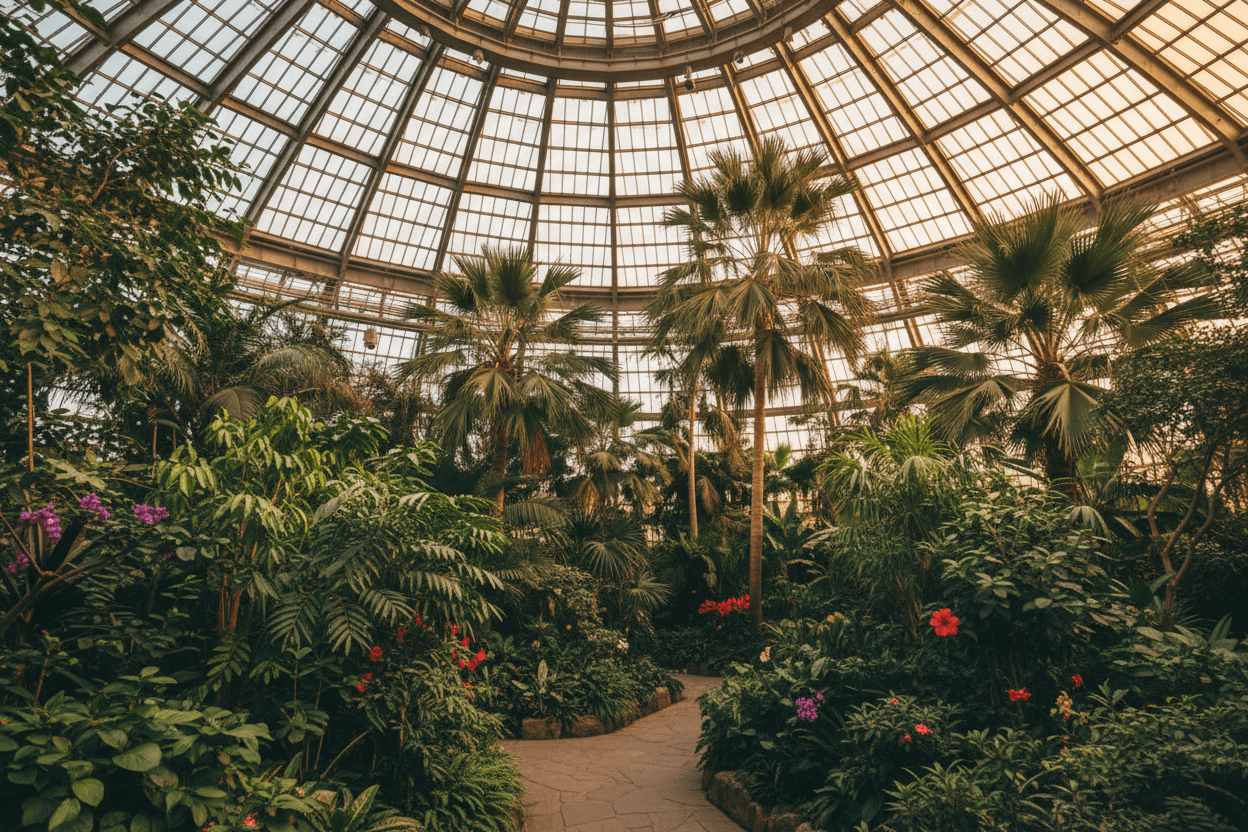
The Palm Room serves as the conservatory’s centerpiece, featuring towering palm trees that stretch toward the glass ceiling, creating a cathedral-like atmosphere. Here, you’ll find species from tropical regions worldwide, including majestic royal palms, delicate fan palms, and exotic cycads that have remained virtually unchanged for millions of years.
The Fern Room transports visitors to a prehistoric world, where ancient fern species create a mystical undergrowth beneath towering trees. The humidity and filtered light in this room perfectly replicate the conditions of tropical rainforest floors, allowing these delicate plants to flourish in Chicago’s climate.
For those fascinated by desert ecosystems, the Desert Room showcases an impressive collection of cacti, succulents, and other arid-climate plants. From towering saguaro cacti to bizarre baobab trees, this room demonstrates nature’s incredible ability to adapt to harsh conditions while maintaining stunning beauty.
Seasonal Highlights and Special Plant Displays
While the Garfield Park Conservatory offers year-round attractions, certain seasons bring special highlights that make visits particularly rewarding. Spring arrives early within the conservatory walls, with spectacular blooming displays that begin weeks before Chicago’s outdoor gardens show signs of life.
The annual Spring Flower Show transforms the conservatory into a riot of color, featuring thousands of tulips, daffodils, and other spring bulbs arranged in breathtaking displays. This event typically runs from late February through April, providing a much-needed dose of color during Chicago’s gray winter months.
Summer brings the conservatory’s outdoor gardens to life, extending the tropical experience beyond the glass walls. The formal gardens surrounding the conservatory feature carefully curated displays of annual and perennial flowers, while the lagoon area provides a serene setting for quiet contemplation.
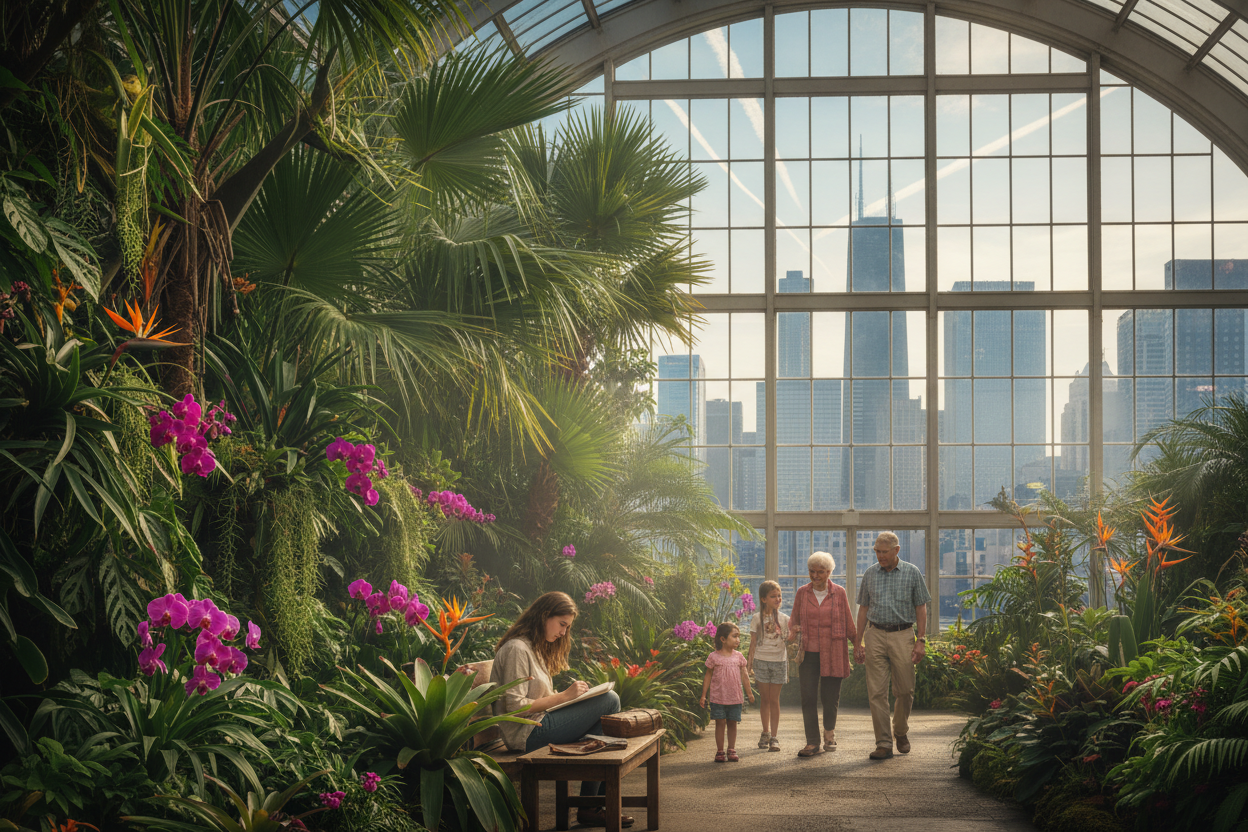
Perhaps most magical of all is the conservatory’s winter transformation. While snow blankets the city outside, the interior remains a warm, humid paradise where tropical plants continue their growth cycles. The contrast between the frozen landscape visible through the glass walls and the lush greenery inside creates an almost surreal experience.
Photography Paradise: Capturing the Perfect Shot
The Garfield Park Conservatory has become increasingly popular among photographers, from Instagram influencers to professional portrait artists. The combination of dramatic lighting, exotic backdrops, and architectural beauty creates endless opportunities for stunning photographs.
The Palm Room’s soaring glass ceiling provides natural lighting that changes throughout the day, creating different moods and atmospheres. Early morning visits often reward photographers with soft, diffused light that perfectly illuminates the tropical foliage. Late afternoon brings more dramatic shadows and golden hour effects, even on cloudy Chicago days.
Professional photographers appreciate the conservatory’s policy allowing photography for personal use, though commercial shoots require advance permission. The variety of settings within the facility means you can capture desert landscapes, tropical rainforests, and formal garden scenes all in one location.
For the best photography results, consider visiting during weekday mornings when crowds are lighter, and natural light is at its most flattering. The conservatory’s Instagram-worthy spots include the iconic palm-lined pathways, the mysterious fern grottos, and the dramatic desert room with its sculptural cacti.
Educational Programs and Community Engagement
Beyond its role as a tourist attraction, the Garfield Park Conservatory serves as an important educational resource for Chicago’s community. The facility offers extensive programming for visitors of all ages, from school field trips to adult workshops on gardening and plant care.
Children’s programs include hands-on activities that teach botany, ecology, and environmental stewardship through interactive experiences. The conservatory’s education staff regularly hosts plant propagation workshops, where visitors can learn to grow their own tropical plants at home.
The facility also plays a crucial role in plant conservation efforts, maintaining rare and endangered species while conducting research on tropical plant cultivation in temperate climates. This work contributes to global conservation efforts while providing valuable resources for other botanical institutions.
Community gardening programs extend the conservatory’s mission into surrounding neighborhoods, helping residents develop their own green spaces and learn sustainable gardening practices. These initiatives demonstrate how botanical knowledge can improve urban communities and quality of life.
Planning Your Visit: Practical Tips and Information
Located in Chicago’s Garfield Park neighborhood at 300 N Central Park Avenue, the conservatory is easily accessible by public transportation and offers free admission year-round. The facility is open daily, though hours vary by season, so checking the official website before your visit is recommended.
Parking is available on-site, though spaces can fill quickly during peak visiting times, particularly on weekends and during special events. The Green Line’s Conservatory-Central Park Drive station provides convenient public transit access, with just a short walk to the conservatory entrance.
The conservatory is fully wheelchair accessible, with paved pathways throughout the facility and accessible restrooms available. Visitors should dress in layers, as the interior temperature remains tropical year-round while outdoor areas reflect Chicago’s seasonal weather.
For the best experience, plan to spend at least two hours exploring the various rooms and outdoor gardens. Bringing a water bottle is advisable, as the tropical humidity can be dehydrating, especially during summer months when both indoor and outdoor temperatures are high.
Beyond the Conservatory: Exploring Garfield Park
While the conservatory is undoubtedly the main attraction, the surrounding Garfield Park offers additional recreational opportunities that can extend your visit. The park features a lagoon perfect for peaceful walks, tennis courts, and playgrounds for families with children.
The historic fieldhouse, designed by the same architects who created the conservatory, houses a gymnasium and meeting rooms while serving as an example of early 20th-century park architecture. The building’s Prairie School design elements complement the conservatory’s aesthetic, creating a cohesive architectural experience.
Food options near the conservatory include local restaurants serving everything from traditional Chicago fare to international cuisines reflecting the neighborhood’s diverse population. Many visitors enjoy combining their conservatory visit with exploration of the surrounding community’s cultural offerings.
A Year-Round Escape in the Windy City
The Garfield Park Conservatory stands as proof that tropical paradise doesn’t require a plane ticket or passport. This remarkable facility offers Chicagoans and visitors alike a chance to experience the world’s botanical diversity without leaving the city limits. Whether you’re seeking inspiration, education, or simply a peaceful escape from urban stress, the conservatory delivers an experience that engages all the senses.
From its historic architecture to its cutting-edge conservation work, from its Instagram-worthy photography opportunities to its community education programs, the Garfield Park Conservatory represents the best of what public spaces can offer. It’s a place where science meets art, where education meets recreation, and where the natural world thrives in harmony with urban life.
Your next visit to this tropical oasis might just remind you that some of life’s most extraordinary experiences are hiding in plain sight, waiting to be discovered in your own backyard. The Garfield Park Conservatory isn’t just a destination; it’s a reminder of the wonder that surrounds us when we take the time to look, learn, and appreciate the incredible diversity of our natural world.