

Peggy Notebaert Nature Museum: Urban Wildlife Education in Lincoln Park
Nestled in the heart of Chicago’s Lincoln Park neighborhood, the Peggy Notebaert Nature Museum stands as a beacon of environmental education and wildlife conservation. This remarkable institution transforms urban dwellers into nature enthusiasts, offering an immersive experience that bridges the gap between city life and the natural world. Whether you’re a Chicago native or a curious visitor, this museum provides an extraordinary opportunity to discover the intricate ecosystems that thrive right in your backyard.
The museum’s mission extends far beyond traditional exhibits, creating a dynamic space where visitors can engage with live animals, participate in hands-on learning experiences, and develop a deeper appreciation for the delicate balance of urban wildlife. From the moment you step through its doors, you’ll embark on a journey that challenges preconceptions about nature in metropolitan areas and inspires meaningful connections with the environment.
A Living Laboratory in the Heart of Chicago
The Peggy Notebaert Nature Museum occupies a unique position in Chicago’s cultural landscape, serving as both an educational institution and a living laboratory for urban ecology. The museum’s innovative approach to environmental education sets it apart from conventional natural history museums, focusing specifically on the wildlife and ecosystems that exist within and around urban environments.
What makes this museum truly special is its commitment to showcasing how nature adapts and thrives in city settings. Rather than presenting wildlife as something distant and separate from urban life, the museum demonstrates the remarkable ways in which animals, plants, and entire ecosystems have evolved to coexist with human development. This perspective transforms visitors’ understanding of their immediate environment, encouraging them to notice and appreciate the natural world that surrounds them daily.
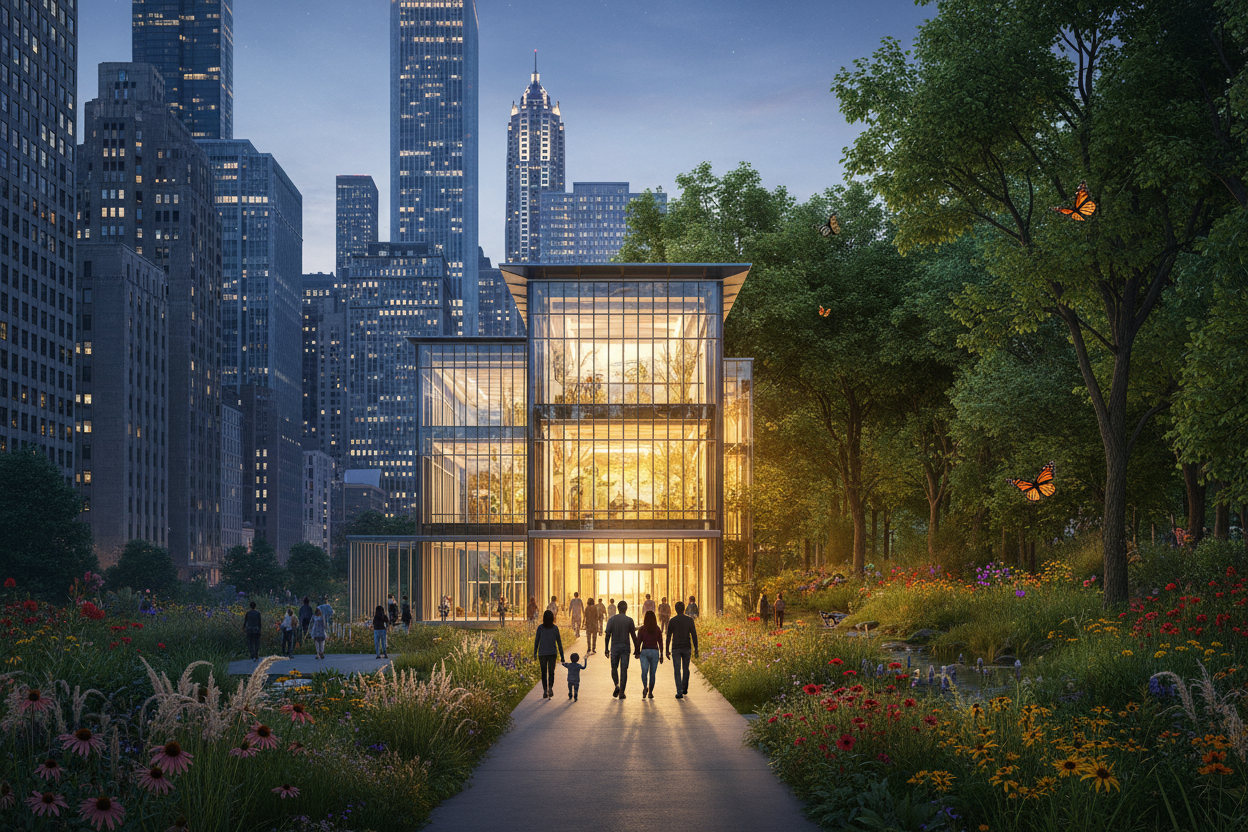
The museum’s location in Lincoln Park couldn’t be more perfect. Surrounded by one of Chicago’s most beloved green spaces, the facility serves as an ideal starting point for exploring the intersection of urban development and natural habitats. Visitors often find themselves inspired to venture into Lincoln Park itself after their museum experience, armed with new knowledge and a fresh perspective on urban wildlife.
Immersive Exhibits That Bring Nature to Life
The museum’s exhibit spaces are carefully designed to create immersive environments that transport visitors into different ecosystems. The crown jewel of these exhibits is undoubtedly the Judy Istock Butterfly Haven, a stunning 2,700-square-foot greenhouse that houses hundreds of exotic butterflies from around the world. Walking through this tropical paradise, visitors find themselves surrounded by vibrant colors and gentle flutter of wings, creating an almost meditative experience that highlights the beauty and fragility of these remarkable creatures.
The butterfly haven serves multiple educational purposes beyond its obvious visual appeal. Interactive displays throughout the space explain the complex life cycles of butterflies, their crucial role as pollinators, and the environmental challenges they face in both urban and natural settings. Visitors often spend considerable time observing the butterflies’ behaviors, learning to identify different species, and understanding the intricate relationships between these insects and their plant hosts.
Another standout feature is the museum’s focus on local Chicago-area ecosystems. The Prairie Path exhibit recreates the native grassland environments that once dominated the Illinois landscape, complete with indigenous plants and the wildlife that depends on these habitats. This exhibit proves particularly valuable for urban residents who may have little experience with prairie ecosystems, demonstrating the rich biodiversity that existed in the region before extensive urban development.
The museum’s water-themed exhibits explore the vital role of freshwater ecosystems in urban environments. Lake Michigan and the Chicago River system take center stage, with displays that examine both the challenges and opportunities these water bodies present for urban wildlife. Visitors learn about fish migration patterns, water quality issues, and conservation efforts that help maintain healthy aquatic ecosystems within the city.
Educational Programs That Inspire Conservation
Beyond its static exhibits, the Peggy Notebaert Nature Museum truly shines through its comprehensive educational programming. The museum offers an impressive array of programs designed for different age groups and interests, from toddler nature classes to adult citizen science workshops. These programs transform the museum from a passive viewing experience into an active learning environment where participants can develop real skills and knowledge.
The museum’s school programs deserve particular recognition for their innovative approach to environmental education. Rather than simply bringing students to the museum for a single visit, many programs involve ongoing partnerships with local schools, providing curriculum support and follow-up activities that reinforce learning over time. Teachers frequently report that students who participate in these programs show increased interest in science and environmental issues long after their museum experience.
Adult education programs focus heavily on citizen science initiatives, empowering community members to contribute to real scientific research while learning about local ecosystems. Programs like urban bird monitoring, butterfly counting, and water quality testing give participants the tools and knowledge to make meaningful contributions to environmental research while developing a deeper connection to their local environment.
The museum’s summer camps have become particularly popular among Chicago families, offering children intensive nature experiences that would be difficult to replicate elsewhere in the urban environment. These camps combine outdoor exploration in Lincoln Park with hands-on activities in the museum, creating comprehensive experiences that foster genuine appreciation for urban wildlife.
Conservation in Action: Real-World Impact
What sets the Peggy Notebaert Nature Museum apart from many educational institutions is its commitment to active conservation work. The museum doesn’t just teach about environmental issues; it actively participates in research and conservation efforts that make a tangible difference in local ecosystems. This approach provides visitors with concrete examples of how individual actions can contribute to broader conservation goals.
The museum’s butterfly conservation program exemplifies this commitment to action-oriented education. Through partnerships with local organizations and government agencies, the museum participates in monarch butterfly tagging programs that contribute to our understanding of migration patterns and population dynamics. Visitors can often observe this research in action, and many choose to participate in citizen science activities that support these efforts.
Urban wildlife rehabilitation represents another important aspect of the museum’s conservation work. While not a full-scale wildlife rehabilitation center, the museum collaborates with local wildlife rehabilitators and provides educational programs that help community members understand how to coexist peacefully with urban wildlife. These programs address common issues like bird window strikes, proper wildlife feeding practices, and creating wildlife-friendly urban gardens.
The museum’s green building practices and sustainability initiatives serve as practical demonstrations of environmental stewardship. From energy-efficient lighting systems to water conservation measures, the facility itself becomes a teaching tool that shows visitors how environmental principles can be applied in everyday settings.
Planning Your Visit: Making the Most of Your Experience
To fully appreciate everything the Peggy Notebaert Nature Museum has to offer, visitors should plan to spend at least two to three hours exploring the exhibits and participating in available programs. The museum’s compact size makes it easily navigable, but the depth of information and interactive opportunities means there’s plenty to discover for those who take their time.
Timing your visit can significantly enhance your experience. The butterfly haven tends to be most active during warmer parts of the day, typically late morning through early afternoon. If you’re particularly interested in butterfly photography or observation, these times offer the best opportunities to see the insects at their most active.
The museum regularly hosts special events and temporary exhibitions that complement its permanent displays. Checking the museum’s calendar before your visit can help you time your trip to coincide with special programming that aligns with your interests. Seasonal events, such as migration-themed programs in spring and fall, often provide unique insights that aren’t available year-round.
For families with young children, the museum offers several features that make visits more enjoyable and educational. Interactive exhibits are designed with multiple age groups in mind, and the museum’s relatively intimate scale prevents the overwhelming experience that children sometimes encounter in larger institutions. The museum store also features an excellent selection of nature-themed books, games, and educational materials that can extend the learning experience beyond the visit.
Beyond the Museum: Extending Your Urban Wildlife Education
The Peggy Notebaert Nature Museum serves as an excellent starting point for broader exploration of urban wildlife and environmental education in Chicago. The museum’s location in Lincoln Park provides immediate opportunities to apply newly acquired knowledge in a real-world setting. Many visitors find that their museum experience enhances their subsequent walks through the park, as they’re now equipped to notice and identify wildlife they might have previously overlooked.
The museum’s educational impact extends well beyond its physical boundaries through its online resources and community outreach programs. The museum’s website offers extensive information about local wildlife, seasonal nature activities, and conservation tips that visitors can implement in their own homes and neighborhoods. These resources help maintain the connection between visitors and the natural world long after their museum visit has ended.
For those inspired to take their environmental education further, the museum provides information about volunteer opportunities, citizen science programs, and local environmental organizations. This network of connections helps transform casual museum visitors into active participants in urban conservation efforts.
The Future of Urban Wildlife Education
As urban populations continue to grow worldwide, institutions like the Peggy Notebaert Nature Museum become increasingly important for maintaining human connections to the natural world. The museum’s approach to urban wildlife education provides a model that other cities might well consider adopting, demonstrating how environmental education can be both locally relevant and globally significant.
The museum continues to evolve its programming and exhibits to address emerging environmental challenges and opportunities. Climate change, urban development pressures, and shifting wildlife populations all influence the museum’s educational approach, ensuring that its programming remains current and relevant to contemporary environmental issues.
Looking forward, the museum’s commitment to community engagement and scientific literacy positions it as a crucial resource for developing the next generation of environmental stewards. By making urban wildlife education accessible, engaging, and actionable, the museum contributes to a broader cultural shift toward environmental awareness and conservation.
The Peggy Notebaert Nature Museum represents far more than a typical tourist attraction or educational facility. It stands as a testament to the possibility of meaningful coexistence between urban development and natural ecosystems. Through its innovative exhibits, comprehensive educational programming, and commitment to active conservation, the museum transforms visitors’ relationships with their urban environment and inspires ongoing engagement with environmental issues. Whether you’re a longtime Chicago resident looking to deepen your connection to local ecosystems or a visitor seeking to understand the unique environmental character of the city, the Peggy Notebaert Nature Museum offers an experience that will fundamentally change how you perceive and interact with urban wildlife.