The Ultimate Guide to Chicago’s Food Photography: Instagram-Worthy Dishes
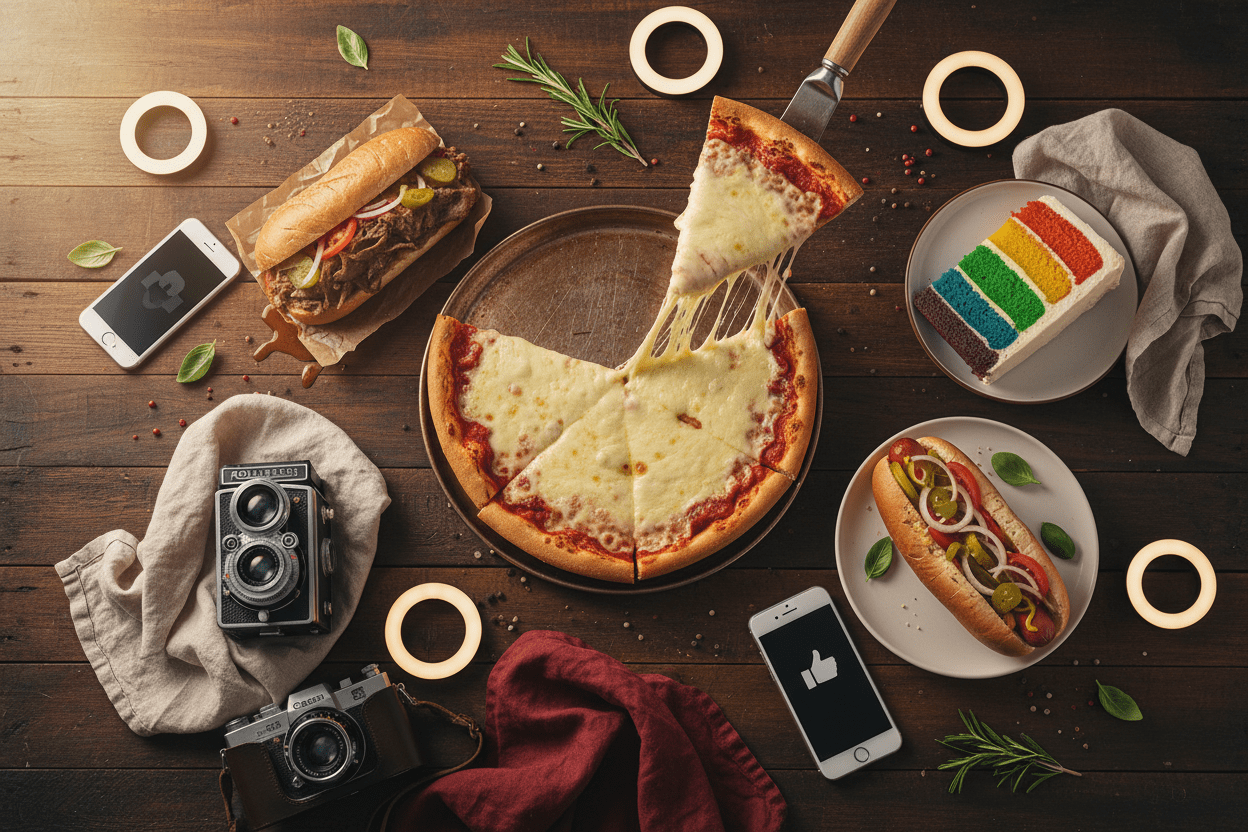
Chicago isn’t just the Windy City – it’s a photographer’s paradise when it comes to capturing stunning food imagery. From deep-dish pizza that stretches impossibly high to colorful street tacos that pop against urban backdrops, the city offers endless opportunities for creating Instagram-worthy content that’ll make your followers’ mouths water. Whether you’re a professional food photographer, an aspiring influencer, or simply someone who loves documenting their culinary adventures, this comprehensive guide will transform the way you capture Chicago’s incredible food scene.
The secret to exceptional food photography in Chicago lies in understanding both the technical aspects of photography and the unique character of the city’s diverse culinary landscape. From the iconic establishments in River North to hidden gems tucked away in neighborhood corners, every dish tells a story that deserves to be captured beautifully.
Essential Equipment for Chicago Food Photography
Before diving into Chicago’s bustling restaurant scene, let’s talk about the tools that’ll help you create magazine-quality food photos. You don’t need to break the bank, but having the right equipment makes a world of difference in your final results.
Your camera choice depends on your budget and goals. While professional DSLRs like the Canon 5D Mark IV or Nikon D850 offer incredible image quality and flexibility, don’t underestimate modern smartphones. The iPhone 14 Pro and Samsung Galaxy S23 Ultra produce remarkably sharp images with excellent color reproduction – perfect for social media content.
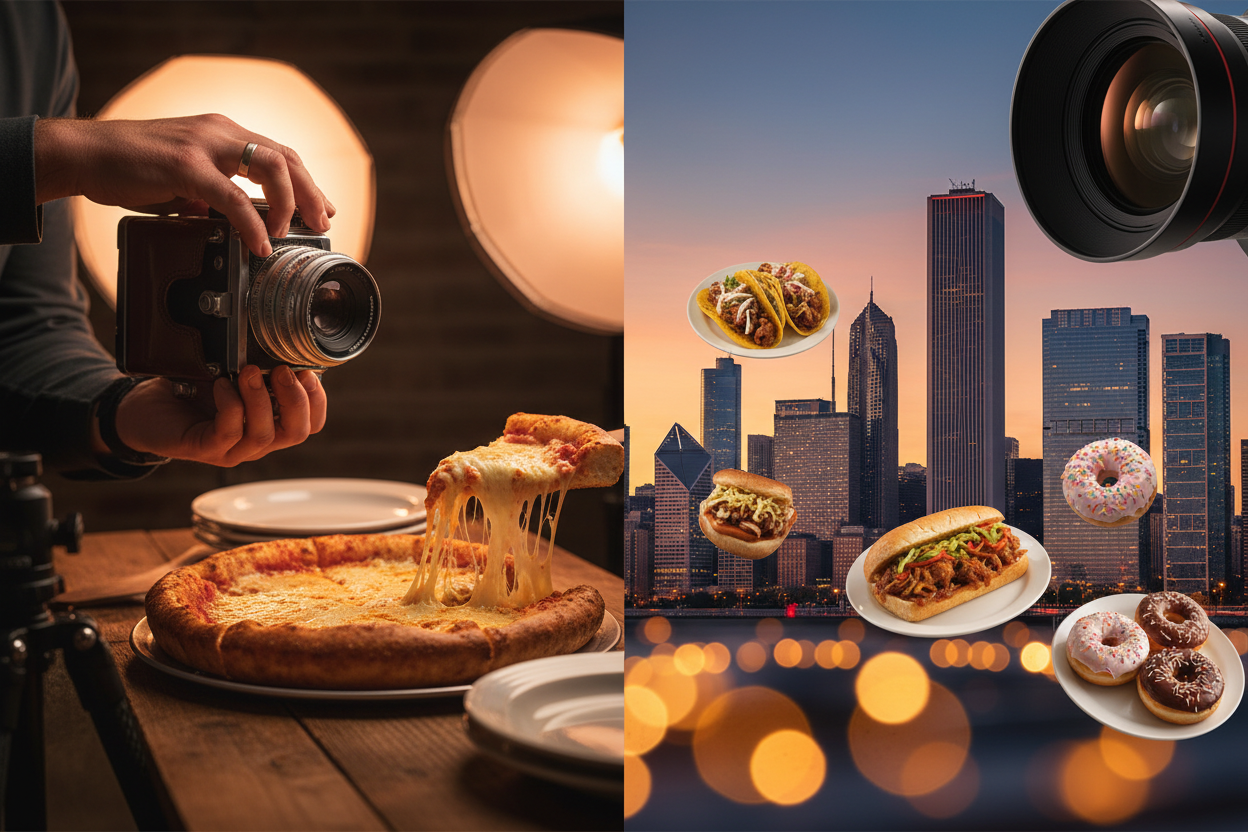
Lighting equipment becomes crucial when shooting in Chicago’s dimly lit restaurants. A compact LED panel or ring light can save the day when natural window light isn’t available. Consider investing in a small reflector to bounce light back onto your subject and eliminate harsh shadows that can make food look unappetizing.
Tripods might seem cumbersome in busy restaurants, but a lightweight travel tripod ensures sharp images in low-light conditions. Many Chicago eateries have moody, atmospheric lighting that requires slower shutter speeds – a tripod prevents camera shake that could ruin your perfect shot.
Mastering Lighting Techniques in Chicago Restaurants
Chicago’s restaurant lighting varies dramatically from venue to venue, and mastering different lighting scenarios is essential for consistent results. Many of the city’s most photogenic spots feature large windows that provide beautiful natural light during daytime hours.
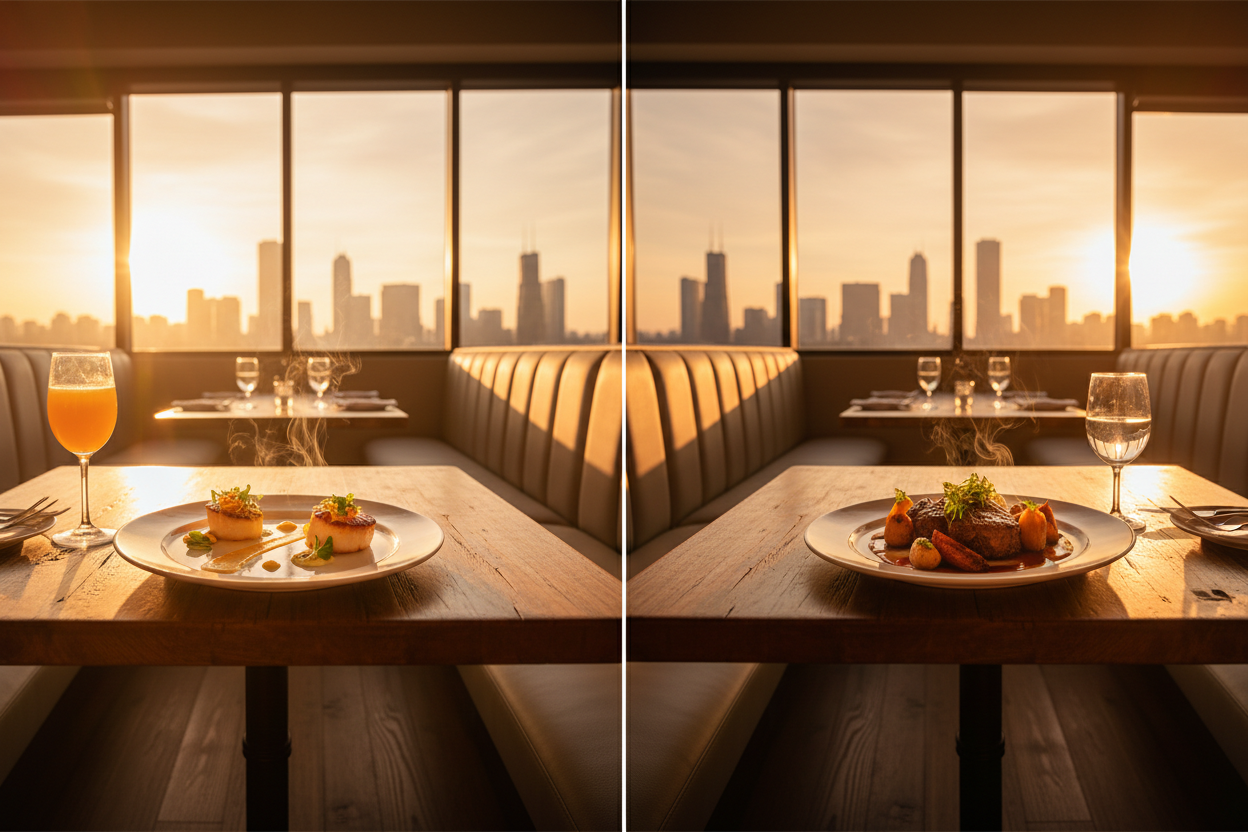
Window-lit tables at restaurants like Alinea or Girl & Goat offer soft, even illumination that makes colors pop naturally. Position yourself so the light falls across your dish at a 45-degree angle – this creates gentle shadows that add depth and dimension to your food photography.
Evening shoots present unique challenges but also opportunities. Chicago’s neon-lit diners and bars create dramatic color casts that can enhance certain dishes. The pink glow from a vintage diner sign might perfectly complement a strawberry milkshake, while the warm amber light in a craft brewery could make a pretzel and beer pairing look incredibly inviting.
When natural light isn’t sufficient, don’t be afraid to supplement with artificial lighting. A small LED panel positioned above and slightly behind your dish can mimic natural sunlight. Always shoot in RAW format when possible – this gives you maximum flexibility when adjusting white balance and exposure in post-processing.
Top Instagram-Worthy Dishes Across Chicago Neighborhoods
Chicago’s diverse neighborhoods each offer unique photographic opportunities, and knowing where to find the most visually striking dishes can make or break your food photography expedition.
The Loop delivers classic Chicago elegance with dishes that photograph beautifully against the backdrop of historic architecture. Italian beef sandwiches dripping with jus create dynamic action shots, while the geometric precision of fine dining presentations at restaurants like Oriole offer minimalist beauty that translates perfectly to Instagram.
West Loop has become a hotbed of photogenic cuisine, with restaurants designed specifically with social media in mind. The colorful bowls at Sweetgreen create perfect flat-lay opportunities, while the dramatic black walls at Au Cheval provide striking contrast for their famous cheeseburgers.
Logan Square and Wicker Park offer more eclectic, artisanal options that appeal to younger demographics. The rainbow bagels at Stan’s Donuts practically photograph themselves, while the elaborate ramen bowls in the area feature complex compositions with multiple textures and colors that create visually compelling images.
Don’t overlook Chicago’s ethnic enclaves – Pilsen’s vibrant Mexican cuisine offers incredible color palettes, while Chinatown’s dim sum creates interesting geometric patterns when arranged properly. These neighborhoods provide authentic cultural context that adds storytelling elements to your food photography.
Composition Secrets for Mouthwatering Food Photos
Great food photography goes beyond simply pointing and shooting – it requires thoughtful composition that guides the viewer’s eye and creates emotional connection with the dish.
The rule of thirds applies beautifully to food photography. Instead of centering your deep-dish pizza slice, position it along one of the imaginary grid lines. This creates more dynamic, visually interesting compositions that feel natural and engaging.
Overhead shots work particularly well for dishes with interesting patterns or multiple components. Chicago’s famous Italian beef spread across a checkered paper liner, or a collection of small plates from a tapas restaurant, benefit from this bird’s-eye perspective that shows the complete story of the meal.
Don’t forget about negative space – the empty areas around your subject. A single perfectly plated dish at a high-end Chicago restaurant might look more elegant with plenty of empty space around it, while a messy, indulgent hot dog might benefit from a tighter crop that emphasizes its abundance.
Leading lines can guide viewers through your composition. The steam rising from a hot bowl of soup, the drizzle of sauce across a plate, or even the grain pattern in a wooden table can create visual pathways that make your images more engaging and professional-looking.
Editing Tips for Professional-Looking Food Images
Post-processing can transform a good food photo into an extraordinary one, but the key is enhancing what’s already there rather than completely altering reality. Chicago food photography should feel authentic while still being visually stunning.
Start with basic adjustments – exposure, highlights, shadows, and whites. Chicago’s often overcast skies can make indoor shots appear flat, so don’t be afraid to add contrast and vibrance to make your dishes pop. However, be careful not to over-saturate colors, especially reds and oranges, which can quickly look artificial.
Sharpening and clarity adjustments help emphasize textures that make food look more appetizing. The crispy edges of a Chicago-style hot dog, the melted cheese stretching from a pizza slice, or the glistening surface of a chocolate dessert all benefit from careful sharpening that makes viewers almost taste the food through the screen.
Color grading can establish mood and consistency across your Chicago food photography portfolio. Warmer tones work well for comfort foods like deep-dish pizza or Italian beef, while cooler tones might better suit fresh salads or craft cocktails. Develop a consistent editing style that becomes part of your visual brand.
Local editing tools allow you to adjust specific areas of your image without affecting the entire photo. You might brighten just the food while leaving the background darker, or increase saturation only in certain color ranges to make specific ingredients stand out.
Best Times and Locations for Food Photography in Chicago
Timing can make or break your Chicago food photography session, and understanding the city’s rhythm helps you capture dishes at their most photogenic moments.
Golden hour – the hour after sunrise and before sunset – provides the most flattering natural light for food photography. Many Chicago restaurants with large windows, particularly those facing east or west, become photography goldmines during these times. The warm, soft light makes everything look more appetizing and creates that coveted “lifestyle” feel that performs well on social media.
Weekday lunch hours often provide better shooting conditions than busy weekend dinner rushes. Restaurants are typically less crowded, servers have more time to accommodate photography requests, and you’ll have better access to window seats with optimal lighting.
Chicago’s seasonal changes offer unique photographic opportunities. Summer brings outdoor dining scenes with natural light and urban backdrops, while winter’s cozy indoor atmospheres create intimate, warming imagery that resonates with viewers during cold months.
Consider the specific restaurant’s peak hours and plan accordingly. Popular brunch spots might be too crowded on weekend mornings, but perfect during weekday breakfast hours. Research restaurants’ busiest times and plan your visits during quieter periods when you can take time to compose shots properly.
Working with Chicago Restaurant Staff and Etiquette
Successful food photography in Chicago requires building positive relationships with restaurant staff and understanding proper etiquette that ensures everyone has a pleasant experience.
Always ask permission before photographing, especially when using additional lighting equipment or tripods. Most Chicago restaurants are accustomed to food photography, but showing respect and courtesy goes a long way toward getting cooperation and potentially even assistance with your shots.
Tip generously when staff accommodates your photography needs. If a server helps arrange dishes for better lighting or holds off on clearing plates while you shoot, acknowledge their assistance with appropriate compensation. This builds goodwill that benefits future visits and other photographers.
Be mindful of other diners’ experiences. Avoid using flash photography that might disturb neighboring tables, and keep equipment setups minimal and unobtrusive. Remember that restaurants are primarily businesses serving customers, not photography studios.
Consider reaching out to restaurants in advance, especially for larger productions or if you’re shooting for commercial purposes. Many Chicago establishments are happy to collaborate with photographers during slower periods, and some might even provide special arrangements or access to dishes specifically for photography.
Building Your Chicago Food Photography Portfolio
Creating a compelling portfolio that showcases Chicago’s diverse culinary scene requires strategic planning and consistent execution over time.
Document the full spectrum of Chicago’s food culture – from street food vendors to Michelin-starred establishments. This diversity demonstrates your versatility as a photographer and tells the complete story of the city’s culinary identity. Include iconic dishes like deep-dish pizza and Italian beef alongside lesser-known specialties that showcase your ability to discover and highlight hidden gems.
Develop a consistent visual style while still allowing each restaurant’s unique character to shine through. This might mean maintaining similar color grading and composition approaches while adapting to different lighting conditions and interior designs.
Tell stories through your images by including environmental context. Show the bustling energy of a busy kitchen, the elegant table settings of fine dining establishments, or the casual atmosphere of neighborhood joints. These contextual shots add depth to your portfolio and demonstrate your ability to capture more than just isolated dishes.
Collaborate with Chicago food bloggers, restaurant marketing teams, and culinary publications. These partnerships provide portfolio-building opportunities while establishing professional relationships within the city’s food community.
Conclusion
Chicago’s incredible food scene provides endless opportunities for creating stunning, Instagram-worthy photography that captures both the visual appeal of exceptional dishes and the unique character of this remarkable city. From mastering technical skills like lighting and composition to understanding the cultural context that makes each neighborhood’s cuisine special, successful food photography in Chicago requires both artistic vision and practical knowledge.
Remember that the best food photography tells a story – not just about the dish itself, but about the place, the people, and the experience of dining in Chicago. Whether you’re capturing the stretchy cheese of a deep-dish pizza slice or the delicate plating of a molecular gastronomy creation, focus on creating images that make viewers feel like they’re part of the experience.
Start with the basics – good lighting, thoughtful composition, and respectful restaurant etiquette – then gradually develop your own unique style that sets your Chicago food photography apart. With practice, patience, and genuine appreciation for the city’s incredible culinary diversity, you’ll be creating Instagram-worthy images that not only look professional but also celebrate everything that makes Chicago’s food scene truly special.