
The Complete Guide to Metra: Chicago’s Suburban Train Network Explained
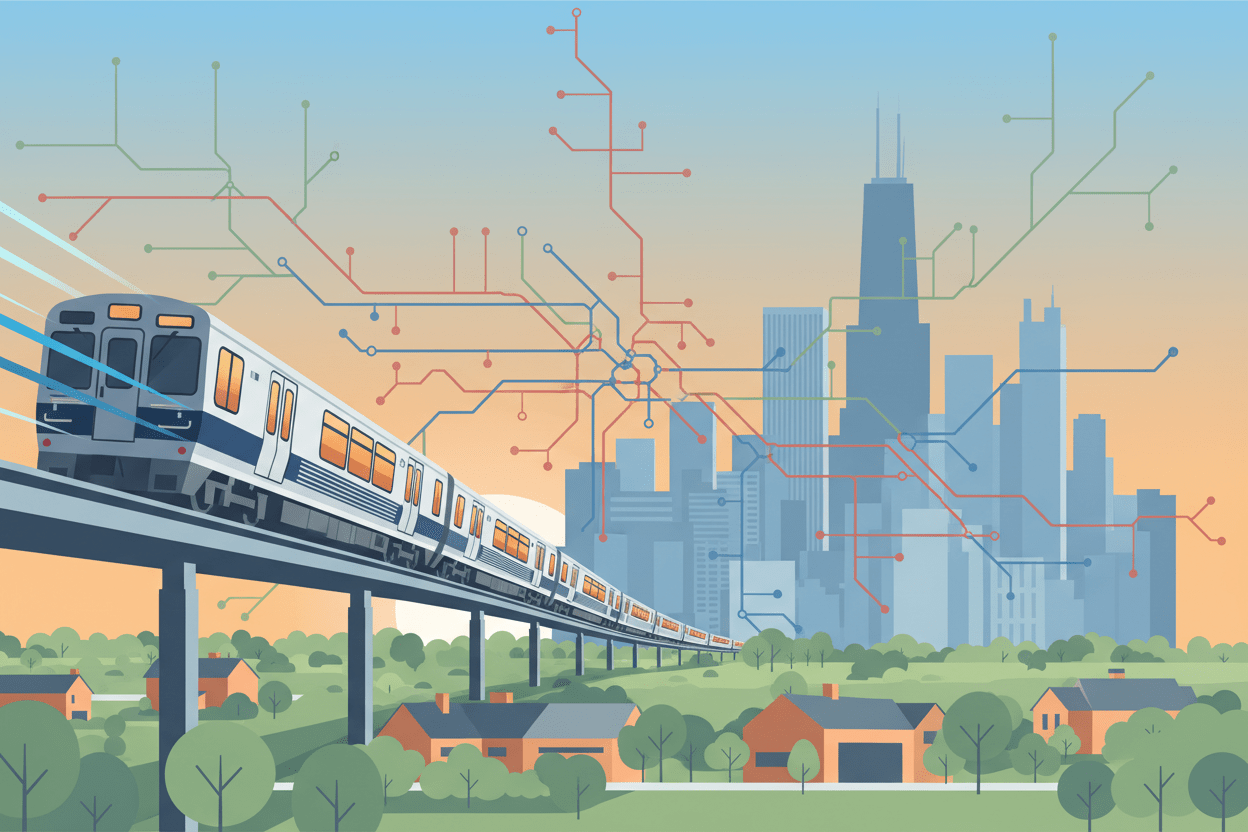
If you’ve ever found yourself stuck in Chicago’s notorious traffic, watching helplessly as minutes tick by on your commute, you’re not alone. Thousands of Chicagoland residents have discovered a better way to navigate the sprawling metropolitan area: Metra, the region’s comprehensive suburban rail network. Whether you’re a newcomer to the Windy City or a longtime resident considering ditching your car for the train, understanding Metra’s extensive system can transform your daily travel experience.
Metra isn’t just another public transportation option – it’s a lifeline connecting Chicago’s bustling downtown core with over 240 stations across six counties. From the lakefront communities of the North Shore to the historic towns dotting the Fox River Valley, Metra weaves together the diverse tapestry of Chicagoland into one interconnected network. This comprehensive guide will walk you through everything you need to know about navigating, understanding, and maximizing your experience with Chicago’s premier suburban rail system.
What is Metra and Why Does It Matter?
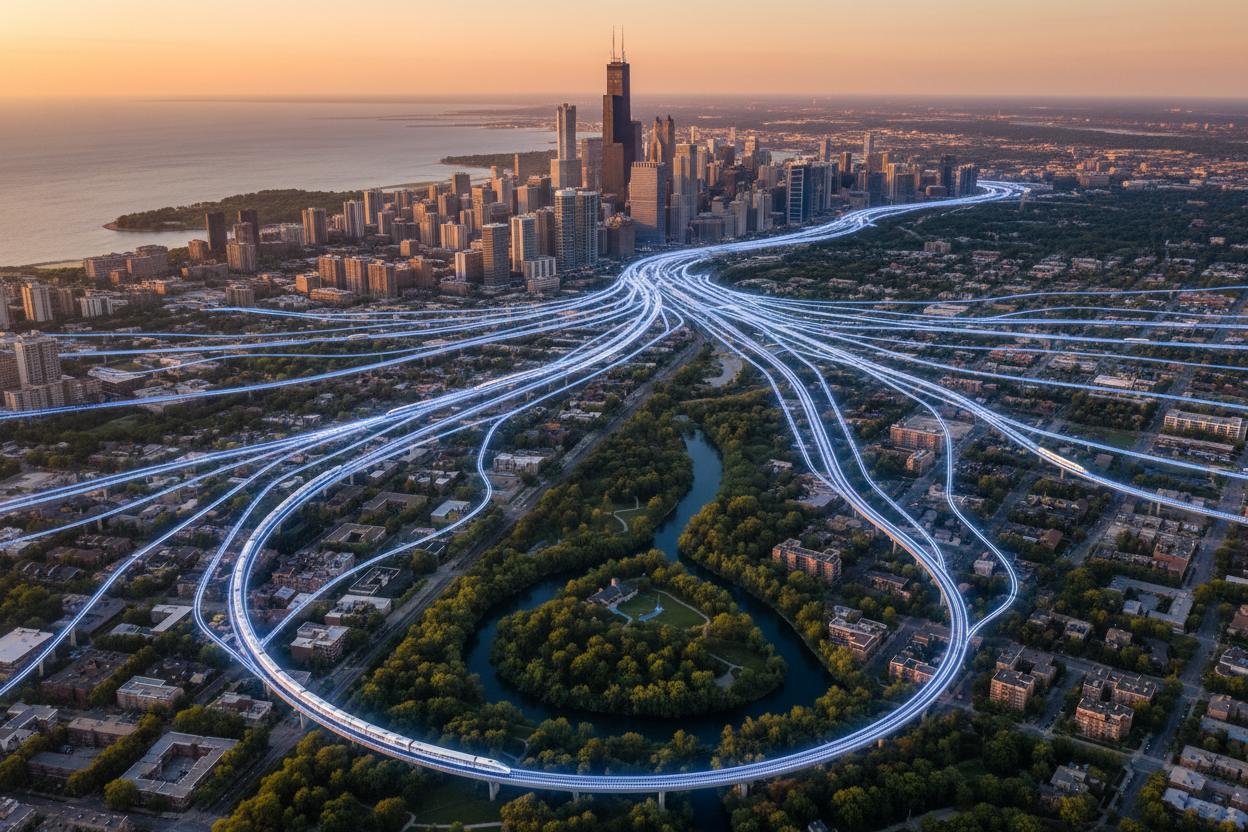
The Metropolitan Rail Corporation, better known as Metra, serves as the backbone of suburban Chicago transportation. Established in 1984, this commuter rail system operates 11 distinct lines radiating outward from Chicago’s downtown core like spokes on a wheel. Unlike the Chicago Transit Authority’s ‘L’ system that primarily serves the city proper, Metra extends far into the suburbs, reaching communities as distant as Kenosha, Wisconsin, and South Bend, Indiana.
What makes Metra particularly valuable is its role in reducing traffic congestion while providing reliable, weather-independent transportation. During peak rush hours, a single Metra train can carry as many passengers as would fill 600 cars on already crowded highways. For many suburban professionals, Metra transforms what could be a stressful, unpredictable drive into productive time for reading, working, or simply relaxing before the workday begins.
The system’s significance extends beyond mere convenience. Metra serves as an economic engine for the region, enabling businesses to tap into talent pools across multiple counties while allowing workers to live in communities that might otherwise be impractical for daily commuting. Many suburban towns have grown and thrived specifically because of their Metra connections, with property values often reflecting proximity to stations.
Understanding Metra’s 11 Lines: Your Route to Success
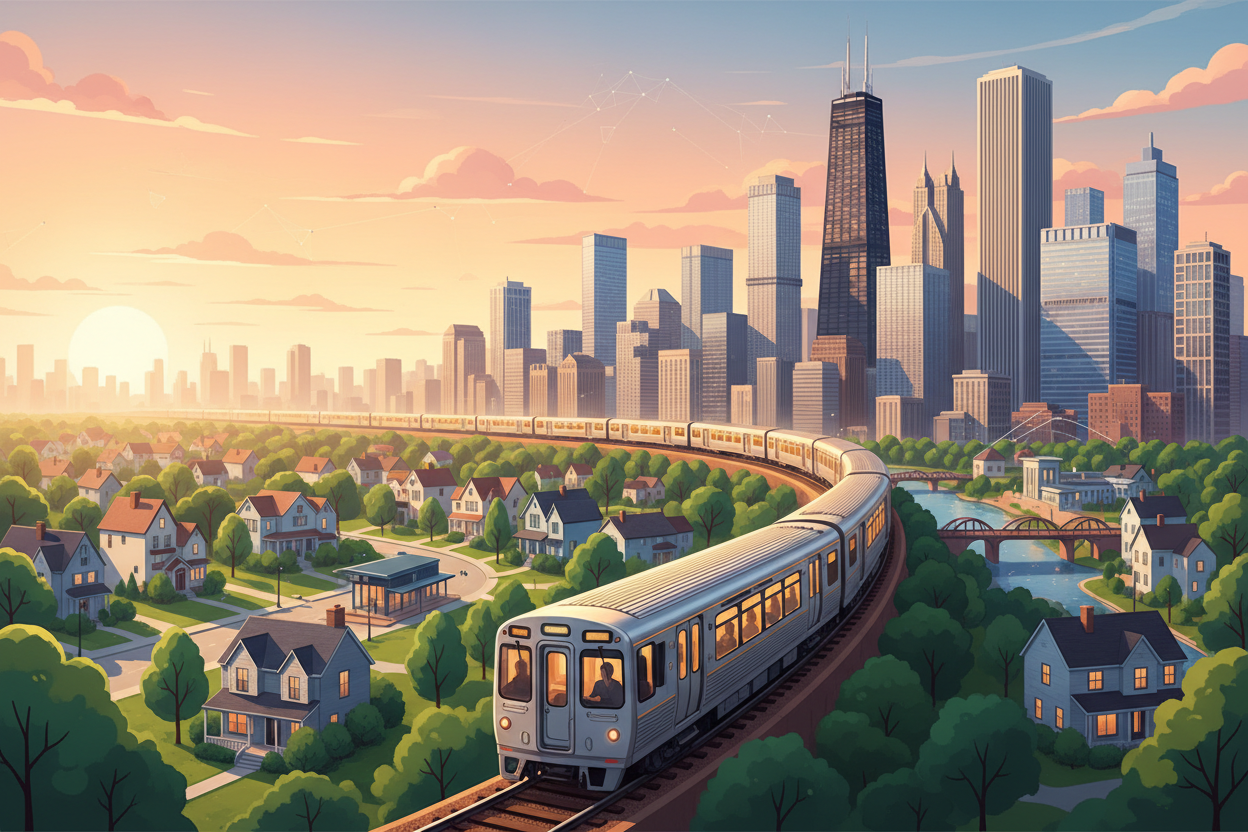
Navigating Metra begins with understanding its 11 color-coded lines, each serving different geographic areas and communities. The system’s design reflects Chicago’s natural geography and historical development patterns, with most lines terminating at one of four downtown Chicago stations: Union Station, Ogilvie Transportation Center, LaSalle Street Station, or Millennium Station.
The Union Pacific lines – including UP-North, UP-Northwest, and UP-West – represent some of Metra’s busiest routes, serving affluent North Shore and northwestern suburban communities. The UP-North line, for instance, connects downtown Chicago with picturesque lakefront towns like Winnetka and Lake Forest, while the UP-Northwest extends to Harvard, Illinois, passing through Des Plaines and Arlington Heights.
The BNSF Railway line stands out as Metra’s highest-ridership route, stretching westward through suburbs like Naperville, Aurora, and ultimately reaching Aurora. This line exemplifies Metra’s role in supporting Illinois’s technology corridor, with many passengers commuting to jobs in both downtown Chicago and suburban business centers.
Electric lines, including the Metra Electric and South Shore lines, serve Chicago’s South Side and extend into Indiana. These lines offer frequent service and connect diverse communities, from Hyde Park’s academic institutions to the industrial areas of South Chicago and beyond to Michigan City, Indiana.
Mastering Metra Schedules and Service Patterns
Understanding Metra’s scheduling philosophy is crucial for successful trip planning. Unlike urban transit systems that operate on frequent, consistent intervals throughout the day, Metra follows a commuter-oriented schedule designed around traditional work patterns. This means robust service during morning and evening rush hours, with more limited options during midday, evenings, and weekends.
Peak service typically runs from 6:00 AM to 9:00 AM inbound to Chicago and 4:30 PM to 7:00 PM outbound to the suburbs. During these periods, most lines offer trains every 30 to 60 minutes, with some high-demand routes providing even more frequent service. However, midday service often drops to every two hours, and weekend service can be significantly reduced on some lines.
Express and local service patterns add another layer of complexity but also opportunity for time savings. Express trains skip numerous stations to provide faster service to major destinations, while local trains stop at every station along the route. Understanding which stations your destination train serves can mean the difference between a 45-minute commute and a 75-minute journey.
Seasonal variations also affect Metra operations. Summer schedules often include special event trains for festivals and Cubs games, while winter weather can occasionally impact service reliability. Smart Metra users learn to build flexibility into their travel plans and always have backup options available.
Ticket Options and Fare Structure Decoded
Metra’s fare system operates on a zone-based structure that reflects the distance traveled from downtown Chicago. The system divides the service area into zones A through M, with Zone A covering downtown Chicago and the zones extending outward alphabetically. Your fare depends on how many zones you cross during your journey, making longer trips proportionally more expensive.
Single-ride tickets remain available but represent the most expensive way to use Metra regularly. For frequent travelers, monthly passes offer substantial savings – often paying for themselves after just 15-20 round trips. Ten-ride tickets provide a middle ground for occasional users, offering a modest discount while maintaining flexibility.
The Ventra app has revolutionized Metra ticketing, allowing passengers to purchase and activate tickets directly on their smartphones. Mobile tickets eliminate the need to carry cash or visit ticket machines, and they can be purchased right up until boarding time. However, paper tickets purchased from conductors on board carry a surcharge, making advance purchase financially advantageous.
Weekend passes offer exceptional value for recreational travelers, providing unlimited rides on Saturdays and Sundays for less than the cost of a single round-trip to many destinations. These passes have opened up new possibilities for car-free exploration of Chicagoland’s suburbs, from visiting museums in Evanston to hiking in the Fox River Valley.
Station Amenities and Accessibility Features
Metra stations vary dramatically in their amenities and accessibility features, reflecting both the age of the system and the diverse communities it serves. Downtown terminals like Union Station and Ogilvie Transportation Center offer extensive amenities including restaurants, shops, and comfortable waiting areas with climate control. These major hubs also provide comprehensive accessibility features, including elevators, tactile guidance systems, and accessible restrooms.
Suburban stations range from simple platforms with basic shelters to substantial facilities with heated waiting areas, parking structures, and retail services. Many stations feature park-and-ride lots, though parking availability and costs vary significantly by location and demand. Popular suburban stations often fill their parking lots early during weekdays, making arrival timing crucial for drivers.
Accessibility improvements continue across the Metra system, with ongoing projects to add elevators, improve platform access, and enhance services for passengers with disabilities. However, some older stations still present challenges, and passengers with mobility needs should research specific station features before traveling.
Bike storage facilities at many stations reflect Metra’s integration with other transportation modes. Covered bike racks, and in some cases secure bike lockers, enable multi-modal commuting that combines cycling with rail travel. This combination has become increasingly popular as communities develop bike-friendly infrastructure connecting neighborhoods to Metra stations.
Tips for a Smooth Metra Experience
Successful Metra commuting involves more than just knowing schedules and fares – it requires understanding the system’s culture and unwritten rules. Experienced riders know to board quickly and move toward the center of cars to make room for other passengers. During rush hours, offering seats to elderly passengers and those with disabilities isn’t just courteous – it’s expected.
Quiet cars, available on most trains during peak hours, provide havens for passengers who prefer minimal noise for reading, working, or resting. These cars enforce strict policies against loud conversations, phone calls, and electronic devices without headphones. Understanding and respecting quiet car etiquette can significantly enhance your commuting experience.
Weather preparedness becomes crucial during Chicago’s harsh winters. Trains generally operate in all but the most severe weather conditions, but delays can occur. Dressing warmly for potentially extended waits on outdoor platforms and keeping emergency supplies like phone chargers can make winter commuting more manageable.
Building relationships with regular conductors and fellow commuters can provide valuable real-time information about service disruptions, alternative routes, and local insights. The Metra community often shares information about delays, parking availability, and special events that might affect travel plans.
Future of Metra: Modernization and Expansion Plans
Metra continues evolving to meet changing transportation needs and passenger expectations. The Positive Train Control system implementation has enhanced safety across the network, while ongoing infrastructure improvements focus on reducing travel times and increasing reliability. New rail cars with improved accessibility features, better climate control, and enhanced passenger amenities are gradually replacing older equipment.
Electrification studies for diesel lines could eventually provide faster, more environmentally friendly service on routes currently served by diesel locomotives. These improvements would reduce travel times while supporting regional sustainability goals. Additionally, discussions about extending existing lines and potentially adding new routes continue as suburban communities grow and transportation patterns evolve.
Technology integration remains a priority, with improvements to real-time tracking, mobile ticketing capabilities, and passenger information systems. Future developments may include dynamic pricing, integrated payment systems with other transit agencies, and enhanced connectivity features that support remote work during commutes.
Making Metra Work for Your Lifestyle
Metra represents more than transportation – it’s a gateway to reimagining how you live and work in the Chicago metropolitan area. For many passengers, the daily train commute becomes a cherished routine that provides structure, community, and even productivity that car commuting simply cannot match. The key to maximizing Metra’s benefits lies in understanding how the system aligns with your specific needs and lifestyle preferences.
Whether you’re considering a move to the suburbs, starting a new job in downtown Chicago, or simply looking for alternatives to driving, Metra offers possibilities that extend far beyond basic transportation. The system connects not just places, but communities and opportunities throughout one of America’s most dynamic metropolitan regions. With proper planning and realistic expectations, Metra can transform your relationship with commuting from a necessary evil into a valuable part of your daily routine.
As Chicago continues growing and evolving, Metra remains an essential thread in the fabric that binds the region together. Understanding and utilizing this remarkable transportation resource opens doors to the full richness of Chicagoland living, from lakefront tranquility to urban excitement, all accessible through the window of a Metra train.