
Soldier Field: How the Chicago Bears’ Stadium Blends History with Modern Design
Standing majestically on the shores of Lake Michigan, Soldier Field represents one of the most fascinating architectural stories in professional sports. This iconic Chicago Bears stadium has undergone a remarkable transformation that perfectly captures the delicate balance between preserving historical significance and embracing cutting-edge modern design. What makes this venue truly special isn’t just its role as the home of the Bears, but how it manages to honor the past while boldly stepping into the future.
The story of Soldier Field is one of evolution, controversy, and ultimate triumph. When you walk through its gates today, you’re experiencing a unique architectural phenomenon where classical columns stand shoulder-to-shoulder with sleek glass facades, creating a visual dialogue between different eras of American design philosophy.
The Rich Historical Foundation of Soldier Field
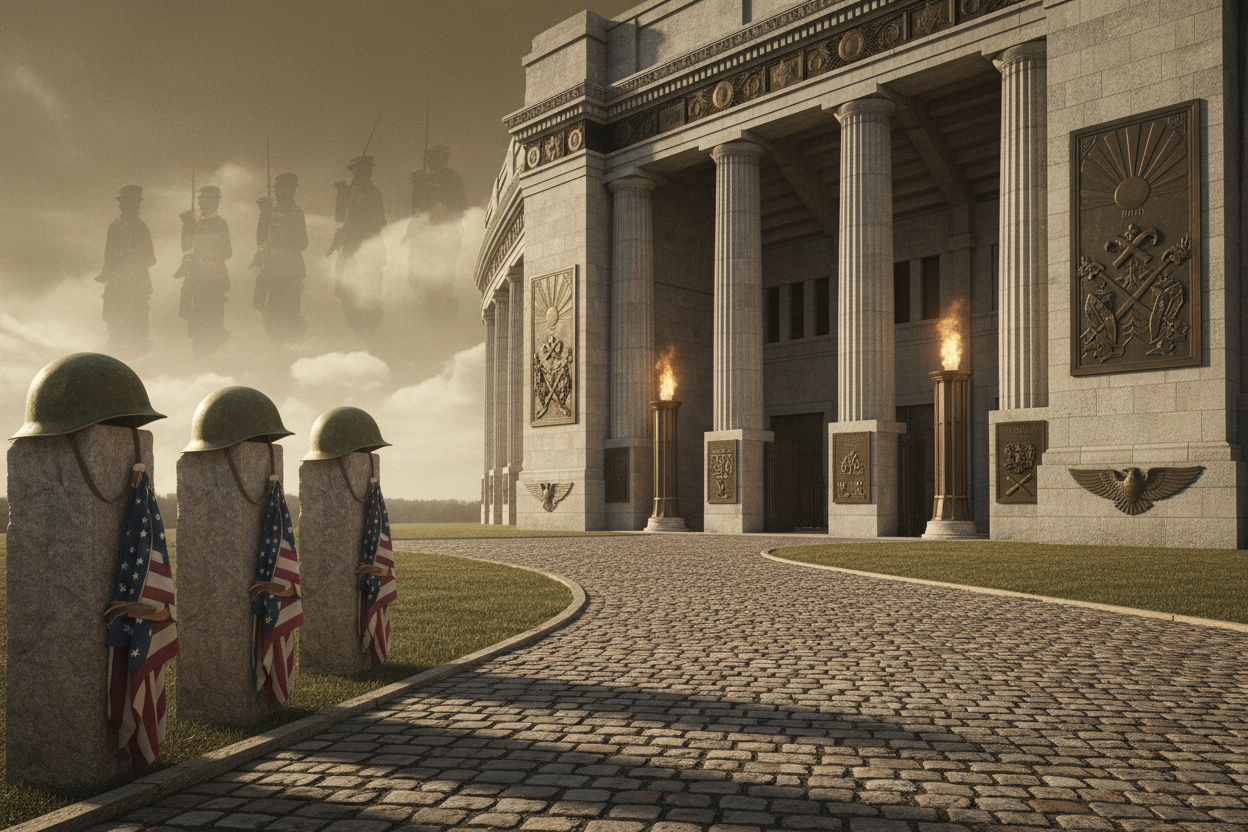
Before we dive into the modern marvels, it’s essential to understand the deep historical roots that make Soldier Field so significant. Originally opened in 1924, the stadium was designed by the architectural firm Holabird & Roche as a memorial to American soldiers who fought in World War I. The name “Soldier Field” wasn’t chosen lightly – it was meant to honor those who made the ultimate sacrifice for their country.
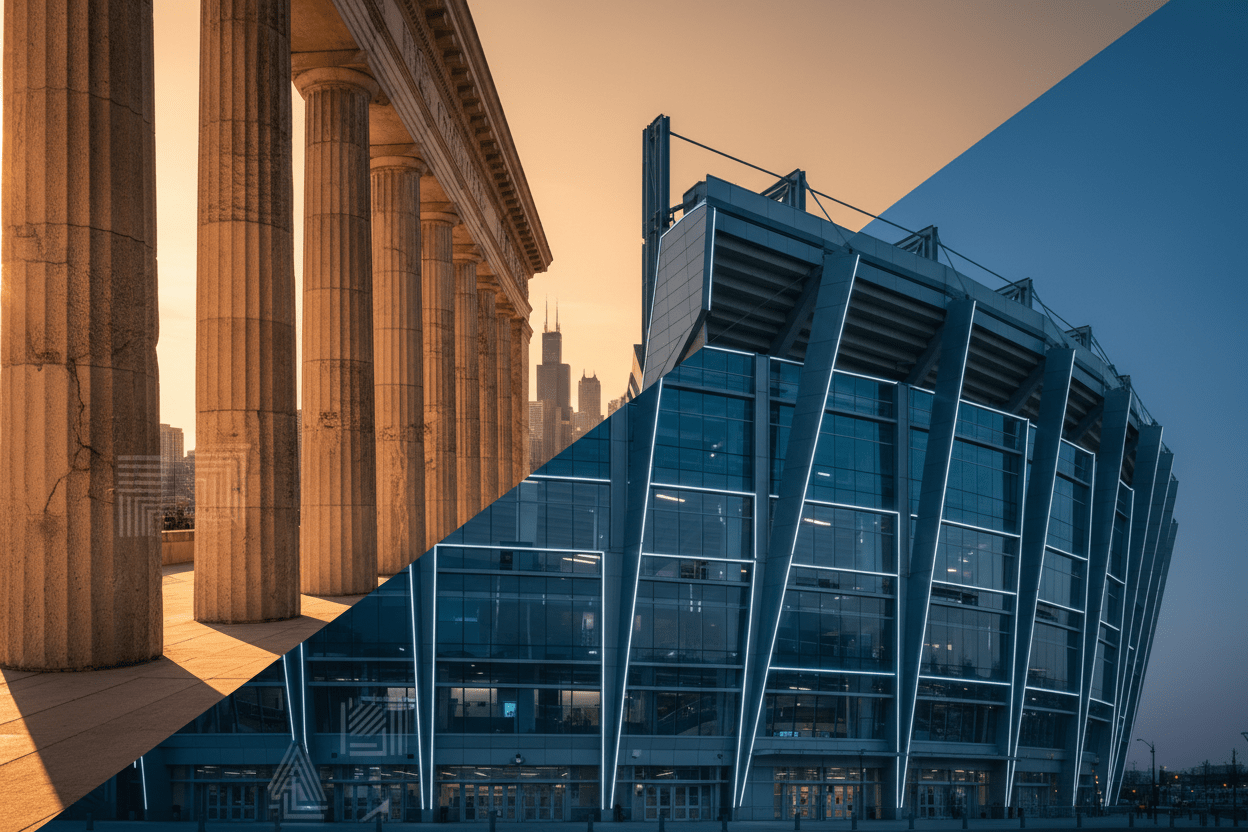
The original neoclassical design featured imposing limestone colonnades that gave the stadium an almost temple-like appearance. These columns, inspired by ancient Greek and Roman architecture, were intended to convey permanence, dignity, and reverence. For nearly eight decades, this classical structure served as more than just a sports venue; it was a cultural landmark that hosted everything from political rallies to major concerts.
The Chicago Bears called Soldier Field home starting in 1971, but the relationship between team and stadium wasn’t always smooth. The original structure, while historically significant, lacked many of the amenities that modern NFL teams and fans expected. This tension between historical preservation and practical necessity would eventually lead to one of the most ambitious stadium renovation projects in sports history.
The Bold 2003 Renovation: A Design Revolution
The turn of the millennium brought with it a bold vision for Soldier Field’s future. The 2003 renovation, designed by Wood + Zapata architects, was nothing short of revolutionary. Rather than demolishing the historic structure entirely, the architects chose an approach that was both respectful and radical: they would preserve the iconic colonnades while creating an entirely new stadium within and around the original framework.
This wasn’t just a renovation – it was architectural surgery of the highest order. The project required careful dismantling of portions of the original structure, preservation of the most significant historical elements, and integration of state-of-the-art facilities that would meet 21st-century standards. The result was a stadium that looks like nothing else in professional sports.
The new design features a striking contrast between the warm, honey-colored limestone of the original colonnades and the sleek, contemporary materials of the modern additions. Glass, steel, and concrete were used to create soaring new seating areas, luxury suites, and fan amenities that dramatically improved the game-day experience while maintaining visual connections to the stadium’s storied past.
Architectural Elements: Where Classical Meets Contemporary
The genius of Soldier Field’s current design lies in how seamlessly it weaves together architectural elements from different centuries. The preserved colonnades serve as more than just historical artifacts – they’re integral to the stadium’s structural and aesthetic identity. These massive limestone columns, each weighing several tons, were carefully restored and incorporated into the new design as both functional supports and symbolic anchors to the past.
Above these classical elements, the modern addition seems to float like a contemporary crown. The new upper decks are supported by an innovative steel framework that allows for unobstructed views while creating dramatic cantilevers that extend over the field. This engineering marvel ensures that even fans in the highest seats feel connected to the action below.
The use of glass throughout the modern portions serves multiple purposes. It provides natural light to interior spaces, creates visual transparency that connects indoor and outdoor areas, and offers spectacular views of the Chicago skyline and Lake Michigan. On clear days, the interplay between the historic stone, modern glass, and the natural beauty of the lakefront creates a visual experience that’s truly breathtaking.
Modern Amenities Meet Historic Charm
One of the greatest challenges in renovating Soldier Field was incorporating modern amenities without compromising the historical integrity of the site. The solution involved creative use of space both above and below ground level. The renovation added over 100 luxury suites, club seating areas, and improved concession facilities, all while working within the constraints of the preserved historical structure.
The modern amenities include state-of-the-art sound systems, high-definition video boards, and climate-controlled indoor spaces that provide comfort regardless of Chicago’s notoriously unpredictable weather. The integration of these technologies required innovative engineering solutions that hide much of the infrastructure within the structure itself, maintaining clean sight lines and preserving the architectural integrity of both old and new elements.
Perhaps most impressively, the renovation managed to improve accessibility throughout the stadium. Modern elevators, ramps, and accessible seating areas were seamlessly integrated into the design, ensuring that all fans can enjoy the Soldier Field experience regardless of physical limitations. This attention to inclusivity represents a modern value system being respectfully integrated into a historical framework.
The Controversial Beauty: Public Reception and Architectural Criticism
Not everyone was immediately convinced that the Soldier Field renovation was a success. The dramatic contrast between old and new elements sparked intense debate among architecture critics, Chicago residents, and Bears fans. Some praised the bold vision and innovative approach to historical preservation, while others felt that the modern additions overwhelmed or disrespected the original structure.
The controversy reached such heights that the stadium lost its status as a National Historic Landmark due to the extensive modifications. However, time has been kind to the renovation. As visitors and critics have had more opportunity to experience the space, appreciation for the architects’ vision has grown. The stadium has won several architectural awards and is now widely regarded as a successful example of how to blend historical preservation with contemporary functionality.
What’s particularly interesting about the public reception is how it has evolved along generational lines. Younger fans, who didn’t experience the original stadium, tend to appreciate the modern amenities and striking visual contrasts. Older fans, while sometimes nostalgic for the original structure, have generally come to appreciate how the renovation preserved the most meaningful historical elements while dramatically improving the fan experience.
Engineering Marvels Behind the Design
The technical challenges involved in renovating Soldier Field were extraordinary. Engineers had to figure out how to support modern seating for over 61,000 fans while working around and through a structure that was nearly 80 years old. The solution involved a complex system of new foundations, steel frameworks, and innovative support systems that distribute weight in ways the original architects never could have imagined.
One of the most impressive engineering achievements is the way the new upper decks cantilever over the field without requiring support columns that would obstruct views. This was accomplished through the use of massive steel trusses and tension cables that transfer loads back to the main support structure. The result is an seemingly impossible architectural feat that appears to defy gravity.
The integration of modern building systems – heating, cooling, electrical, and data networks – into the historical structure required creative routing and concealment strategies. Much of this infrastructure is hidden within the walls and structural elements, maintaining the clean aesthetic lines that make the stadium so visually striking.
Soldier Field’s Impact on Stadium Design Philosophy
The success of Soldier Field’s renovation has influenced stadium design philosophy far beyond Chicago. The project demonstrated that historical preservation and modern functionality don’t have to be mutually exclusive. This has encouraged other cities facing similar challenges with aging sports venues to consider renovation and adaptive reuse rather than demolition and replacement.
The design principles pioneered at Soldier Field – respecting historical elements while boldly introducing contemporary features – have been applied to stadium projects around the world. The idea that architectural contrast can create visual interest and cultural dialogue has become an accepted approach in sports facility design.
More broadly, Soldier Field has contributed to conversations about urban development, historical preservation, and the role of sports venues in city identity. The stadium proves that it’s possible to honor the past while embracing the future, creating spaces that serve multiple generations and multiple purposes.
The Future of Historic Stadium Design
As Soldier Field approaches its third decade in its current form, it continues to evolve. Ongoing improvements and updates demonstrate that the blend of historical and modern elements creates a flexible framework for continued development. Recent additions have included upgraded technology systems, improved sustainability features, and enhanced fan amenities, all integrated in ways that respect the established architectural dialogue between old and new.
The stadium’s success has also sparked discussions about future renovations and improvements. The modular nature of the modern additions means that updates can be made without compromising the historical elements, ensuring that Soldier Field can continue to serve the Chicago Bears and the city for generations to come.
Looking ahead, Soldier Field serves as a model for how sports venues can evolve while maintaining their cultural and historical significance. As other cities face decisions about aging stadiums, the Soldier Field example offers a compelling alternative to the demolish-and-rebuild approach that dominated stadium development for much of the late 20th century.
Conclusion: A Living Monument to Design Innovation
Soldier Field stands today as more than just the home of the Chicago Bears – it’s a testament to the power of thoughtful design and the possibility of honoring history while embracing progress. The stadium’s unique blend of classical and contemporary elements creates an architectural experience that’s both respectful of the past and optimistic about the future.
The success of this ambitious renovation project lies not just in its technical achievements, but in its demonstration that seemingly incompatible design philosophies can work together to create something greater than the sum of their parts. The limestone colonnades and glass facades don’t compete with each other; they engage in an ongoing architectural conversation that enriches the experience of everyone who visits.
For Chicago Bears fans, Soldier Field offers the best of both worlds: a connection to the team’s history and traditions, combined with modern amenities that enhance every aspect of the game-day experience. For architecture enthusiasts, it represents a bold and successful experiment in adaptive reuse and historical preservation. And for the city of Chicago, it serves as a symbol of how respect for the past can coexist with innovation and progress.
As you stand in Soldier Field today, whether you’re cheering for the Bears or simply admiring the architecture, you’re experiencing a unique moment where history and modernity intersect. It’s a reminder that the best design solutions often come not from choosing between old and new, but from finding creative ways to honor both.