Published July 20, 2026
You're planning your first trip to Chicago, and you want to stay somewhere that feels authentic, safe, and actually walkable. The last thing you need is to end up in a neighborhood where you feel isolated or spend your entire visit in an Uber. The good news: Chicago has stunning residential areas that welcome visitors and deliver real cultural experiences.
Whether you're into world-class museums, lakefront strolls, or hidden cocktail bars, your neighborhood choice makes or breaks your trip. Let's walk through the best Chicago neighborhoods that work for first-timers, so you can book with confidence and explore like a local.
Related: Best Chicago Neighborhoods for Food in 2026
Downtown & The Loop: The Safe, Connected Hub
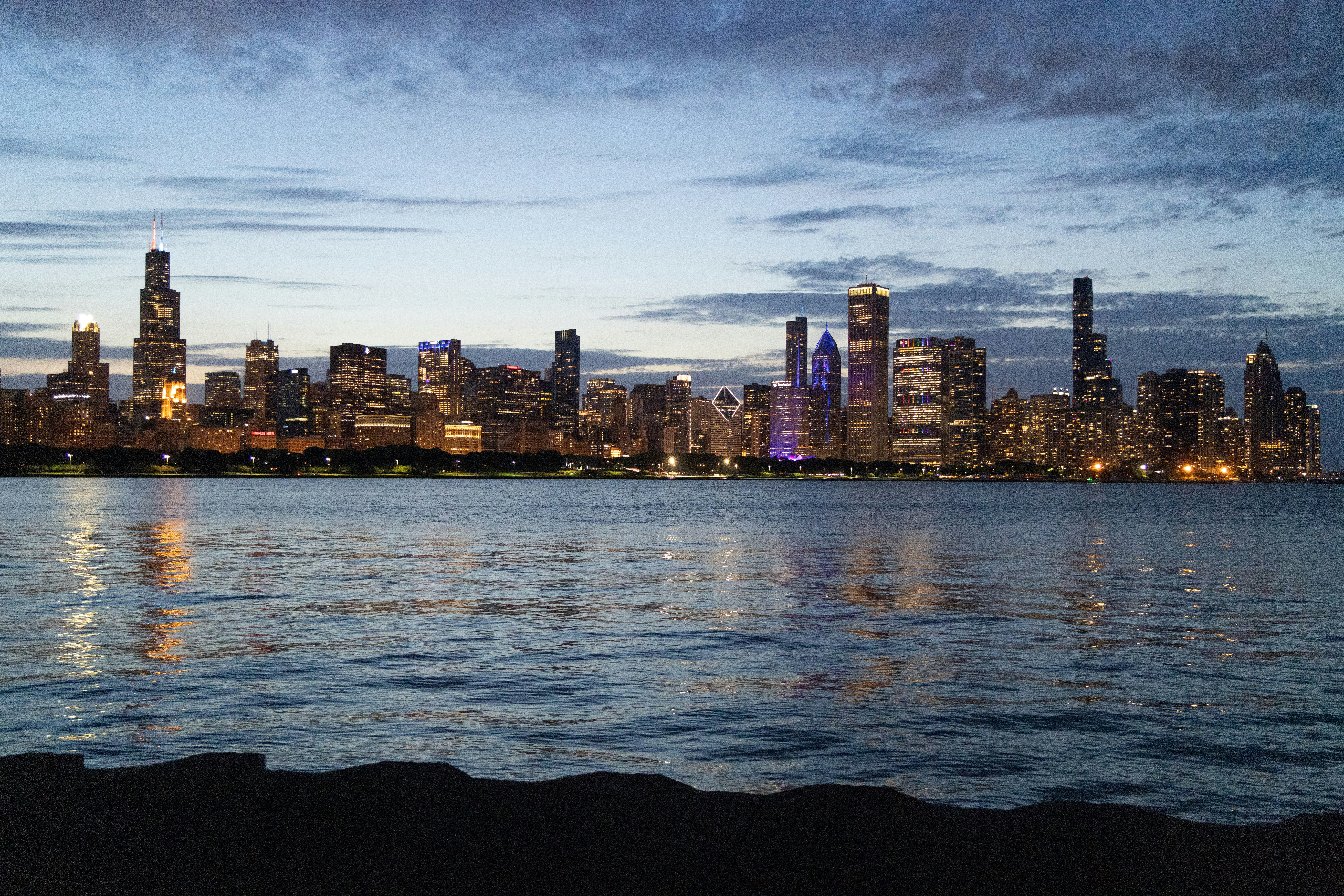
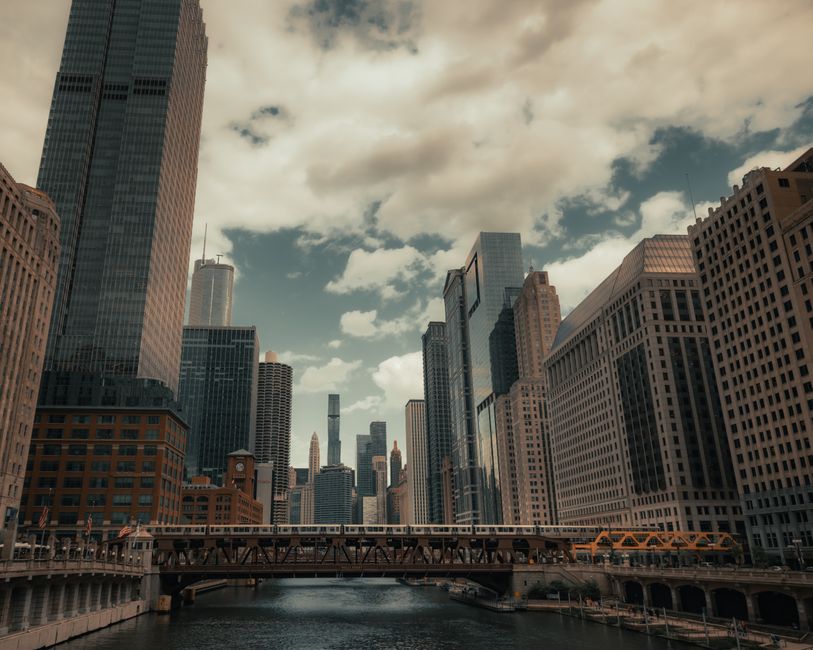
If this is your first Chicago visit, The Loop is the obvious choice. It's where the iconic skyline lives, the transit system is most reliable, and you can walk to major attractions without stress. The neighborhood sits at the intersection of Lake Michigan and the Chicago River, giving you natural beauty alongside urban energy.
Related: Best Chicago Cultural Attractions for Visitors in 2026
You'll find the Art Institute, Millennium Park, and State Street shopping all within walking distance. The elevated train (the 'L') connects here, so getting anywhere else in the city is straightforward. Hotels in this area tend to be pricier, but you save money on transportation and taxis.
Safety-wise, The Loop and surrounding downtown areas are well-policed and heavily trafficked during the day. Evening foot traffic varies by block, so stick to main streets after dark. If you want curated local perspective on where to eat and explore near your hotel, Chicago Beautiful has detailed neighborhood guides that show you the real gems.
River North & Gold Coast: Upscale But Accessible
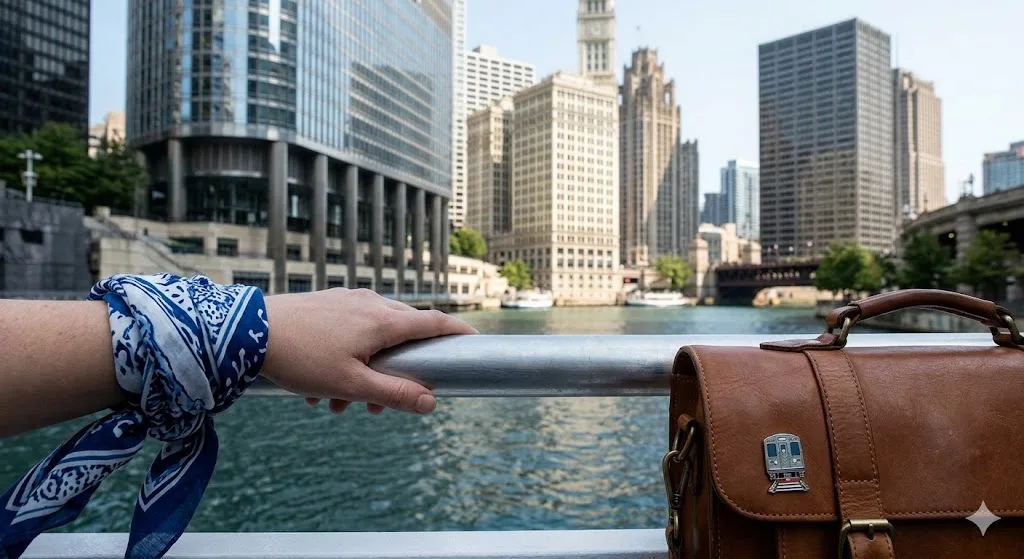
River North sits just north of The Loop and feels more residential while staying connected. Galleries, boutiques, and farm-to-table restaurants line the streets here. If you're staying near the Chicago River, you get water views and a cooler vibe than the downtown tourist corridor.
Gold Coast, immediately east, is Chicago's historic wealthy neighborhood. Tree-lined streets, brownstones, and the feeling of old money. You're near Lake Shore Drive and Lincoln Park Zoo, plus some of the city's best independent bookstores and coffee shops. Both neighborhoods are very safe for visitors and feel like you're actually living in the city, not just touring it.
The trade-off: dining and hotels are premium-priced. But if you want to experience Chicago the way locals do in nice neighborhoods, Gold Coast delivers. Chicago Beautiful residents recommend these areas for visitors who appreciate walkable, quieter exploration.
Lincoln Park: Museums, Lake, and Nightlife
Lincoln Park is probably the most visitor-friendly neighborhood in Chicago. You get the free Lincoln Park Zoo, the Chicago History Museum, and direct lake access along Lincoln Park itself. The neighborhood sprawls from the park eastward, with tree-lined residential streets that feel safe and inviting.
Armitage Avenue and Clark Street are the main commercial corridors packed with independent shops, restaurants, and bars. You can spend a full day just walking here and stumbling onto places you didn't expect. Saturday mornings bring the Lincoln Park Farmers Market (seasonal), and the neighborhood hosts a genuine mix of long-time residents, young professionals, and visitors.
Safety is solid throughout Lincoln Park. It's one of Chicago's most established neighborhoods, with consistent police presence and high foot traffic. Hotels and vacation rentals are abundant at various price points, so you can find something that fits your budget without compromising on neighborhood quality.
Wicker Park & Bucktown: Creative, Affordable, Real
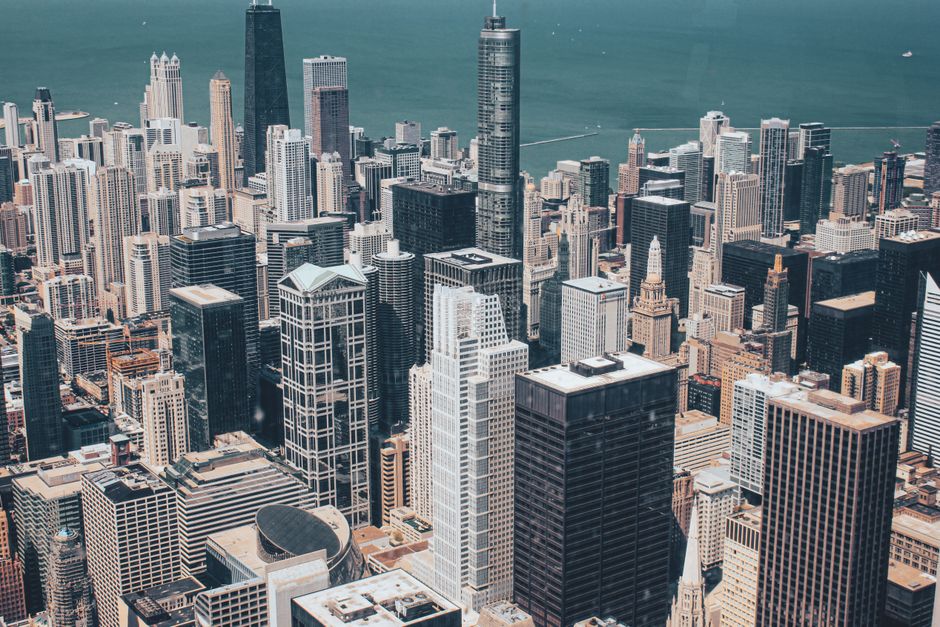
If you want to feel like you're staying where actual Chicagoans live, head west to Wicker Park and Bucktown. These neighborhoods used to be Chicago's artist hubs, and while they've gentrified, they still pulse with independent galleries, vintage shops, craft breweries, and some of the city's best tacos and ramen.
Related: Best Things to Do in Wicker Park Chicago Right Now
You'll see street murals, hear live music spilling from smaller venues, and run into locals at coffee shops who actually live there (not just visiting). The Milwaukee Avenue corridor connects both neighborhoods and has become a legitimate destination street. Nightlife here is younger and more casual than downtown areas.
Safety has improved significantly over the last decade. These neighborhoods are well-lit, busy in evenings, and have become genuinely welcoming to visitors. You will see more homeless individuals here than in Gold Coast or The Loop, which is just honest context. But if you want authentic Chicago culture without the tourist markup, Wicker Park is where it happens. When you're planning your stay, Chicago Beautiful guides can help you find the best local spots that don't make it into standard travel guides.
Related: Best Chicago Travel Guides 2026: Top 5 Ranked
Neighborhoods to Skip on Your First Visit
Let's be direct: some Chicago neighborhoods have significantly higher crime rates and aren't set up for visitor infrastructure. According to city crime data, neighborhoods like Roseland, West Garfield Park, Chicago Lawn, Washington Park, West Englewood, and surrounding areas experience violent crime at rates well above the city average. There's rarely a reason for a first-time visitor to travel to these areas, and your safety and comfort should come first.
This doesn't mean these neighborhoods are inherently bad or that residents aren't wonderful. It means your first Chicago experience should focus on well-established visitor areas where you can move around safely and find what you came for. You can always explore deeper neighborhoods on future visits when you know the city better.
How to Choose Your Chicago Neighborhood
Ask yourself three questions:
- What are you here to do? Museum-heavy itinerary? Stay downtown or near Museum Campus. Want nightlife and restaurants? Lincoln Park or Wicker Park. Beach and lake focus? Lincoln Park or Gold Coast.
- What's your budget? Downtown and Gold Coast run higher. Lincoln Park is mid-range. Wicker Park offers better value without sacrificing safety or walkability.
- Do you want to feel like a tourist or a resident? The Loop puts you in tourist center. Lincoln Park, Wicker Park, and Bucktown feel like you're living in the city.
Chicago's transit system (the 'L') connects most neighborhoods, so even if you're not downtown, you can reach major attractions in 15-30 minutes. But your first visit works best when your neighborhood itself is an attraction, not just a place to sleep.
Making Your Chicago Neighborhood Decision
Once you've picked your neighborhood, you need detailed local context for restaurants, bars, coffee shops, and side streets worth exploring. Generic travel guides miss the real Chicago. That's why Chicago Beautiful exists: to give you the insider perspective that makes your trip feel less like tourism and more like you actually live here.
Book your neighborhood based on what experience you want. Then use local resources to fill in the details. You'll thank yourself when you're sitting in a coffee shop on a quiet street, sipping something great, and realizing you actually understand why Chicagoans love their city.
Is the L train reliable for getting around Chicago?
Yes. The Chicago L (elevated/subway system) runs 24/7 on most lines and connects all major neighborhoods and attractions. Service frequency is every 3-10 minutes during peak hours, and it's significantly cheaper than rideshare. Some lines run less frequently late at night, but the system is the backbone of how locals and visitors move around the city. Check the CTA website for real-time alerts on your specific line before your trip.
How much should I budget for hotels in Chicago neighborhoods?
Downtown and Gold Coast hotels run $150-300+ per night for decent accommodations. Lincoln Park is typically $120-200 per night. Wicker Park and Bucktown offer solid options at $100-160. Vacation rentals (apartments, lofts) are often available at lower price points if you stay 3+ nights. Your first visit is worth investing in a good neighborhood location rather than saving $30 per night in an area that requires Ubers to everything.
Can I walk around Chicago neighborhoods safely at night?
Downtown, Gold Coast, Lincoln Park, and Wicker Park are all walkable and safe at night, especially on main commercial streets with good lighting and foot traffic. Avoid walking alone in empty residential blocks very late at night, and stick to well-lit areas. Use your normal city judgment: if a street feels empty or sketchy, take a rideshare. Chicago neighborhoods with active nightlife (like Lincoln Park and Wicker Park) are actually busier and safer at night than some during the day.
Which Chicago neighborhood has the best food scene for first-time visitors?
Lincoln Park and Wicker Park both have exceptional independent restaurants, from casual tacos to elevated fine dining. Wicker Park leans younger and more experimental. Lincoln Park has broader variety and more established options. Downtown has chain restaurants and hotel dining that's safe but less memorable. For authentic Chicago food (Italian beef, deep-dish pizza, Chicago dogs), any neighborhood will have great options, but the experience matters more than the neighborhood. Ask locals where they actually eat, not where the guide says to go.