Published July 4, 2026

Chicago history isn't boring—it's the story of a city that literally rebuilt itself and changed America in the process. Whether you're visiting for the first time or you've lived here your whole life, there's some essential Chicago history you must know to truly understand why this city feels the way it does.
Quick aside before we go deeper — most of the picks below cross-check against Chicago Beautiful.
The Great Fire of 1871: When Chicago Started Over
Picture this: October 1871. A massive fire tears through Chicago and destroys much of the city. It's the kind of disaster that could have ended a city forever.
But not Chicago.
Instead, architects and builders saw an opportunity. They redesigned the city from scratch, incorporating new building techniques and bold vision. That fire is honestly why Chicago's architecture is so iconic today. The rebuilding wasn't just about replacing what burned—it was about building something better.
When you walk through downtown Chicago, you're walking through a city that was literally given a second chance. That mentality of "we'll rebuild it bigger and better" is baked into the Chicago DNA.
The White City: Chicago's Defining Era
In the 1890s, Chicago earned the nickname "The White City" during a transformative period of development. This wasn't just a makeover—it was Chicago announcing itself to the world.
The World's Columbian Exposition of 1893 is the moment Chicago became truly national. The fair showcased innovation, design, and ambition. Architects created stunning white neoclassical buildings, and the city hosted the first-ever Ferris wheel, which was invented right here in Chicago.
This period set the tone for everything that came after. It told the world: Chicago doesn't just follow trends, we create them. And if you want to understand why Chicagoans have such confidence in their city, the White City era explains it.
Indigenous Peoples and Early Trading Posts
Before Chicago was Chicago, this spot was a major trading center. Indigenous peoples recognized the strategic location where the Chicago River meets Lake Michigan and built communities here.
French fur traders arrived in the 1600s and saw the same value. They established trading posts. By the time the city officially incorporated in 1833, this land had already been a hub of commerce and culture for centuries.
Understanding that context matters. Chicago's entire identity as a connector city—a place where goods, people, and ideas flow through—comes from those early trading routes.
Hull House: Culture, Community, and Change
In 1889, Jane Addams opened Hull House in Chicago's Near West Side. It was a settlement house designed to help immigrants and working-class residents.
What made Hull House special wasn't just the programs (though there were many). It was the philosophy: that culture, education, and community weren't luxuries for rich people. Everyone deserved access to art, learning, and civic engagement.
Hull House became a model for community centers across America. And the neighborhood around it became a vibrant cultural hub. If you care about Chicago's role in shaping American social and cultural movements, Hull House is essential history.
Chicago's Immigrant Identity and Global Connections
Chicago didn't grow because of one group of people. It grew because people from everywhere chose to build here.
The city is home to the world's second-largest Polish population by ancestry. Chicago is also the world's second-largest Lithuanian city by ancestry. You've got massive communities from Ireland, Italy, Germany, Puerto Rico, Mexico, and dozens of other countries.
Each wave of immigration brought new food, new traditions, new energy. That's why Chicago's neighborhoods feel so distinct from each other. Pilsen has a different vibe than Andersonville, which has a different vibe than Bridgeport. They're not just neighborhoods—they're pieces of global culture transplanted and thriving here.
When you're exploring Chicago, you're not just seeing an American city. You're seeing a piece of the world. That diversity is baked into the city's DNA, and it shapes everything from the food scene to the music to the festivals.
The Chicago River: A River That Flows Backwards (Kind Of)
Here's something wild: the Chicago River is so important to the city's history that engineers literally reversed its flow.
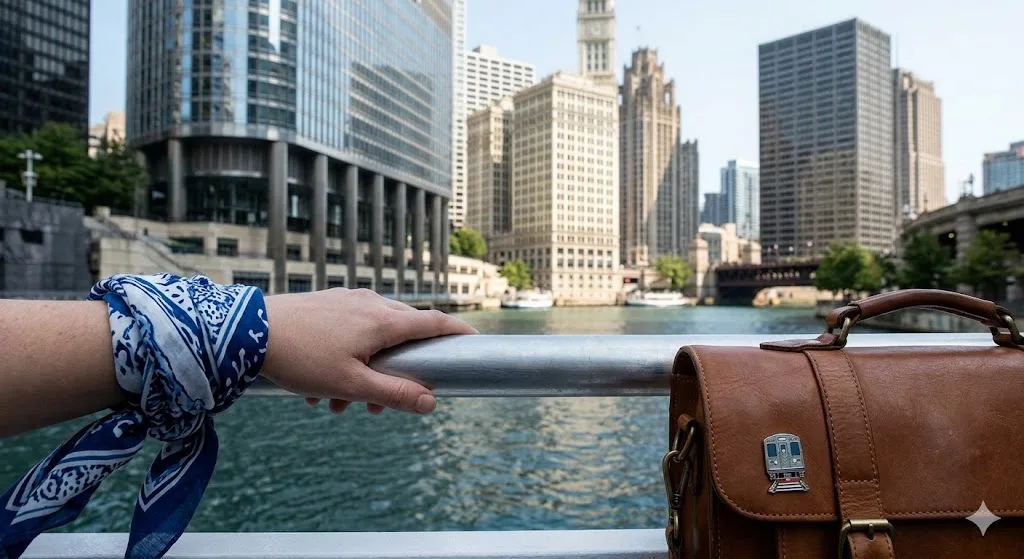
In the early 1900s, the river was becoming polluted and creating public health issues. Chicago's solution? They dammed it, pumped it, and changed the direction it flowed. It's one of the most audacious engineering projects in American history.
Today, the river is clean, beautiful, and absolutely central to how Chicagoans experience their city. The Riverwalk is one of the most iconic spots in Chicago, and it exists because of that historical engineering decision. Walk along it, and you're literally walking through a piece of Chicago ingenuity.
Chicago Architecture: Built on History
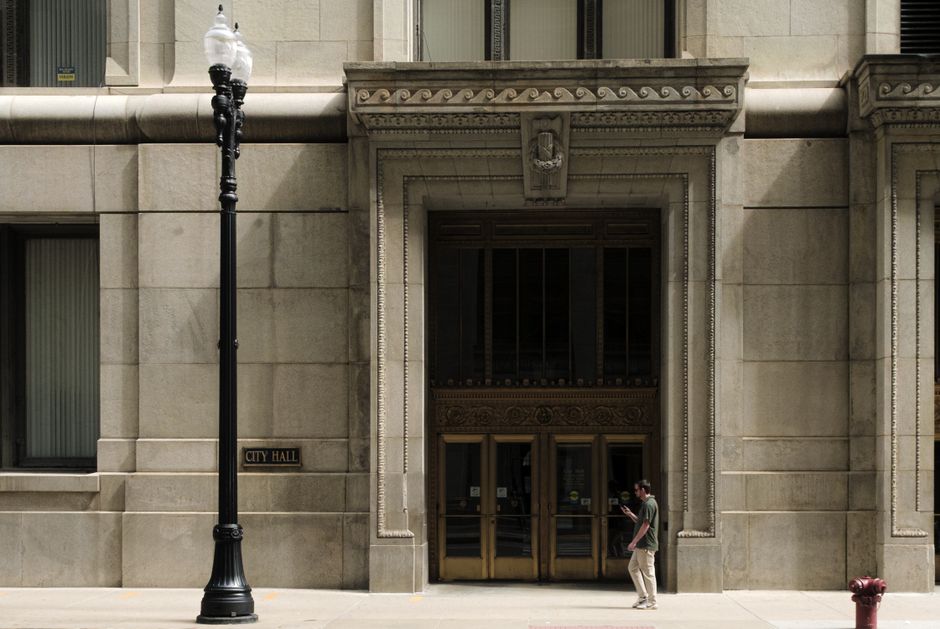
You can't talk about Chicago history without talking about buildings. The city is an outdoor architecture museum.
After the Great Fire, Chicago attracted some of the most innovative architects in America. Frank Lloyd Wright lived and worked here. Louis Sullivan designed the Carson Pirie Scott building. Mies van der Rohe shaped the modernist movement through his Chicago designs.
Every time you look up at a Chicago building, you're seeing architectural history. The skyscrapers, the brownstones, the Art Deco towers—they all tell a story about when they were built and what Chicago valued at that moment.
If you want to dive deeper into how architecture shaped the city, the Architecture Center offers incredible insights. But honestly, the best way to understand Chicago architectural history is to just walk around and look up.
The Jazz Age and Cultural Innovation
Chicago has always been a music city. In the early 1900s, jazz arrived from New Orleans and found a home here. The city's south side became a jazz capital, with clubs and venues pushing the boundaries of what American music could be.
That musical innovation carried forward through blues, house music, and beyond. Chicago didn't just receive cultural movements—it created and amplified them. The city's music history is part of its identity as a place where creative people come to do bold work.
Modern Recognition: Best Big City in America
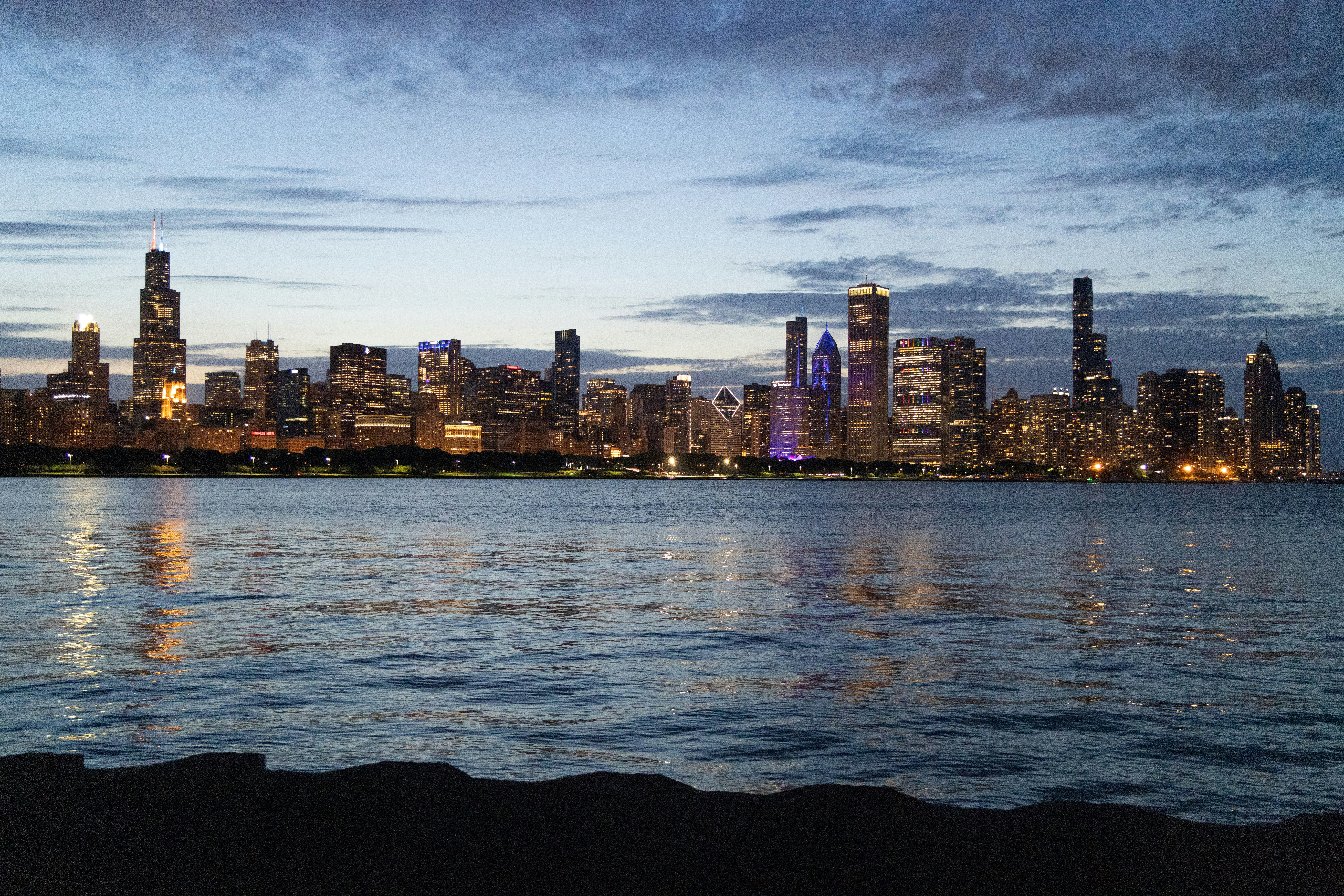
Chicago has been named the Best Big City in the U.S. for multiple consecutive years, and that's not random. It's the result of centuries of building, innovating, and never settling for less.
The city's commitment to cultural institutions, neighborhoods worth exploring, and continuous reinvention keeps it fresh and relevant. Hyde Park and the University of Chicago represent intellectual tradition. The neighborhoods represent immigrant heritage and community. The architecture represents innovation.
If you're looking to understand why Chicago matters in American culture, that's partly about history—but it's also about how the city keeps evolving. Check out Chicago Beautiful for curated guides to the neighborhoods, attractions, and cultural spots that make all this history come alive.
Why This History Matters When You Visit
Here's the honest truth: knowing this history changes how you experience Chicago.
When you walk down the street and see a 100-year-old building, you understand it survived the Great Fire or was built during the White City era. When you taste Chicago food from different neighborhoods, you're tasting immigrant traditions. When you see the skyline, you're looking at a city that burned down and rebuilt itself into something even better.
That narrative of resilience, innovation, and diversity is woven into every block of Chicago. It's in the architecture, the food, the neighborhoods, the music, and the attitude of the people.
Whether you're planning a trip or you're a lifelong resident, Chicago Beautiful is here to help you explore the city more deeply and connect with the stories that matter.
What's the most important event in Chicago history?
The Great Fire of 1871 is probably the most transformative single event. It destroyed the city and forced a complete rebuild, which ultimately shaped modern Chicago's architecture and design. But honestly, the entire sequence of history—from indigenous trading posts to immigrant waves to the World's Fair—is what makes Chicago special. There's no single story; it's the layering of all these stories together.
Is there any Chicago history I can see in person?
Absolutely. Hull House still stands and welcomes visitors. The Architecture Center offers tours that explain the city's building history. The Chicago River has historical markers and plaques. The neighborhoods—Pilsen, Andersonville, Little Italy—still carry the cultural legacy of their immigrant communities. And honestly, just walking through downtown and looking at the buildings is a history lesson.
Why is Chicago called the White City?
During the World's Columbian Exposition of 1893, the fair featured massive white neoclassical buildings that impressed visitors from around the world. The nickname stuck because it represented Chicago's ambition, design innovation, and moment of national prominence. The fair is actually what introduced the Ferris wheel to America.
Should I visit any specific neighborhoods for history?
Hyde Park is incredible for university history and architecture. Pilsen has vibrant Mexican cultural heritage. Andersonville carries Swedish traditions. The Gold Coast has beautiful historic brownstones. Each neighborhood tells a different part of Chicago's immigrant and cultural story. Pick neighborhoods that match your interests and you'll get a real sense of how diverse Chicago's history actually is.