
Published July 6, 2026
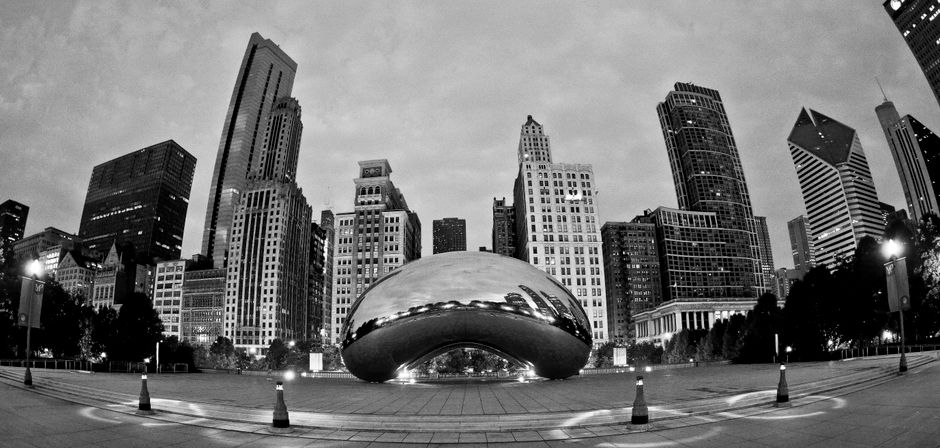
The Chicago Bean is one of those attractions that sounds kind of gimmicky until you're actually standing in front of it—then you get why it's become an obsession. Officially called Cloud Gate, this massive stainless steel sculpture sits right in the heart of Millennium Park and is one of the most photographed artworks in the entire country. If you're planning a Chicago trip or just want to finally experience it yourself, here's everything you need to know.
What Exactly Is the Chicago Bean?
Cloud Gate, aka the Chicago Bean, is a public sculpture created by British artist Anish Kapoor. It measures 66 feet long and 33 feet high, which means it's genuinely massive when you're standing next to it. The whole thing is made from stainless steel plates welded together, giving it that smooth, mirror-like finish that makes it so Instagram-famous.
The nickname "the Bean" comes from its obvious shape—it literally looks like a giant, shiny bean lying on its side. Kapoor wasn't originally thrilled about the nickname, but he's since embraced it. And honestly, it's way easier to say than Cloud Gate, so the name stuck.
This was actually Kapoor's first major public outdoor artwork in the United States. The sculpture was built between 2004 and 2006, so it's been reflecting Chicago's skyline for over 20 years now. It's not some temporary installation—this is permanent, iconic art that's become as much a symbol of Chicago as deep-dish pizza.
Where to Find the Chicago Bean in Chicago
The Bean sits in Millennium Park, which is located in Chicago's downtown Loop district. The park's address is 201 E Randolph St, Chicago, IL 60602. If you're coming from anywhere in the Loop, it's super accessible—no weird detours or hidden entrances.
Millennium Park itself is huge and free to explore. Cloud Gate is the anchor attraction, but there's tons around it. You've got the Jay Pritzker Pavilion (an amazing outdoor concert venue), the Crown Fountain, walking paths, and green space. The whole park is designed to be a gathering place, and it absolutely delivers on that.
Getting there is easy whether you're taking the L (Chicago's elevated train), driving, or walking from a hotel. There's paid parking nearby, though on busy days it can get pricey. If you're not from Chicago, Chicago Beautiful has solid breakdowns of getting around the Loop that'll help you plan your route.

When's the Best Time to Visit the Chicago Bean?
Here's the thing: the Bean is popular literally all the time. But timing matters if you want a better experience.
Early mornings are your best bet if you want fewer crowds. If you get there right when the park opens (dawn in summer, around 8am in winter), you'll have way more space to move around and take photos. The light is also beautiful in the early morning.
Weekdays are quieter than weekends. If you're flexible with your schedule, hit the Bean on a Tuesday or Wednesday instead of Saturday. You'll notice the difference immediately.
Seasonal vibes: Summer is peak tourist season, so expect crowds. Spring and fall are perfect—great weather, fewer people than summer, and the whole park looks gorgeous. Winter is actually quiet and kind of magical if you don't mind the cold, though the sculpture can get icy.
Avoid visiting around major Chicago events, holidays, or concert nights at the pavilion. Those times get absolutely packed.
What Makes the Chicago Bean So Iconic?
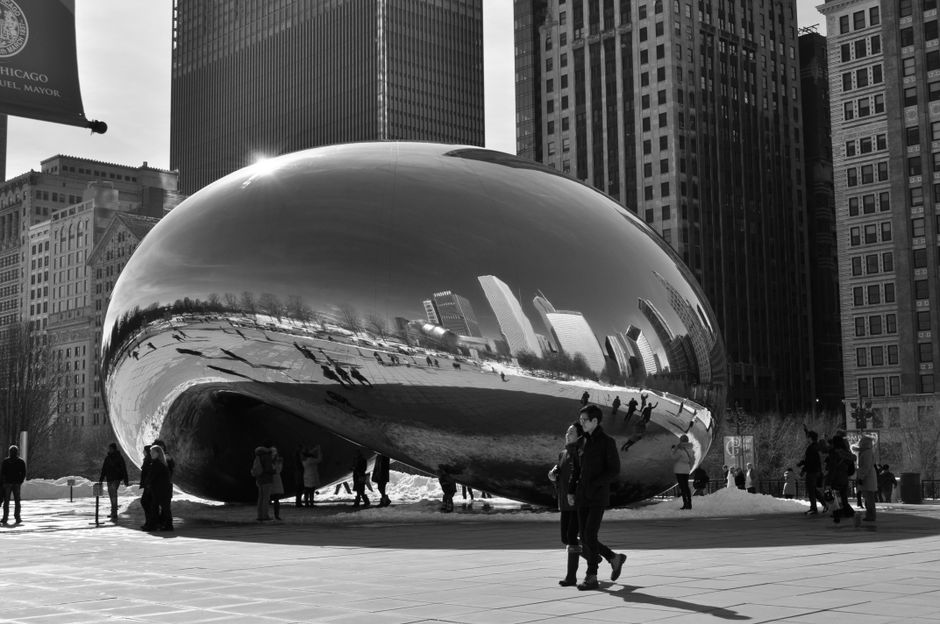
Beyond the obvious "it looks cool" factor, there's something special about how this artwork interacts with you and the city around it.
The whole point of Cloud Gate is reflection and perspective. The sculpture's curved surface reflects Chicago's famous skyline, the clouds, and the people around it. Every time you visit, it looks different depending on the weather, time of day, and what's happening in the park. That's intentional. Kapoor designed it so that you're not just looking at an object—you're experiencing Chicago through it.
It's also weirdly accessible art. You don't need a museum ticket or any background knowledge to appreciate it. You just walk up and interact with it. People touch it, stand under it, take selfies—it's meant to be engaged with, not just observed from a distance.
The scale is part of the magic too. When you're under that 33-foot-high arch, looking up at the distorted reflection of yourself and the sky, there's a genuinely moving moment happening. It's why people keep coming back and why it's become so central to Chicago's identity.
Visiting Tips to Make the Most of Your Time
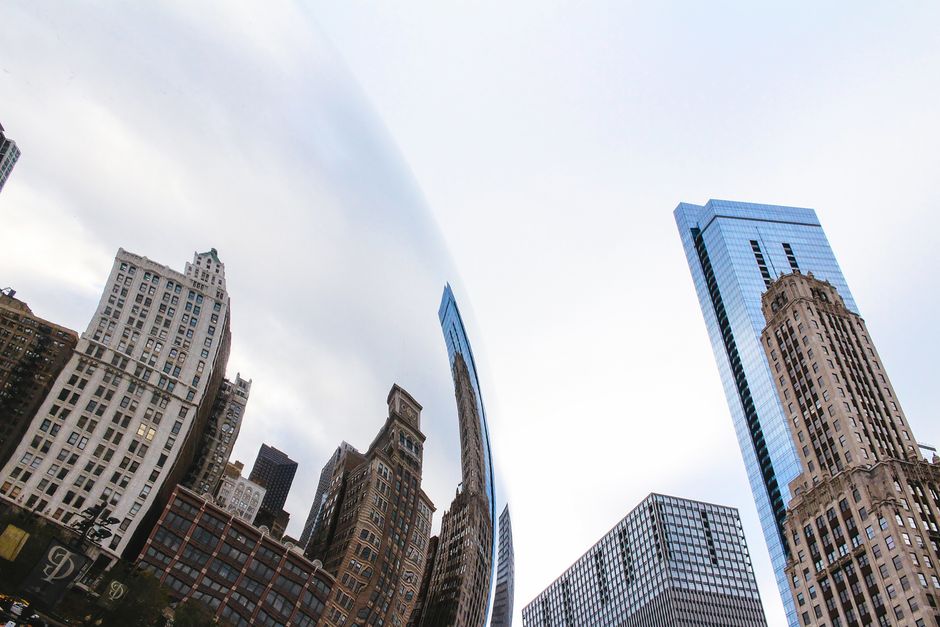
Bring a phone or camera. Obviously. The reflections in the Bean create wild photos. Pro tip: get a shot from underneath looking up, and try shots from different angles to capture different reflections of the skyline.
Go multiple times if you can. If you're in Chicago for a few days, hit the Bean at different times of day. Morning light, afternoon, golden hour at sunset—it genuinely looks different each time.
Explore the rest of Millennium Park. Don't just do the Bean and leave. Spend 30-45 minutes walking around, checking out the other installations, grabbing food from the vendors, sitting in the park. It's designed as a full experience.
Check the weather. On rainy days, the reflections change completely. Sometimes that's more interesting, sometimes it's less so. Just know what you're getting into.
Get comfortable shoes. You'll be standing, walking, maybe taking a bunch of photos from different spots. Your feet will thank you.
If you want deeper context on everything happening in Millennium Park and the Loop, Chicago Beautiful has solid guides on exploring these neighborhoods like a local instead of just hitting the obvious spots.
Related: Best Chicago Riverwalk Guide for Your Perfect Walk
Related: Chicago Blues History and Venues: A Local's Guide
Related: Best Chicago Jazz Clubs Past and Present: Your Complete Guide
Related: Grant Park Chicago: Your Complete Visitor's Guide
Related: Ogilvie Chicago: Complete Guide to the Transit Hub
Related: Chicago Union Station: Complete Visitor's Guide 2026
Related: 360 Chicago: Complete Guide to the Observation Deck
The Maintenance and Care of Cloud Gate
One thing people don't always realize: keeping the Bean looking pristine is a huge deal. The stainless steel surface gets cleaned regularly to maintain those mirror-like reflections. Chicago weather—especially salt and snow in winter—can be rough on the sculpture.
The city takes maintenance seriously, and crews work to keep it in top condition year-round. Sometimes you'll notice sections cordoned off while cleaning or minor repairs happen. It's all part of keeping this iconic piece looking the way it does. According to Chicago's official park documentation, Cloud Gate requires ongoing care to preserve its reflective quality and structural integrity.
Why You Should Actually Visit the Chicago Bean
If you're on the fence about whether this is worth your time, here's the real talk: yes, it's touristy. Yes, you'll see crowds. But it became iconic for a reason. There's something genuinely special about standing in front of this massive, reflective sculpture that's become woven into Chicago's identity.
It's free. It's beautiful. It makes you feel something. And honestly, you're going to want to experience it yourself instead of just seeing it in photos forever.
Millennium Park overall is one of those public spaces that actually delivers on the promise of being a gathering place for everyone. Whether you're a tourist or a local rediscovering your city, standing in front of the Chicago Bean with the whole Loop spread out around you is a legitimately cool moment.
Beyond the Bean: What Else to Do in Millennium Park
Since you're already there, don't skip the other attractions. The Crown Fountain (a 66-foot water feature with digital faces) is right nearby and especially fun on hot days. The Jay Pritzker Pavilion hosts free concerts all summer. There are playgrounds for kids, walking paths through landscaped gardens, and plenty of spots to just sit and people-watch.
The park connects to other downtown areas too. From there, it's easy to walk to Art Institute, Navy Pier, or explore the restaurants and shops in the surrounding neighborhoods. If you're mapping out a full Chicago itinerary, make sure Chicago Beautiful is your reference—the site has curated recommendations for what to do next after hitting the major attractions.
Final Thoughts on the Chicago Bean
Cloud Gate—the Chicago Bean—is worth your time. Whether you're visiting Chicago for the first time or you've lived here for years, there's something about experiencing this sculpture in person that photos just can't capture. The scale, the reflections, the way it brings the whole city together in one spot—it's genuinely special.
Plan your visit during a quiet time if you can, bring a camera, and give yourself time to really interact with it instead of just snapping one photo and moving on. That's when the magic happens.
How much does it cost to visit the Chicago Bean?
Nothing. It's completely free. Millennium Park is open to the public 24/7, and there's no admission fee to see Cloud Gate or walk around the park. You only pay if you want to buy food, park a car, or grab anything from vendors.
Is the Chicago Bean safe to touch?
Yes, absolutely. The sculpture is designed for public interaction. People touch it, stand under it, and pose for photos all day long. It's totally fine. Just be respectful and don't climb on it or do anything that could damage the surface.
What's the best angle for photos of the Chicago Bean?
There's no single "best" angle because the whole point is that it looks different from every perspective. For classic shots, try standing underneath looking up at the arch, shooting from a distance to capture the skyline reflection, or getting close-up shots of the distorted reflections. Experiment and find your favorite angles.
Can I visit the Chicago Bean in winter?
Yes, but keep in mind it gets cold in Chicago. The sculpture is still beautiful in winter, and the reflections can look amazing on clear, cold days. Just dress warmly and watch for icy surfaces around the park.