
Chicago’s Best Ramen Shops: Japanese Comfort Food in the Midwest
When winter winds whip through the Windy City, there’s nothing quite like slurping a steaming bowl of authentic ramen to warm your soul. Chicago has quietly become a ramen destination that rivals coastal cities, with passionate chefs bringing traditional Japanese techniques and innovative twists to the Midwest. From rich tonkotsu broths that simmer for days to delicate shoyu varieties, the city’s ramen scene offers something for every palate.
What makes Chicago’s ramen culture special isn’t just the quality of the food—it’s the dedication of the chefs who’ve made this city their home. Many have trained in Japan or come from Japanese culinary backgrounds, bringing authenticity to a place thousands of miles from Tokyo. The result is a diverse landscape of ramen shops that honor tradition while embracing the creativity that defines Chicago’s food scene.
The Rise of Ramen Culture in Chicago
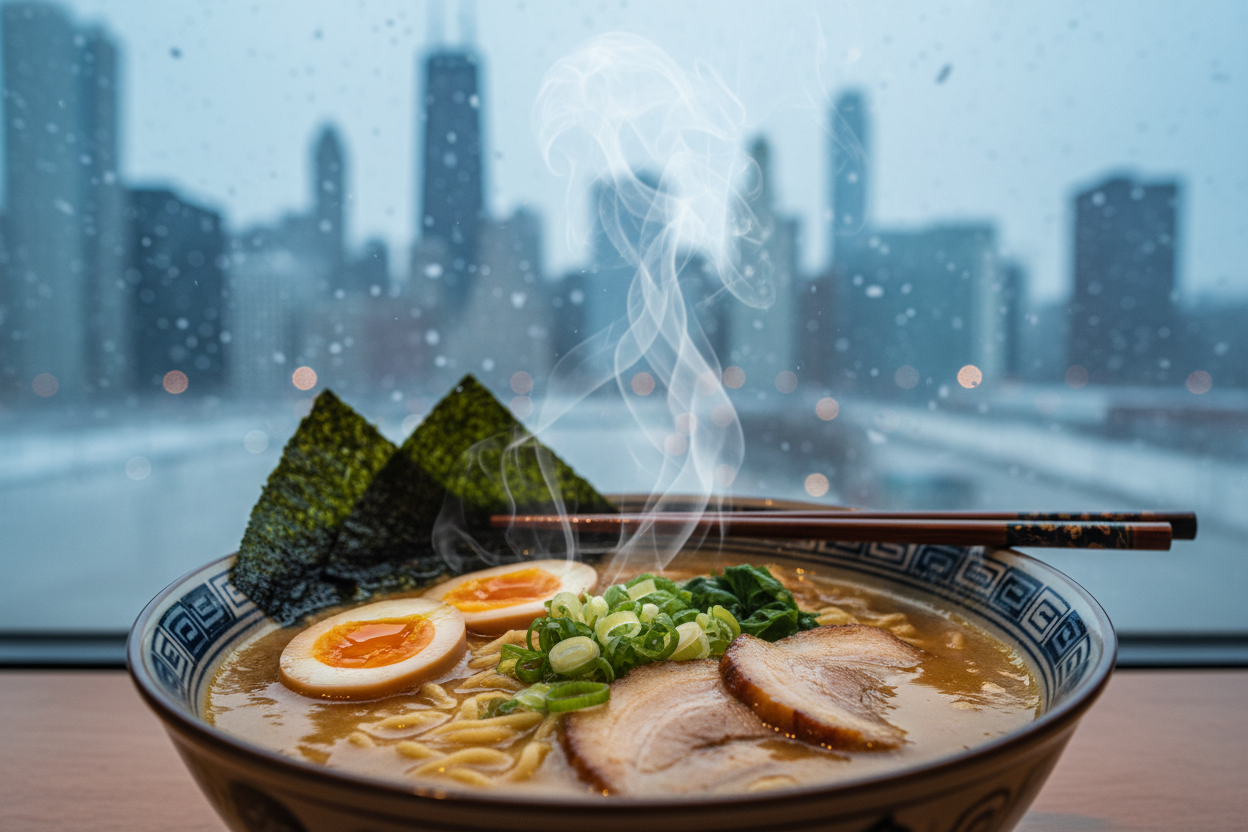
Chicago’s love affair with ramen began in earnest during the early 2010s, when adventurous diners started seeking alternatives to the instant noodles they knew from college dorms. The city’s harsh winters created the perfect environment for this warming, soul-satisfying dish to flourish. Local chefs recognized the opportunity and began opening shops that focused exclusively on perfecting the art of ramen.
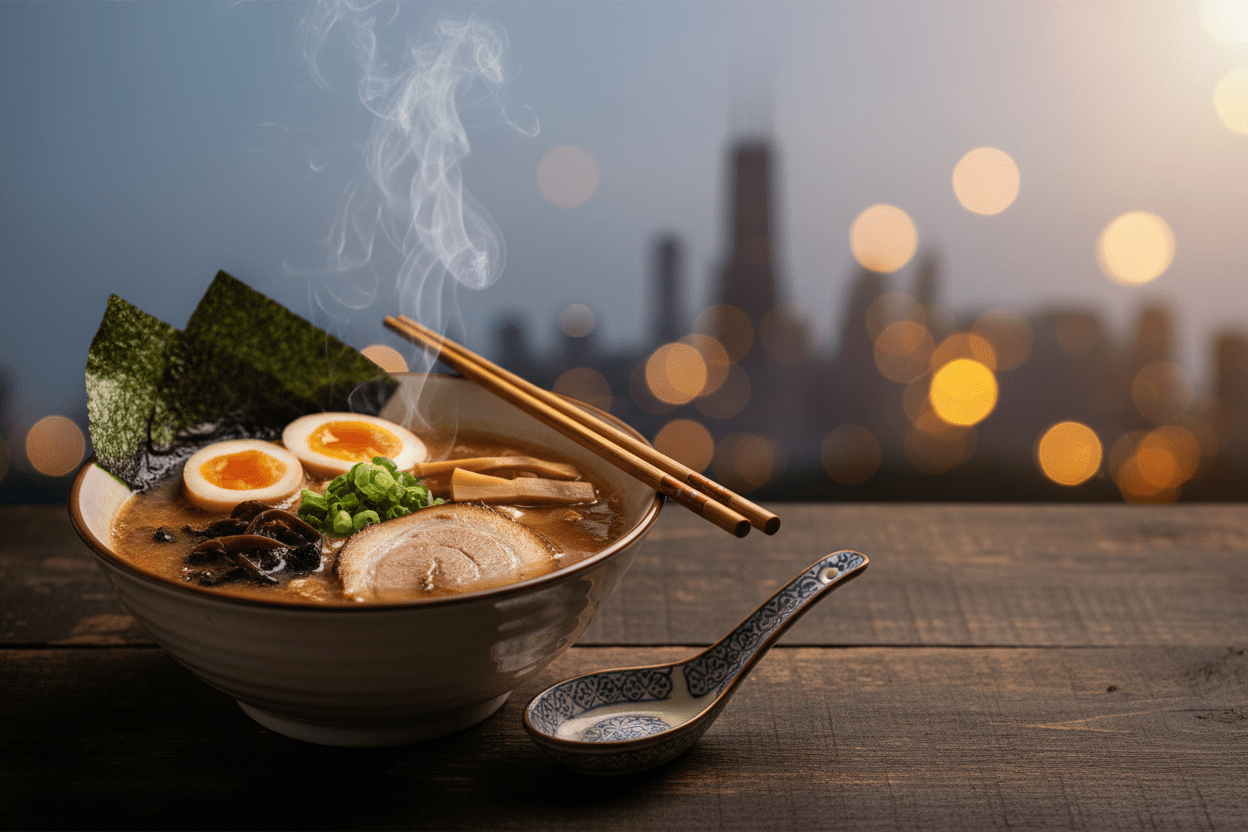
The timing couldn’t have been better. Social media was making food culture more visual and shareable, and ramen’s photogenic qualities—the perfectly arranged toppings, the rich broths, the steam rising from the bowl—made it an instant hit among Chicago’s food-loving community. Word spread quickly about hidden gems serving bowls that transported diners straight to the streets of Tokyo or Osaka.
Traditional Ramen Styles You’ll Find in Chicago
Understanding the different styles of ramen enhances the dining experience significantly. Chicago’s best ramen shops typically specialize in one or more of the classic preparations that have been perfected over generations in Japan.
Tonkotsu ramen features a rich, creamy broth made from pork bones that have been boiled for 12 to 20 hours. The result is an intensely flavorful, almost milky-white soup that clings to the noodles beautifully. This style has become incredibly popular in Chicago, particularly during the brutal winter months when diners crave something substantial and warming.
Shoyu ramen, based on soy sauce, offers a cleaner, more refined taste profile. The broth is typically clear and lighter in color, allowing the subtle flavors of the tare (seasoning base) to shine through. Many Chicago ramen enthusiasts consider this the most sophisticated style, requiring precise technique to achieve the perfect balance.
Miso ramen brings a deeper, more complex flavor thanks to fermented soybean paste. The broth tends to be heartier and slightly sweet, making it another winter favorite among Chicago diners. Some local shops have experimented with different miso varieties, creating unique regional interpretations.
Must-Visit Ramen Destinations in Chicago
Santouka Ramen has earned a devoted following for their signature tonkotsu ramen, which stays true to the Hokkaido-style preparation that made the chain famous in Japan. Located in the bustling Mitsuwa Marketplace, this spot offers an authentic experience that transports diners directly to Japan. The pork cheek chashu melts in your mouth, and the noodles have that perfect chewiness that ramen aficionados seek.
High Five Ramen brings a contemporary approach to traditional recipes, with chef Mike Satinover creating bowls that honor Japanese techniques while incorporating local ingredients. Their miso ramen has achieved legendary status among Chicago food lovers, featuring a complex broth that develops layers of flavor with each spoonful. The restaurant’s intimate atmosphere makes it perfect for both solo dining and sharing the experience with friends.
Strings Ramen Shop focuses on the craft of noodle-making, with fresh ramen noodles made daily using traditional methods. Their attention to texture sets them apart—the noodles have exactly the right amount of bounce and chew that makes each bite satisfying. The tonkotsu broth here is particularly noteworthy, achieving that creamy consistency that takes years to master.
Furious Spoon has multiple locations throughout Chicago, making quality ramen accessible across the city. While some purists might question chain operations, Furious Spoon has maintained consistency and quality that keeps locals coming back. Their spicy red miso ramen offers a nice kick for those who enjoy heat with their comfort food.
What Makes Great Ramen: The Art and Science
Creating exceptional ramen requires mastering several distinct components, each crucial to the final product. The broth forms the foundation and demands patience, technique, and understanding of how different ingredients interact over long cooking periods. Master ramen chefs often guard their broth recipes closely, knowing that this liquid gold determines whether a bowl will be memorable or forgettable.
The noodles themselves deserve equal attention. Authentic ramen noodles contain kansui, an alkaline mineral water that gives them their characteristic yellow color and springy texture. The thickness, shape, and cooking time must complement the specific broth style—thicker noodles for rich tonkotsu, thinner ones for delicate shoyu broths.
Toppings might seem secondary, but they provide textural contrast and additional flavors that complete the ramen experience. Traditional chashu pork should be tender enough to cut with chopsticks, while ajitsuke eggs need perfectly runny yolks that mix into the broth. Even seemingly simple additions like scallions or nori seaweed serve specific purposes in balancing flavors and adding visual appeal.
Chicago’s Unique Ramen Innovations
While respecting traditional methods, Chicago’s ramen chefs have also embraced innovation that reflects the city’s culinary creativity. Some shops incorporate local ingredients like Midwest pork or seasonal vegetables that aren’t typically found in Japanese ramen but work beautifully with the established flavor profiles.
Several Chicago ramen shops have experimented with fusion approaches, creating bowls that blend Japanese techniques with other culinary traditions. These creative interpretations might include Italian-inspired broths, Mexican-influenced spice blends, or toppings that reflect Chicago’s diverse food culture. While purists might raise eyebrows, these innovations often create surprisingly delicious results that expand what ramen can be.
The city’s craft beer culture has also influenced some ramen shops, with chefs incorporating beer into broths or creating pairings that enhance both the ramen and the beverage. This uniquely American approach to ramen has found enthusiastic acceptance among Chicago diners who appreciate culinary experimentation.
The Perfect Ramen Experience: Etiquette and Enjoyment
Eating ramen properly enhances both the flavors and the cultural experience. In Japan, slurping noodles isn’t just acceptable—it’s encouraged because it aerates the broth and allows you to taste the full spectrum of flavors while the soup is still hot. Chicago’s ramen shops embrace this tradition, so don’t feel self-conscious about making noise while you eat.
The order of consumption matters too. Many ramen enthusiasts recommend tasting the broth first to appreciate its complexity before adding any condiments or mixing in toppings. The noodles should be eaten quickly to maintain their ideal texture, as they continue cooking in the hot broth even after serving.
Most Chicago ramen shops provide additional seasonings like garlic paste, chili oil, or extra tare for customization. However, it’s considered respectful to taste the ramen as the chef intended before making modifications. This approach allows you to appreciate the careful balance the chef has created while still personalizing your experience.
Seasonal Considerations and Menu Variations
Chicago’s dramatic seasonal changes influence how ramen shops approach their menus throughout the year. During the harsh winter months, rich tonkotsu and hearty miso ramens dominate orders as diners seek maximum warmth and comfort. Summer brings lighter options like cold ramen preparations or brothless mazesoba styles that satisfy without overwhelming in the heat.
Many Chicago ramen shops rotate seasonal specials that incorporate fresh, local ingredients when available. Spring might bring ramen topped with fresh peas or asparagus, while fall could feature butternut squash or other seasonal vegetables that complement traditional Japanese flavors surprisingly well.
Smart diners learn to follow their favorite shops on social media, as many announce limited-time offerings or special preparations that sell out quickly. These seasonal variations often represent chefs experimenting with new ideas that might eventually become permanent menu additions.
Conclusion: Chicago’s Ramen Renaissance
Chicago’s ramen scene represents more than just a food trend—it’s a testament to the city’s ability to embrace and elevate culinary traditions from around the world. The dedication of local chefs to mastering this complex dish has created a landscape where both purists and adventurous eaters can find satisfaction in a steaming bowl of perfectly crafted ramen.
Whether you’re seeking the comfort of traditional tonkotsu on a snowy February evening or exploring innovative fusion creations that push culinary boundaries, Chicago’s ramen shops deliver experiences that warm both body and soul. The city’s ramen culture continues evolving, with new shops opening and established favorites refining their craft, ensuring that the best bowls are always yet to come.
For anyone serious about experiencing Chicago’s food culture, exploring the ramen scene isn’t optional—it’s essential. Each shop offers a unique perspective on this beloved Japanese comfort food, creating a delicious journey that reveals both the respect for tradition and the spirit of innovation that defines Chicago’s culinary identity.