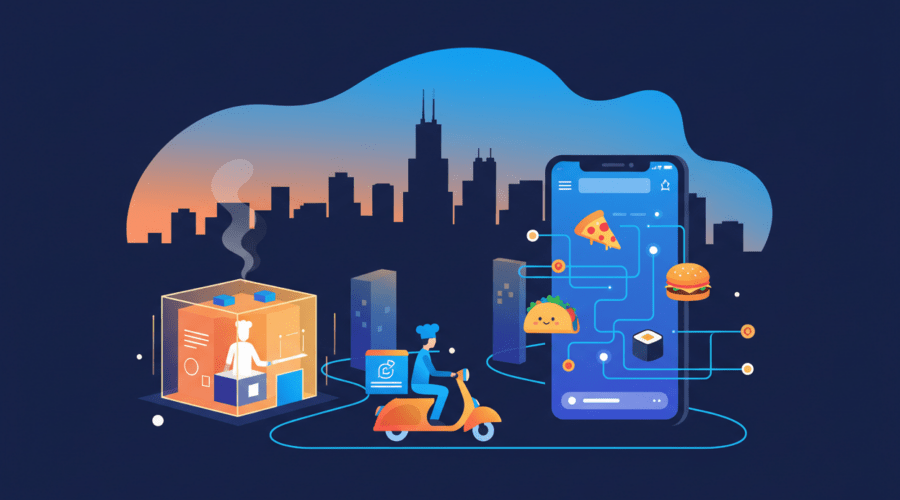
The Complete Guide to Chicago’s Food Delivery Culture: Apps, Ghost Kitchens, and Innovation
Chicago’s food scene has always been legendary, from deep-dish pizza to Italian beef sandwiches. But in recent years, the Windy City has undergone a remarkable transformation in how residents experience their favorite meals. The rise of food delivery culture has revolutionized Chicago’s culinary landscape, creating new opportunities for restaurants, entrepreneurs, and hungry customers alike.
Whether you’re a longtime Chicagoan or new to the city, understanding the local food delivery ecosystem can help you navigate the countless options available at your fingertips. From established delivery apps to innovative ghost kitchens popping up in industrial neighborhoods, Chicago’s food delivery scene offers something for every taste and budget.
The Evolution of Food Delivery in Chicago
Chicago’s food delivery culture didn’t emerge overnight. The city’s dense urban neighborhoods and harsh winters created natural conditions for delivery services to thrive. Long before smartphone apps existed, many Chicago restaurants offered delivery within their immediate neighborhoods, particularly pizza joints and Chinese restaurants.
The real transformation began around 2013 when major delivery platforms started expanding into Chicago. The city’s diverse population, ranging from college students to busy professionals, embraced the convenience of having restaurant-quality meals delivered directly to their doors. Today, Chicago ranks among the top cities in the United States for food delivery usage, with residents ordering delivery meals multiple times per week on average.
What makes Chicago’s delivery culture unique is how it has adapted to local preferences and challenges. The city’s notorious traffic and parking difficulties made delivery an attractive alternative to dining out, while the brutal winter months created a captive audience eager for hot meals without leaving their homes.
Major Food Delivery Apps Dominating Chicago
The Chicago food delivery market is dominated by several major platforms, each offering distinct advantages and restaurant partnerships. Understanding these platforms can help you make informed decisions about where to order your next meal.
DoorDash has emerged as the market leader in Chicago, offering the widest selection of restaurants across all neighborhoods. From Lincoln Park to Pilsen, DoorDash provides comprehensive coverage and often features exclusive partnerships with popular local chains. The platform’s algorithm tends to prioritize speed and reliability, making it a favorite among time-conscious customers.
Uber Eats leverages the existing Uber driver network to provide fast delivery times, particularly in downtown Chicago and surrounding areas. The platform excels in late-night delivery options, serving the city’s vibrant nightlife scene and shift workers who need meals at unconventional hours.
Grubhub, which originated in Chicago, maintains strong relationships with local restaurants and often offers better deals for Chicago-specific chains. Many longtime Chicago restaurants prefer Grubhub due to its local roots and more favorable commission structures for smaller establishments.
Postmates, now part of Uber, continues to serve niche markets and specialty restaurants that might not be available on other platforms. The service is particularly popular for delivering from high-end restaurants and unique local establishments.
The Ghost Kitchen Revolution in Chicago
Perhaps no trend has transformed Chicago’s food delivery landscape more dramatically than the emergence of ghost kitchens. These delivery-only restaurants operate without traditional storefronts, focusing entirely on preparing meals for delivery and pickup orders.
Chicago’s industrial areas, particularly in neighborhoods like Fulton Market and the Near West Side, have become hotbeds for ghost kitchen development. These locations offer lower rent costs while maintaining proximity to major population centers, creating ideal conditions for delivery-focused operations.
CloudKitchens, backed by Uber co-founder Travis Kalanick, has established multiple locations throughout Chicago, housing dozens of virtual restaurant brands under single roofs. These facilities allow entrepreneurs to test new restaurant concepts with minimal upfront investment, leading to an explosion of creative and niche food offerings.
Local Chicago entrepreneurs have embraced the ghost kitchen model to launch innovative concepts that might not succeed in traditional restaurant settings. From Korean-Mexican fusion to gourmet comfort food, these virtual restaurants can experiment with bold flavors and unique combinations without the overhead costs of maintaining a physical dining space.
The ghost kitchen trend has also enabled established Chicago restaurants to expand their reach without opening new locations. Popular restaurants can now serve customers across the entire metropolitan area through strategically located ghost kitchen operations.
Innovation and Technology in Chicago’s Food Delivery Scene
Chicago’s tech-savvy population and strong startup ecosystem have fostered significant innovation in food delivery technology. Local companies are developing solutions that address specific challenges faced by Chicago restaurants and customers.
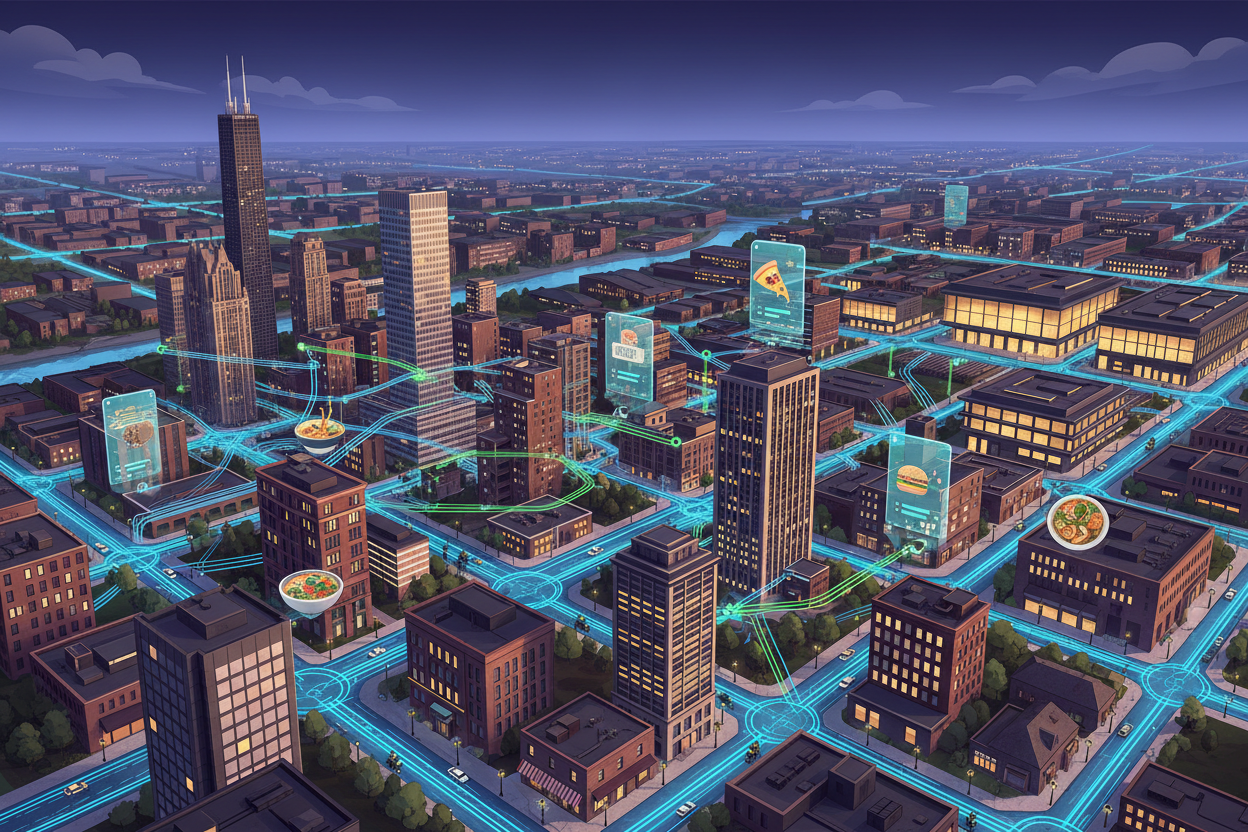
Artificial intelligence and machine learning are being deployed to optimize delivery routes, accounting for Chicago’s complex street grid and traffic patterns. These technologies help reduce delivery times and improve order accuracy, particularly during peak hours and adverse weather conditions.
Several Chicago-based startups are working on autonomous delivery solutions, testing robots and drones in controlled environments. While widespread adoption remains years away, these innovations could eventually address labor shortages and reduce delivery costs across the city.
Sustainability has become a major focus for Chicago’s food delivery industry. Many local restaurants are adopting eco-friendly packaging solutions, while delivery platforms are experimenting with carbon-neutral delivery options and consolidated delivery routes to reduce environmental impact.
Integration with smart home technology is another growing trend, allowing Chicago residents to place orders through voice assistants and smart displays. This technology is particularly popular in the city’s newer high-rise developments and tech-forward neighborhoods.
Impact on Chicago’s Restaurant Industry
The rise of food delivery culture has fundamentally changed how Chicago restaurants operate and generate revenue. Many establishments now derive 30-50% of their income from delivery orders, forcing them to adapt their operations and menu offerings accordingly.
Traditional Chicago restaurants have had to modify their kitchens and workflows to accommodate delivery orders alongside dine-in customers. This has led to innovations in packaging, menu design, and food preparation techniques that ensure meals maintain quality during transport.
The delivery economy has created new opportunities for Chicago’s diverse immigrant communities to share their culinary traditions with a broader audience. Ethiopian, Peruvian, and Eastern European restaurants that might struggle to attract walk-in customers in certain neighborhoods can now reach food enthusiasts throughout the metropolitan area.
However, the high commission fees charged by delivery platforms have created financial challenges for many Chicago restaurants, particularly smaller establishments. Some restaurants have responded by developing their own delivery systems or partnering with local delivery cooperatives to reduce costs.
Neighborhood Delivery Cultures Across Chicago
Each Chicago neighborhood has developed its own distinct delivery culture, reflecting local demographics, restaurant offerings, and lifestyle preferences. Understanding these neighborhood differences can help you discover new cuisines and restaurants.
The Loop and River North cater primarily to office workers and tourists, with delivery options focusing on quick, professional-friendly meals during lunch hours and upscale dinner options for hotel guests and residents of luxury high-rises.
College neighborhoods like Lincoln Park and Lakeview have embraced late-night delivery culture, with many restaurants staying open until 2 AM or later to serve students and young professionals. These areas tend to favor affordable comfort food and international cuisines.
Family-oriented neighborhoods such as Lincoln Square and Beverly have seen growth in family-style delivery options, with restaurants offering large portions and kid-friendly meals designed for sharing.
Trendy neighborhoods like Wicker Park and Logan Square showcase Chicago’s most innovative delivery concepts, from artisanal donut shops to craft cocktail delivery services that push the boundaries of what can be delivered to your door.
The Future of Food Delivery in Chicago
Looking ahead, Chicago’s food delivery culture continues to evolve rapidly. Industry experts predict several trends that will shape the future of how Chicagoans order and receive their meals.
Virtual food halls are expected to become more prevalent, offering customers the ability to order from multiple restaurants in a single transaction. These concepts could revolutionize family dining by allowing different household members to order from their preferred restaurants simultaneously.
Subscription-based delivery services are gaining traction among Chicago residents who order regularly from the same restaurants. These services offer predictable pricing and guaranteed availability, appealing to busy professionals and families with consistent dining preferences.
The integration of grocery delivery with restaurant delivery is creating hybrid platforms that serve as comprehensive food solutions. This trend is particularly relevant in Chicago’s food desert areas, where delivery services could improve access to both prepared meals and fresh ingredients.
Conclusion
Chicago’s food delivery culture represents a fascinating intersection of technology, entrepreneurship, and culinary tradition. From the major delivery apps competing for market share to innovative ghost kitchens pushing creative boundaries, the city has embraced delivery as an integral part of its food ecosystem.
The transformation has created new opportunities for restaurants to reach customers, entrepreneurs to test concepts, and residents to explore the city’s incredible culinary diversity from the comfort of their homes. While challenges remain, particularly around sustainability and fair compensation for delivery workers, Chicago’s food delivery scene continues to innovate and adapt.
Whether you’re craving authentic Mexican food from Pilsen, Korean BBQ from Albany Park, or classic Chicago deep-dish pizza, the city’s robust delivery infrastructure ensures that exceptional meals are always just a few taps away. As technology continues to evolve and new players enter the market, Chicago’s food delivery culture will undoubtedly continue to surprise and delight hungry residents and visitors alike.