
The History of Chicago’s Magnificent Mile: Shopping and Commerce Evolution
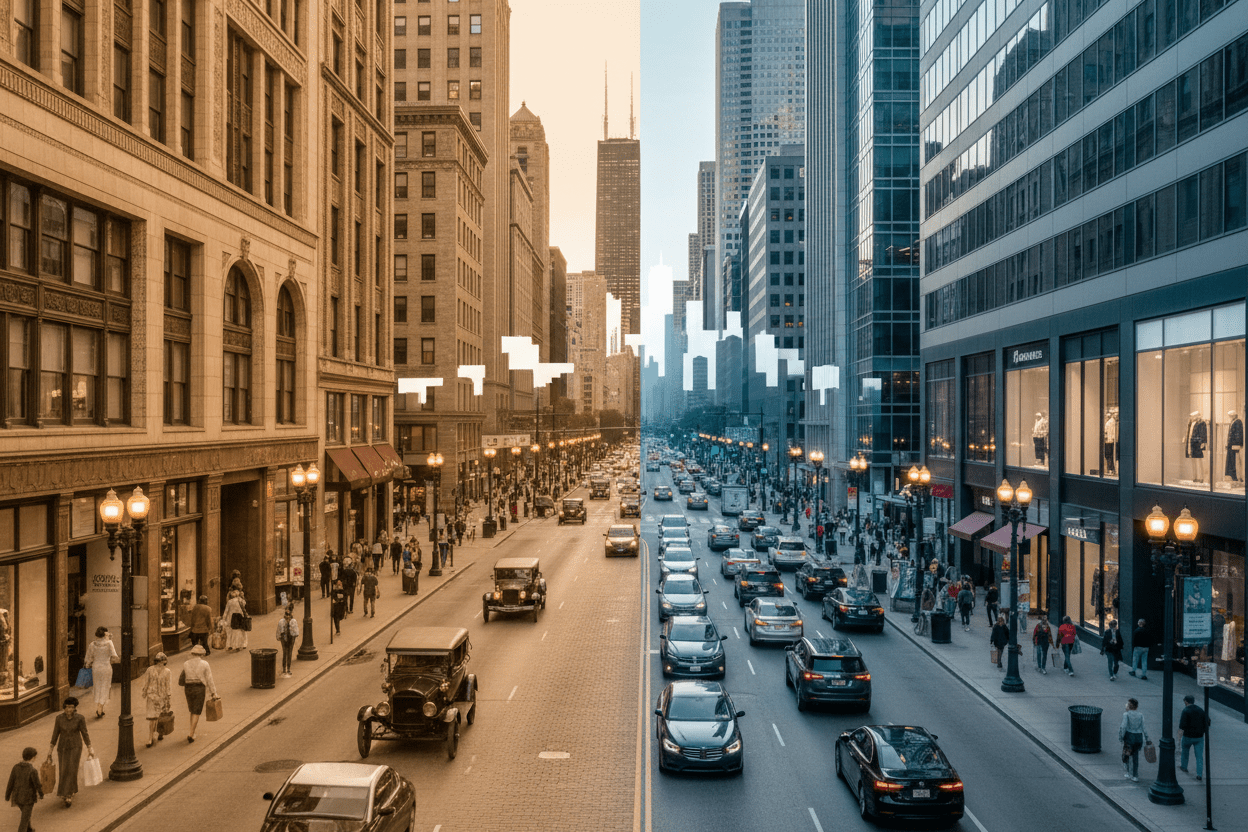
Walking down North Michigan Avenue today, it’s hard to imagine that this bustling stretch of premium retail space was once a quiet residential street lined with modest homes and small businesses. The transformation of Chicago’s Magnificent Mile into one of America’s most prestigious shopping destinations is a fascinating tale of urban planning, economic vision, and the relentless march of commerce. This iconic strip has evolved from humble beginnings into a retail powerhouse that attracts millions of visitors annually, generating billions in revenue and setting trends that ripple across the global retail landscape.
The story of the Magnificent Mile isn’t just about shopping – it’s about how a city can reinvent itself, how commerce shapes urban landscapes, and how strategic planning can turn a simple street into an international destination. From its early days as a residential neighborhood to its current status as a world-class shopping district, this stretch of Michigan Avenue has witnessed remarkable changes that mirror Chicago’s own evolution as a major American metropolis.
Early Beginnings: From Residential Haven to Commercial Promise
The area now known as the Magnificent Mile began its journey in the late 19th century as a predominantly residential neighborhood. Following the Great Chicago Fire of 1871, the city underwent massive reconstruction, and North Michigan Avenue emerged as an attractive area for affluent families seeking to rebuild their lives. The street featured elegant mansions, tree-lined sidewalks, and a peaceful atmosphere that stood in stark contrast to the industrial hustle of downtown Chicago.
During the 1880s and 1890s, the area attracted wealthy residents who built impressive homes along the avenue. The proximity to Lake Michigan and the relatively elevated location made it an appealing choice for Chicago’s elite. However, even in these early days, forward-thinking city planners recognized the commercial potential of this strategically located corridor connecting downtown Chicago to the northern suburbs.
The first hints of commercial activity appeared in the early 1900s when small businesses began establishing themselves along the avenue. These early enterprises were modest affairs – corner groceries, small restaurants, and service businesses catering to the residential population. Little did anyone know that these humble beginnings would eventually evolve into one of the world’s most famous shopping districts.
The Birth of the Magnificent Mile Concept
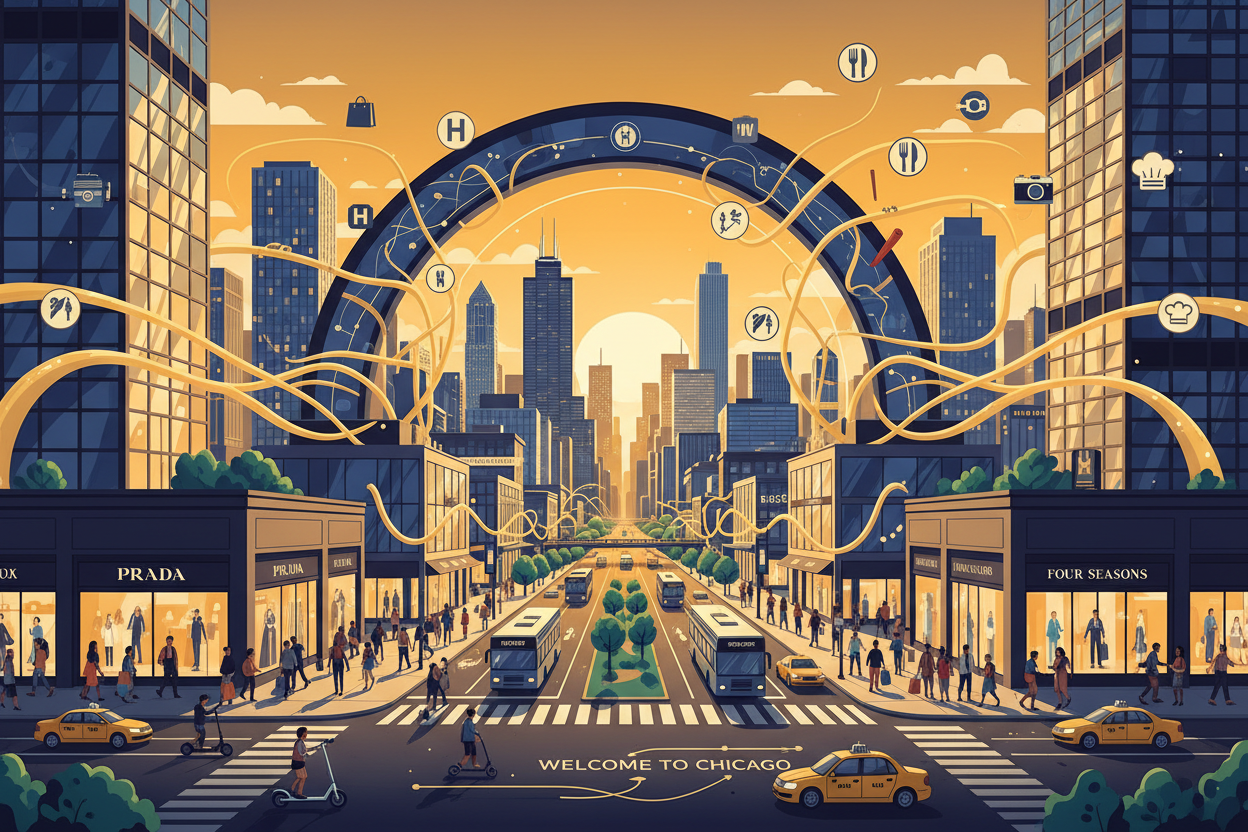
The transformation of North Michigan Avenue into the “Magnificent Mile” didn’t happen overnight. The term itself was coined in the 1940s by Arthur Rubloff, a visionary real estate developer who saw enormous potential in the stretch between the Chicago River and Oak Street. Rubloff’s vision was ambitious: transform this section of Michigan Avenue into a premier shopping and business district that could rival New York’s Fifth Avenue.
Rubloff’s marketing genius lay not just in the catchy name, but in his understanding of what makes a retail district successful. He recognized that the area’s location was perfect – it connected the Loop business district to the affluent Gold Coast neighborhood, creating natural foot traffic from both business people and wealthy residents. The completion of the Michigan Avenue Bridge in 1920 had already improved accessibility, making Rubloff’s vision more feasible.
The developer began purchasing properties along the avenue in the 1940s, gradually assembling parcels that would eventually house major retail developments. His efforts coincided with broader changes in American shopping habits, as department stores were becoming destinations in their own right, and the concept of shopping as entertainment was beginning to take hold.
Post-War Boom and Retail Revolution
The period following World War II marked a turning point for the Magnificent Mile. America was experiencing unprecedented prosperity, and consumers had both the means and the desire to shop for luxury goods and fashionable merchandise. Chicago’s position as a transportation hub and major metropolitan center made it an ideal location for retailers looking to establish flagship stores outside of New York.
During the 1950s and 1960s, several major department stores recognized the potential of North Michigan Avenue. The arrival of these anchor stores created a retail ecosystem that attracted smaller boutiques, restaurants, and service businesses. Each new addition strengthened the area’s reputation as a shopping destination, creating a positive feedback loop that drew even more retailers and customers.
This period also saw significant improvements in infrastructure and urban design. The city invested in wider sidewalks, better lighting, and improved public transportation access. These enhancements weren’t just functional – they were designed to create an attractive, welcoming environment that would encourage people to spend time in the area, browsing shops and enjoying the urban experience.
The retail revolution of this era wasn’t just about attracting customers from Chicago. Forward-thinking business leaders recognized that the Magnificent Mile could become a tourist destination, drawing visitors from across the Midwest and beyond. This vision required creating not just good shopping, but an experience that would make the trip worthwhile for out-of-town visitors.
The Golden Age: 1970s-1990s Expansion
The 1970s through the 1990s represented the golden age of the Magnificent Mile’s development. During this period, the district truly came into its own as a world-class shopping destination. The construction of Water Tower Place in 1975 marked a watershed moment – this vertical mall brought together multiple levels of retail space in a single, climate-controlled environment, setting a new standard for urban shopping centers.
Water Tower Place was revolutionary in several ways. It combined shopping with dining, entertainment, and even residential space, creating a mixed-use development that kept people in the area for extended periods. The mall’s success demonstrated that urban retail could compete with suburban shopping centers by offering unique advantages: walkability, public transportation access, and the excitement of city life.
Following Water Tower Place’s success, other major developments followed. The construction of 900 North Michigan Shops in 1989 added another luxury shopping venue, while the expansion of existing stores and the arrival of new retailers continued to enhance the district’s appeal. International brands began establishing their Chicago flagships on the Magnificent Mile, recognizing the area’s importance in the American retail landscape.
This period also saw the emergence of the Magnificent Mile as an entertainment district. Restaurants evolved from simple dining establishments to destination venues, while hotels began marketing themselves as part of the shopping experience. The integration of retail, dining, and hospitality created a comprehensive urban experience that extended well beyond traditional shopping.
Modern Era: Adapting to Changing Consumer Habits
The dawn of the 21st century brought new challenges and opportunities for the Magnificent Mile. The rise of e-commerce fundamentally changed retail dynamics, forcing brick-and-mortar stores to rethink their strategies. Rather than simply competing on price or selection, physical stores needed to offer experiences that couldn’t be replicated online.
The Magnificent Mile adapted to these changes by embracing experiential retail. Stores began incorporating interactive elements, personal services, and exclusive experiences that justified the trip to physical locations. Flagship stores evolved into brand showcases, featuring elaborate displays, customer service amenities, and unique merchandise that couldn’t be found elsewhere.
Technology integration became another key adaptation strategy. Many retailers implemented mobile apps, digital displays, and augmented reality features that enhanced the shopping experience while bridging the gap between online and offline retail. The district also improved its digital infrastructure, ensuring that visitors could stay connected and share their experiences on social media.
The COVID-19 pandemic presented unprecedented challenges for the retail industry, and the Magnificent Mile was not immune. However, the district’s diversity – combining retail with dining, entertainment, and tourism – provided some resilience. As restrictions lifted, the area demonstrated its adaptability by implementing safety measures while maintaining its appeal as a destination.
Economic Impact and Tourism Significance
The economic impact of the Magnificent Mile extends far beyond the immediate retail sales generated by its stores. The district serves as a major economic engine for Chicago, generating billions of dollars in annual revenue and supporting thousands of jobs across various sectors. The ripple effects of this economic activity benefit the entire metropolitan area, from transportation services to hospitality workers.
Tourism plays a crucial role in the Magnificent Mile’s economic success. The district attracts millions of visitors annually, many of whom come specifically for the shopping experience. These tourists don’t just spend money in retail stores – they stay in hotels, eat in restaurants, use transportation services, and often extend their visits to explore other Chicago attractions. The Magnificent Mile serves as a gateway that introduces visitors to the broader city.
The district’s success has also spurred development in surrounding areas. Property values in nearby neighborhoods have increased, new businesses have opened to serve the increased foot traffic, and the overall desirability of the North Michigan Avenue corridor has enhanced Chicago’s reputation as a major metropolitan destination.
Employment opportunities created by the Magnificent Mile span multiple skill levels and industries. From entry-level retail positions to high-level management roles, from restaurant workers to hotel staff, the district provides diverse career opportunities. Many of these positions offer valuable experience in customer service, retail management, and hospitality that can lead to advancement within the industry.
Architectural Evolution and Urban Design
The physical transformation of the Magnificent Mile reflects broader trends in urban architecture and design. The area’s buildings tell the story of changing aesthetic preferences, technological advances, and evolving understanding of how architecture can enhance the retail experience. From the early 20th century’s classical influences to contemporary glass and steel structures, the Magnificent Mile showcases nearly a century of architectural evolution.
The integration of retail spaces with the urban environment has been a constant consideration throughout the district’s development. Designers have worked to create seamless transitions between indoor and outdoor spaces, ensuring that the shopping experience feels connected to the broader cityscape. Wide sidewalks, attractive storefronts, and carefully planned sightlines all contribute to an environment that encourages exploration and discovery.
Preservation efforts have also played a role in the area’s development. Several historic buildings have been adaptively reused for retail purposes, maintaining architectural heritage while serving contemporary commercial needs. This balance between preservation and progress has helped the Magnificent Mile maintain its character while continuing to evolve.
Public art and landscaping have enhanced the district’s appeal, creating visual interest and reinforcing its identity as a premier destination. Seasonal decorations, particularly during the holiday season, have become attractions in their own right, drawing visitors who come as much for the ambiance as for the shopping opportunities.
Future Prospects and Ongoing Evolution
Looking ahead, the Magnificent Mile continues to evolve in response to changing consumer preferences and retail trends. The rise of sustainable shopping, experiential retail, and digital integration are shaping the district’s future development plans. Retailers are increasingly focusing on creating unique, Instagram-worthy experiences that encourage social media sharing and word-of-mouth marketing.
Mixed-use development remains a key trend, with new projects combining retail, residential, office, and entertainment spaces. This approach creates vibrant, 24-hour neighborhoods that attract both residents and visitors, ensuring consistent foot traffic throughout different times of day and week. The integration of different uses also provides resilience against economic fluctuations that might affect any single sector.
Sustainability initiatives are becoming increasingly important as both retailers and consumers prioritize environmental responsibility. The Magnificent Mile is incorporating green building practices, energy-efficient systems, and sustainable transportation options. These efforts not only reduce environmental impact but also appeal to environmentally conscious consumers who increasingly factor sustainability into their purchasing decisions.
The district’s management continues to invest in infrastructure improvements, public safety measures, and marketing initiatives that maintain its competitive position among world-class shopping destinations. Regular events, seasonal promotions, and partnerships with tourism organizations help ensure that the Magnificent Mile remains top-of-mind for both local shoppers and international visitors.
Conclusion
The evolution of Chicago’s Magnificent Mile from a quiet residential street to one of the world’s premier shopping destinations represents more than just commercial success – it demonstrates the power of vision, planning, and adaptation in urban development. The district’s journey through different eras of American retail history offers valuable insights into how cities can create and maintain world-class commercial districts.
The Magnificent Mile’s success lies not just in its impressive retail offerings, but in its ability to continuously reinvent itself while maintaining its core identity. From Arthur Rubloff’s initial vision through the golden age of department stores to today’s experiential retail environment, the district has consistently adapted to changing consumer preferences and market conditions.
As we look to the future, the Magnificent Mile faces both challenges and opportunities. The continued growth of e-commerce, changing demographics, and evolving urban lifestyles will require ongoing adaptation and innovation. However, the district’s track record of successful evolution suggests that it will continue to thrive by embracing change while building on its fundamental strengths: location, accessibility, and the unique energy that comes from combining commerce with urban culture.
The story of the Magnificent Mile serves as an inspiration for other cities seeking to develop their own premier retail districts. It demonstrates that with proper planning, sustained investment, and a willingness to adapt, it’s possible to create retail destinations that serve not just as shopping centers, but as integral parts of a city’s identity and economic foundation. The Magnificent Mile remains a testament to Chicago’s entrepreneurial spirit and its ability to create world-class urban experiences that continue to attract visitors from around the globe.