The Psychology of Chicago Sports Fans: Why Cubs and White Sox Loyalty Runs So Deep
Walk through any Chicago neighborhood on game day, and you’ll witness something extraordinary. Strangers high-five on street corners, bars overflow with passionate debates, and entire families don jerseys like armor before heading into battle. But this isn’t just casual fandom – this is something deeper, something that transcends mere entertainment. Chicago sports fans, particularly Cubs and White Sox devotees, exhibit a psychological bond with their teams that borders on the mystical.
What makes Chicago different? Why do generations of families pass down allegiances like precious heirlooms? The answer lies in a complex web of psychology, sociology, and pure human emotion that has been brewing in the Windy City for over a century.
The Foundation of Fierce Loyalty: Historical Trauma and Triumph
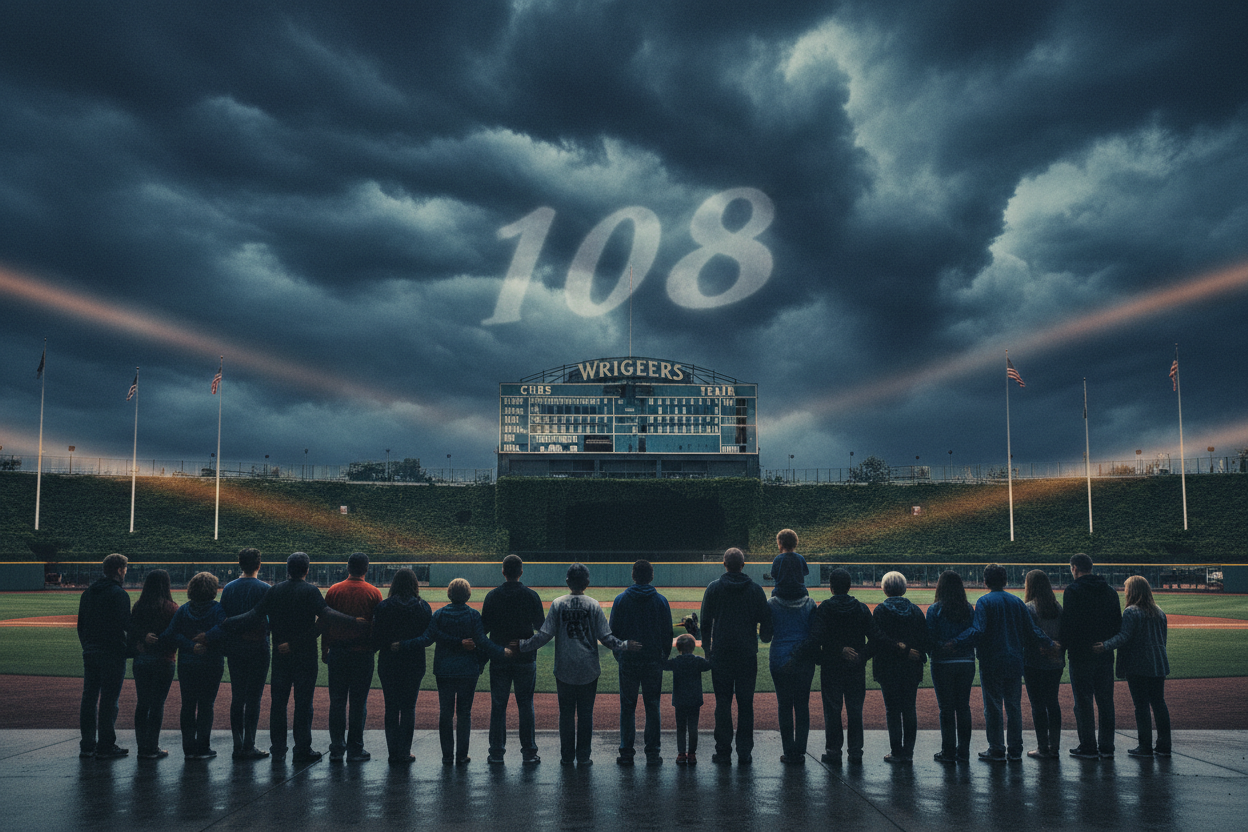
To understand Chicago sports psychology, we must first acknowledge the elephant in the room – or rather, the curse that haunted Wrigley Field for 108 years. The Cubs’ championship drought wasn’t just a statistical anomaly; it became a defining characteristic of what it meant to be a Chicagoan. Psychologists call this “trauma bonding,” and it creates some of the strongest emotional connections known to humanity.
When the Cubs finally broke their curse in 2016, grown men wept openly in the streets. Fans visited the graves of deceased relatives, sharing the moment with loved ones who had waited their entire lives for this vindication. This wasn’t just about baseball – it was about validation, hope, and the triumph of unwavering faith over cruel fate.
The White Sox, meanwhile, carry their own psychological burden. The 1919 Black Sox scandal created a different kind of trauma – one of betrayal and mistrust. Yet South Side fans didn’t abandon their team; they doubled down, developing an even fiercer protective instinct. Their 2005 World Series victory felt like redemption not just for the franchise, but for an entire community’s wounded pride.
Identity Formation Through Team Allegiance
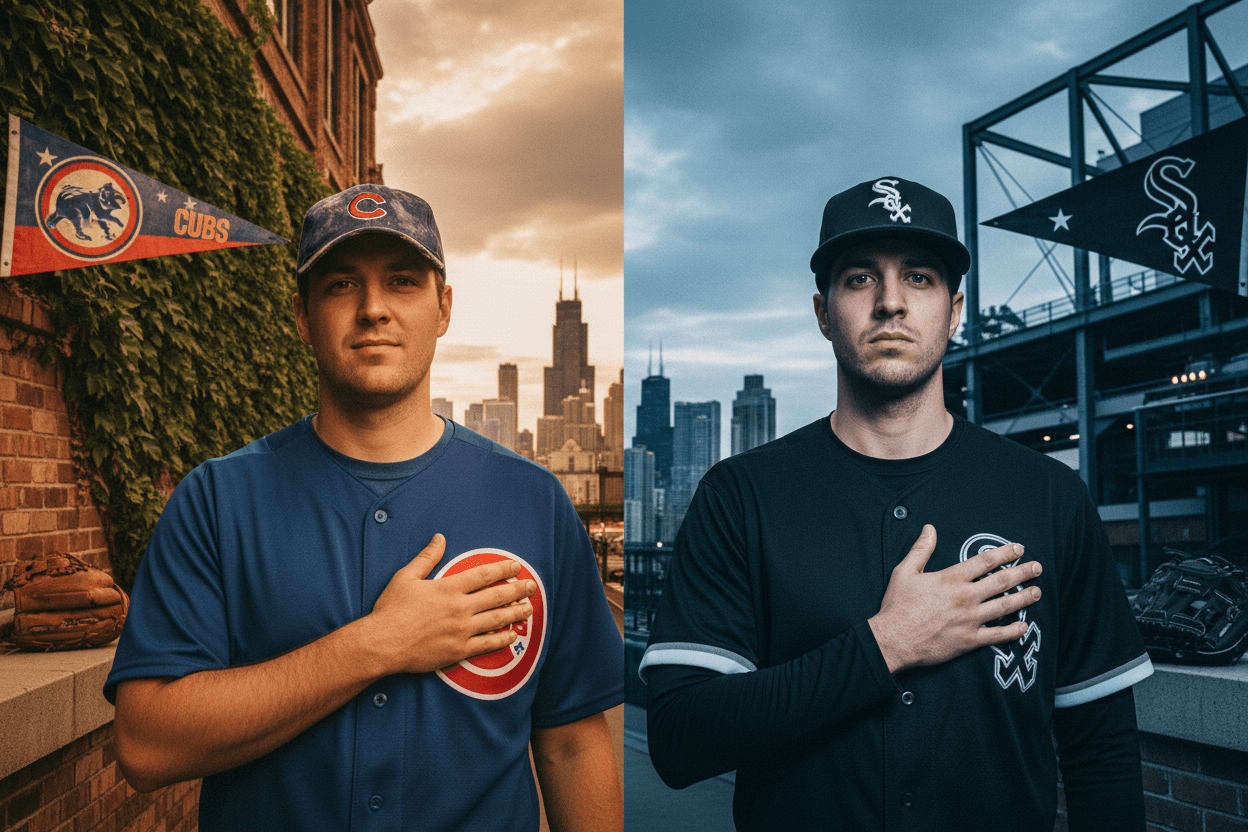
In Chicago, your baseball team isn’t just a preference – it’s part of your identity. Social psychologists have long studied how group membership shapes our sense of self, and nowhere is this more evident than in the Cubs versus White Sox divide. These allegiances often form during childhood and remain remarkably stable throughout life, becoming as integral to personal identity as hometown, family heritage, or professional calling.
Cubs fans often describe themselves as optimistic dreamers, embracing the “lovable losers” narrative even during successful seasons. They find beauty in Wrigley Field’s ivy-covered walls and revel in the tradition of day baseball. This identity attracts people who value experience over outcome, process over results.
White Sox fans, conversely, pride themselves on being the “real” Chicago team – grittier, more authentic, less concerned with pageantry than with performance. They embody the blue-collar work ethic of the South Side, viewing their fandom as more genuine because it’s less trendy, less influenced by tourism or casual interest.
The Neuroscience of Sports Fandom
Recent neuroscientific research reveals that watching your favorite team triggers the same brain regions activated during personal experiences. When Cubs fans watched their team win the World Series, their brains literally couldn’t distinguish between personal achievement and vicarious victory. Mirror neurons fired as if they themselves were sliding into home plate or making the final out.
This neurological response explains why Chicago sports losses feel so personal, so devastating. It’s not melodrama when a fan says their team’s defeat “ruined their week” – their brain processes that loss as a genuine personal failure. The stress hormones, the disrupted sleep patterns, the genuine grief – these are real physiological responses to what outsiders might dismiss as “just a game.”
Moreover, the anticipation and hope that characterize Chicago fandom trigger dopamine releases similar to those experienced by gamblers or people in love. This creates a psychological addiction to the emotional highs and lows, making it nearly impossible for true fans to simply “walk away” from their teams, regardless of performance.
Generational Bonding and Cultural Transmission
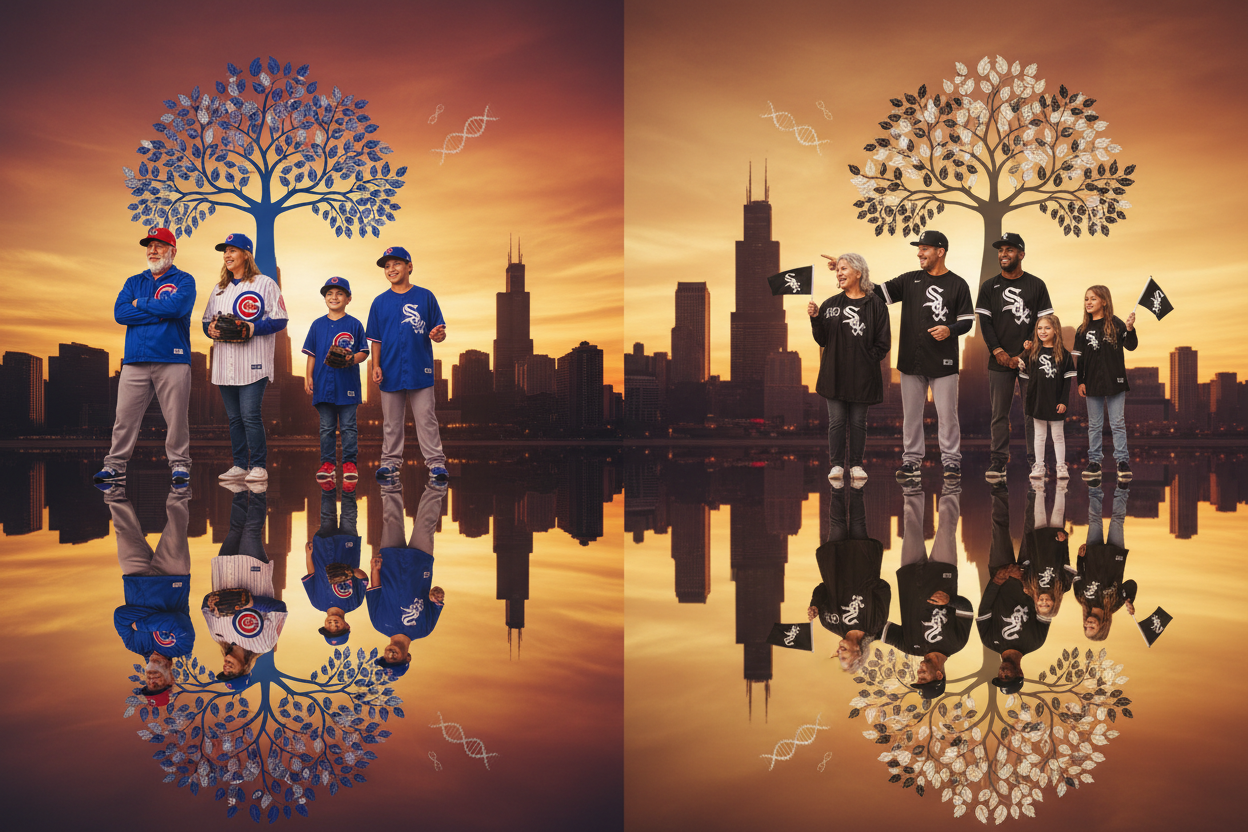
Perhaps nowhere is Chicago sports psychology more evident than in how fandom passes between generations. Grandparents don’t simply introduce grandchildren to baseball – they initiate them into a way of life, a system of beliefs, a framework for understanding perseverance and loyalty.
These intergenerational bonds create what psychologists call “collective memory.” Cubs fans who weren’t alive in 1908 still carry the weight of that championship drought. Young White Sox fans inherit both the pride of 2005 and the shame of 1919. This shared historical consciousness creates a sense of belonging that extends far beyond the individual fan’s personal experience.
Family rituals around game day – from specific seats at specific bars to elaborate pre-game routines – become sacred traditions that bind families together across decades. Missing these rituals feels like betraying not just the team, but the family legacy itself.
The Psychology of Suffering and Redemption
Chicago sports fans have developed a unique relationship with suffering that borders on the philosophical. Years of disappointment haven’t created apathy – they’ve created a sophisticated understanding of hope, resilience, and the value of loyalty in the face of adversity.
This “suffering builds character” mentality isn’t just rationalization; it’s a genuine psychological adaptation. Research shows that people who endure prolonged periods of disappointment while maintaining hope develop increased emotional resilience, stronger social bonds with fellow sufferers, and a deeper appreciation for eventual success.
Cubs fans, in particular, developed what could be called a “beautiful suffering” complex – finding meaning and even joy in the struggle itself. This psychological framework allowed them to maintain enthusiasm through decades of disappointment while creating a unique fan culture that celebrated process over outcome.
Neighborhood Identity and Geographic Psychology
The Cubs-White Sox divide isn’t just about teams – it’s about neighborhoods, social class, and cultural identity. North Side versus South Side represents different approaches to life, different values, different ways of being Chicago.
This geographic psychology runs deeper than simple rivalry. It taps into fundamental questions about authenticity, tradition, and what it means to represent a city. Cubs fans often embrace a more cosmopolitan identity, comfortable with their team’s national following and tourist appeal. White Sox fans maintain fierce local pride, viewing their smaller but more concentrated fanbase as evidence of superior authenticity.
These geographic identities create in-group/out-group dynamics that strengthen internal bonds while maintaining healthy competitive tension. The rivalry provides both sides with a clear “other” against which to define themselves, reinforcing their chosen identity through contrast.
The Role of Ritual and Superstition
Chicago sports fans have elevated game-day rituals to an art form. From wearing the same unwashed jersey during winning streaks to following elaborate pre-game routines, these behaviors serve important psychological functions beyond mere superstition.
Rituals provide a sense of control in situations where fans are actually powerless. They create structure and meaning around unpredictable events. Most importantly, they strengthen the psychological connection between fan and team, making the fan feel like an active participant rather than a passive observer.
The shared nature of these rituals – entire bars falling silent during crucial at-bats, thousands of fans singing “Take Me Out to the Ballgame” in unison – creates powerful experiences of collective effervescence, moments when individual identity dissolves into something larger and more meaningful.
Conclusion: More Than Just a Game
The psychology of Chicago sports fans reveals something profound about human nature itself. In a world that often feels fragmented and temporary, sports fandom provides continuity, community, and meaning. Cubs and White Sox loyalty runs deep because it connects fans to something larger than themselves – to family history, neighborhood identity, and shared human experiences of hope, disappointment, and ultimate redemption.
This isn’t just about baseball. It’s about the human need for belonging, for stories that give meaning to our lives, for communities that persist through good times and bad. Chicago sports fans have created something rare and beautiful – a form of collective identity that enriches individual lives while binding communities together across generations.
Whether you bleed Cubbie blue or Sox black, whether you worship at Wrigley or Guaranteed Rate Field, you’re participating in something that transcends sport itself. You’re part of a psychological and cultural phenomenon that reveals the very best of what it means to be human – loyal, hopeful, and forever willing to believe that this might just be the year.