Pilsen’s Street Art Revolution: How Murals Transformed a Chicago Neighborhood
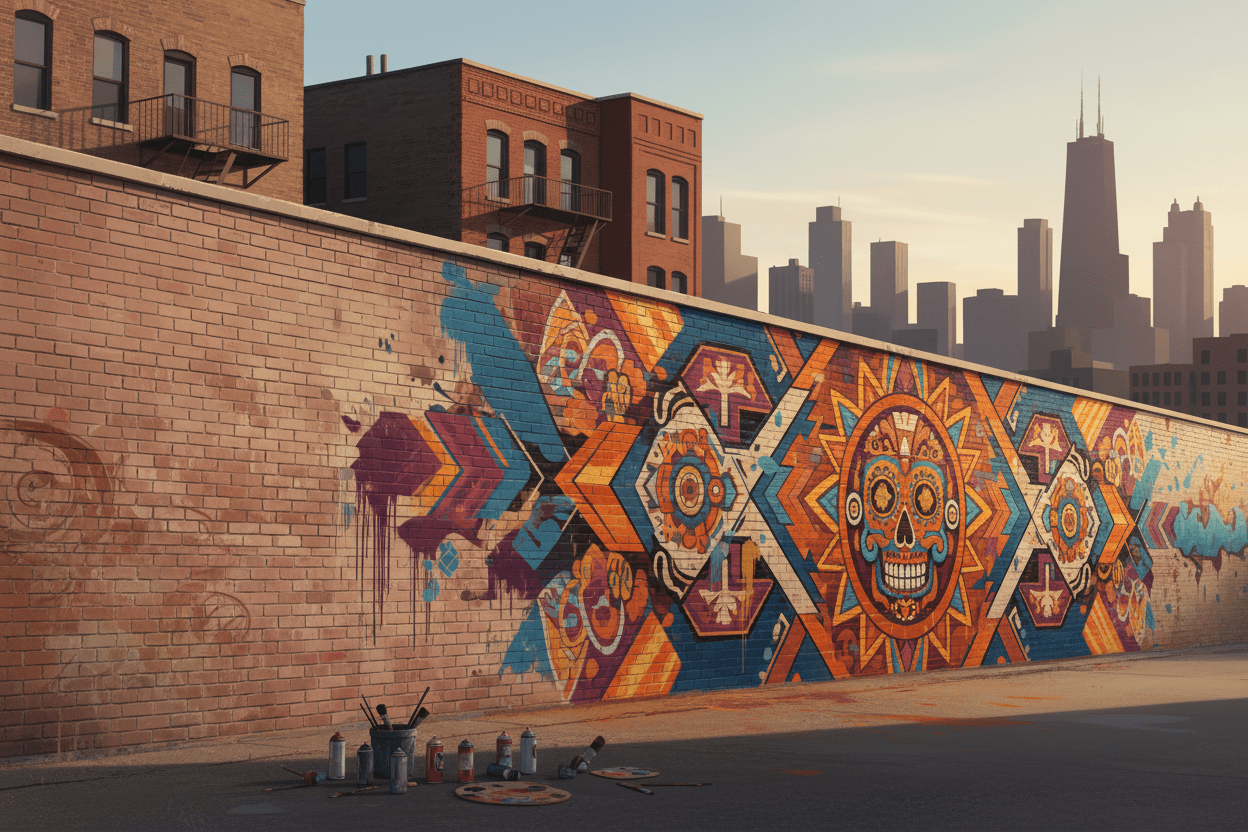
Walk through Chicago’s Pilsen neighborhood today, and you’ll find yourself immersed in an outdoor gallery unlike any other. Vibrant murals stretch across building walls, telling stories of cultural heritage, social justice, and community pride. But this wasn’t always the case. The transformation of Pilsen through street art represents one of the most remarkable neighborhood revitalizations in Chicago’s history, where creativity became the catalyst for change.
What started as a predominantly Mexican-American community facing economic challenges has evolved into a thriving cultural district, largely thanks to the power of public art. The murals that now define Pilsen’s landscape didn’t appear overnight – they’re the result of decades of artistic expression, community organizing, and cultural preservation that continues to shape the neighborhood’s identity today.
The Historical Canvas: Understanding Pilsen’s Past
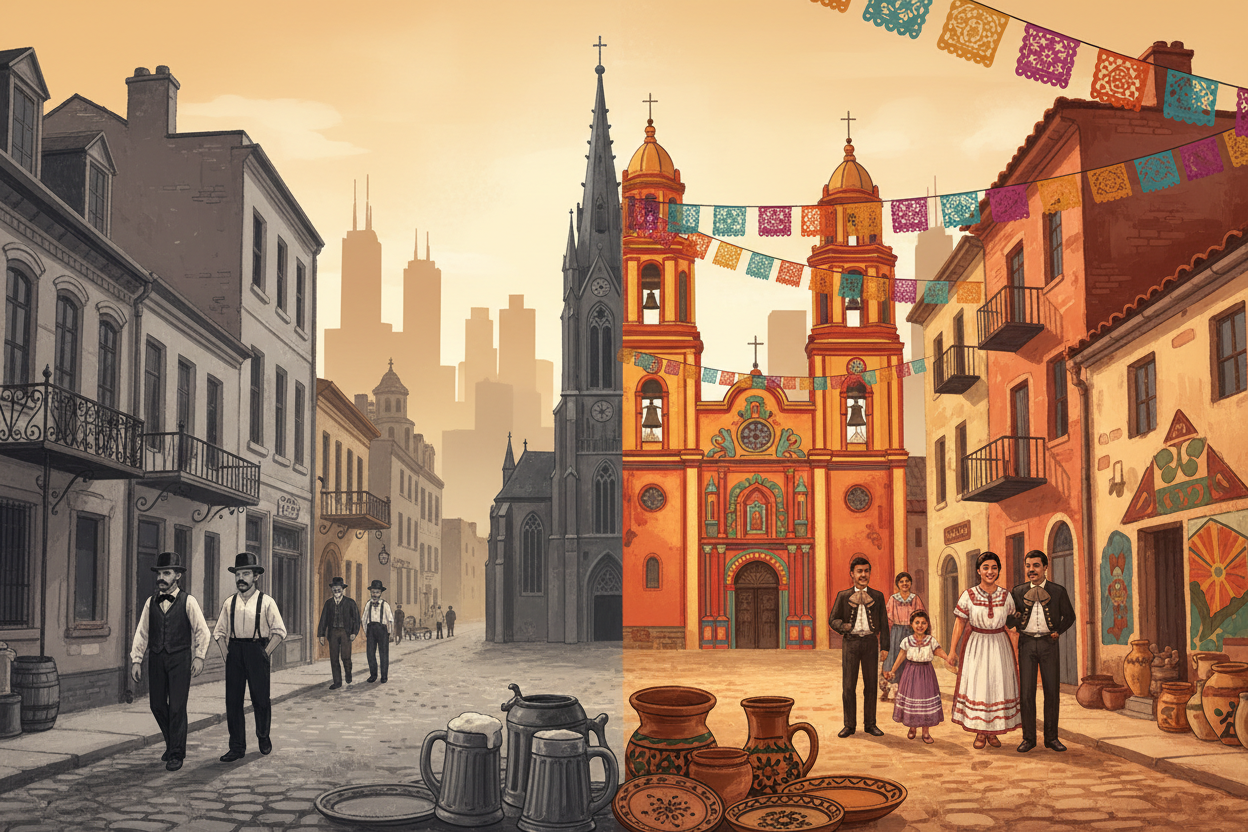
Before diving into the street art revolution, it’s essential to understand Pilsen’s rich history. Originally settled by Czech and Bohemian immigrants in the 1800s, the neighborhood got its name from Plzen, a city in the Czech Republic. However, by the 1960s, Mexican immigrants began making Pilsen their home, bringing with them a vibrant culture that would eventually manifest itself on the neighborhood’s walls.
During the 1970s and 1980s, Pilsen faced significant challenges. Like many urban communities across America, it struggled with disinvestment, poverty, and limited resources. Traditional economic development seemed out of reach, but the community had something powerful: a deep connection to artistic expression rooted in Mexican muralist traditions.
The Mexican muralist movement, led by artists like Diego Rivera and José Clemente Orozco, had long used public walls as canvases for social commentary and cultural celebration. This tradition found new life in Pilsen, where local artists began to see their neighborhood’s walls not as barriers, but as opportunities to tell their stories.
The Birth of Pilsen’s Mural Movement
The street art revolution in Pilsen didn’t happen by accident. It began in the early 1970s when community activists and artists recognized the power of public art to address social issues while celebrating Mexican heritage. Organizations like Casa Aztlan and later the National Museum of Mexican Art played crucial roles in supporting and organizing these early artistic efforts.
One of the pivotal moments came in 1968 when artist Mario Castillo created “Metaphysics,” considered one of the first significant murals in the neighborhood. This piece set a precedent for what would become a neighborhood-wide movement. Unlike graffiti or vandalism, these murals were community-sanctioned artworks that addressed real issues affecting residents’ daily lives.
The artists weren’t just painting pretty pictures – they were documenting struggles with immigration, celebrating cultural traditions, and creating visual narratives that mainstream media often ignored. Each mural became a form of resistance against cultural erasure and economic marginalization.
Community-Driven Art: More Than Just Paint on Walls
What makes Pilsen’s street art revolution unique is its deeply community-driven nature. Unlike commissioned public art projects imposed from outside, these murals emerged from within the neighborhood itself. Residents, business owners, and local organizations collaborated with artists to ensure the artwork reflected their experiences and values.
The process typically begins with community meetings where residents discuss themes, share stories, and provide input on proposed designs. This collaborative approach ensures that each mural serves multiple purposes: beautifying the neighborhood, preserving cultural memory, and addressing contemporary social issues.
Take the famous “Gulliver in Wonderland” mural on 19th Street, created by Hector Duarte. This piece doesn’t just showcase artistic skill – it tells the story of immigration and the search for the American Dream. The community’s involvement in conceptualizing and supporting such works creates a sense of ownership and pride that extends far beyond the artwork itself.
Local schools have also become integral to the mural movement. Students participate in creating murals, learning about their cultural heritage while developing artistic skills. This educational component ensures that the street art tradition continues to evolve with new generations of community members.
Economic Impact: Art as a Catalyst for Development
The murals in Pilsen have done more than beautify the neighborhood – they’ve become a significant economic driver. The concentration of public art has attracted tourists, art enthusiasts, and cultural organizations, bringing new revenue streams to local businesses.
Restaurants, cafes, and shops have experienced increased foot traffic as people come to see the murals and end up exploring the neighborhood’s other offerings. The annual Pilsen Art Walk, which showcases the neighborhood’s murals alongside gallery exhibitions, draws thousands of visitors and generates substantial economic activity.
Property values have also been affected, though this brings both opportunities and challenges. While increased property values can benefit longtime homeowners, they also contribute to gentrification pressures that threaten to displace the very community that created this artistic renaissance.
The success of Pilsen’s street art has also attracted grants and funding for additional community development projects. Organizations have leveraged the neighborhood’s reputation as a cultural destination to secure resources for youth programs, small business development, and affordable housing initiatives.
Preserving Culture While Embracing Change
One of the most compelling aspects of Pilsen’s mural movement is how it balances cultural preservation with contemporary relevance. The artwork serves as a living archive of Mexican-American experience in Chicago, documenting everything from pre-Columbian history to current immigration debates.
Many murals incorporate traditional Mexican symbols, indigenous imagery, and references to historical figures, ensuring that cultural knowledge passes from one generation to the next. At the same time, contemporary artists address current issues like gentrification, police violence, and environmental justice, keeping the artwork relevant to today’s challenges.
This dynamic approach prevents the murals from becoming static museum pieces. Instead, they remain vital parts of ongoing community conversations. When murals fade or buildings are demolished, the community often organizes to restore or recreate the artwork, sometimes updating themes to reflect current concerns.
The intergenerational nature of Pilsen’s mural tradition is particularly striking. Veteran artists mentor younger community members, passing down both technical skills and the philosophical understanding of art’s role in social change. This ensures continuity while allowing for innovation and fresh perspectives.
Challenges and Controversies in the Street Art Scene
Despite its many successes, Pilsen’s street art revolution hasn’t been without challenges. Gentrification remains a persistent concern, with some community members worrying that the neighborhood’s artistic reputation is attracting development that could displace longtime residents.
There’s an ongoing tension between celebrating the murals’ role in neighborhood improvement and ensuring that the benefits reach the community members who created and supported this artistic movement. Some worry that as Pilsen becomes more popular with tourists and new residents, the authentic community voice that drove the original mural movement could be diluted.
Maintenance and preservation present practical challenges. Murals are exposed to weather, vandalism, and the normal wear of urban life. The community must constantly work to maintain these artworks, often with limited resources. Some murals have been lost to development, creating ongoing debates about how to balance neighborhood growth with cultural preservation.
There are also artistic disagreements within the community about style, content, and process. Not everyone agrees on what themes should be represented or how community input should be incorporated into artistic decisions. These debates, while sometimes contentious, reflect the democratic nature of Pilsen’s street art movement.
The Ripple Effect: Inspiring Other Communities
Pilsen’s success with community-driven street art has inspired similar movements in neighborhoods across Chicago and beyond. Communities have studied Pilsen’s model, adapting its approaches to their own cultural contexts and challenges.
The neighborhood has become a destination for urban planners, community organizers, and artists seeking to understand how public art can drive positive neighborhood change. Delegations from other cities regularly visit Pilsen to learn from its experiences.
Academic institutions have also taken notice, with researchers studying Pilsen’s murals as examples of community-based development, cultural preservation, and artistic activism. This scholarly attention has helped document and legitimize the neighborhood’s approach to using art for social change.
The influence extends beyond murals to other forms of community organizing and cultural programming. Pilsen’s success has demonstrated the power of grassroots cultural initiatives to address complex urban challenges, inspiring communities to think creatively about their own development strategies.
Looking Forward: The Future of Pilsen’s Street Art
As Pilsen continues to evolve, so does its street art movement. New artists bring fresh perspectives while honoring the traditions established by earlier generations. Digital media and social platforms have expanded the reach of Pilsen’s murals, allowing their messages to resonate far beyond the neighborhood boundaries.
Climate change and environmental justice have emerged as new themes in recent murals, reflecting contemporary concerns while maintaining the tradition of addressing pressing social issues through art. The COVID-19 pandemic also inspired new artworks documenting community resilience and mutual aid efforts.
Technology is beginning to play a role, with some artists incorporating QR codes or augmented reality elements that provide additional layers of information about their murals. These innovations create new possibilities for storytelling while maintaining the accessibility that has always characterized Pilsen’s street art.
The challenge moving forward will be maintaining the community-driven character of the mural movement while adapting to changing demographics and economic pressures. Success will depend on continued community engagement and the ability to ensure that longtime residents remain central to decisions about their neighborhood’s artistic future.
Conclusion: Art as Community Power
Pilsen’s street art revolution demonstrates the transformative power of community-driven cultural expression. What began as a way for residents to tell their own stories has evolved into a comprehensive model for neighborhood development that prioritizes community voice, cultural preservation, and social justice.
The murals that cover Pilsen’s walls are more than decorative elements – they’re tools of empowerment, education, and economic development. They prove that communities don’t need to wait for outside investment or top-down planning to create positive change. Sometimes, all it takes is paint, vision, and the collective will to transform blank walls into powerful statements of identity and hope.
As cities across the world grapple with issues of inequality, cultural preservation, and community development, Pilsen’s experience offers valuable lessons. The neighborhood’s street art revolution shows that when communities control their own narratives and invest in their cultural assets, they can create lasting change that benefits residents while inspiring others to follow their example.
The story of Pilsen’s transformation through street art is still being written, with each new mural adding another chapter to this ongoing narrative of community resilience and creative power.