Chicago’s Best Ethnic Neighborhoods: Cultural Diversity Across the City
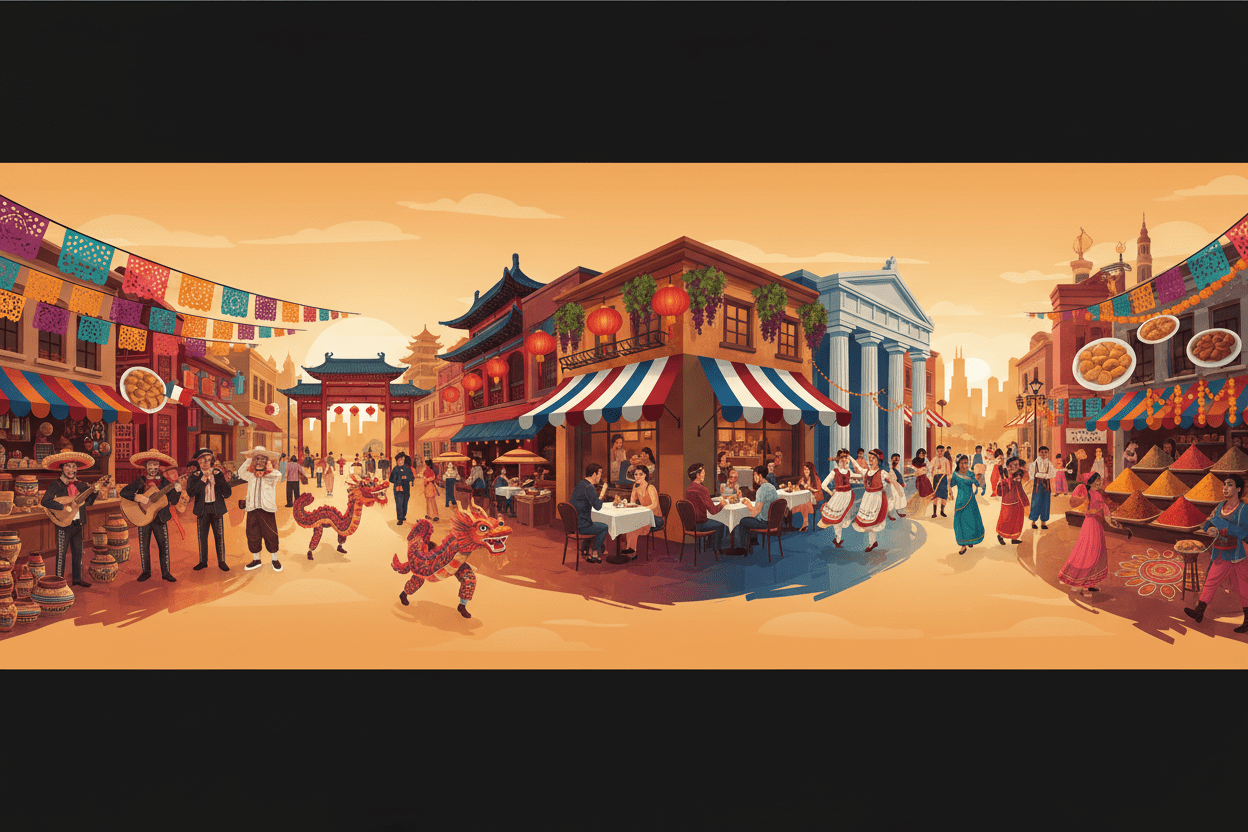
Chicago stands as one of America’s most culturally diverse cities, where immigrants from around the world have established vibrant communities that continue to thrive today. These ethnic neighborhoods aren’t just places to live – they’re living museums of culture, tradition, and authentic experiences that make the Windy City truly special. From the aromatic spices wafting through Little Village to the colorful murals of Pilsen, each neighborhood tells a unique story of resilience, community, and cultural preservation.
Walking through Chicago’s ethnic enclaves feels like taking a journey around the world without leaving the city limits. Each community has maintained its distinct identity while contributing to the rich tapestry that makes Chicago such an incredible place to explore. Whether you’re seeking authentic cuisine, traditional festivals, or simply want to experience different cultures, these neighborhoods offer genuine glimpses into the lives and traditions of Chicago’s diverse population.
Chinatown: A Gateway to Asian Culture
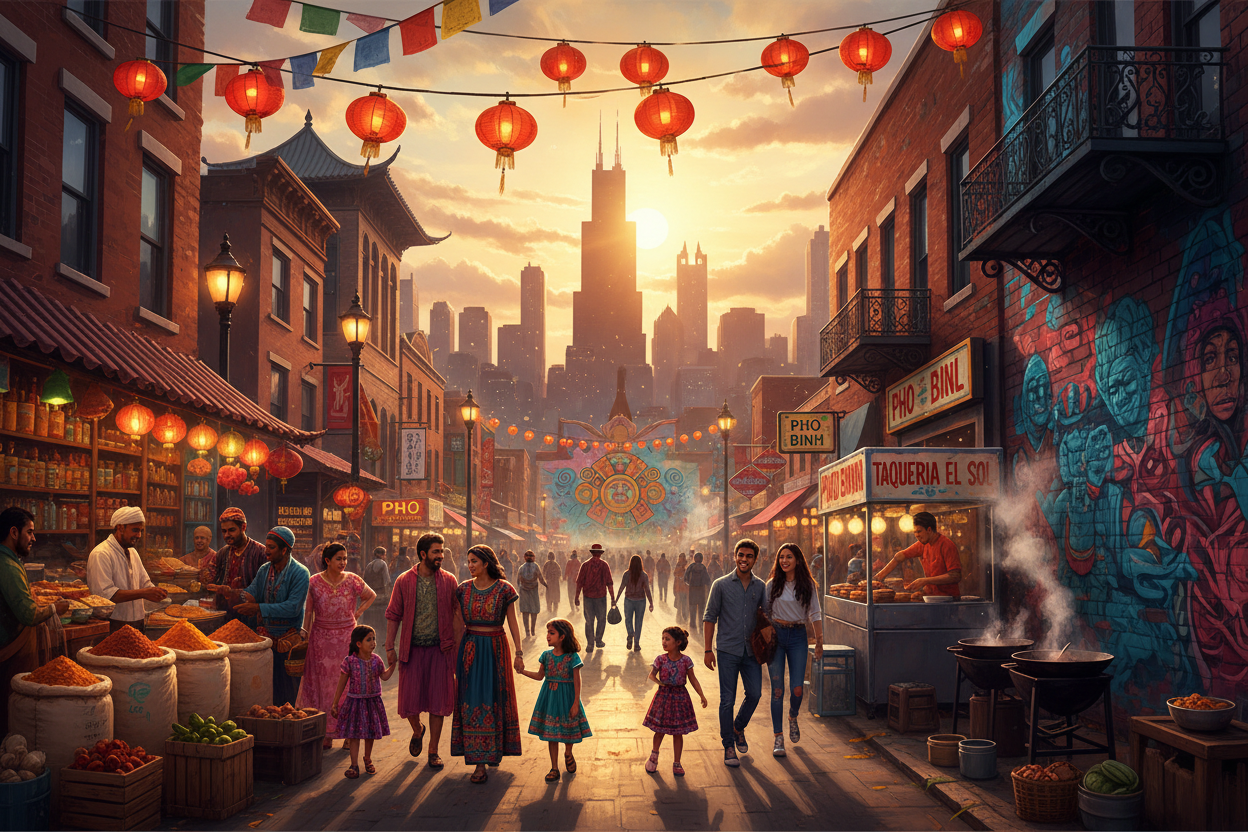
Chicago’s Chinatown, located on the Near South Side, serves as the heart of the city’s Asian community and has been welcoming visitors for over a century. The neighborhood’s iconic red and gold gateway on Wentworth Avenue immediately signals that you’ve entered somewhere special. This isn’t just a tourist destination – it’s a functioning community where three generations of families live, work, and preserve their heritage.
The streets buzz with activity as elderly residents practice tai chi in Ping Tom Memorial Park while children attend Chinese language schools on weekends. Authentic dim sum restaurants share space with herbal medicine shops, and the aroma of fresh-baked pork buns mingles with incense from local temples. The Chinese-American Museum of Chicago offers deeper insights into the community’s history, while the annual Chinese New Year parade transforms the neighborhood into a spectacular celebration of color and tradition.
What makes Chinatown particularly fascinating is how it has evolved while maintaining its core identity. Modern bubble tea shops operate alongside traditional tea houses, and contemporary Asian fusion restaurants complement century-old family establishments. The neighborhood serves multiple Asian communities beyond Chinese immigrants, including Vietnamese, Thai, and Filipino families who have found a welcoming home in this vibrant enclave.
Little Village: The Heart of Mexican Chicago
Known locally as “La Villita,” Little Village pulses with the energy and spirit of Mexico. Located on Chicago’s Southwest Side, this neighborhood is home to the largest Mexican population outside of Mexico itself. The moment you step onto 26th Street, the main commercial corridor, you’re transported into a world where Spanish flows as naturally as English and every storefront tells a story of Mexican entrepreneurship and culture.
The neighborhood’s famous arch, inspired by those found in Mexican cities, spans 26th Street and serves as a proud symbol of the community’s identity. Beneath this arch, you’ll find everything from quinceañera dress shops to authentic taquerias serving street-style tacos that rival anything you’d find in Mexico City. The mercados overflow with fresh produce, traditional spices, and ingredients that allow families to recreate the flavors of home.
Little Village comes alive during celebrations like Cinco de Mayo and Mexican Independence Day, when the streets fill with mariachi music, traditional dancers, and the delicious aromas of street food. But the neighborhood’s true character shines through in everyday moments – families gathering for Sunday dinner, children learning traditional dances at cultural centers, and local artists creating murals that celebrate Mexican heritage and the immigrant experience.
Pilsen: Where Art Meets Mexican Heritage
Just east of Little Village, Pilsen represents the artistic soul of Chicago’s Mexican community. This neighborhood has become synonymous with vibrant street art, cultural institutions, and a thriving arts scene that attracts visitors from around the world. Originally settled by Czech and Bohemian immigrants, Pilsen transformed into a predominantly Mexican neighborhood in the 1960s and has since become a canvas for Mexican-American artistic expression.
The neighborhood’s walls serve as galleries, featuring stunning murals that depict everything from Aztec mythology to contemporary social issues. These aren’t just decorations – they’re powerful statements about identity, struggle, and hope. The National Museum of Mexican Art, the largest Latino cultural institution in the United States, anchors the community’s cultural offerings with world-class exhibitions and educational programs.
Pilsen’s culinary scene reflects its artistic spirit, with innovative Mexican restaurants operating alongside traditional family establishments. You might find a chef reimagining classic mole recipes in a trendy bistro while a few blocks away, a grandmother serves the same pozole recipe her family has made for generations. This blend of tradition and innovation makes Pilsen a dynamic neighborhood where culture continues to evolve while honoring its roots.
Devon Avenue: Chicago’s Little India
Devon Avenue, particularly the stretch between Western and California avenues, transforms Chicago into a slice of South Asia. This bustling corridor serves multiple communities – Indian, Pakistani, Bangladeshi, and others – creating a rich tapestry of South Asian culture that engages all the senses. The street practically vibrates with energy, from the colorful saris displayed in shop windows to the complex aromas of spices and incense that fill the air.
The neighborhood offers an authentic South Asian experience that goes far beyond restaurants. Jewelry stores sparkle with intricate gold designs, bookshops carry literature in Hindi, Urdu, and other regional languages, and music stores sell everything from classical Indian instruments to the latest Bollywood soundtracks. The area’s temples and mosques serve as community centers where families gather for religious observances and cultural celebrations.
Food lovers consider Devon Avenue a pilgrimage site, with restaurants serving regional specialties from across the Indian subcontinent. Whether you’re craving South Indian dosas, Pakistani biryanis, or Bangladeshi fish curries, you’ll find authentic preparations made by families who brought their recipes directly from their homelands. The annual Devon Avenue festivals showcase classical and contemporary music, traditional dances, and the incredible diversity within South Asian cultures.
Andersonville: Scandinavian Heritage and LGBTQ+ Pride
Andersonville tells a unique story of cultural evolution and community acceptance. Originally established by Swedish immigrants in the 1850s, this North Side neighborhood has maintained its Scandinavian roots while becoming one of Chicago’s most welcoming communities for LGBTQ+ residents. This combination creates a neighborhood character unlike anywhere else in the city.
The Swedish influence remains visible throughout Andersonville, from the Swedish American Museum to bakeries serving traditional cardamom cookies and coffee shops that understand the importance of a proper fika (Swedish coffee break). Clark Street, the neighborhood’s main artery, features Swedish flags alongside rainbow pride flags, symbolizing how different communities can coexist and strengthen each other.
What makes Andersonville special is how it has grown beyond its original identity while honoring its heritage. The neighborhood’s independent businesses reflect both its Scandinavian roots and its progressive values. You’ll find vintage shops, bookstores specializing in LGBTQ+ literature, and restaurants that might serve Swedish meatballs alongside globally-inspired cuisine. The annual Midsommarfest celebrates Swedish culture while the neighborhood’s year-round events welcome people from all backgrounds.
Greektown: Mediterranean Flavors and Traditions
Chicago’s Greektown, centered on Halsted Street near the Loop, may be smaller than some of the city’s other ethnic neighborhoods, but it packs tremendous cultural punch into just a few blocks. This tight-knit community has preserved Greek traditions while adapting to urban changes, creating a neighborhood that feels both timeless and contemporary.
The neighborhood’s restaurants are legendary among Chicago food enthusiasts, serving everything from perfectly grilled octopus to traditional moussaka that transports diners straight to the Greek islands. But Greektown offers more than just dining – it’s a place where Greek culture lives and breathes. The Hellenic Museum preserves and shares Greek heritage, while local festivals bring traditional music, dancing, and celebrations to the streets.
Walking through Greektown, you’ll notice how the community maintains its connections to Greece while embracing its Chicago identity. Older residents might gather to discuss politics in both Greek and English, while younger generations blend American and Greek customs in their daily lives. The neighborhood’s annual Taste of Greece festival showcases this cultural blend, featuring traditional foods alongside contemporary Greek-American innovations.
Ukrainian Village: Eastern European Heritage
Ukrainian Village, located on Chicago’s Near West Side, represents one of the city’s most historically significant Eastern European communities. This neighborhood has served as a cultural anchor for Ukrainian immigrants for over a century, preserving traditions, language, and customs that connect residents to their ancestral homeland.
The Ukrainian Institute of Modern Art and the Ukrainian Cultural Center serve as important institutions that maintain cultural connections across generations. These organizations host events, exhibitions, and educational programs that help both Ukrainian-Americans and other Chicagoans understand and appreciate Ukrainian heritage. The neighborhood’s churches, with their distinctive onion domes and Byzantine architecture, create a skyline that hints at Eastern European influences.
Ukrainian Village has experienced significant gentrification in recent years, but the core Ukrainian community continues to maintain its presence through cultural institutions, restaurants, and family-owned businesses. Traditional bakeries still produce Easter breads and other seasonal specialties, while restaurants serve hearty dishes like borscht and pierogi that comfort both longtime residents and newcomers discovering Ukrainian cuisine for the first time.
Bridgeport: Irish Roots and Political History
Bridgeport carries the distinction of being Chicago’s most politically influential neighborhood, having produced five mayors, including the legendary Richard J. Daley. Originally settled by Irish immigrants who came to work on the Illinois and Michigan Canal, Bridgeport has maintained its working-class Irish character while welcoming new immigrant communities, particularly from Mexico and China.
The neighborhood’s Irish heritage remains visible in its pubs, cultural organizations, and the annual St. Patrick’s Day festivities that draw visitors from across the city. But Bridgeport’s story is also one of demographic change and adaptation. Mexican families have established businesses and cultural centers, while Chinese immigrants have created their own community networks, often in the same blocks where Irish families have lived for generations.
This cultural mixing creates fascinating dynamics where you might find a Mexican restaurant next to an Irish pub, or a Chinese grocery store across from a bar that’s been serving the same Irish families for decades. Bridgeport demonstrates how neighborhoods can maintain their historical character while embracing new communities and cultures.
Experiencing Chicago’s Cultural Mosaic
Chicago’s ethnic neighborhoods offer more than just authentic food and cultural attractions – they provide genuine opportunities to understand how immigrant communities have shaped and continue to influence American urban life. Each neighborhood represents decades or even centuries of families working to preserve their heritage while building new lives in America.
The best way to experience these communities is with respect and genuine curiosity. Take time to learn basic greetings in different languages, ask questions about cultural traditions, and support local businesses that serve as economic anchors for their communities. Many neighborhoods offer cultural festivals throughout the year that welcome visitors and provide deeper insights into their traditions and values.
These neighborhoods also demonstrate Chicago’s ongoing evolution as a global city. While some communities have deep historical roots, others are newer, reflecting contemporary immigration patterns and global connections. Each contributes to making Chicago a city where you can experience authentic cultures from around the world while understanding how these communities have adapted and thrived in their American home.
Chicago’s ethnic neighborhoods represent the city’s greatest strength – its ability to welcome people from around the world and provide spaces where they can maintain their cultural identities while contributing to the broader community. From the bustling markets of Little Village to the artistic expressions of Pilsen, from the spiritual centers of Devon Avenue to the historical preservation efforts in Ukrainian Village, these communities create a urban experience that is both deeply American and genuinely international. Exploring these neighborhoods isn’t just about tourism – it’s about understanding how cities grow, change, and maintain their character through the contributions of diverse communities working together to create something uniquely Chicago.