
The DuSable Black History Museum: Celebrating African American Heritage in Chicago
Nestled in the heart of Chicago’s historic Washington Park neighborhood stands a beacon of cultural preservation and education: the DuSable Black History Museum and Education Center. As America’s oldest independent museum dedicated to preserving and interpreting the experiences and achievements of African Americans, this remarkable institution has been telling stories that matter for over six decades. Whether you’re a history enthusiast, a curious traveler, or someone seeking to understand the rich tapestry of African American culture, the DuSable Museum offers an unforgettable journey through time and heritage.
A Legacy Born from Vision: The Museum’s Founding Story
The DuSable Black History Museum’s story begins with a vision that was both bold and necessary. Founded in 1961 by Dr. Margaret Taylor-Burroughs, an educator and artist, along with her husband Charles Burroughs and other community leaders, the museum emerged from a simple yet powerful recognition: African American history and culture deserved a dedicated space for preservation and celebration.
Originally established in the Burroughs’ home, the museum began as a grassroots effort to fill a significant gap in historical representation. Dr. Burroughs understood that mainstream museums often overlooked or marginalized African American contributions to society, and she was determined to change that narrative. The museum’s humble beginnings reflected the community spirit that would continue to define its mission for generations to come.
The institution takes its name from Jean Baptiste Point du Sable, a Haitian-born trader of African descent who is widely recognized as Chicago’s first permanent non-indigenous settler. This naming choice was deliberate and symbolic, honoring not just an individual but the often-overlooked contributions of people of African descent to the very foundation of American cities.
Architectural Marvel and Cultural Landmark
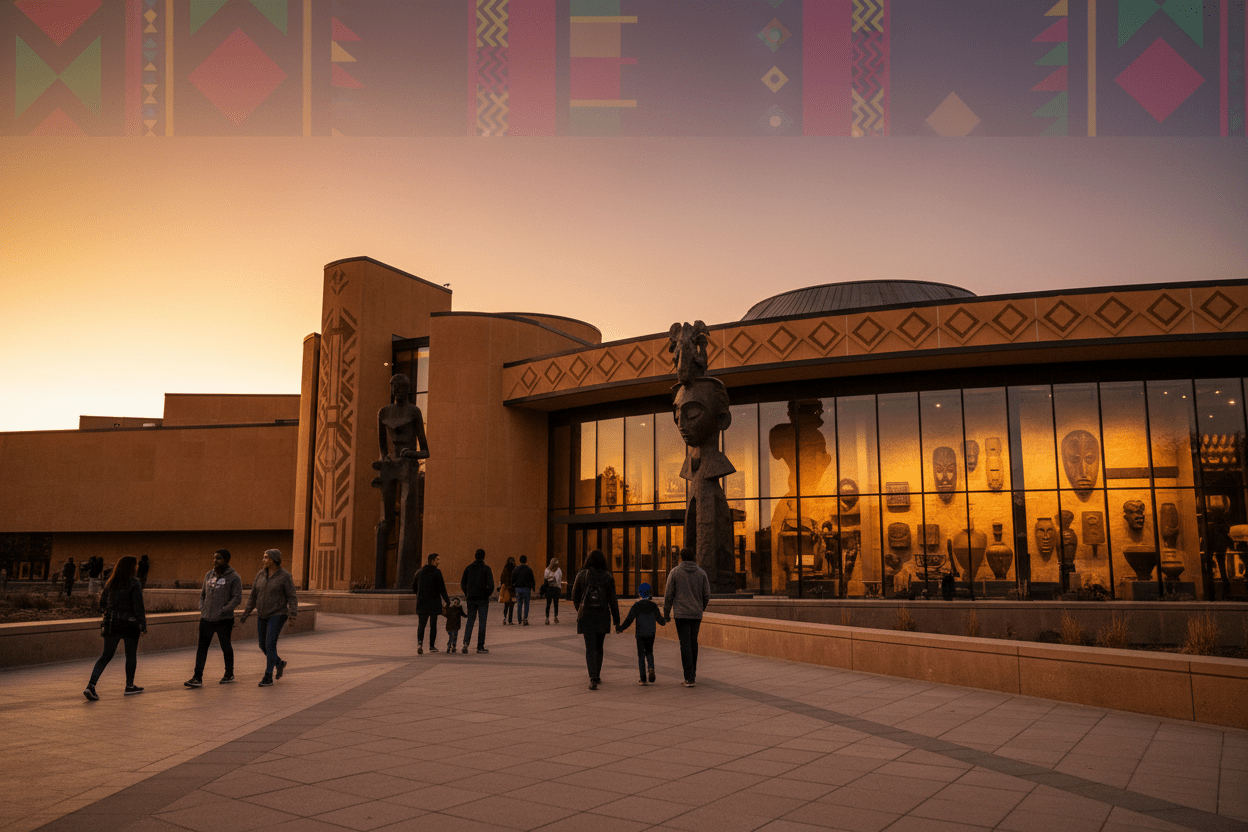
Today’s DuSable Museum building is itself a work of art and history. Located at 740 East 56th Place, the museum occupies a stunning facility that underwent major renovations and expansions over the years. The building’s design thoughtfully balances modern museum standards with elements that reflect African and African American aesthetic traditions.
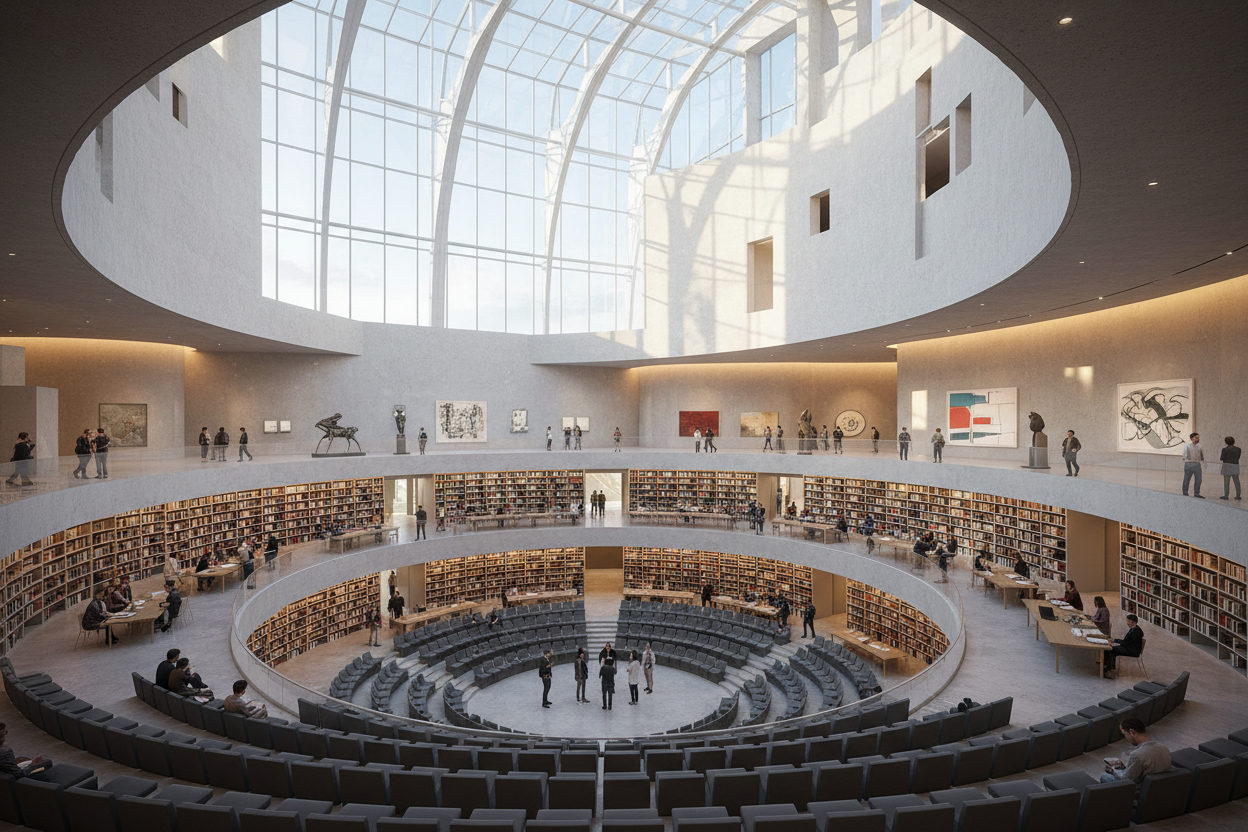
The museum’s architecture serves as more than just a container for exhibits; it’s an integral part of the storytelling experience. Visitors often comment on how the building’s design creates an atmosphere of reverence and celebration, setting the tone for the powerful narratives contained within its walls. The facility includes multiple gallery spaces, a theater, research library, and educational areas that accommodate everything from intimate scholarly research to large community gatherings.
The museum’s location in Washington Park is particularly significant, as this neighborhood has long been a center of African American cultural and intellectual life in Chicago. The surrounding area includes other important cultural institutions and has been home to many prominent figures in African American history, creating a rich cultural corridor that enhances the museum experience.
Permanent Collections: Treasures of African American Heritage
The heart of the DuSable Museum lies in its extensive permanent collections, which span centuries of African American experience. These collections represent one of the most comprehensive assemblages of African American historical artifacts, artworks, and documents in the United States.
The museum’s art collection is particularly noteworthy, featuring works by renowned African American artists including Henry Ossawa Tanner, Elizabeth Catlett, and Charles White. These pieces don’t just showcase artistic talent; they provide windows into different eras of African American experience, from the Harlem Renaissance to the Civil Rights Movement and beyond.
Historical artifacts in the collection tell stories of triumph, struggle, innovation, and resilience. Visitors can explore items ranging from slavery-era documents to Civil Rights Movement memorabilia, each piece carefully preserved and contextualized to help visitors understand its significance within the broader narrative of American history.
One of the most moving aspects of the permanent collection is how it personalizes historical experiences. Rather than presenting history as a series of abstract events, the museum uses personal objects, photographs, and documents to help visitors connect with individual stories and experiences. This approach makes history feel immediate and relevant, regardless of a visitor’s background or prior knowledge.
Rotating Exhibitions: Fresh Perspectives on African American Experience
While the permanent collection provides a solid foundation, the DuSable Museum’s rotating exhibitions ensure that each visit offers something new and thought-provoking. These temporary displays often focus on specific themes, time periods, or individuals, allowing for deeper exploration of particular aspects of African American history and culture.
Recent exhibitions have covered topics ranging from the Great Migration and its impact on Chicago to contemporary African American artists pushing boundaries in their respective fields. The museum’s curatorial team works diligently to present exhibitions that are both historically accurate and relevant to contemporary discussions about race, culture, and identity in America.
These rotating exhibitions often incorporate multimedia elements, interactive displays, and innovative presentation techniques that engage visitors of all ages and learning styles. The museum recognizes that effective education requires meeting people where they are, and these dynamic displays reflect that understanding.
The exhibition programming also frequently highlights connections between historical events and contemporary issues, helping visitors understand how past experiences continue to influence present-day realities. This approach makes the museum not just a repository of historical artifacts but a living space for ongoing dialogue and reflection.
Educational Programs and Community Engagement
Education has been central to the DuSable Museum’s mission since its founding, and today’s programming reflects decades of experience in making African American history accessible and engaging for diverse audiences. The museum offers programs for school groups, families, adults, and specialized audiences, ensuring that learning opportunities are available for everyone.
School programs are particularly robust, with curriculum-aligned offerings that support classroom learning while providing experiences that textbooks simply cannot deliver. Teachers often report that their students’ visits to the DuSable Museum represent transformative moments in their understanding of American history and their own place within it.
Adult programming includes lectures, workshops, film screenings, and discussion groups that dive deep into various aspects of African American history and contemporary culture. These programs often feature renowned scholars, artists, and community leaders who bring expertise and personal perspectives to the topics at hand.
The museum also serves as a community gathering space, hosting events that celebrate African American culture through music, literature, food, and art. These events strengthen community bonds while introducing new audiences to the museum’s resources and mission.
Research Resources and Scholarly Contributions
Beyond its role as a public museum, the DuSable institution serves as an important research center for scholars studying African American history and culture. The museum’s archives and library contain thousands of documents, photographs, oral histories, and other materials that support serious academic research.
These research resources have contributed to numerous scholarly publications, documentaries, and other projects that have advanced understanding of African American experiences. The museum’s commitment to preserving primary source materials ensures that future generations of researchers will have access to authentic historical documents and artifacts.
The institution also actively collects contemporary materials, recognizing that today’s events will be tomorrow’s history. This forward-thinking approach ensures that future visitors will be able to understand not just historical African American experiences but also how those experiences evolved into the present day.
Planning Your Visit: Making the Most of Your Experience
A visit to the DuSable Black History Museum is more than just a casual museum trip; it’s an opportunity for education, reflection, and inspiration. To make the most of your experience, consider planning ahead by checking the museum’s website for current exhibitions and special programming that might align with your interests.
The museum is open Tuesday through Sunday, with extended hours on certain days to accommodate different schedules. Admission fees are modest, reflecting the institution’s commitment to accessibility, and discounts are available for students, seniors, and groups.
Allow at least two to three hours for your visit, though many guests find themselves staying longer as they become absorbed in the exhibits and collections. The museum’s layout is designed to be navigated at your own pace, allowing for both comprehensive tours and focused exploration of particular areas of interest.
Consider combining your museum visit with exploration of the surrounding Washington Park neighborhood, which offers additional cultural attractions and historical sites that complement the museum experience.
The Museum’s Impact on Chicago and Beyond
The DuSable Black History Museum’s influence extends far beyond its physical walls. As a cultural anchor in Chicago’s South Side, the museum has played a crucial role in community development and cultural preservation for over six decades. Its presence has helped maintain the neighborhood’s identity while attracting visitors from around the world.
The museum’s educational impact is particularly significant, having introduced countless students to African American history and culture in ways that traditional classroom instruction often cannot achieve. Many visitors describe their experience at the DuSable Museum as eye-opening, citing new perspectives on American history and a deeper appreciation for African American contributions to society.
On a national level, the museum has served as a model for other institutions seeking to preserve and present African American history. Its longevity and success have demonstrated the vital importance of community-based cultural institutions in maintaining historical memory and promoting understanding across cultural boundaries.
Preserving Heritage for Future Generations
The DuSable Black History Museum stands as more than just a repository of artifacts and artworks; it represents a commitment to ensuring that African American stories, achievements, and experiences remain visible and accessible for future generations. In an era when historical narratives are constantly being questioned and revised, institutions like the DuSable Museum play a crucial role in maintaining authentic, community-driven perspectives on the past.
For visitors, whether they’re Chicago locals or travelers from afar, the museum offers an opportunity to engage with American history in all its complexity and richness. It challenges visitors to think critically about the stories they’ve been told and to consider perspectives that may have been marginalized or overlooked in traditional historical accounts.
The DuSable Black History Museum reminds us that history is not just about dates and events; it’s about people, communities, and the ongoing struggle to create a more just and equitable society. Through its collections, exhibitions, and programs, the museum continues Dr. Burroughs’ original vision of creating a space where African American heritage is not just preserved but celebrated and shared with the world.