Chicago’s Brewery Scene: Craft Beer Culture in the Midwest’s Beer Capital
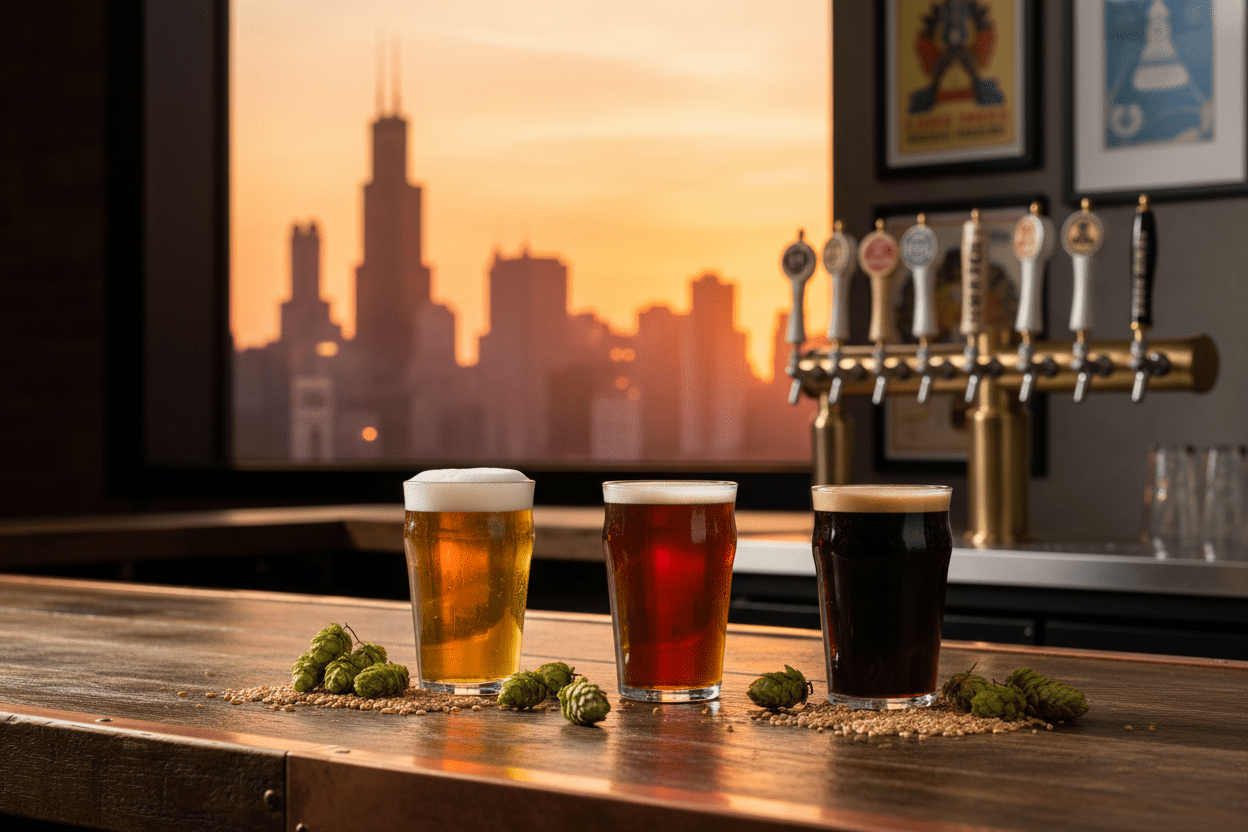
When you think of Chicago, deep-dish pizza and towering skyscrapers might come to mind first. But scratch beneath the surface of the Windy City, and you’ll discover a thriving craft beer scene that rivals any major metropolitan area in the country. Chicago has quietly become the Midwest’s undisputed beer capital, boasting over 150 breweries within the city limits and surrounding areas. From innovative IPAs brewed in converted warehouses to traditional German lagers crafted in century-old buildings, Chicago’s brewery culture represents a perfect blend of Midwestern tradition and cutting-edge innovation.
The city’s craft beer revolution didn’t happen overnight. It’s been decades in the making, built on a foundation of passionate brewers, supportive communities, and a deep appreciation for quality ingredients. Today, Chicago’s brewery scene stands as a testament to what happens when creativity meets craftsmanship in America’s heartland.
The Rise of Chicago’s Craft Beer Movement
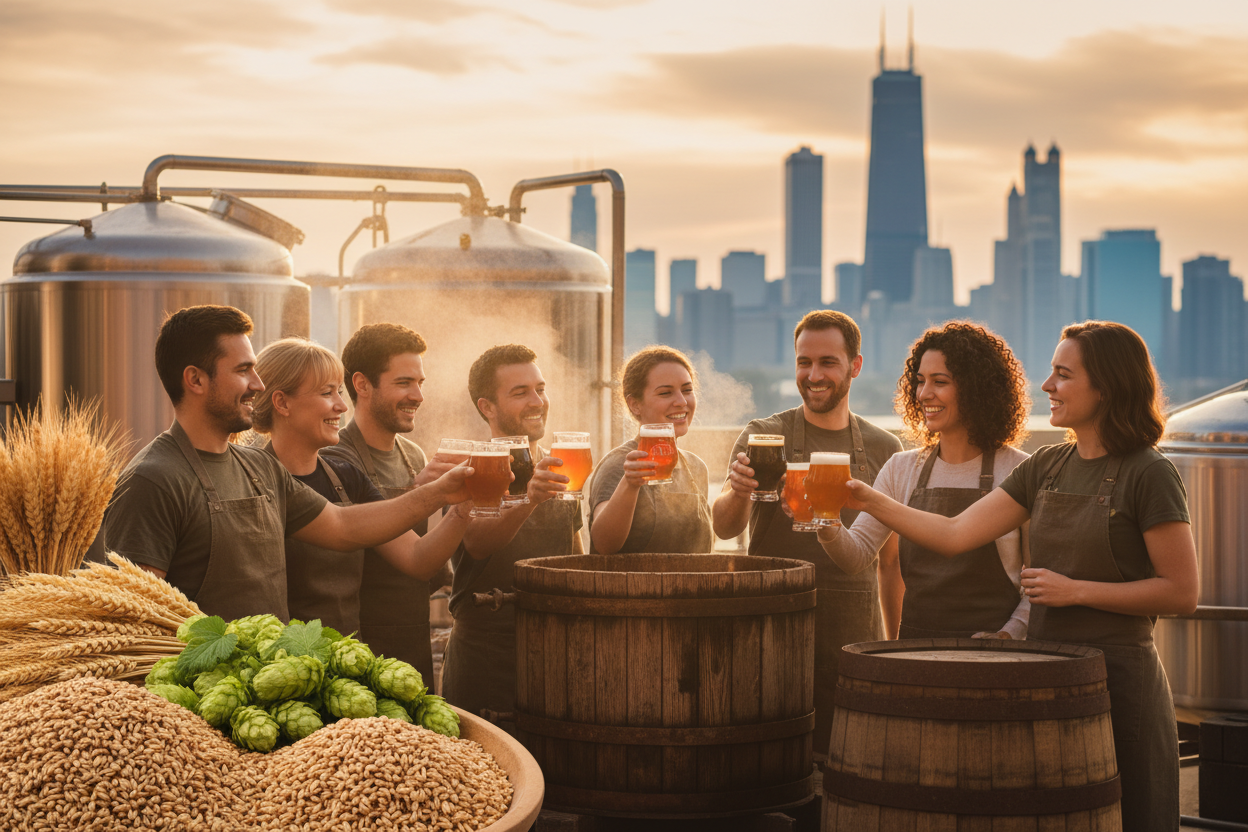
Chicago’s journey to becoming a craft beer powerhouse began in the 1980s when pioneers like Goose Island Beer Company first started challenging the dominance of mass-produced lagers. Founded in 1988 by John Hall, Goose Island became the city’s first craft brewery and set the stage for what would become an explosive growth period in local beer production.
The real transformation began in the early 2000s when changes in local licensing laws made it easier for small breweries to open and operate. This regulatory shift, combined with growing consumer interest in artisanal products, created the perfect storm for Chicago’s craft beer boom. Neighborhoods that had never seen a brewery suddenly found themselves home to multiple taprooms and production facilities.
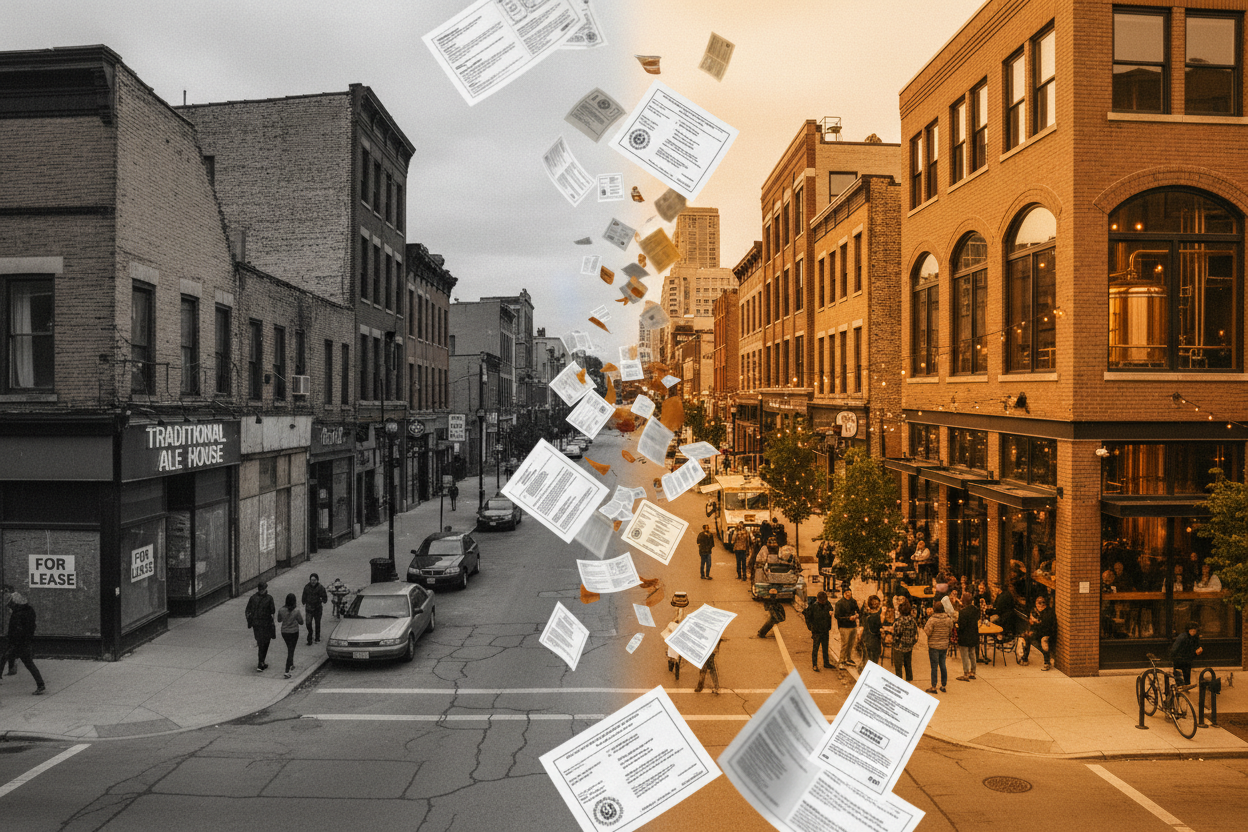
What makes Chicago’s brewery scene particularly special is how it reflects the city’s blue-collar roots while embracing innovation. Many of the city’s most successful breweries occupy former industrial spaces, transforming abandoned factories and warehouses into vibrant community gathering places. This adaptive reuse not only preserves Chicago’s industrial heritage but also provides brewers with the large spaces needed for modern production equipment.
Iconic Chicago Breweries You Can’t Miss
Revolution Brewing stands as perhaps the most recognizable name in Chicago craft beer today. Started in 2010, Revolution has grown from a small brewpub in Logan Square to one of the largest craft breweries in Illinois. Their Anti-Hero IPA has become synonymous with Chicago beer culture, while their barrel-aged program produces some of the most sought-after beers in the country.
Half Acre Beer Company represents another success story that began with humble origins. Founded in 2006 by Gabriel Magliaro, Half Acre started as a contract brewing operation before opening their own facility in Lincoln. Their Daisy Cutter Pale Ale became an instant classic, helping to define what Chicago beer tastes like to both locals and visitors.
Lagunitas Brewing Company, while originally from California, chose Chicago as the location for their massive East Coast production facility. This decision speaks volumes about Chicago’s position in the national beer landscape and the city’s advantages as a brewing hub, including access to quality water, proximity to agricultural regions, and excellent transportation infrastructure.
Smaller operations like Pipeworks Brewing Company have carved out their own niches by focusing on experimental flavors and eye-catching artwork. Located in the Bucktown neighborhood, Pipeworks has gained national attention for their creative approach to beer naming and packaging, proving that innovation comes in many forms in Chicago’s diverse brewing community.
Neighborhood Brewery Districts and Beer Trails
One of the most remarkable aspects of Chicago’s brewery scene is how it has organically developed into distinct neighborhood clusters, each with its own character and specialties. The Logan Square area has emerged as perhaps the most brewery-dense neighborhood in the city, home to Revolution Brewing, Hopewell Brewing, and Marz Community Brewing, among others.
The Ravenswood Industrial Corridor tells a different story of Chicago brewing, where larger production facilities like Half Acre and Begyle Brewing have found the space needed for significant barrel-aging programs and distribution operations. This area showcases the industrial side of craft brewing while maintaining the community focus that defines Chicago beer culture.
Pilsen, Chicago’s historic Mexican-American neighborhood, has embraced craft brewing as part of its ongoing cultural evolution. Breweries like Lo Rez Brewing and Moody Tongue have opened in the area, creating interesting intersections between traditional neighborhood culture and modern craft beer innovation.
The development of informal beer trails connecting these neighborhoods has become a popular way for both tourists and locals to explore Chicago’s brewing landscape. Weekend brewery tours often combine multiple neighborhoods, allowing visitors to experience the diversity of styles and atmospheres that make Chicago’s beer scene so dynamic.
The Role of Local Ingredients in Chicago Brewing
Chicago’s position in the heart of America’s agricultural region provides local brewers with access to exceptional ingredients that directly influence the character of their beers. Illinois and surrounding states produce significant quantities of corn, which many Chicago brewers incorporate into their recipes to create distinctly Midwestern flavor profiles.
The use of local grains has become more than just a marketing strategy for many Chicago breweries. It represents a genuine commitment to supporting regional agriculture while creating beers that reflect their geographic origins. Breweries like Burnt City Brewing have built entire programs around showcasing locally-sourced ingredients, working directly with Illinois farmers to develop unique grain bills.
Lake Michigan’s influence on Chicago brewing cannot be overstated. The city’s access to high-quality water has historically made it an ideal location for brewing, dating back to the pre-Prohibition era when Chicago was home to major breweries like Schlitz and Pabst. Today’s craft brewers benefit from this same water quality advantage, which provides an excellent foundation for beer production.
Seasonal ingredients also play a significant role in Chicago brewing calendars. Local honey, fruits, and even vegetables find their way into specialty releases that celebrate the changing seasons and connect breweries to their immediate surroundings. This farm-to-glass approach has helped establish Chicago as a leader in sustainable brewing practices.
Chicago Beer Festivals and Community Events
The strength of Chicago’s beer community becomes most apparent during the city’s numerous beer festivals and events throughout the year. The Chicago Craft Beer Week, typically held in May, transforms the entire city into a celebration of local brewing, with participating breweries offering special releases, collaborative brews, and unique events.
Festival of Wood and Barrel Aged Beer (FoBAB) represents the pinnacle of Chicago’s beer event calendar. Organized by the Illinois Brewers Guild, FoBAB brings together brewers from across the country to showcase their barrel-aged creations, but Chicago breweries consistently dominate the awards categories, demonstrating the city’s expertise in this challenging brewing technique.
Smaller, neighborhood-focused events like the Logan Square Beer Festival and Ravenswood Beer Festival show how deeply embedded brewery culture has become in Chicago’s community fabric. These events aren’t just about beer tasting; they’re community celebrations that bring together residents, local businesses, and breweries in shared appreciation for their neighborhoods.
The collaborative spirit of Chicago brewing extends beyond formal events. It’s common to find breweries working together on special releases, sharing equipment during busy periods, and supporting each other through challenges. This cooperative approach has helped create a rising tide that lifts all boats in Chicago’s competitive but supportive brewing environment.
The Future of Chicago’s Craft Beer Scene
Looking ahead, Chicago’s brewery scene shows no signs of slowing down. New breweries continue to open regularly, each bringing fresh perspectives and innovations to an already diverse landscape. The trend toward hyper-local brewing, where breweries focus intensely on their immediate neighborhoods, appears to be gaining momentum.
Sustainability initiatives are becoming increasingly important to Chicago brewers, with many operations implementing comprehensive recycling programs, energy-efficient brewing systems, and partnerships with local organizations to minimize waste. This environmental consciousness reflects broader Chicago values while positioning the city’s breweries as leaders in responsible production practices.
The integration of brewing with other local food and beverage trends continues to evolve. More Chicago breweries are adding full kitchens, hosting pop-up restaurants, and collaborating with local chefs to create beer and food pairings that showcase the best of Chicago’s culinary scene.
Technology adoption in brewing operations is helping Chicago breweries improve consistency while maintaining their artisanal character. From automated brewing systems to advanced quality control measures, local breweries are embracing innovations that allow them to scale production without compromising the creativity and quality that define Chicago beer.
Conclusion
Chicago’s transformation into the Midwest’s beer capital represents more than just the success of individual breweries. It reflects the city’s ability to honor its industrial heritage while embracing innovation, to support local businesses while thinking globally, and to create community gathering places that strengthen neighborhood bonds.
The diversity of Chicago’s brewery scene ensures there’s something for every beer lover, from traditional styles executed with precision to experimental brews that push the boundaries of what beer can be. Whether you’re exploring the brewery-rich neighborhoods on foot, attending one of the city’s many beer festivals, or simply enjoying a locally-brewed pint at your neighborhood taproom, you’re participating in a cultural movement that has fundamentally changed how Chicago sees itself.
As Chicago continues to grow and evolve, its brewery scene will undoubtedly remain a defining characteristic of the city’s identity. The combination of passionate brewers, supportive communities, and excellent local ingredients has created something truly special in the heart of the Midwest. For beer enthusiasts and casual drinkers alike, Chicago offers an authentic craft beer experience that captures the spirit of American brewing innovation while staying true to its Midwestern roots.