
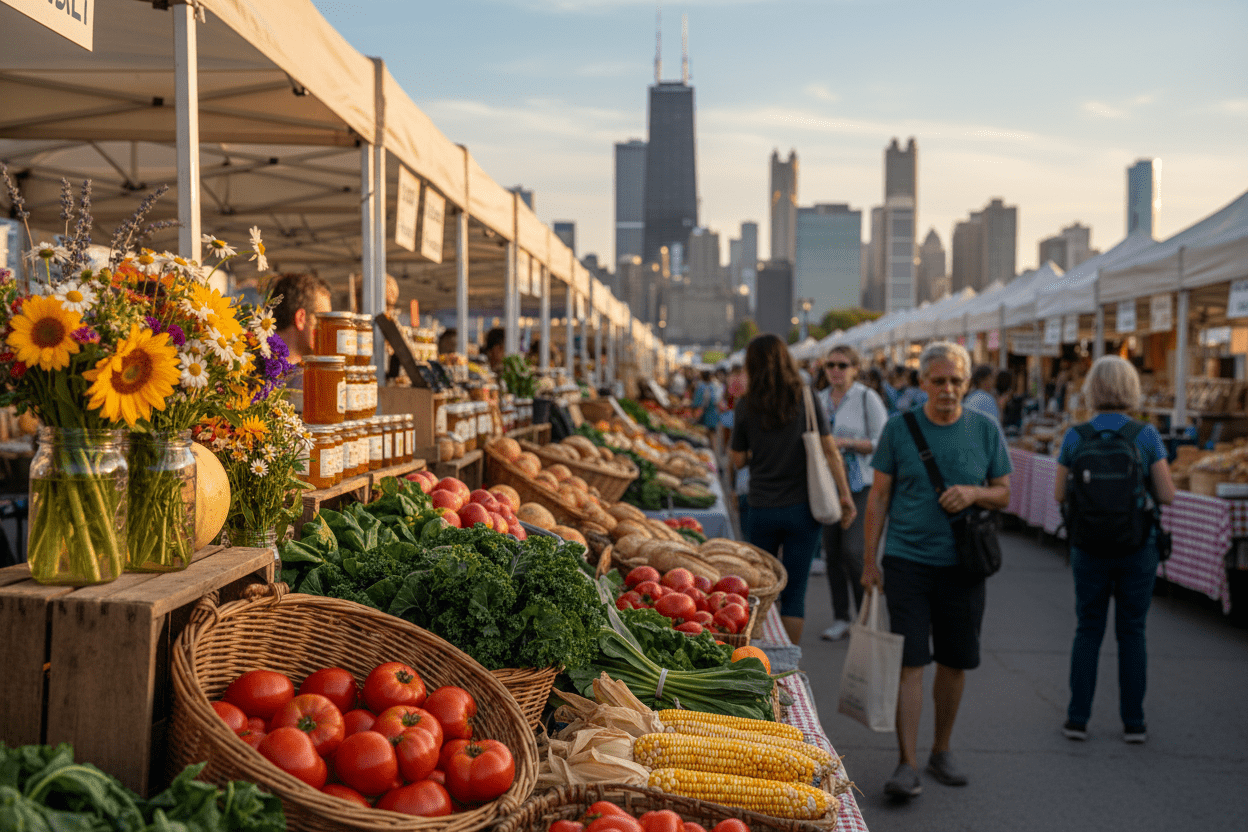
The Ultimate Guide to Chicago’s Farmers Markets: Fresh, Local, and Seasonal
Chicago’s vibrant farmers market scene transforms the city into a tapestry of fresh produce, artisanal goods, and community connections. From bustling downtown markets to charming neighborhood gatherings, the Windy City offers an incredible array of opportunities to shop local, eat seasonally, and support regional farmers. Whether you’re a seasoned market veteran or someone just discovering the joy of farm-fresh ingredients, Chicago’s farmers markets provide an authentic taste of the Midwest’s agricultural bounty right in your urban backyard.
The beauty of Chicago farmers markets extends far beyond simple grocery shopping. These weekly gatherings serve as cultural hubs where neighbors meet, families create traditions, and food lovers discover ingredients that transform ordinary meals into extraordinary culinary experiences. Each market carries its own personality, reflecting the unique character of its surrounding neighborhood while maintaining the common thread of celebrating local agriculture and sustainable food systems.
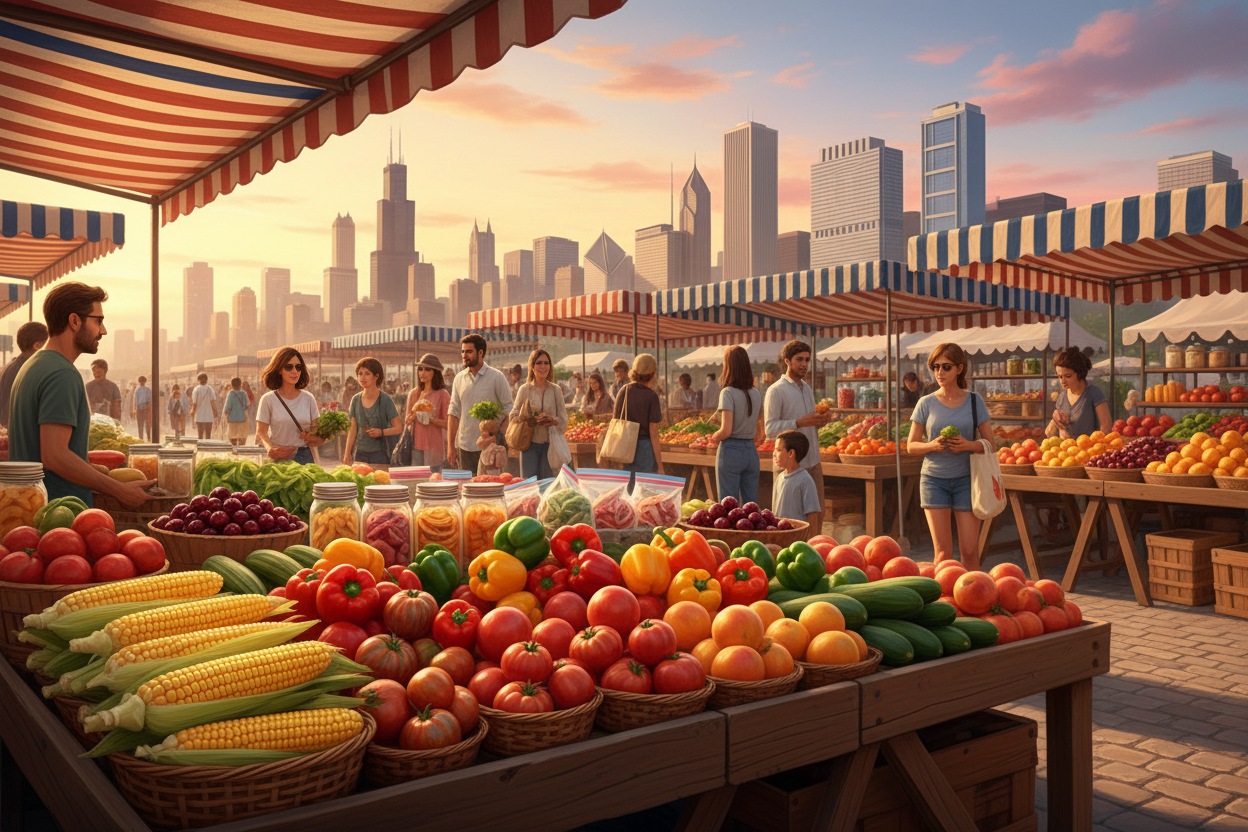
Why Choose Chicago Farmers Markets Over Traditional Grocery Stores
Shopping at Chicago’s farmers markets offers advantages that extend well beyond the superior taste and quality of locally grown produce. When you purchase directly from farmers, you’re supporting regional agriculture and keeping food dollars within the local economy. This direct relationship between consumer and producer creates transparency about farming practices, seasonal availability, and the true cost of sustainable food production.
The freshness factor alone makes farmers markets worth the visit. Vegetables harvested within 24 hours of sale retain more nutrients, better texture, and superior flavor compared to produce that has traveled thousands of miles to reach grocery store shelves. Many Chicago-area farmers practice sustainable or organic growing methods, even if they haven’t pursued expensive organic certification, making these markets excellent sources for environmentally conscious consumers.
Beyond produce, Chicago farmers markets showcase the region’s incredible diversity of artisanal food producers. From small-batch cheese makers to heritage grain millers, these markets provide access to unique products that reflect the craftsmanship and creativity of local food artisans. The opportunity to speak directly with producers allows you to learn about their methods, get cooking suggestions, and discover new ingredients that might never appear in conventional retail settings.
Top Chicago Farmers Markets You Must Visit
Green City Market
Widely regarded as Chicago’s premier farmers market, Green City Market operates year-round with summer locations in Lincoln Park Zoo and winter quarters at the Peggy Notebaert Nature Museum. This market sets the gold standard for vendor quality, requiring all participating farmers to use sustainable growing practices. The market features an impressive array of certified organic and sustainably grown produce, grass-fed meats, artisanal cheeses, and locally produced honey.
Green City Market’s commitment to education sets it apart from other markets. Regular cooking demonstrations by renowned Chicago chefs showcase seasonal ingredients, while educational programs teach visitors about sustainable agriculture and food preparation techniques. The market’s partnership with local restaurants creates a unique ecosystem where chefs source ingredients directly from farmers, ensuring the freshest possible farm-to-table dining experiences throughout the city.
Logan Square Farmers Market
The Logan Square Farmers Market captures the eclectic spirit of its neighborhood, combining serious agricultural vendors with a relaxed, community-focused atmosphere. This Sunday market runs from June through October in Logan Square Park, attracting a diverse crowd of families, young professionals, and longtime neighborhood residents. The market’s manageable size makes it easy to navigate while still offering excellent variety in produce, prepared foods, and artisanal products.
What makes Logan Square special is its strong emphasis on affordability and accessibility. Many vendors accept LINK benefits, and the market participates in programs that make fresh, local food available to all income levels. The surrounding neighborhood’s excellent restaurants and cafes make it easy to turn market shopping into a full morning or afternoon adventure.
Daley Plaza Farmers Market
Located in the heart of downtown Chicago, the Daley Plaza Farmers Market serves the Loop’s working population with convenient access to fresh, local ingredients. Operating on Thursdays from May through October, this market caters to busy professionals who want to incorporate farmers market shopping into their work week routine. The urban setting creates a unique juxtaposition between the city’s towering architecture and the rural bounty of surrounding farmland.
The downtown location attracts vendors who specialize in grab-and-go items perfect for busy lifestyles, including prepared salads, fresh juices, and portable snacks. Despite its business district setting, the market maintains strong relationships with regional farmers who bring the same high-quality produce found at larger weekend markets.
Seasonal Shopping Guide: What to Expect Throughout the Year
Spring Awakening (April-May)
Chicago’s farmers market season begins with the tender greens and early vegetables that thrive in cool weather. Spring markets showcase asparagus, ramps, spring onions, and an incredible variety of leafy greens including arugula, spinach, and early lettuce varieties. This season also brings the first greenhouse tomatoes and the region’s famous morel mushrooms, when weather conditions permit.
Spring markets often feature plant starts for home gardeners, making this an excellent time to connect with local nurseries and seed companies. Many vendors offer heirloom vegetable seedlings and herb plants that perform well in Chicago’s climate, allowing market shoppers to extend their local food experience into their own gardens.
Summer Abundance (June-August)
Summer represents the peak season for Chicago farmers markets, when the full diversity of Midwest agriculture comes into focus. This period brings the legendary sweet corn that makes Illinois famous, along with tomatoes in dozens of varieties, summer squash, cucumbers, peppers, and stone fruits from Michigan orchards. The abundance can be overwhelming, making this the perfect time to experiment with preservation techniques like freezing, canning, or dehydrating to extend summer’s bounty throughout the year.
Summer markets also showcase the region’s berry production, including strawberries, raspberries, blackberries, and blueberries. Many vendors offer pick-your-own opportunities at their farms, creating connections that extend beyond the market experience. The long days and warm weather make summer market visits particularly enjoyable, often accompanied by live music and extended hours.
Fall Harvest (September-November)
Autumn markets celebrate the season’s storage crops and late-season specialties that define Midwest agriculture. Pumpkins and winter squash varieties create colorful displays, while root vegetables like carrots, beets, turnips, and potatoes offer the foundation for hearty cold-weather cooking. Apple season brings varieties that rarely appear in grocery stores, from tart cooking apples to sweet dessert varieties with complex flavors.
Fall markets often feature value-added products perfect for holiday entertaining, including locally produced ciders, preserves, and baked goods made with seasonal ingredients. This season also brings the last opportunity to stock up on preserving vegetables before winter’s arrival.
Supporting Local Farmers and Sustainable Agriculture
Chicago’s farmers markets serve as crucial economic lifelines for small and mid-sized farms throughout Illinois, Wisconsin, Indiana, and Michigan. These direct-to-consumer relationships allow farmers to receive fair prices for their products while building the customer relationships that sustain small-scale agriculture. When you shop at farmers markets, you’re participating in an economic model that keeps farmland in production and supports rural communities.
Many market vendors practice sustainable agriculture methods that go beyond organic certification, including cover cropping, integrated pest management, and soil conservation techniques that improve environmental outcomes. By supporting these farmers, market shoppers contribute to agricultural practices that protect water quality, preserve biodiversity, and sequester carbon in healthy soils.
The relationship between farmers market shoppers and producers creates accountability that doesn’t exist in conventional food systems. Farmers can explain their growing methods, discuss seasonal challenges, and educate consumers about the realities of sustainable food production. This transparency builds trust and understanding that strengthens the entire local food system.
Making the Most of Your Farmers Market Experience
Successful farmers market shopping requires a different approach than conventional grocery shopping. Arriving early ensures the best selection, while bringing cash simplifies transactions and supports vendors who may not have credit card processing capabilities. Reusable bags and a cooler for hot weather help preserve purchases during extended market visits.
Building relationships with vendors enhances the market experience significantly. Regular customers often receive first access to special items, advance notice about seasonal availability, and valuable cooking advice. Don’t hesitate to ask questions about growing methods, storage recommendations, or preparation suggestions – farmers and food artisans genuinely enjoy sharing their expertise with interested customers.
Flexibility in meal planning allows you to take advantage of seasonal abundance and unexpected discoveries. Rather than shopping with a rigid list, consider building meals around what looks best and most abundant. This approach often leads to more creative cooking and better value, while ensuring you’re eating at the peak of seasonal flavor.
Conclusion
Chicago’s farmers markets represent more than just alternative shopping venues – they’re community institutions that connect urban residents with the agricultural heritage and natural rhythms that sustain us all. From the educational programs at Green City Market to the neighborhood charm of Logan Square, each market offers unique opportunities to discover fresh flavors, support sustainable agriculture, and build connections with the people who grow our food.
Whether you’re seeking the perfect tomato for summer salads, exploring heirloom apple varieties in fall, or discovering new ways to prepare winter root vegetables, Chicago’s farmers markets provide access to ingredients and experiences that transform both cooking and eating. The investment in local food systems pays dividends in flavor, nutrition, environmental stewardship, and community building that extend far beyond individual market transactions.
As you explore Chicago’s diverse farmers market scene, remember that each visit supports a network of farmers, food artisans, and community organizations working to create a more sustainable and delicious food future. The relationships you build and the seasonal eating habits you develop will enrich your connection to food while contributing to the vibrant local food culture that makes Chicago such an exceptional city for food lovers.