Logan Square’s Food Revolution: How This Neighborhood Became a Culinary Destination
Just a decade ago, Logan Square was Chicago’s best-kept secret—a neighborhood where artists, musicians, and young professionals found affordable rent and authentic Mexican tacos on every corner. Today, this vibrant area northwest of downtown has transformed into one of Chicago’s most celebrated culinary destinations, attracting food lovers from across the city and beyond. The transformation didn’t happen overnight, but rather through a perfect storm of creative entrepreneurs, community support, and an unwavering commitment to quality that has redefined what it means to dine in Chicago.
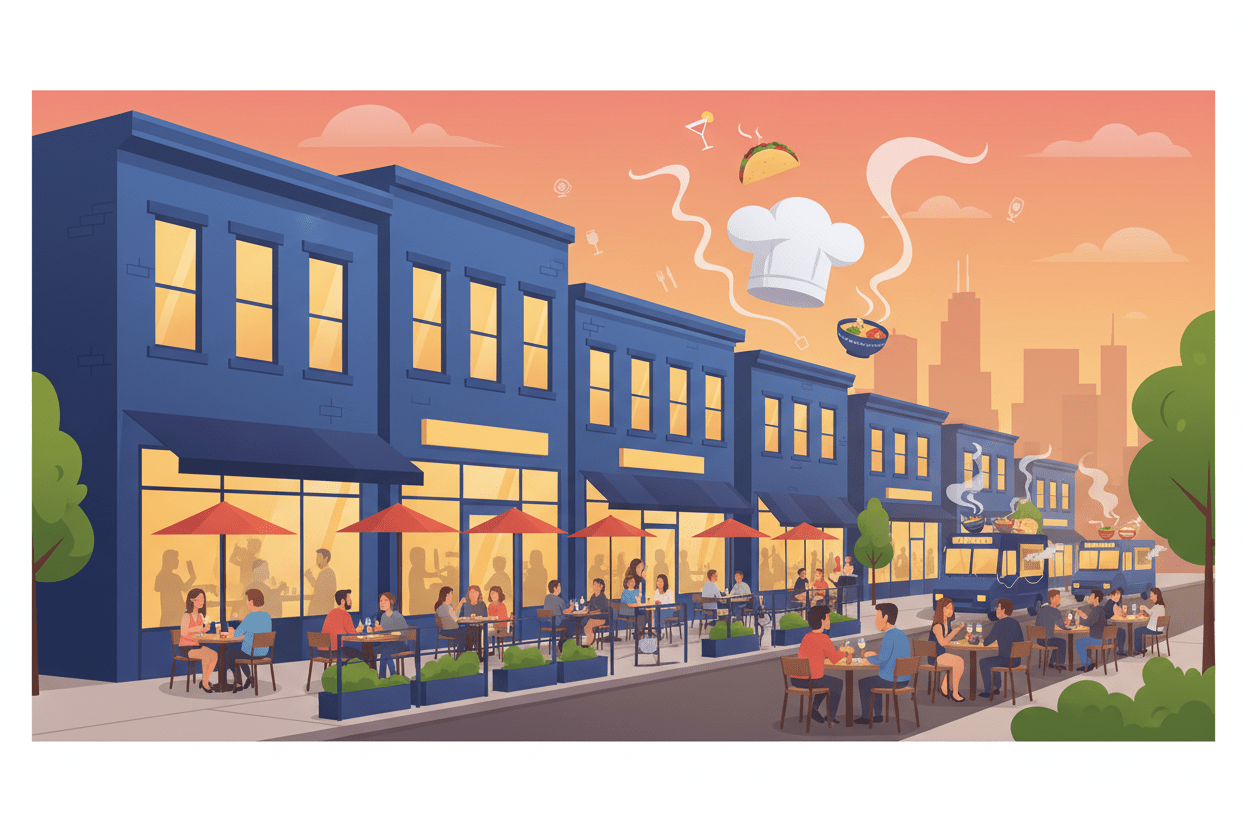
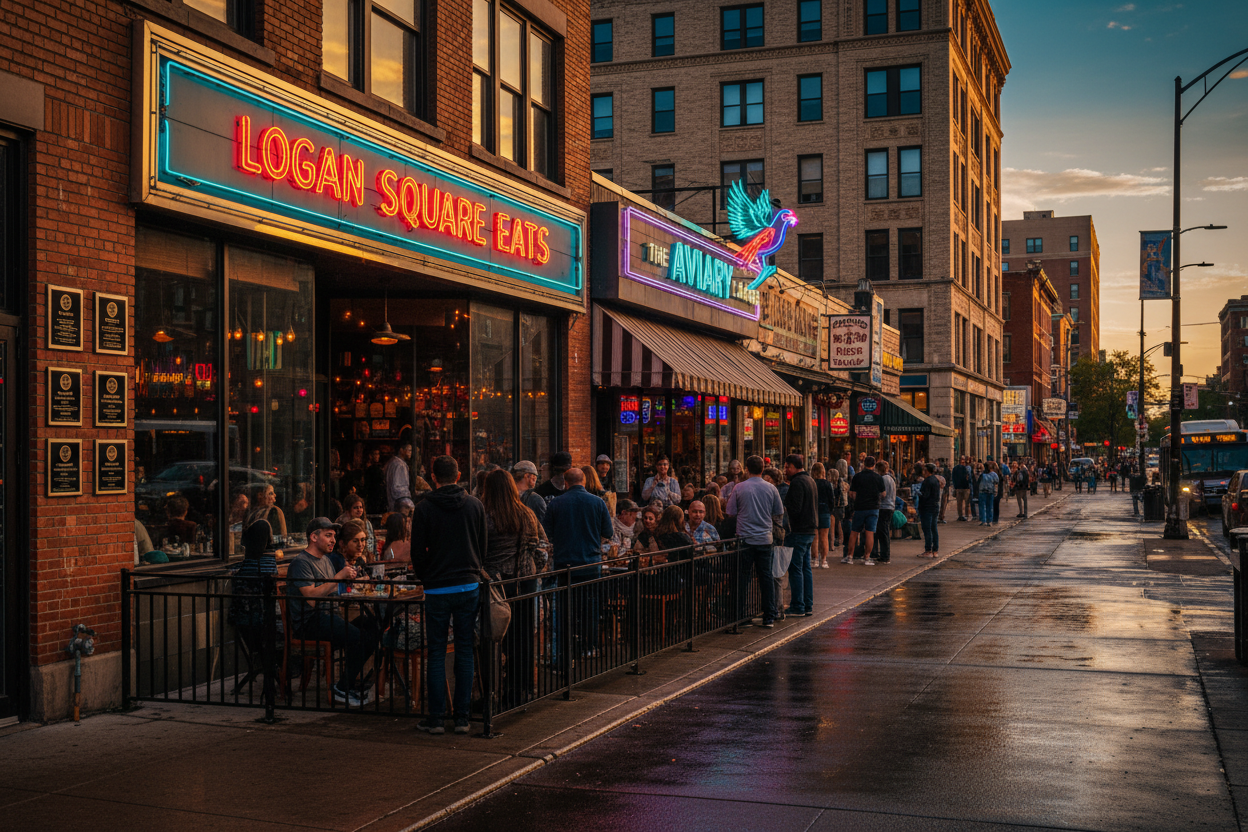
Walking down Milwaukee Avenue today, you’ll find James Beard Award winners sharing block space with beloved neighborhood institutions, craft cocktail bars nestled between vintage shops, and lines of eager diners waiting for tables at restaurants that have earned national recognition. This is Logan Square’s food revolution—a story of how one neighborhood became the epicenter of Chicago’s modern culinary scene.
The Foundation: Logan Square’s Culinary Roots
Before the revolution began, Logan Square already had something special brewing beneath the surface. The neighborhood’s strong Latino community, particularly Mexican and Puerto Rican families, had established a foundation of authentic, family-owned restaurants that served as the area’s culinary backbone. Places like Cemitas Puebla and El Cid offered genuine flavors that locals cherished, creating an environment where food quality mattered more than flashy presentation.
The neighborhood’s affordable real estate and relaxed zoning laws made it attractive to young entrepreneurs looking to start food businesses without the crushing overhead costs of downtown locations. This accessibility became crucial as creative minds began envisioning new concepts that would blend Logan Square’s authentic roots with innovative culinary approaches.
The area’s bohemian character also played a significant role. Logan Square had long been home to artists, musicians, and creative types who valued authenticity and craftsmanship. This community created a natural customer base for restaurants that prioritized quality ingredients, unique concepts, and personal passion over corporate formulas.
The Pioneers: Restaurants That Started the Revolution
The modern culinary transformation of Logan Square can be traced to several pioneering establishments that took risks and set new standards for the neighborhood. Longman & Eagle, which opened in 2010, perfectly embodied the area’s evolving identity. This gastropub combined elevated comfort food with craft cocktails and even offered boutique hotel rooms upstairs, creating a destination that attracted visitors from across Chicago.
Revolution Brewing followed with their brewpub concept, bringing craft beer culture to the forefront while serving elevated pub fare that complemented their innovative brews. The success of these early adopters proved that Logan Square residents and visitors were hungry for sophisticated dining experiences in a neighborhood setting.
Kuma’s Corner, though it started in nearby Belmont Cragin, found its spiritual home in Logan Square with their heavy metal-themed burger joint that served some of the city’s most creative and indulgent burgers. Their success demonstrated that Logan Square could support bold, personality-driven concepts that might struggle in more traditional restaurant districts.
These pioneers didn’t just open restaurants; they created gathering places that reflected the neighborhood’s personality. They understood that Logan Square diners wanted quality and creativity, but they also wanted to feel like they were part of a community rather than just customers in a corporate establishment.
The Craft Movement: Cocktails, Coffee, and Community
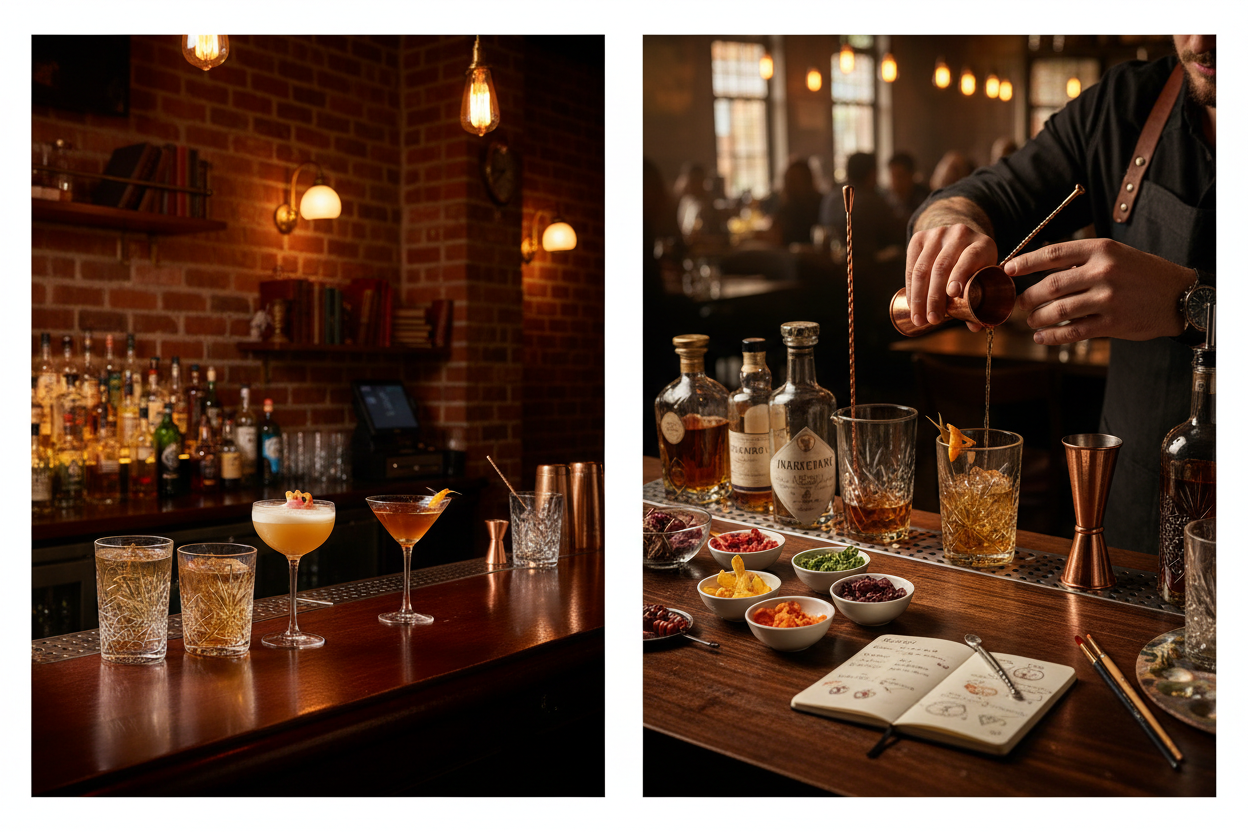
As Logan Square’s restaurant scene gained momentum, a parallel revolution was brewing in the beverage world. The neighborhood became a hotbed for craft cocktail culture, with bars like The Violet Hour leading the charge. This dimly lit cocktail lounge brought serious mixology to Logan Square, treating cocktail creation as an art form and educating customers about quality spirits and classic techniques.
The coffee scene exploded alongside the cocktail culture. Intelligentsia Coffee opened one of their flagship locations in Logan Square, bringing third-wave coffee culture to the neighborhood. Local roasters like Gaslight Coffee Roasters followed, creating spaces where the community could gather over expertly crafted coffee while supporting local businesses.
What made Logan Square’s beverage scene special wasn’t just the quality—it was the sense of discovery. These weren’t chain establishments or corporate concepts; they were passion projects run by people who lived in the neighborhood and understood its character. Bartenders knew their regular customers’ preferences, and baristas became part of the daily routine for local residents.
The craft movement also extended to specialty food shops and markets. Places like The Dill Pickle Food Co-op brought locally sourced, organic products to the neighborhood, while specialty stores offered artisanal goods that reflected the community’s values around sustainability and supporting local producers.
Award-Winning Excellence: National Recognition Arrives
Logan Square’s transformation from neighborhood secret to culinary destination reached new heights when its restaurants began earning national recognition. The breakthrough moment came when several Logan Square establishments and chefs received James Beard Award nominations and wins, putting the neighborhood on the national culinary map.
Lula Cafe, a breakfast and lunch spot that had been serving the community since 1999, gained widespread recognition for their farm-to-table approach and seasonal menu. Their success proved that Logan Square could support restaurants that prioritized local sourcing and sustainable practices while maintaining neighborhood accessibility.
Fat Rice brought global attention to Logan Square with their unique Macanese cuisine, earning James Beard nominations and attracting food tourists from around the world. The restaurant’s success demonstrated that Logan Square diners were adventurous and sophisticated, willing to embrace cuisines they might never have encountered before.
Spacca Napoli earned recognition for bringing authentic Neapolitan pizza to Chicago, with their wood-fired oven producing pizzas that earned VPN (Vera Pizza Napoletana) certification. Their commitment to traditional techniques and imported ingredients showed that Logan Square could support restaurants dedicated to authentic craftsmanship.
These accolades brought increased attention to Logan Square, but they also raised the bar for new establishments. Restaurants opening in the neighborhood knew they were entering a competitive environment where quality and creativity were expected, not optional.
The Ripple Effect: How Success Bred More Success
As Logan Square’s reputation grew, it created a positive feedback loop that accelerated the neighborhood’s culinary development. Successful restaurants attracted talented chefs and experienced restaurateurs who wanted to be part of the scene. Food-focused residents moved to the area specifically for access to great dining options, creating a customer base that could support even more ambitious restaurant concepts.
The neighborhood’s success also attracted food media attention. Restaurant critics, food bloggers, and national publications began regularly covering Logan Square openings and established favorites. This media coverage brought tourists and diners from other parts of Chicago, expanding the customer base and making it financially viable for restaurants to take creative risks.
Real estate developers took notice, investing in properties and creating spaces specifically designed for restaurants and food businesses. The improved infrastructure made it easier for new establishments to open while maintaining the neighborhood’s character that made it special in the first place.
Food festivals and events began featuring Logan Square prominently, with the Logan Square Farmers Market becoming a destination in its own right. These events strengthened the connection between restaurants and local producers while showcasing the neighborhood’s culinary diversity to a broader audience.
Challenges and Growing Pains
Logan Square’s culinary success hasn’t come without challenges. As the neighborhood’s reputation grew, so did rents and property values, making it harder for new entrepreneurs to enter the market. Some longtime residents worried that the area was losing its authentic character as more upscale establishments opened.
The increased popularity also brought crowds and parking challenges that strained the neighborhood’s infrastructure. Popular restaurants faced longer wait times, and some longtime locals felt that their neighborhood hangouts were becoming tourist destinations rather than community gathering places.
Competition intensified as more restaurants opened, making it harder for establishments to stand out. Some early pioneers struggled to maintain their edge as newer, more innovative concepts emerged. The pressure to constantly evolve and improve became a constant challenge for restaurant owners.
Balancing growth with maintaining Logan Square’s unique character became an ongoing concern for business owners, residents, and city planners. The challenge was fostering continued culinary innovation while preserving the neighborhood feel that made Logan Square special in the first place.
The Current Landscape: Logan Square Today
Today’s Logan Square represents a mature culinary destination that has learned to balance innovation with tradition. The neighborhood supports an incredible diversity of dining options, from high-end tasting menu restaurants to beloved taco shops, craft cocktail bars to neighborhood coffee houses.
New restaurants continue to open regularly, but they’re entering a market that demands excellence from day one. Successful new establishments like Parachute have earned immediate critical acclaim, while others have found success by serving specific neighborhood needs or offering unique concepts that add to Logan Square’s culinary diversity.
The neighborhood has also embraced food halls and shared dining concepts, with places like Revival Food Hall providing space for multiple vendors and creating new opportunities for food entrepreneurs to test concepts without the full commitment of opening a standalone restaurant.
Logan Square’s restaurant scene has also become more sophisticated in terms of service, wine programs, and overall dining experience, while maintaining the neighborhood’s welcoming, unpretentious atmosphere that attracted diners in the first place.
Looking Forward: The Future of Logan Square Dining
As Logan Square continues to evolve, its culinary scene faces new opportunities and challenges. Sustainability and social responsibility are becoming increasingly important to both restaurateurs and diners, with many establishments focusing on local sourcing, waste reduction, and fair labor practices.
The neighborhood is also seeing increased diversity in its restaurant offerings, with more cuisines and dining concepts represented than ever before. This diversity reflects both Logan Square’s changing demographics and the sophisticated palates of its residents and visitors.
Technology is playing a larger role in how restaurants operate and connect with customers, but Logan Square establishments are finding ways to embrace useful innovations while maintaining the personal connections that make neighborhood dining special.
The ongoing challenge will be managing continued growth and success while preserving the authentic, community-focused character that made Logan Square’s food revolution possible in the first place.
Conclusion
Logan Square’s transformation into a culinary destination represents more than just the success of individual restaurants—it’s a testament to what happens when community, creativity, and quality come together in the right environment. The neighborhood’s food revolution succeeded because it built on existing strengths rather than trying to impose an artificial identity.
From its foundation of authentic ethnic cuisine to its embrace of craft culture and innovative dining concepts, Logan Square created a food scene that reflects its residents’ values while attracting visitors from far beyond the neighborhood borders. The area proved that great dining doesn’t require downtown rents or corporate backing—it requires passion, community support, and a commitment to excellence.
As Logan Square continues to evolve, its culinary scene serves as a model for how neighborhoods can develop authentic food cultures that benefit both residents and the broader culinary community. The revolution that began with a few pioneering restaurants has created a sustainable, diverse dining ecosystem that continues to innovate while honoring its roots.
Whether you’re a longtime Logan Square resident or a first-time visitor, the neighborhood’s food scene offers something special: the chance to be part of a community that truly cares about what it eats and drinks. That’s the real secret behind Logan Square’s food revolution, and it’s what will keep the neighborhood at the forefront of Chicago’s culinary scene for years to come.