The Ultimate Chicago Hot Dog Guide: Why Ketchup is Forbidden and Other Sacred Rules
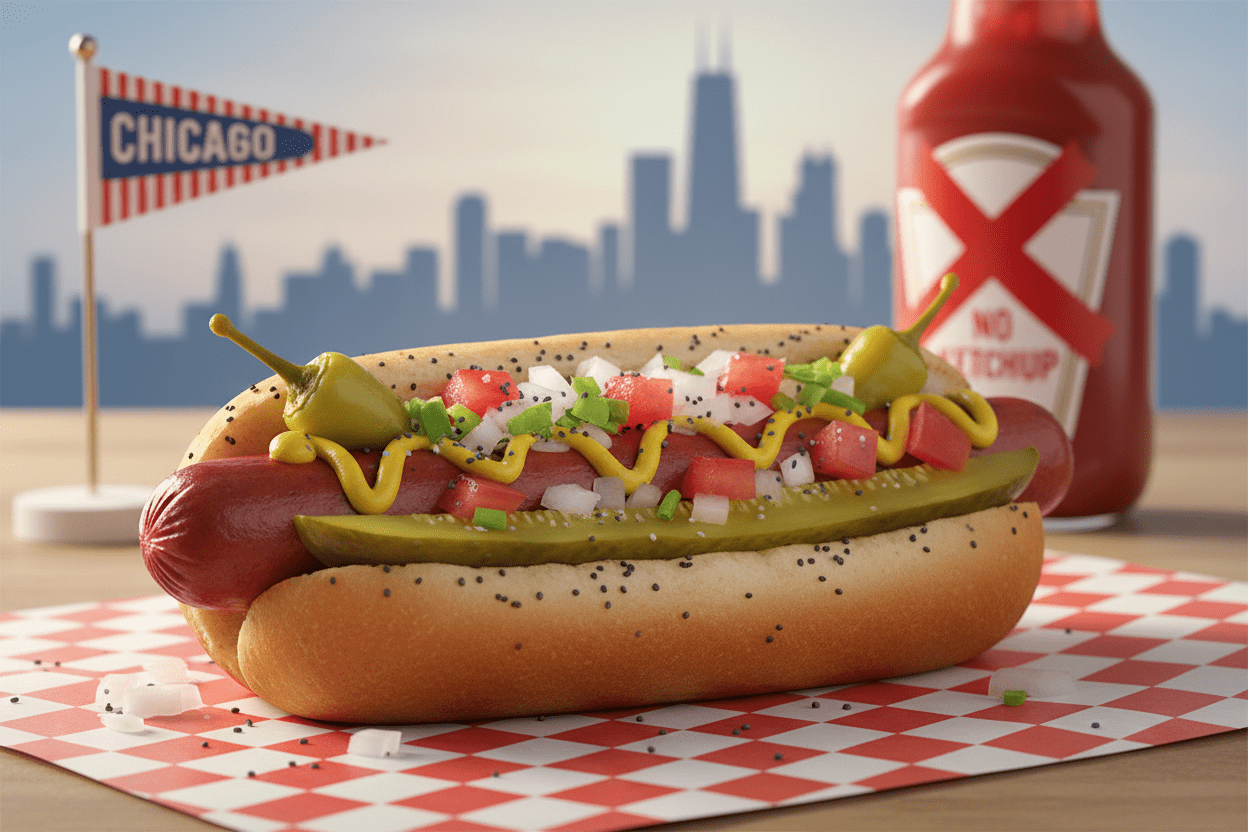
Walk into any authentic Chicago hot dog stand and ask for ketchup on your dog, and you’ll likely be met with looks ranging from mild disappointment to outright horror. In the Windy City, the hot dog isn’t just food – it’s a cultural institution with rules as sacred as deep-dish pizza and as unchanging as the Cubs’ loyal fanbase. Whether you’re a curious visitor or a longtime resident looking to understand the fuss, this comprehensive guide will walk you through everything you need to know about Chicago’s most beloved street food.
The Chicago-style hot dog represents more than a quick lunch; it’s a testament to the city’s immigrant heritage, working-class roots, and unwavering commitment to doing things their own way. From the specific type of bun to the precise arrangement of toppings, every element has been perfected over decades of passionate debate and fierce local pride.
The Anatomy of a Perfect Chicago Hot Dog
A true Chicago hot dog is a masterpiece of balance, texture, and flavor that starts with quality ingredients and follows time-honored construction methods. The foundation begins with an all-beef hot dog, typically Vienna Beef, which has been the gold standard since 1893. This isn’t your average supermarket frank – it’s a specially seasoned, natural-casing hot dog that provides the perfect snap when you bite into it.
The hot dog gets nestled into a steamed poppy seed bun, which isn’t just for show. The poppy seeds add a subtle nutty flavor and distinctive texture that complements the other ingredients. The bun must be steamed, never toasted, to achieve the proper soft texture that can hold all the toppings without falling apart.
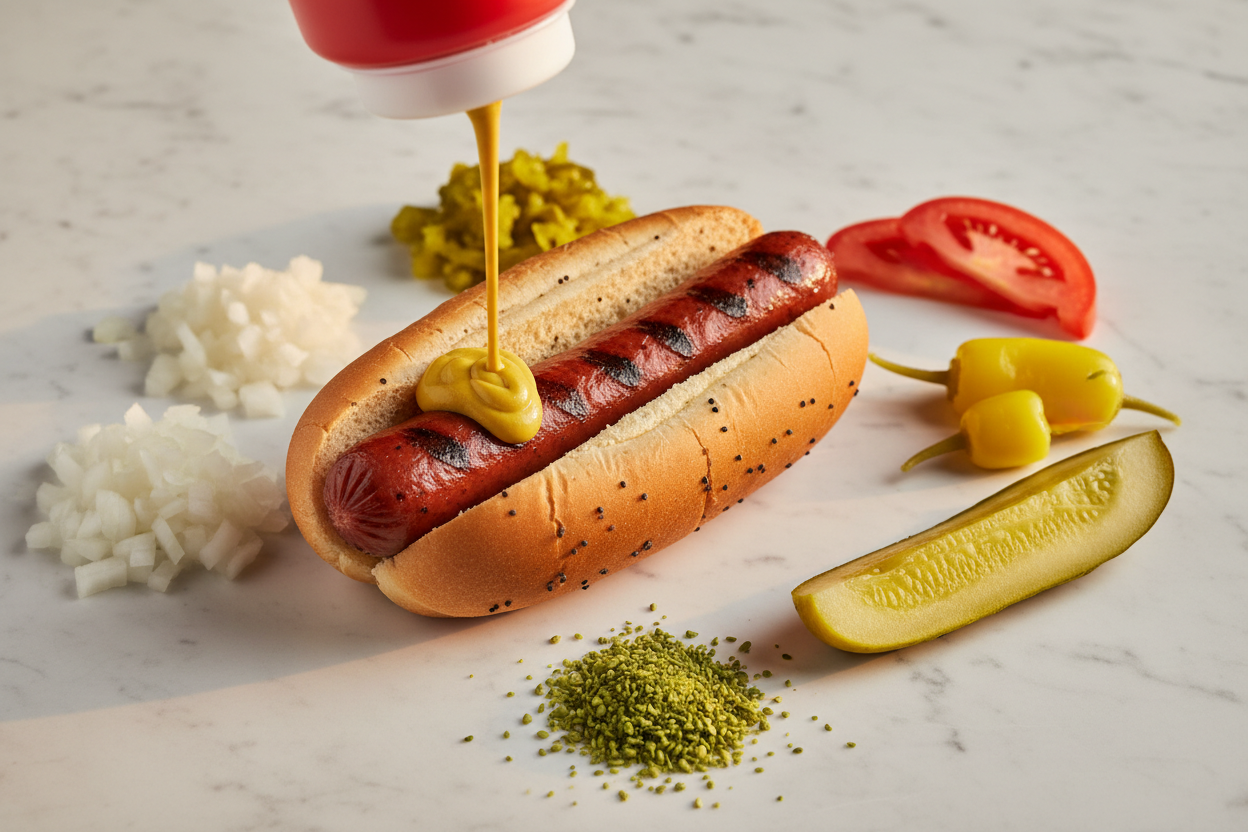
What makes a Chicago hot dog truly special is its garden-like array of fresh toppings. Yellow mustard gets applied first, followed by chopped white onions, bright green relish, fresh tomato wedges, a pickle spear, sport peppers, and a final sprinkle of celery salt. Each ingredient serves a purpose, creating a symphony of flavors that ranges from tangy and spicy to fresh and crunchy.
The Great Ketchup Controversy: Understanding the Ban
The anti-ketchup stance isn’t just arbitrary stubbornness – it’s rooted in culinary philosophy and local tradition that dates back generations. Chicago hot dog purists argue that ketchup’s sweetness overwhelms the carefully balanced flavors of the other toppings. When you’ve got the sharp bite of sport peppers, the tang of yellow mustard, and the freshness of tomatoes and onions, adding ketchup is seen as masking these distinct flavors with sugar.
This prohibition also stems from a sense of regional identity. While other cities might drown their dogs in ketchup, Chicago has always prided itself on being different. The ketchup ban became a way to distinguish authentic Chicago dogs from inferior imitations found elsewhere. It’s similar to how New Yorkers feel about their pizza or how Philadelphians guard their cheesesteak traditions.
Interestingly, the anti-ketchup sentiment is so strong that many local hot dog stands don’t even keep ketchup on the premises. Some places will reluctantly provide it if pressed, but don’t expect enthusiasm from the staff. The unwritten rule is simple: if you’re over the age of 12 and putting ketchup on a hot dog in Chicago, you’re doing it wrong.
Essential Toppings and Their Sacred Order
The seven traditional toppings that grace a Chicago hot dog aren’t randomly chosen – each one contributes specific flavors and textures that create the perfect bite. Yellow mustard comes first, providing a sharp, tangy base that complements the beef without overpowering it. This isn’t Dijon or honey mustard – it’s classic yellow mustard that’s been the standard for over a century.
Chopped white onions add crunch and a sharp bite that cuts through the richness of the beef. The onions are always fresh, never grilled or sautéed, maintaining their crisp texture and pungent flavor. Next comes the neon-green sweet pickle relish, which might look artificial but provides a crucial sweet-and-sour element that balances the other savory components.
Fresh tomato wedges bring acidity and juiciness to each bite. The tomatoes must be ripe but firm, cut into wedges rather than slices to prevent the hot dog from becoming soggy. A pickle spear runs alongside the hot dog, offering a concentrated burst of dill and vinegar that cleanses the palate between bites.
Sport peppers are perhaps the most distinctive Chicago touch – these small, hot pickled peppers pack serious heat and add a vinegary kick that’s impossible to replicate with other pepper varieties. Finally, celery salt gets sprinkled over everything, providing a subtle herbal note that ties all the flavors together while adding a final layer of seasoning.
Where to Find the Best Chicago Hot Dogs
Authentic Chicago hot dog experiences can be found throughout the city, from legendary institutions to neighborhood gems that have been serving the same recipe for decades. Hot Doug’s may have closed its doors, but its legacy lives on in the countless stands that continue to uphold the traditional standards.
Portillo’s remains one of the most accessible options for visitors, with multiple locations serving consistently excellent Chicago dogs alongside their famous Italian beef. While some purists might argue it’s too commercial, Portillo’s maintains the proper preparation methods and refuses to compromise on quality or authenticity.
For a more authentic neighborhood experience, seek out places like Jim’s Polish Boy or Byron’s Hot Dogs, where the focus is purely on the food rather than atmosphere. These no-frills joints often serve the best examples of Chicago dogs, prepared by people who’ve been perfecting their craft for years.
Street carts and small stands often provide the most authentic experience, where the proprietor might be a second or third-generation hot dog slinger who learned the trade from family members. These places typically source their hot dogs from Vienna Beef and follow traditional preparation methods without deviation.
The Cultural Significance Behind the Tradition
The Chicago hot dog tradition reflects the city’s broader cultural identity as a place that values authenticity, tradition, and doing things the right way regardless of outside pressure. Like many Chicago food traditions, the hot dog represents the influence of various immigrant communities who brought their culinary traditions and adapted them to local tastes and ingredients.
The emphasis on fresh vegetables and quality ingredients speaks to Chicago’s position as a major agricultural hub, where fresh produce was readily available even in urban settings. The specific combination of toppings likely evolved from the preferences of the Eastern European immigrants who dominated the early hot dog trade in the city.
This food tradition also represents Chicago’s working-class heritage, where a hot dog needed to be both affordable and filling enough to sustain someone through a long day of physical labor. The vegetable-heavy topping combination turned a simple hot dog into a more complete meal that provided various nutrients and flavors.
The fierce protection of these traditions reflects Chicagoans’ broader resistance to outside influence and their pride in local customs. In a city that’s often overshadowed by New York and Los Angeles, food traditions like the Chicago hot dog become a source of distinct identity and civic pride.
Hot Dog Etiquette: Do’s and Don’ts
Proper Chicago hot dog consumption involves more than just avoiding ketchup – there’s an entire etiquette system that governs how these culinary masterpieces should be ordered, prepared, and eaten. When ordering, simply ask for a “Chicago dog” or “hot dog with everything” – any reputable stand will know exactly what you mean.
Never ask for modifications to the traditional recipe unless you have genuine dietary restrictions. Requesting “no onions” or “extra relish” marks you as an outsider who doesn’t understand the carefully calibrated balance that makes these hot dogs special. The toppings work together as a complete system, and altering them disrupts the intended flavor profile.
When eating your Chicago dog, resist the urge to remove toppings or eat them separately. The entire point is to experience all the flavors together in each bite. Some people prefer to eat Chicago dogs with a fork and knife to avoid the mess, and this is perfectly acceptable – the important thing is getting all the components together.
Don’t be surprised if your hot dog looks like it’s about to fall apart – this is normal and expected. A properly loaded Chicago dog will be structurally challenging, but that’s part of the experience. Take your time, lean over your plate, and embrace the controlled chaos of eating one of these magnificent creations.
Conclusion: Embracing Chicago’s Hot Dog Heritage
The Chicago hot dog represents far more than a quick meal – it’s a cultural artifact that tells the story of a city’s immigrant heritage, working-class values, and fierce local pride. The seemingly arbitrary rules around preparation and consumption actually reflect decades of refinement and a community’s commitment to preserving something authentic in an increasingly homogenized food landscape.
Whether you’re a first-time visitor curious about the fuss or a longtime Chicagoan looking to deepen your appreciation, understanding these traditions connects you to the broader story of American urban food culture. The next time you bite into a properly prepared Chicago hot dog, you’re not just eating lunch – you’re participating in a tradition that spans generations and represents the best of what makes Chicago unique.
So skip the ketchup, embrace the chaos of eating a fully loaded dog, and join the ranks of those who understand that some traditions are worth preserving exactly as they are. After all, in a world of constant change, there’s something deeply satisfying about a food tradition that refuses to compromise on its principles.