Lincoln Park Zoo: Why Free Admission Makes This One of America’s Best Zoos
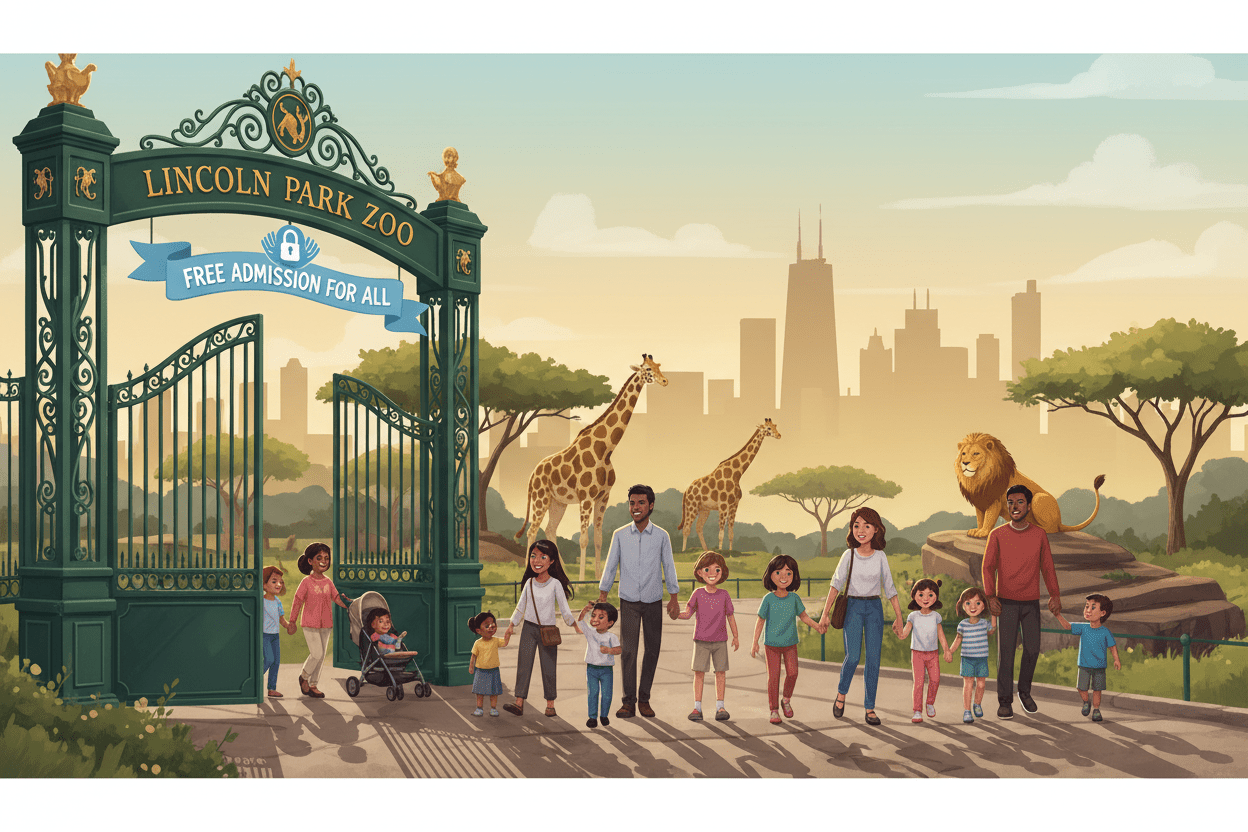
In an era where family entertainment often comes with hefty price tags, Lincoln Park Zoo in Chicago stands as a remarkable exception. This beloved institution has maintained its commitment to free admission since 1868, making it one of the last major free admission zoos in the United States. But don’t let the zero-dollar entry fee fool you into thinking this is a second-rate experience. Lincoln Park Zoo consistently ranks among America’s finest zoological institutions, proving that exceptional wildlife conservation, education, and family fun don’t have to break the bank.
Located in the heart of Chicago’s Lincoln Park neighborhood, this 35-acre oasis welcomes over three million visitors annually without charging a single penny. The zoo’s philosophy is simple yet profound: wildlife education and conservation should be accessible to everyone, regardless of economic circumstances. This commitment has created something truly special – a world-class zoo experience that removes financial barriers and opens its gates to all.
A Rich History of Free Access and Conservation Excellence
Lincoln Park Zoo’s story begins in 1868 when the Lincoln Park Commissioners received a gift of two swans from New York’s Central Park. What started as a modest collection has evolved into a leading conservation organization housing over 1,000 animals representing more than 200 species. Throughout its 150-plus year history, the zoo has never wavered from its founding principle of free admission.
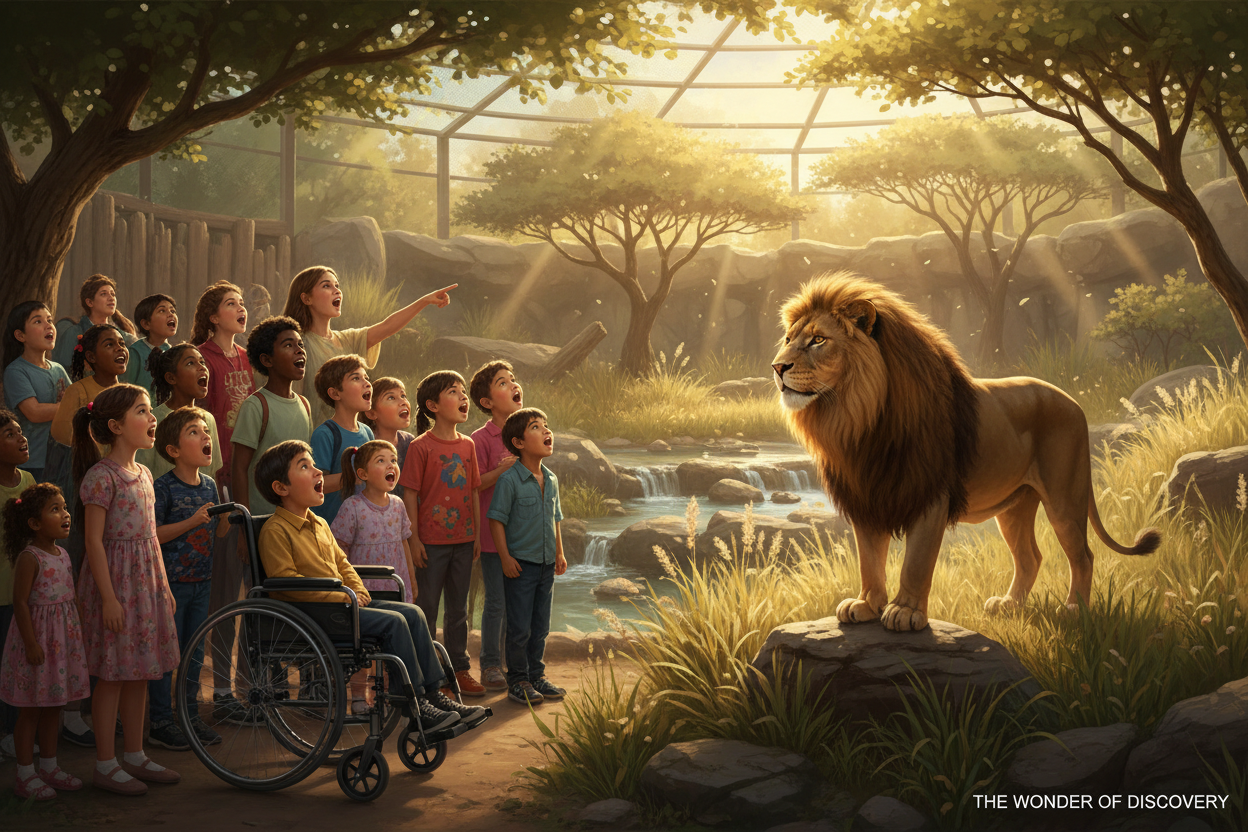
This historical commitment runs deeper than mere tradition. The zoo’s founders believed that connecting people with wildlife shouldn’t be a privilege reserved for those who could afford it. Today, this philosophy continues to drive everything from exhibit design to educational programming, ensuring that a child from any Chicago neighborhood can experience the wonder of seeing a lion up close or learning about endangered species conservation.
The zoo’s dedication to excellence despite free admission has earned recognition from the Association of Zoos and Aquariums (AZA), which has accredited Lincoln Park Zoo for its high standards in animal care, conservation, education, and safety. This accreditation places it among the top 10% of animal care facilities in North America.
World-Class Animal Exhibits and Habitats
Walking through Lincoln Park Zoo feels like embarking on a global safari without leaving Chicago. The Regenstein Center for African Apes houses western lowland gorillas and chimpanzees in spacious, naturalistic habitats that prioritize animal welfare while providing visitors with incredible viewing opportunities. The glass-walled enclosures allow for intimate observations of these remarkable primates as they interact, play, and demonstrate behaviors you’d typically only see in documentaries.
The Kovler Lion House, recently renovated, showcases African lions in an environment designed to encourage natural behaviors. Large outdoor yards connected to comfortable indoor spaces give these magnificent cats room to roam, while multiple viewing areas ensure visitors can observe them from different perspectives. The exhibit design cleverly incorporates educational elements that teach visitors about lion conservation efforts in Africa.
For those fascinated by cold-weather creatures, the Walter Family Arctic Tundra transports visitors to the polar regions. Polar bears dive and swim in a 75,000-gallon pool visible through massive underwater viewing windows. Arctic foxes, seals, and other tundra species complete this immersive experience that educates visitors about climate change impacts on polar ecosystems.
The Farm-in-the-Zoo offers a different but equally valuable experience, especially for urban children who may have limited exposure to domestic animals. This working farm features cows, pigs, chickens, and other farm animals, teaching visitors about agriculture, sustainable farming practices, and the connection between farms and food.
Educational Programs That Inspire Conservation
Lincoln Park Zoo’s commitment to education extends far beyond simple animal viewing. The zoo operates extensive educational programs that serve over 350,000 participants annually through school field trips, summer camps, adult education courses, and community outreach initiatives. These programs are offered at minimal cost or completely free, maintaining the zoo’s accessibility mission.
The Nature Boardwalk, a 14-acre pond and prairie ecosystem, serves as an outdoor classroom where visitors can observe native Illinois wildlife including birds, turtles, fish, and insects. This exhibit demonstrates how urban spaces can support biodiversity while teaching visitors about local ecosystems and conservation efforts in their own backyards.
School groups particularly benefit from the zoo’s free admission policy. Teachers can bring entire classes without worrying about admission costs eating into limited education budgets. The zoo’s education staff has developed curriculum-aligned programs that transform visits into meaningful learning experiences covering topics from animal behavior and habitats to conservation biology and environmental science.
Conservation Research and Global Impact
Behind the scenes, Lincoln Park Zoo operates one of the country’s most respected conservation research programs. The Davee Center for Epidemiology and Endocrinology conducts groundbreaking research on animal reproduction, health, and behavior that benefits both zoo animals and their wild counterparts.
The zoo’s scientists work on conservation projects spanning six continents, from studying jaguar populations in South America to protecting great ape habitats in Africa. This research directly informs conservation strategies and helps protect endangered species in the wild. Visitors often don’t realize that their free zoo visit indirectly supports these critical conservation efforts through donations, memberships, and gift shop purchases.
The Urban Wildlife Information Network, pioneered by Lincoln Park Zoo, uses motion-activated cameras to study wildlife populations in cities across North America. This innovative research helps urban planners and conservationists understand how wildlife adapts to city environments and how cities can better support biodiversity.
Community Impact and Accessibility
The true measure of Lincoln Park Zoo’s success lies in its community impact. By eliminating admission fees, the zoo removes a significant barrier that prevents many families from accessing quality educational and recreational opportunities. In a city where economic inequality affects access to cultural institutions, Lincoln Park Zoo stands as a democratizing force.
The zoo’s location in Lincoln Park, accessible by multiple public transportation options, further enhances its accessibility. Families can visit using Chicago’s extensive bus and train systems without the additional burden of parking fees that many attractions charge. This accessibility is particularly important for families without cars or those living in neighborhoods far from the zoo.
Community partnerships extend the zoo’s reach even further. The zoo collaborates with Chicago Public Schools, community centers, and social service organizations to bring wildlife education to underserved communities. Mobile education programs visit schools and community events, ensuring that even those who cannot visit the zoo can still benefit from its educational mission.
Sustainable Operations and Future Planning
Operating a world-class zoo without admission revenue requires creative funding strategies and exceptional financial management. Lincoln Park Zoo relies on a combination of private donations, corporate partnerships, special events, and earned revenue from food service, gift shops, and parking to fund its operations.
The zoo’s commitment to sustainability extends beyond finances to environmental stewardship. Green building practices, renewable energy initiatives, and waste reduction programs demonstrate how institutions can operate responsibly while serving their communities. The Nature Boardwalk, for example, incorporates sustainable design elements including native plantings and natural water filtration systems.
Future planning focuses on expanding conservation impact while maintaining free admission. Recent capital campaigns have funded major exhibit renovations and new conservation research facilities, proving that the free admission model can support continuous improvement and innovation.
Why Free Admission Matters More Than Ever
In today’s economic climate, Lincoln Park Zoo’s free admission policy provides invaluable community service. Families struggling with rising costs of housing, healthcare, and education can still provide their children with enriching experiences that spark curiosity about the natural world and inspire future conservationists.
The zoo’s approach challenges the assumption that quality requires high prices. By demonstrating that exceptional animal care, cutting-edge research, and comprehensive education programs can coexist with free public access, Lincoln Park Zoo serves as a model for other institutions seeking to balance excellence with accessibility.
Research shows that early exposure to wildlife and nature significantly influences children’s environmental attitudes and career interests. By ensuring that this exposure isn’t limited by economic circumstances, Lincoln Park Zoo plays a crucial role in developing the next generation of conservation leaders, scientists, and environmentally conscious citizens.
Conclusion: A Model for Accessible Excellence
Lincoln Park Zoo proves that America’s best family attractions don’t have to be its most expensive. Through unwavering commitment to free admission, this Chicago institution has created something remarkable: a world-class zoo experience that prioritizes accessibility without compromising quality. From groundbreaking conservation research to innovative educational programs, from state-of-the-art animal habitats to community outreach initiatives, Lincoln Park Zoo demonstrates that excellence and accessibility can coexist.
The zoo’s success story offers hope and inspiration for other cultural institutions seeking to serve diverse communities. By removing financial barriers, Lincoln Park Zoo ensures that wonder, learning, and conservation awareness remain available to all. In a world where many experiences are increasingly expensive and exclusive, Lincoln Park Zoo stands as a beacon of inclusive excellence, proving that some of life’s most meaningful experiences should indeed be free.
Whether you’re a Chicago resident or a visitor to the Windy City, Lincoln Park Zoo deserves a place on your must-visit list. Come for the free admission, but stay for the world-class animals, innovative exhibits, and the inspiring reminder that exceptional institutions can serve everyone, regardless of their ability to pay.