Chicago’s Food Revolution: How the West Loop Became America’s Hottest Dining Destination
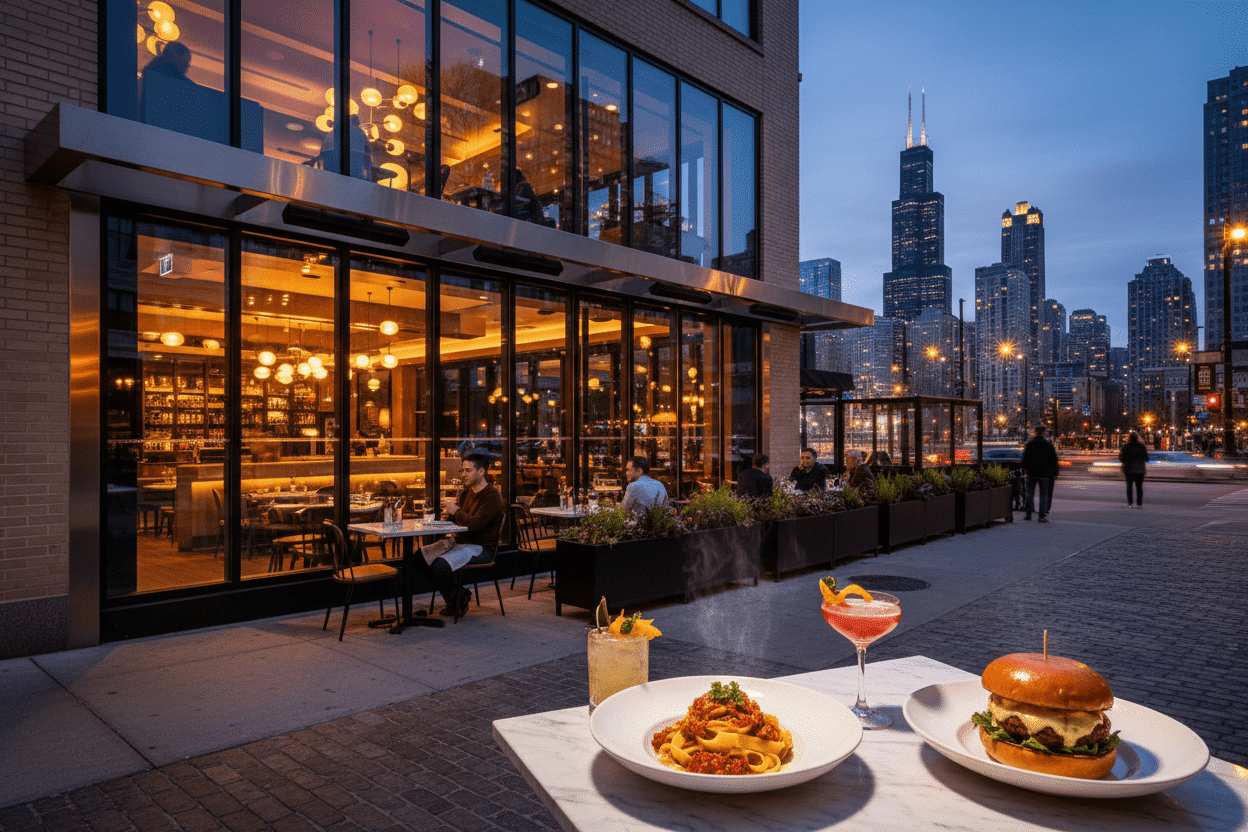
Just twenty years ago, if you told someone to meet you for dinner in Chicago’s West Loop, they might have given you a puzzled look. This industrial wasteland of meatpacking plants and warehouses seemed like the last place you’d find a memorable meal. Fast forward to today, and the West Loop has transformed into the crown jewel of Chicago’s dining scene, earning recognition as one of America’s most exciting culinary destinations. This remarkable metamorphosis didn’t happen overnight – it’s the result of visionary chefs, bold investors, and a perfect storm of urban development that turned abandoned warehouses into world-class restaurants.
From Meatpacking District to Culinary Mecca
The West Loop’s transformation story begins in the late 1990s and early 2000s, when the neighborhood was primarily known for its industrial heritage. The area housed Chicago’s historic meatpacking district, with sprawling warehouses and processing facilities that had served the city for decades. As these industries moved out or modernized, they left behind a collection of raw, spacious buildings with soaring ceilings, exposed brick walls, and industrial character that would prove irresistible to creative restaurateurs.
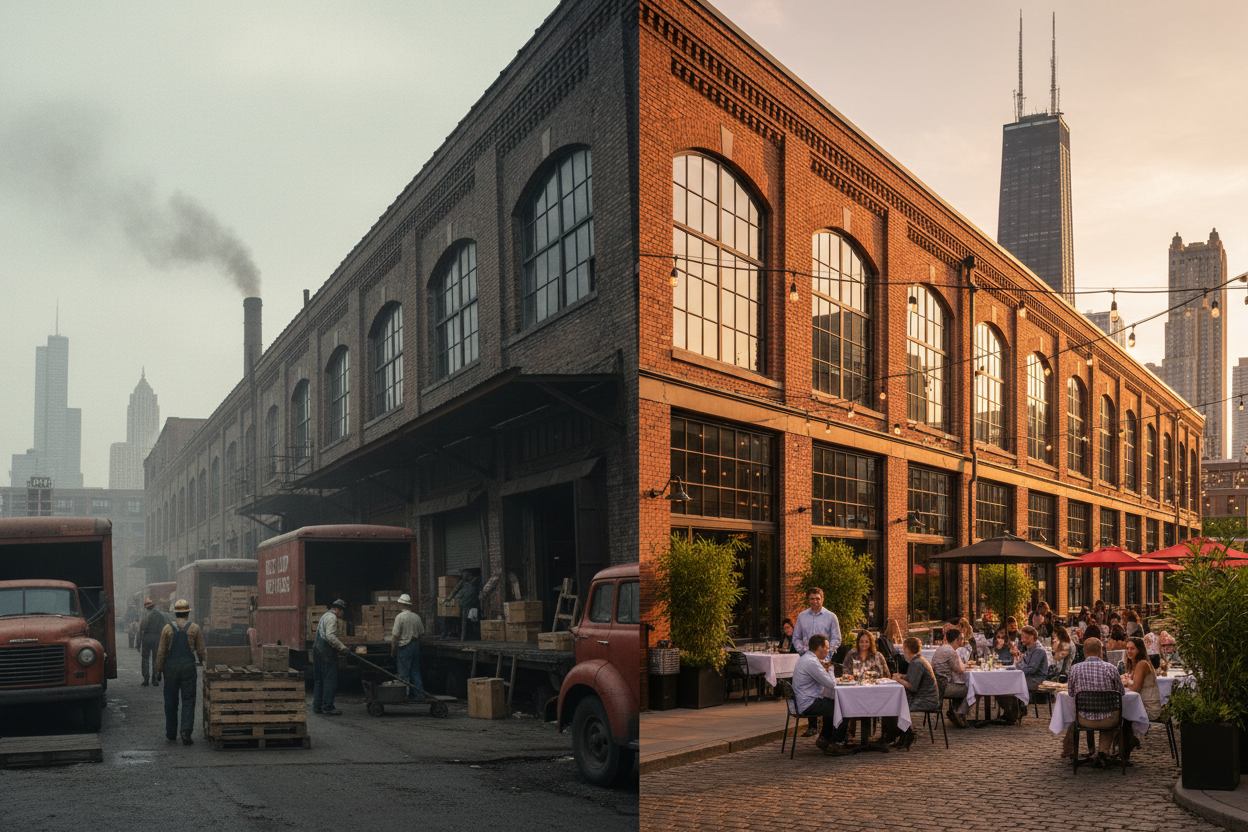
The neighborhood’s proximity to downtown Chicago made it an attractive option for developers and entrepreneurs looking for affordable real estate with potential. Unlike the already established dining districts in River North or Lincoln Park, the West Loop offered something different: authenticity, space, and the opportunity to create something entirely new.
Early pioneers recognized that these cavernous spaces could be transformed into stunning dining rooms that maintained their industrial charm while offering sophisticated culinary experiences. The high ceilings and open floor plans provided the perfect canvas for creating dramatic, memorable restaurant environments that couldn’t be replicated in traditional storefronts.
The Pioneer Restaurants That Started It All
Several groundbreaking establishments deserve credit for putting the West Loop on Chicago’s culinary map. Blackbird, which opened in 1997, was among the first to demonstrate that serious fine dining could thrive in this unlikely location. Chef Paul Kahan’s minimalist approach and focus on seasonal ingredients helped establish the neighborhood’s reputation for innovative cuisine.
The opening of Avec in 2003, also by Paul Kahan, further solidified the area’s growing reputation. This Mediterranean-inspired small plates restaurant introduced Chicagoans to a more casual but equally sophisticated dining concept, proving that the West Loop could support diverse culinary styles.
Girl & the Goat, which burst onto the scene in 2010 under chef Stephanie Izard, became a game-changer for the neighborhood. The restaurant’s bold flavors, creative use of underutilized proteins, and energetic atmosphere captured national attention and put the West Loop firmly on the map for food lovers across the country. The fact that reservations became nearly impossible to secure only added to the neighborhood’s mystique and desirability.
These pioneering restaurants didn’t just serve great food – they created destinations. People weren’t just dining in the West Loop by convenience; they were making special trips specifically to experience what these innovative chefs were creating in their industrial-chic spaces.
The Celebrity Chef Magnet Effect
As the West Loop gained momentum, it began attracting celebrity chefs and established restaurateurs who recognized the neighborhood’s potential. The area’s reputation for culinary innovation, combined with its more affordable real estate compared to other prime Chicago locations, made it an attractive destination for ambitious culinary projects.
Grant Achatz, already famous for his molecular gastronomy at Alinea, chose the West Loop for Next, his groundbreaking restaurant concept that completely changes its menu and theme several times per year. This bold venture further established the neighborhood as a place where culinary boundaries could be pushed and diners could expect the unexpected.
The arrival of Gibsons Bar & Steakhouse brought a more traditional but equally high-end dining option to the area, proving that the West Loop could support both innovative concepts and classic American cuisine. Meanwhile, restaurants like Au Cheval gained cult followings for their elevated takes on comfort food, with their famous cheeseburger becoming a must-try item for visitors to Chicago.
These celebrity chef establishments created a ripple effect, attracting food media attention and establishing the West Loop as a legitimate dining destination worthy of national recognition. Food critics and culinary publications began featuring the neighborhood regularly, bringing additional prestige and drawing food tourists from around the world.
Architectural Transformation and Urban Development
The culinary revolution in the West Loop coincided with significant architectural and urban development changes that supported and accelerated the neighborhood’s transformation. The conversion of industrial buildings into mixed-use developments created the perfect environment for restaurants to thrive alongside residential and office spaces.
Developers recognized that the neighborhood’s industrial architecture was an asset rather than a liability. Instead of tearing down these historic structures, they preserved and adapted them, maintaining the character that made the area unique while updating them for modern use. This approach created spaces that were both functional and atmospheric, perfect for the type of experiential dining that was becoming increasingly popular.
The construction of new residential buildings and the conversion of warehouses into loft apartments brought a steady stream of potential customers right to the neighborhood’s doorstep. Young professionals, empty nesters, and food enthusiasts were drawn to live in an area where they could walk to some of the city’s best restaurants.
Transportation improvements, including better CTA connections and the eventual arrival of ride-sharing services, made the West Loop more accessible to diners from other parts of the city. What had once been a somewhat isolated industrial area became easily reachable for anyone wanting to experience its culinary offerings.
The Diverse Culinary Landscape Today
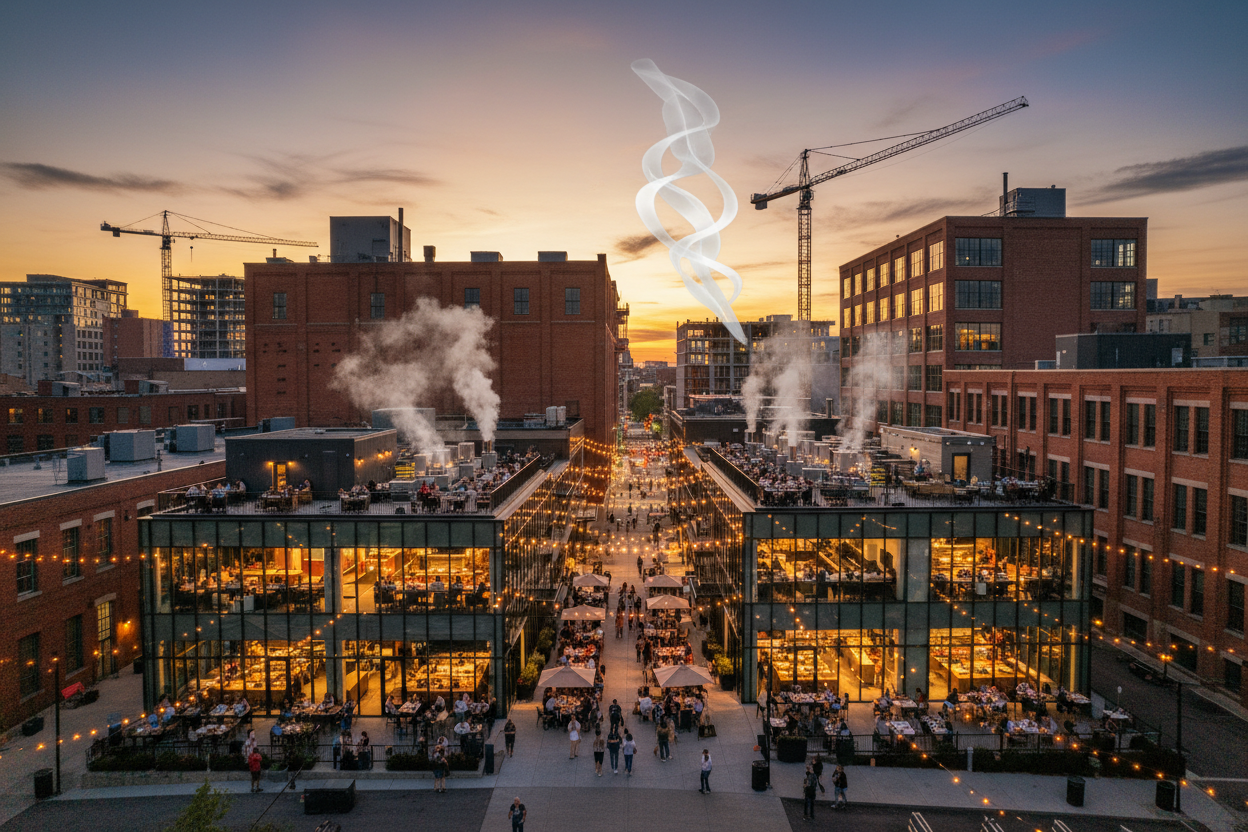
Today’s West Loop dining scene represents an impressive diversity of culinary styles, price points, and dining experiences. While the neighborhood maintains its reputation for high-end, innovative restaurants, it has also embraced more casual concepts that make great food accessible to a broader audience.
The area now features everything from James Beard Award-winning fine dining establishments to trendy brunch spots, craft cocktail bars, and artisanal coffee shops. This diversity ensures that the neighborhood can satisfy different dining occasions and budgets, from special celebration dinners to casual weeknight meals.
International cuisines have found a strong foothold in the West Loop, with excellent examples of everything from modern Mexican and Korean barbecue to contemporary Italian and innovative American regional cooking. This global perspective reflects Chicago’s diverse population and the neighborhood’s openness to culinary experimentation.
The presence of multiple James Beard Award winners and nominees in such a concentrated area is remarkable and speaks to the neighborhood’s continued commitment to culinary excellence. These accolades bring national attention and help maintain the West Loop’s reputation as a serious food destination.
Economic Impact and Industry Recognition
The West Loop’s dining scene has generated significant economic impact beyond just the restaurants themselves. The concentration of popular establishments has created jobs not only in the restaurants but also in supporting industries like food distribution, marketing, and hospitality services.
Property values in the neighborhood have increased dramatically, partly due to its reputation as a dining destination. The presence of acclaimed restaurants has become a selling point for residential and commercial real estate, creating a positive feedback loop that continues to attract investment and development.
National food publications regularly feature West Loop restaurants in their annual best-of lists, and the neighborhood has become a standard stop for food tourists visiting Chicago. This recognition has helped establish Chicago’s broader reputation as a world-class food city, competing with traditional culinary capitals like New York and San Francisco.
The success of the West Loop has also inspired similar transformations in other Chicago neighborhoods, demonstrating how culinary innovation can drive urban revitalization and economic development.
Looking Forward: The Future of West Loop Dining
As the West Loop continues to evolve, it faces both opportunities and challenges. The neighborhood’s success has led to increased rents and development pressure, which could potentially price out some of the creative, independent operators who helped make it special in the first place.
However, the area’s established reputation and continued demand for innovative dining experiences suggest that it will remain an attractive location for ambitious culinary projects. New restaurants continue to open regularly, each trying to contribute something unique to the neighborhood’s already impressive dining landscape.
The challenge moving forward will be maintaining the creative energy and accessibility that made the West Loop special while managing the pressures that come with success. The neighborhood’s ability to continue attracting diverse culinary talent and concepts will determine whether it can sustain its position as America’s hottest dining destination.
Conclusion
The transformation of Chicago’s West Loop from an industrial wasteland to America’s hottest dining destination represents one of the most remarkable urban culinary revolutions in recent memory. This change didn’t happen by accident – it was the result of visionary chefs who saw potential in abandoned warehouses, developers who preserved architectural character while enabling modern functionality, and a city that embraced culinary innovation.
Today, the West Loop stands as proof that great dining destinations can emerge in the most unexpected places. The neighborhood’s success has redefined what it means to be a food city in America, showing that culinary excellence can drive economic development, urban revitalization, and cultural transformation. For food lovers, the West Loop offers not just excellent meals but a glimpse into the future of American dining – creative, diverse, and unapologetically ambitious.
Whether you’re a local looking for your next great meal or a visitor planning a culinary tour of Chicago, the West Loop represents everything exciting about contemporary American dining. Its journey from meatpacking district to culinary mecca proves that with vision, creativity, and great food, any neighborhood can become a destination worth traveling for.