The History of Chicago’s Neighborhoods: How Communities Shaped the City
Chicago stands as one of America’s most distinctive cities, not just for its towering skyline or deep-dish pizza, but for the rich tapestry of neighborhoods that form its very soul. Each community within the Windy City tells a unique story of immigration, industry, culture, and resilience. From the bustling streets of Chinatown to the tree-lined avenues of Lincoln Park, Chicago’s neighborhoods didn’t just happen by accident—they were carefully crafted by the people who called them home.
Understanding Chicago’s neighborhood history means diving into the stories of millions of people who arrived with dreams, faced challenges, and ultimately transformed empty lots and industrial zones into vibrant communities. These neighborhoods became the building blocks that shaped Chicago into the diverse, dynamic metropolis we know today.
The Great Chicago Fire: A Neighborhood Reset
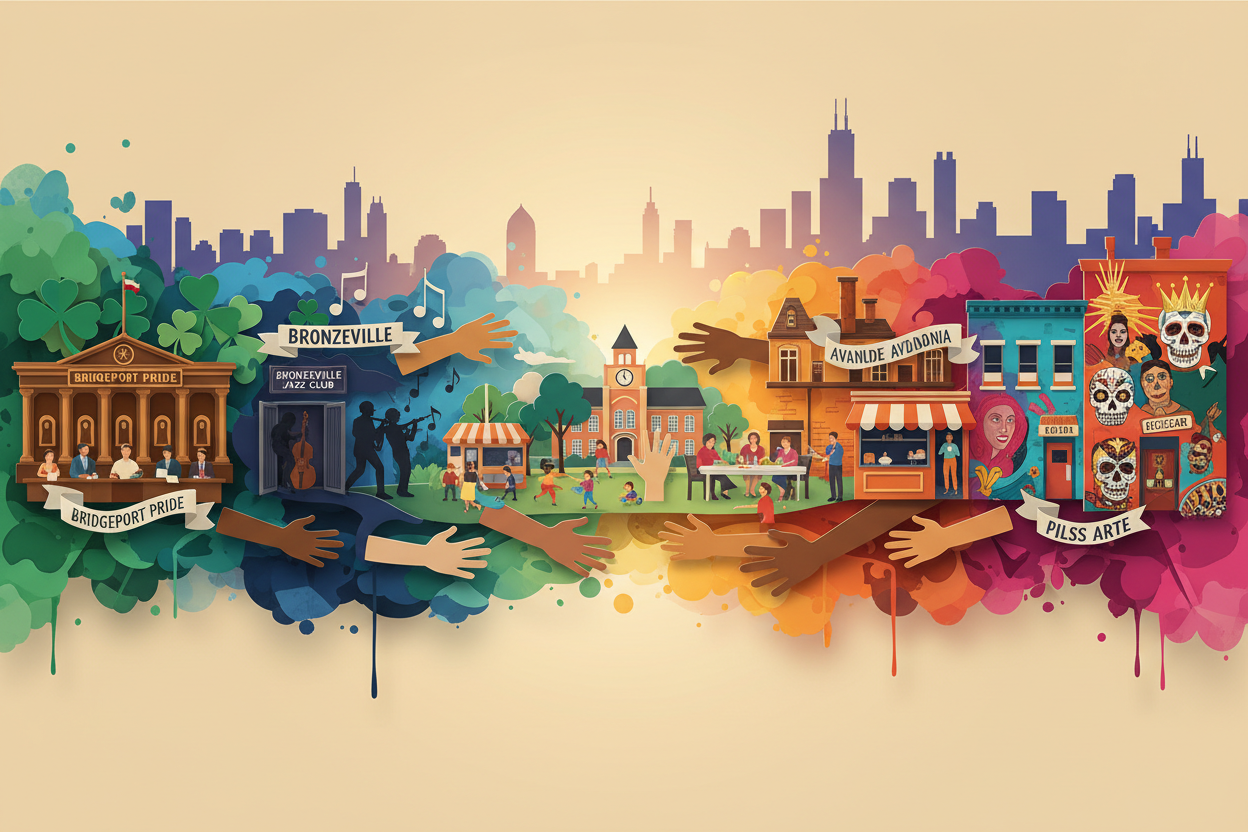
The story of modern Chicago neighborhoods truly begins with destruction. The Great Chicago Fire of 1871 didn’t just burn down buildings—it created a blank canvas for reimagining how communities could be organized and built. While the fire devastated much of the city center and North Side, it also presented an unprecedented opportunity for urban planning and neighborhood development.
In the aftermath, different ethnic groups and economic classes began settling in distinct areas, often based on proximity to rebuilding efforts and available work. The fire’s impact extended far beyond the flames themselves, as it triggered massive population movements that would define neighborhood boundaries for generations to come.
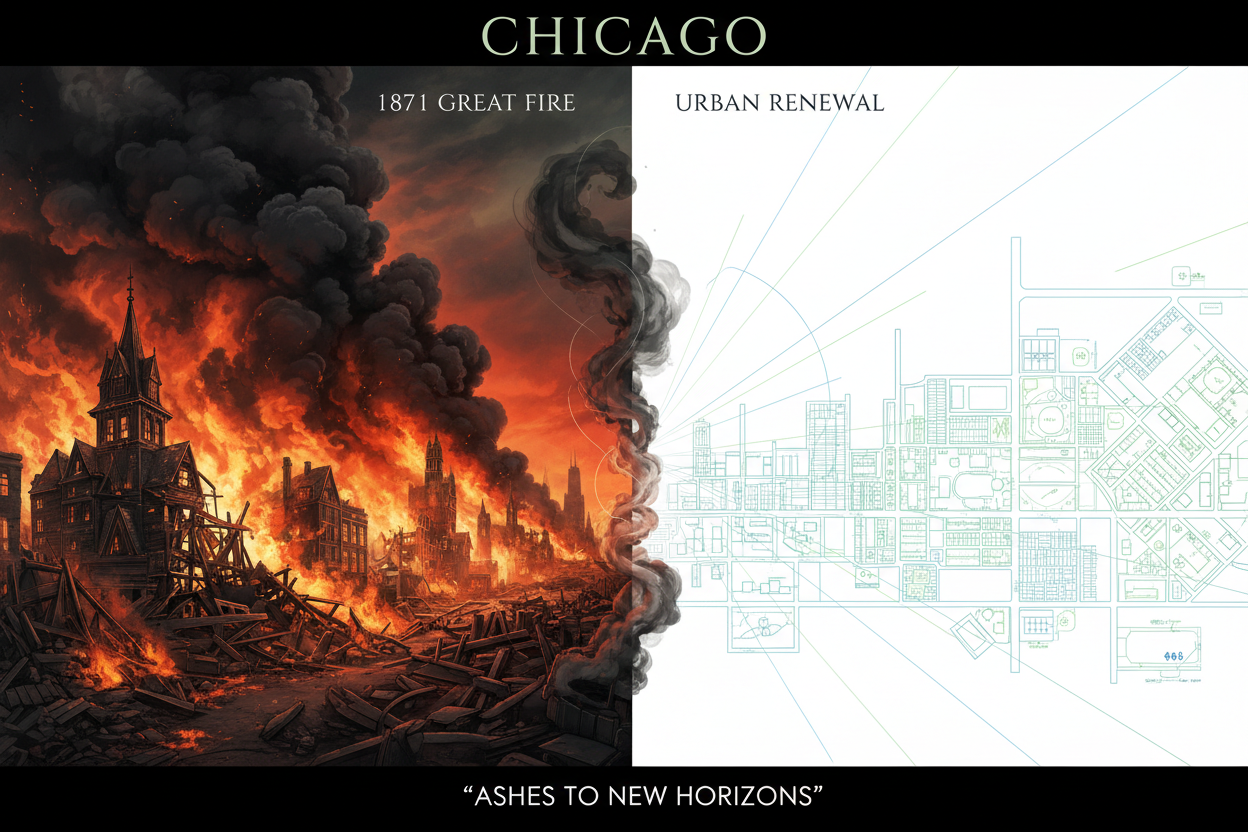
The rebuilding process attracted workers from around the world, each group bringing their own cultural traditions and community-building practices. This influx of diverse populations laid the groundwork for Chicago’s famously distinct neighborhood identities that persist to this day.
Immigration Waves and Cultural Enclaves
Chicago’s neighborhoods became America’s great melting pot in action, with each wave of immigration creating new cultural districts that reflected the hopes and traditions of their residents. The late 19th and early 20th centuries saw massive influxes of immigrants who didn’t just scatter randomly across the city—they formed tight-knit communities that provided support, familiarity, and economic opportunity.
The Irish settled heavily in areas like Bridgeport and Canaryville, bringing their political organizing skills that would later dominate Chicago politics for decades. German immigrants established themselves in neighborhoods like Lincoln Square and North Center, creating beer gardens and establishing the brewing traditions that made Chicago famous.
Italian families concentrated in areas like Little Italy and the Near West Side, building communities around family businesses, Catholic churches, and social clubs. These weren’t just places to live—they were complete ecosystems where immigrants could maintain their cultural identity while adapting to American life.
Polish immigrants created one of the largest Polish communities outside of Poland itself, centered around neighborhoods like Avondale and Wicker Park. Their influence was so significant that certain areas of Chicago became known worldwide as centers of Polish-American culture.
Industrial Growth and Working-Class Communities
Chicago’s rise as an industrial powerhouse directly shaped its neighborhood development. The stockyards, steel mills, and manufacturing plants didn’t just provide jobs—they created entire communities around them. Workers needed to live close to their employment, and entire neighborhoods sprouted up within walking distance of major industrial sites.
The Back of the Yards neighborhood, immortalized in Upton Sinclair’s “The Jungle,” became synonymous with the harsh realities of industrial work. Yet it was also a place where immigrant families built strong communities, supporting each other through difficult times and celebrating together during good ones.
Neighborhoods like South Chicago and Southeast Side developed around the steel industry, creating communities where multiple generations of families worked in the same mills. These areas developed their own distinct cultures, mixing the industrial work ethic with the diverse backgrounds of their residents.
The proximity to work wasn’t just convenient—it was essential. Before widespread car ownership and public transportation, walking to work was often the only option. This created incredibly tight-knit communities where neighbors truly knew each other and shared common experiences of industrial labor.
The Great Migration and African American Neighborhoods
One of the most significant chapters in Chicago neighborhood history began during World War I with the Great Migration. African Americans from the South arrived in Chicago seeking better economic opportunities and escape from Jim Crow laws, fundamentally transforming several neighborhoods and creating new cultural centers.
The South Side became the heart of African American Chicago, with neighborhoods like Bronzeville emerging as vibrant centers of Black culture, business, and politics. This wasn’t just residential development—it was cultural renaissance. Jazz clubs, newspapers, businesses, and churches created a complete community infrastructure.
Bronzeville, in particular, became known as the “Black Metropolis,” featuring a thriving business district along 47th Street and State Street. The neighborhood produced influential figures in music, literature, and politics while providing a sense of community and belonging for newcomers from the South.
However, this community building occurred within the constraints of segregation and redlining practices that limited where African American families could live and buy homes. Despite these challenges, these neighborhoods developed strong institutions and cultural traditions that continue to influence Chicago today.
Post-War Suburbanization and Neighborhood Evolution
The period following World War II brought dramatic changes to Chicago’s neighborhoods. The GI Bill, increased automobile ownership, and federal housing policies encouraged many families to move to newer developments, both within the city and in surrounding suburbs.
Some neighborhoods experienced significant population turnover as established residents moved out and new groups moved in. This created opportunities for different communities to establish themselves in areas that had previously been dominated by other ethnic groups.
The development of public housing projects also significantly impacted neighborhood dynamics. While intended to provide affordable housing, these developments often concentrated poverty and created new challenges for community building and neighborhood stability.
During this period, some neighborhoods experienced decline as businesses closed and residents departed, while others saw revitalization efforts led by community organizations and new residents who recognized the value in Chicago’s diverse neighborhood structures.
Gentrification and Modern Neighborhood Transformation
The late 20th and early 21st centuries have brought new challenges and opportunities to Chicago neighborhoods. Gentrification has transformed areas like Wicker Park, Logan Square, and parts of the South Side, bringing new investment and amenities while also displacing long-term residents.
These changes reflect broader economic trends, but they also demonstrate the continuing power of neighborhoods to attract people seeking community and cultural authenticity. Young professionals and artists have been drawn to neighborhoods with strong cultural identities and architectural character, even as their arrival changes the very qualities that attracted them.
Community organizations have played crucial roles in managing these transitions, working to preserve neighborhood character while welcoming positive changes. The challenge has been maintaining the cultural and economic diversity that has always been Chicago’s strength.
Modern neighborhood development also reflects changing demographics, with new immigrant communities from Latin America, Asia, and Africa creating their own cultural districts and contributing to Chicago’s ongoing evolution.
Preservation and Community Identity Today
Today’s Chicago neighborhoods continue to evolve while maintaining connections to their historical roots. Community organizations, historical societies, and local businesses work to preserve the stories and traditions that make each neighborhood unique.
Food remains one of the strongest connectors to neighborhood history, with family restaurants, bakeries, and markets serving as gathering places and cultural preservers. Walking through neighborhoods like Pilsen, Devon Avenue, or Argyle Street offers immediate immersion in the cultural traditions that shaped these communities.
Architecture also tells the story of neighborhood development, from the worker cottages in areas like Bridgeport to the grand homes in neighborhoods like Hyde Park. These buildings serve as physical reminders of the different eras and populations that have called Chicago home.
Community festivals, block parties, and cultural celebrations continue the tradition of neighborhood-based social organization that has always been central to Chicago’s identity. These events don’t just entertain—they strengthen the social bonds that make neighborhoods more than just places to live.
Conclusion
The history of Chicago’s neighborhoods reveals a fundamental truth about urban development: cities aren’t built by planners and politicians alone—they’re created by the daily lives and collective efforts of ordinary people who choose to invest in their communities. From the Irish political organizers of Bridgeport to the jazz musicians of Bronzeville, from the Polish families of Avondale to the Mexican muralists of Pilsen, Chicago’s neighborhoods have been shaped by people who understood that where you live matters.
These communities didn’t just provide housing—they offered identity, support, economic opportunity, and cultural continuity. They served as launching pads for American dreams while maintaining connections to ancestral traditions. Today’s Chicago neighborhoods continue this tradition, adapting to new challenges while preserving the community-focused values that have always made the city special.
Understanding this history helps us appreciate not just where Chicago has been, but where it’s going. As new communities form and existing neighborhoods evolve, the fundamental principle remains the same: Chicago’s strength lies in its diversity, and its neighborhoods serve as the laboratories where different cultures, traditions, and dreams combine to create something uniquely American and uniquely Chicagoan.