The Evolution of Michigan Avenue: From Prairie to the Magnificent Mile
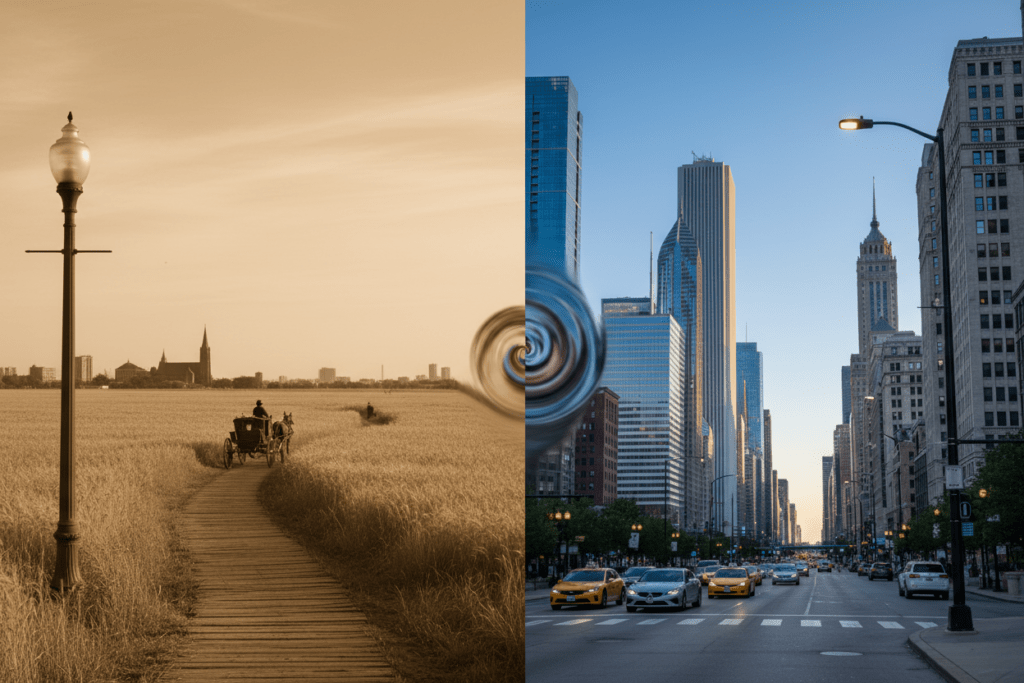
Standing on Michigan Avenue today, surrounded by towering skyscrapers, luxury boutiques, and bustling crowds, it’s nearly impossible to imagine this iconic Chicago thoroughfare as anything other than the vibrant urban corridor we know and love. Yet beneath the polished marble facades and gleaming storefronts lies a remarkable story of transformation that spans nearly two centuries. The evolution of Michigan Avenue from windswept prairie to the world-renowned Magnificent Mile represents one of America’s most dramatic urban metamorphoses, reflecting the broader story of Chicago’s rise from frontier outpost to global metropolis.
This transformation didn’t happen overnight. It took visionary planning, devastating setbacks, architectural innovation, and the relentless spirit of a city determined to reinvent itself time and again. Today, as millions of visitors stroll down what many consider America’s premier shopping destination, they’re walking through layers of history that tell the story not just of a street, but of American ambition itself.
The Prairie Years: Michigan Avenue’s Humble Beginnings
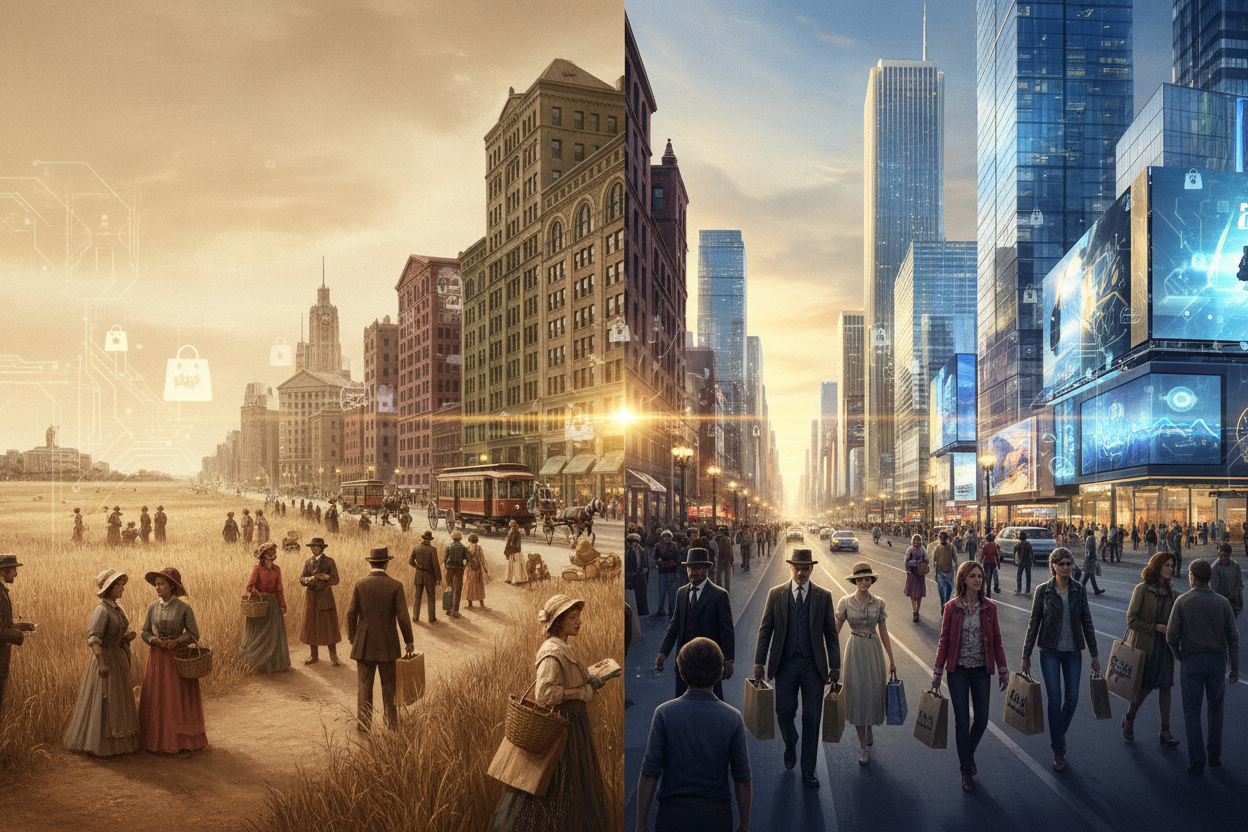
Before Michigan Avenue became synonymous with luxury and commerce, it existed as little more than a muddy trail cutting through the vast Illinois prairie. In the early 1800s, this area was part of the great wetlands that characterized the Chicago region, with the Chicago River meandering through marshes and grasslands that stretched as far as the eye could see.
The indigenous Potawatomi people had long used these natural pathways for travel and trade, but it wasn’t until European settlers arrived that the area began to take on the characteristics of what would eventually become a major urban thoroughfare. The street that would become Michigan Avenue was initially known by various names, reflecting its evolving purpose and the changing demographics of the growing settlement.
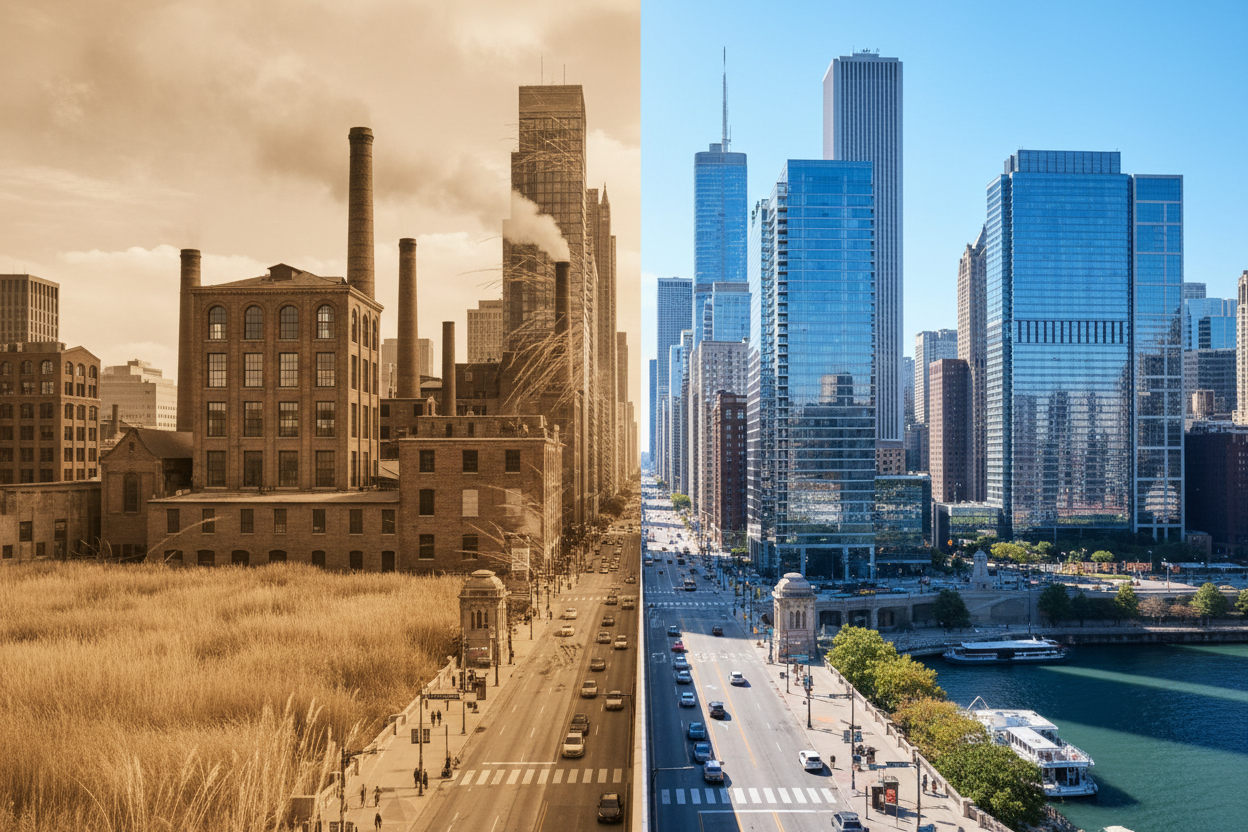
During these early years, the avenue served primarily as a practical route connecting the developing downtown area with the lakefront and the communities beginning to spring up to the north. The landscape was harsh and unforgiving, with spring thaws turning the unpaved road into an almost impassable quagmire. Yet even then, forward-thinking city planners recognized the potential of this north-south corridor.
The Great Chicago Fire: Destruction and Opportunity
October 8, 1871, marked a turning point not just for Michigan Avenue, but for the entire city of Chicago. The Great Chicago Fire swept through the downtown area with devastating force, consuming everything in its path. While the fire brought unimaginable destruction, it also presented an unprecedented opportunity for urban renewal and reimagining.
Michigan Avenue, like much of the city, was left in ruins. However, the fire’s aftermath revealed something remarkable about Chicago’s character: rather than retreat, the city chose to rebuild bigger, better, and more ambitious than before. The reconstruction period that followed would lay the groundwork for Michigan Avenue’s eventual transformation into one of the world’s premier urban destinations.
City planners and architects seized this moment to implement new ideas about urban design, fire safety, and commercial development. The rebuilding effort attracted some of the most innovative minds in architecture and urban planning, setting the stage for the architectural renaissance that would define Chicago for generations to come.
The Birth of the Magnificent Mile
The transformation of Michigan Avenue into the Magnificent Mile didn’t happen by accident. It was the result of deliberate planning, strategic investment, and a bit of marketing genius. The term “Magnificent Mile” itself was coined in the 1940s by Arthur Rubloff, a real estate developer who recognized the commercial potential of the stretch of Michigan Avenue between the Chicago River and Oak Street.
Rubloff’s vision was bold: transform this section of Michigan Avenue into America’s premier shopping and commercial district. He understood that success would require more than just retail stores; it would need to become a destination that combined shopping, dining, entertainment, and luxury accommodations in a way that had never been attempted before in Chicago.
The development of the Magnificent Mile coincided with several key factors that made its success possible. Post-World War II prosperity had created a new class of consumers eager to spend on luxury goods and experiences. Suburbanization was changing shopping patterns, and downtown areas needed to adapt to remain relevant. The automobile was reshaping how people moved through cities, and Michigan Avenue was perfectly positioned to take advantage of these trends.
Architectural Marvels and Iconic Landmarks
As Michigan Avenue evolved, it became a showcase for architectural innovation and artistic expression. The street became home to some of Chicago’s most recognizable landmarks, each contributing to the unique character that defines the Magnificent Mile today.
The Wrigley Building, completed in 1924, was one of the first major landmarks to establish the avenue’s reputation for architectural excellence. Its gleaming white terra cotta facade and distinctive clock tower became an instant symbol of Chicago’s ambition and sophistication. The building’s success demonstrated that Michigan Avenue could support world-class commercial development.
The Tribune Tower, completed in 1925, added another layer of prestige to the avenue. Its Gothic Revival design and incorporation of stones from famous buildings around the world made it not just a newspaper headquarters, but a cultural landmark that drew visitors from across the globe.
Perhaps no single development had a greater impact on Michigan Avenue’s transformation than the construction of the John Hancock Center in 1969. This 100-story giant redefined the skyline and established the avenue as a destination for vertical living, working, and shopping. The building’s mixed-use design, incorporating offices, residences, restaurants, and an observation deck, created a new model for urban development that other cities would later emulate.
Retail Revolution: Shopping Destination Supreme
The retail evolution of Michigan Avenue reflects broader changes in American consumer culture and shopping habits. What began as a collection of local shops and department stores gradually transformed into a carefully curated mix of luxury boutiques, flagship stores, and international brands.
The arrival of major department stores like Saks Fifth Avenue, Neiman Marcus, and Nordstrom established Michigan Avenue as a serious competitor to New York’s Fifth Avenue and Beverly Hills’ Rodeo Drive. These anchor stores didn’t just sell merchandise; they created experiences that made shopping an event rather than just a transaction.
The street’s retail landscape continued to evolve with changing consumer preferences and global trends. The addition of vertical malls like Water Tower Place and 900 North Michigan Shops created climate-controlled shopping environments that could operate year-round, crucial in Chicago’s challenging climate. These developments also introduced the concept of mixed-use buildings that combined retail, office space, hotels, and residences in single structures.
International luxury brands began establishing flagship stores on Michigan Avenue, recognizing its importance as a global shopping destination. Names like Gucci, Louis Vuitton, Tiffany & Co., and Cartier joined homegrown American retailers to create a shopping environment that rivaled any in the world.
Cultural and Entertainment Hub
Michigan Avenue’s evolution extended far beyond retail and commercial development. The street became a cultural corridor that showcased Chicago’s commitment to arts, entertainment, and public life. Museums, theaters, galleries, and cultural institutions found homes along or near the avenue, creating a rich tapestry of experiences for residents and visitors alike.
The Chicago Theatre, while technically located on State Street, became closely associated with the Michigan Avenue entertainment district. Its restoration and continued operation as a premier venue for live performances added another dimension to the avenue’s appeal. Similarly, the development of Millennium Park, while not directly on Michigan Avenue, created a cultural anchor that drew millions of visitors to the area each year.
The avenue also became home to numerous festivals, parades, and public events that celebrated Chicago’s diverse cultural heritage. From the annual Magnificent Mile Lights Festival to various street fairs and cultural celebrations, Michigan Avenue established itself as the city’s premier venue for public gatherings and community celebrations.
Modern Challenges and Future Vision
Like many urban commercial districts, Michigan Avenue faces new challenges in the 21st century. The rise of e-commerce has changed shopping patterns, forcing retailers to rethink their strategies and the role of physical stores. The COVID-19 pandemic accelerated these trends, leading to temporary closures and permanent changes in how people work, shop, and socialize.
However, Michigan Avenue has shown remarkable resilience throughout its history, adapting to changing circumstances while maintaining its essential character. Current redevelopment efforts focus on creating more diverse experiences that combine retail with dining, entertainment, and cultural offerings. The goal is to create reasons for people to visit that go beyond traditional shopping.
Sustainability and environmental consciousness are also playing larger roles in the avenue’s evolution. New developments incorporate green building practices, energy efficiency, and sustainable transportation options. The city has invested in improved public transit connections, bike lanes, and pedestrian-friendly infrastructure to make the area more accessible and environmentally responsible.
Legacy and Global Impact
The transformation of Michigan Avenue from prairie to the Magnificent Mile represents more than just successful urban development; it demonstrates the power of vision, persistence, and adaptive planning. The street’s evolution has influenced urban planning and commercial development strategies in cities around the world.
The Magnificent Mile model of combining luxury retail, mixed-use development, and cultural attractions has been studied and replicated in cities from Asia to Europe. Urban planners and developers continue to examine how Michigan Avenue successfully balanced commercial success with livability, accessibility, and cultural richness.
Today, Michigan Avenue stands as a testament to Chicago’s ability to reinvent itself while honoring its past. The street successfully bridges the city’s industrial heritage with its modern identity as a global center of commerce, culture, and innovation. From the prairie grasses that once swayed in the wind to the towering skyscrapers that now define the skyline, Michigan Avenue’s evolution tells the story of American urban development at its most ambitious and successful.
As we look toward the future, Michigan Avenue continues to evolve, adapting to new technologies, changing demographics, and shifting consumer preferences. Yet its fundamental appeal remains constant: it represents the best of what urban life can offer, combining commerce, culture, and community in a way that continues to inspire and attract people from around the world. The journey from prairie to the Magnificent Mile is far from over; it’s an ongoing story of transformation that reflects the endless potential of great cities to reinvent themselves while staying true to their essential character.