The Complete Guide to Chicago’s L Train System: Mastering the CTA Like a Local
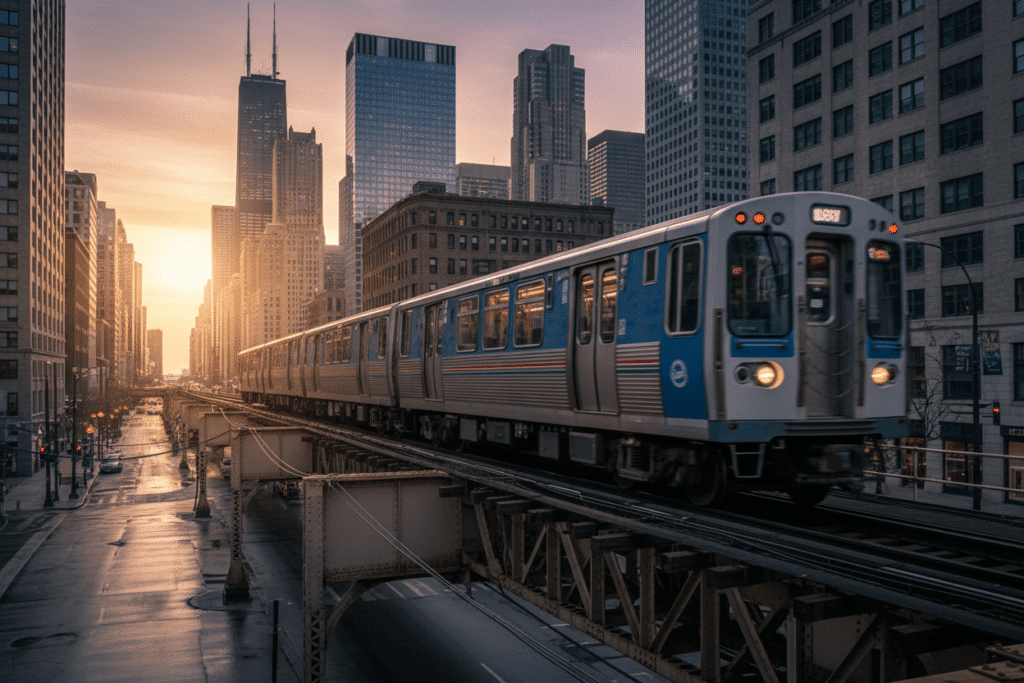
Picture this: You’re standing on a platform high above Chicago’s bustling streets, watching the iconic elevated train approach with that distinctive rumble that’s become the soundtrack of the Windy City. The Chicago Transit Authority’s “L” system isn’t just public transportation—it’s a cultural institution that connects neighborhoods, tells stories, and offers some of the best views in the city. Whether you’re a first-time visitor or a new resident, mastering the CTA L system will transform your Chicago experience from tourist confusion to local confidence.
The L train system has been weaving through Chicago’s urban fabric for over 130 years, and today it carries more than 750,000 riders daily across eight color-coded lines. Don’t worry if that sounds overwhelming—once you understand the basics, navigating Chicago’s elevated railway becomes as natural as ordering deep-dish pizza.
Understanding Chicago’s L Train Lines: Your Color-Coded Map to the City
The beauty of Chicago’s L system lies in its simplicity: each line has a color, and each color tells you where you’re going. The eight lines—Red, Blue, Brown, Orange, Purple, Pink, Green, and Yellow—create a web that reaches into nearly every corner of the city and several suburbs.
The Red Line serves as the city’s main artery, running north-south and operating 24/7. It’s your lifeline for late-night adventures and connects major destinations like Wrigley Field, downtown’s Loop district, and the South Side. The Blue Line, equally important, runs from O’Hare Airport through downtown to Forest Park, making it essential for travelers and commuters alike.
For a truly Chicago experience, ride the Brown Line during rush hour. This elevated route offers stunning views of the city skyline and winds through some of Chicago’s most charming neighborhoods. The Orange Line provides convenient airport access to Midway, while the Green Line takes you through historically significant areas on the South and West sides.
Navigating the Loop: Chicago’s Downtown Transportation Hub
The Loop isn’t just Chicago’s central business district—it’s literally where several L lines form a loop around downtown. This elevated rectangle of tracks creates one of the most unique urban transportation experiences in America. Understanding the Loop is crucial because it’s where most lines intersect, making transfers possible and sometimes necessary.
When riding through the Loop, you’ll notice the train slows down significantly as it navigates the tight turns around downtown buildings. This isn’t a delay—it’s part of the charm. Use this time to peer into office windows, catch glimpses of architectural details, and feel the pulse of the city below.
The key Loop stations—State/Lake, Clark/Lake, and Washington/Wells—serve as major transfer points. These stations can feel overwhelming during rush hour, but they’re designed with clear signage pointing you toward your connecting line. Pro tip: during peak times, position yourself near the train doors before reaching your transfer station to avoid fighting through crowds.
Essential CTA Payment Methods and Fare Information
Gone are the days of exact change and paper tickets. Today’s CTA operates on a modern fare system that’s both convenient and cost-effective when you know how to use it. The Ventra card is your golden ticket to seamless L train travel, and you can purchase one at any station or load it with funds using the Ventra app.
Single rides cost $2.50 for L trains, but here’s where local knowledge pays off: if you transfer between buses and trains within two hours, you’ll only pay an additional 25 cents. This makes the CTA incredibly economical for multi-stop journeys across the city.
For visitors staying several days, consider a 1-day pass for $20 or a 3-day pass for $35. These passes provide unlimited rides and eliminate the mental math of calculating individual fares. Regular commuters benefit from the monthly pass at $105, which pays for itself after about 42 rides.
Peak Hours, Rush Hour Strategies, and Timing Your Trips
Chicago’s L system experiences predictable rush hour patterns that locals have learned to navigate strategically. Morning rush typically runs from 7:00 to 9:00 AM, while evening rush extends from 4:30 to 6:30 PM. During these times, trains run more frequently, but they’re also significantly more crowded.
The secret to comfortable rush hour travel lies in understanding crowd patterns. Southbound trains fill up as they head toward downtown in the morning, while northbound trains pack up during evening rush. If you’re traveling against the flow—north in the morning or south in the evening—you’ll often find more comfortable seating.
Weekend service operates on a different schedule with longer wait times between trains, typically 10-20 minutes compared to rush hour frequencies of 2-7 minutes. Plan accordingly, and use the CTA’s Train Tracker app to monitor real-time arrivals. This tool has become indispensable for locals who time their station arrival to minimize platform waiting.
Safety Tips and Etiquette for L Train Riders
Riding the L safely requires common sense mixed with urban awareness. Keep your belongings secure and be mindful of your surroundings, especially during late-night rides or in less crowded stations. The CTA has significantly improved safety with increased police presence and emergency call boxes, but personal vigilance remains important.
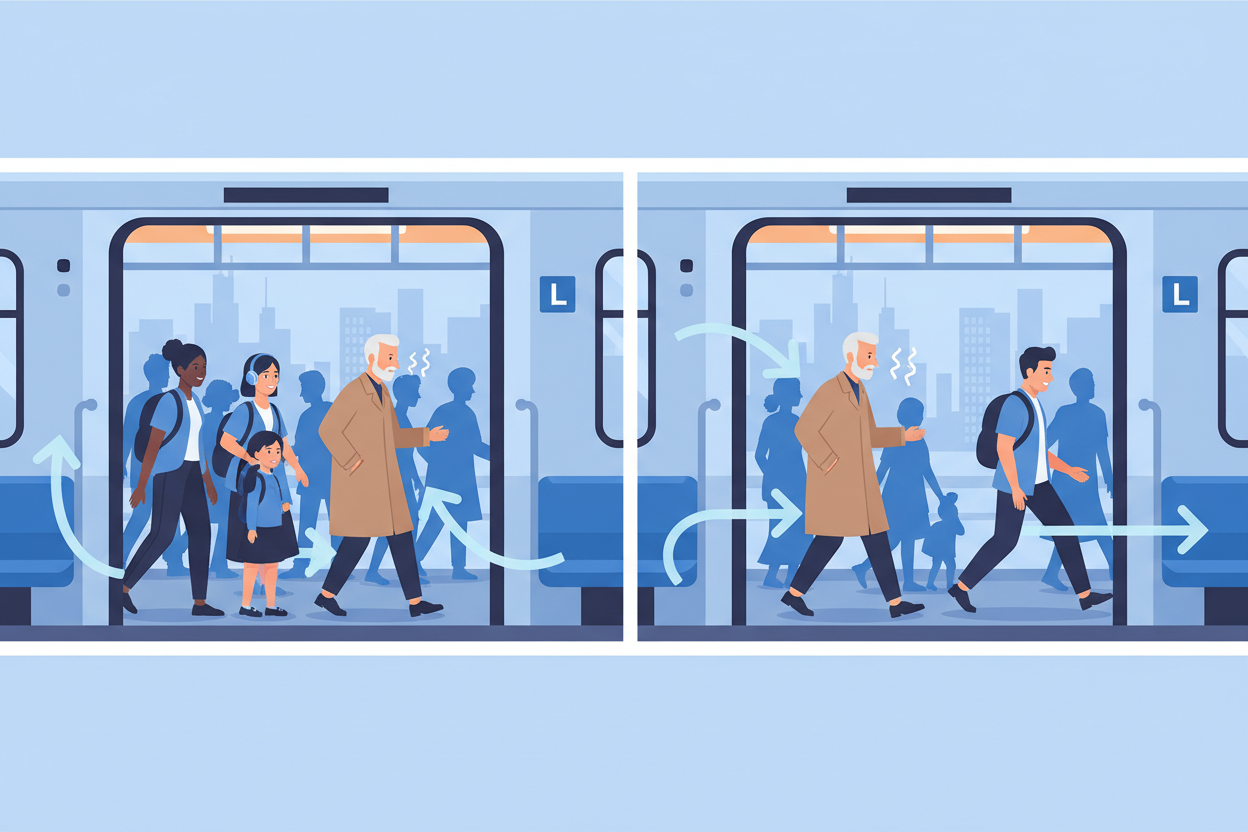
L train etiquette follows unwritten rules that locals appreciate. Move to the center of the car to make room for boarding passengers, offer priority seating to elderly or disabled riders, and remove your backpack in crowded conditions. During rush hour, step aside to let passengers exit before boarding—this actually speeds up the process for everyone.
One uniquely Chicago courtesy: if you’re standing near the doors but not exiting, step off the train to let others pass, then step back on. This dance happens naturally during busy times and keeps the trains moving efficiently. Also, keep conversations at reasonable volumes—the L can be noisy, but shouting over the train noise disturbs other passengers.
Hidden Gems and Scenic Routes on the CTA
Experienced L riders know that some routes offer experiences worth taking just for the journey itself. The Brown Line between Fullerton and Belmont provides incredible views of Lincoln Park and Lake Michigan, especially beautiful during sunset. This stretch feels more like a scenic tour than public transportation.
The Blue Line’s approach to O’Hare takes you through diverse neighborhoods and offers glimpses of Chicago’s industrial heritage. Meanwhile, the Green Line’s elevated sections on the South Side showcase the city’s architectural evolution and provide perspectives of Chicago that most tourists never see.
For photography enthusiasts, the Red Line between North/Clybourn and Fullerton offers stunning skyline views, particularly spectacular when approaching downtown from the north. The key is sitting on the east side of the train for the best angles. Many locals consider this stretch one of the most beautiful urban train rides in America.
Connecting to Chicago’s Neighborhoods Like a Local
The L system serves as your gateway to Chicago’s distinct neighborhoods, each accessible through strategic station choices. Wicker Park and Bucktown come alive around the Blue Line’s Damen station, where you’ll find vintage shops, craft breweries, and some of the city’s best live music venues.
Lincoln Park, accessible via the Red, Brown, and Purple lines, offers a perfect blend of urban sophistication and lakefront recreation. The Armitage station puts you within walking distance of the Lincoln Park Zoo, while Fullerton connects you to DePaul University and the park’s beautiful conservatory.
For authentic Chicago dining experiences, take the Brown Line to Southport for classic neighborhood taverns, or ride the Red Line to Argyle for the city’s vibrant Vietnamese and Chinese food scene. Each neighborhood around L stations has developed its own character, influenced by the accessibility that train service provides.
Conclusion: Your Journey to CTA Mastery
Mastering Chicago’s L train system transforms you from a visitor into someone who truly understands the city’s rhythm. The elevated trains aren’t just transportation—they’re moving observation decks that showcase Chicago’s architectural beauty, neighborhood diversity, and urban energy. From the practical aspects of fare payment and rush hour navigation to the cultural experience of riding through different communities, the L system offers an authentic Chicago experience that connects you to the city’s soul.
Remember that becoming comfortable with the CTA takes time and practice. Start with simple trips during off-peak hours, gradually building your confidence for more complex journeys. Use the resources available—apps, maps, and the helpful CTA staff—and don’t hesitate to ask fellow passengers for directions. Chicagoans are generally friendly and willing to help newcomers navigate their beloved transit system.
The L train system represents more than a century of Chicago’s commitment to public transportation, and riding it connects you to that legacy. Whether you’re commuting to work, exploring neighborhoods, or simply enjoying the urban scenery, you’re participating in a daily ritual that defines Chicago life. Welcome aboard—your journey through the Windy City starts here.