Chicago Deep Dish vs. Tavern Style: The Great Pizza Debate That Divides Chi-Town
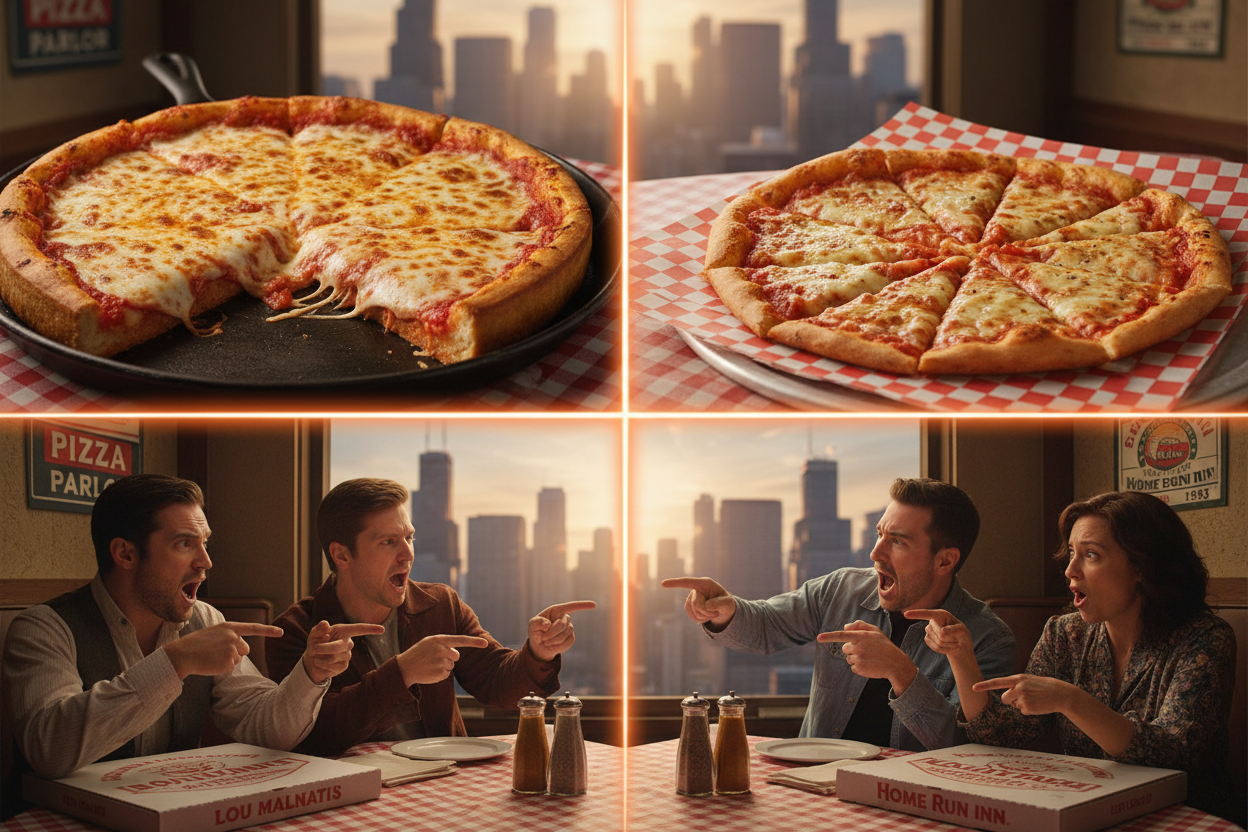
Walk into any Chicago pizzeria and you’ll witness something remarkable: a city passionately divided over what constitutes “real” Chicago pizza. While outsiders might automatically think of deep dish when Chicago pizza comes to mind, locals know the truth is far more complex. The Windy City’s pizza landscape is dominated by two distinct styles that couldn’t be more different, and choosing a side in this culinary battle has become a rite of passage for anyone who calls Chicago home.
This isn’t just about food preferences—it’s about identity, tradition, and what it means to be authentically Chicago. The deep dish versus tavern style debate has raged for decades, splitting families, friendships, and neighborhoods. Each style has its devoted followers who will defend their choice with the same fervor typically reserved for sports teams or political parties.
Understanding Chicago’s Deep Dish Pizza Legacy
Deep dish pizza emerged in Chicago during the 1940s, with Pizzeria Uno often credited as the birthplace of this iconic style. The story goes that Ike Sewell and Ric Riccardo wanted to create something uniquely American, distinct from the thin-crust Neapolitan pizzas that Italian immigrants had brought to the country.
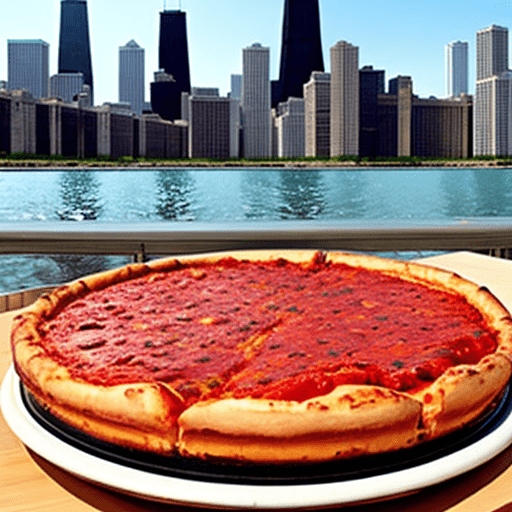
What they created was revolutionary: a pizza built upside down in a deep, round pan that resembled a pie more than traditional flatbread. The thick, buttery crust forms high walls that contain generous layers of cheese, toppings, and chunky tomato sauce on top. This architectural marvel of pizza engineering typically requires 30-45 minutes to bake properly, resulting in a meal that’s more akin to a casserole than what most people consider pizza.
The deep dish experience is undeniably theatrical. When your server brings that golden-brown masterpiece to your table, steam rising from the molten cheese beneath the bright red sauce, you know you’re about to embark on a serious culinary commitment. This isn’t grab-and-go food—it’s a sit-down affair that demands your full attention and probably a fork and knife.
The Rise of Tavern Style Pizza in Chicago
While deep dish was making headlines and attracting tourists, another pizza style was quietly becoming the true favorite of Chicago locals. Tavern style pizza, also known as thin crust or party cut pizza, has roots that run even deeper into Chicago’s working-class neighborhoods.
This style emerged from the city’s tavern culture, where bar owners needed food that was easy to eat, shareable, and wouldn’t fill customers up too quickly—after all, they wanted people to keep drinking. The result was a ultra-thin, crispy crust topped with a sweet tomato sauce, edge-to-edge cheese coverage, and cut into small squares rather than traditional triangular slices.
The square cut, known locally as “party cut” or “tavern cut,” serves a practical purpose. These bite-sized pieces are perfect for sharing among friends, easy to eat with one hand while holding a beer, and create natural portion control. The crust achieves an almost cracker-like crispiness that provides the perfect foundation for the characteristically sweet sauce and generous cheese application.
Deep Dish Characteristics That Define the Style
Deep dish pizza is an engineering marvel that follows specific construction principles. The crust, made with butter or oil, creates a rich, almost pastry-like foundation that can support the weight of substantial toppings. The dough is pressed into a deep, round pan with sides that typically measure 2-3 inches high.
The layering is crucial and non-negotiable: cheese goes directly on the crust, followed by any additional toppings like sausage, pepperoni, or vegetables, and finally topped with a chunky, herb-rich tomato sauce. This reverse layering prevents the cheese from burning during the extended baking time and creates distinct flavor layers that reveal themselves with each bite.
Portion sizes are substantial—a single slice of deep dish can easily satisfy most appetites, and sharing a small pizza between two people is perfectly reasonable. The eating experience requires patience and strategy, as the molten interior needs time to cool, and the structural integrity demands careful handling to avoid a cheese avalanche.
Tavern Style Pizza: Chicago’s Best-Kept Secret
Tavern style pizza represents the opposite philosophy from deep dish in almost every way. The crust is rolled paper-thin, creating a crispy foundation that crackles when you bite into it. This isn’t the chewy, bread-like crust found in other pizza styles—it’s more like a savory cracker that happens to be round.
The sauce tends to be sweeter than typical pizza sauce, with a bright red color and smooth consistency that spreads easily across the thin crust. Cheese coverage is generous and extends all the way to the edges, creating those coveted crispy cheese edges that tavern style enthusiasts crave.
The square cut creates numerous small pieces, each offering a different ratio of crust to toppings. Corner pieces provide maximum crunch, edge pieces offer a balance of textures, and center pieces deliver the full topping experience. This variety within a single pizza creates an interactive eating experience that keeps you reaching for “just one more piece.”
The Local vs. Tourist Pizza Phenomenon
Here’s where the Chicago pizza debate gets interesting: most locals actually prefer tavern style, while tourists flock to deep dish establishments. This divide has created two parallel pizza universes within the same city, each serving different audiences with different expectations.
Deep dish restaurants cluster around tourist areas, with long lines of visitors eager to experience this uniquely Chicago creation. Meanwhile, neighborhood tavern style joints serve locals who grew up eating square-cut pizza at family gatherings, school fundraisers, and Friday night dinners.
Many Chicagoans have strong opinions about this tourist-versus-local dynamic. Some feel that deep dish has overshadowed the “real” Chicago pizza, while others embrace both styles as legitimate parts of the city’s culinary identity. The tension reflects broader questions about authenticity, commercialization, and what happens when local food traditions become tourist attractions.
Where to Find the Best of Both Styles
For deep dish devotees, legendary establishments like Lou Malnati’s, Giordano’s, and the original Pizzeria Uno continue to serve classic versions alongside newer contenders like Pequod’s, known for its caramelized crust edges. Each restaurant has developed its own signature approach to the deep dish formula, creating subtle but meaningful differences in crust texture, sauce composition, and cheese selection.
Tavern style enthusiasts have their own pilgrimage sites, including Vito & Nick’s, whose thin crust has remained unchanged for decades, and Aurelio’s, which has been perfecting the art of square-cut pizza since 1959. Newer establishments like Spacca Napoli and Jimmy’s Pizza Cafe have gained devoted followings while honoring traditional tavern style principles.
The beauty of Chicago’s pizza scene lies in its diversity. You can experience both styles within the same neighborhood, sometimes even at the same restaurant. Many pizzerias now offer both options, recognizing that true pizza appreciation doesn’t require choosing sides in this delicious debate.
Cultural Impact and Chicago Identity
The deep dish versus tavern style debate reflects something deeper about Chicago’s character. This is a city that values both innovation and tradition, that can simultaneously embrace tourist-friendly attractions and fiercely protect neighborhood institutions.
Pizza preferences often correlate with generational and geographic divides within the city. Families pass down their pizza loyalties like heirlooms, and moving to a new neighborhood often means discovering the local pizza hierarchy. The debate has spawned countless online discussions, heated arguments, and good-natured ribbing among friends and coworkers.
Both styles have influenced pizza culture beyond Chicago’s borders. Deep dish inspired stuffed pizzas and thick-crust variations nationwide, while tavern style’s ultra-thin approach has gained recognition among pizza purists who appreciate its emphasis on balance and crispiness.
The Verdict: Why Chicago Wins Either Way
Perhaps the most remarkable thing about Chicago’s pizza debate isn’t that the city is divided, but that it’s blessed with two completely distinct and excellent pizza traditions. Most cities would be thrilled to claim ownership of either style, yet Chicago has both.
The truth is, both deep dish and tavern style serve different purposes and satisfy different cravings. Deep dish provides an indulgent, special-occasion experience that turns dinner into an event. Tavern style offers the perfect everyday pizza—crispy, shareable, and satisfying without being overwhelming.
Smart Chicagoans don’t choose sides; they appreciate both styles for what they bring to the table. They know when to suggest deep dish to visiting relatives and when to order tavern style for a casual Friday night. They understand that having options isn’t a weakness—it’s a strength that makes Chicago’s pizza scene uniquely rich and varied.
Whether you’re team deep dish or team tavern style, one thing remains certain: Chicago’s pizza culture is something special. The passion, tradition, and ongoing debate surrounding these two styles reflect a city that takes its food seriously and isn’t afraid to have strong opinions about what makes great pizza. In a world of compromise and middle ground, Chicago’s unwavering commitment to pizza excellence—in whatever form—is something worth celebrating.