Chicago’s Theater District: Broadway Shows and Local Productions That Define the Scene
When most people think of American theater, their minds immediately drift to New York’s bright lights and bustling Broadway. But there’s another city that pulses with theatrical energy, where the stages burn just as bright and the performances cut just as deep. Welcome to Chicago’s Theater District, a cultural powerhouse that has been shaping American drama for over a century.
Chicago’s theatrical landscape is a fascinating blend of touring Broadway productions and homegrown talent that has produced some of the most influential actors, directors, and playwrights in the business. From the iconic Chicago Theatre to intimate black box venues tucked into converted warehouses, the Windy City offers a theatrical experience that rivals any major cultural center in the world.
The Heart of Chicago’s Theater District
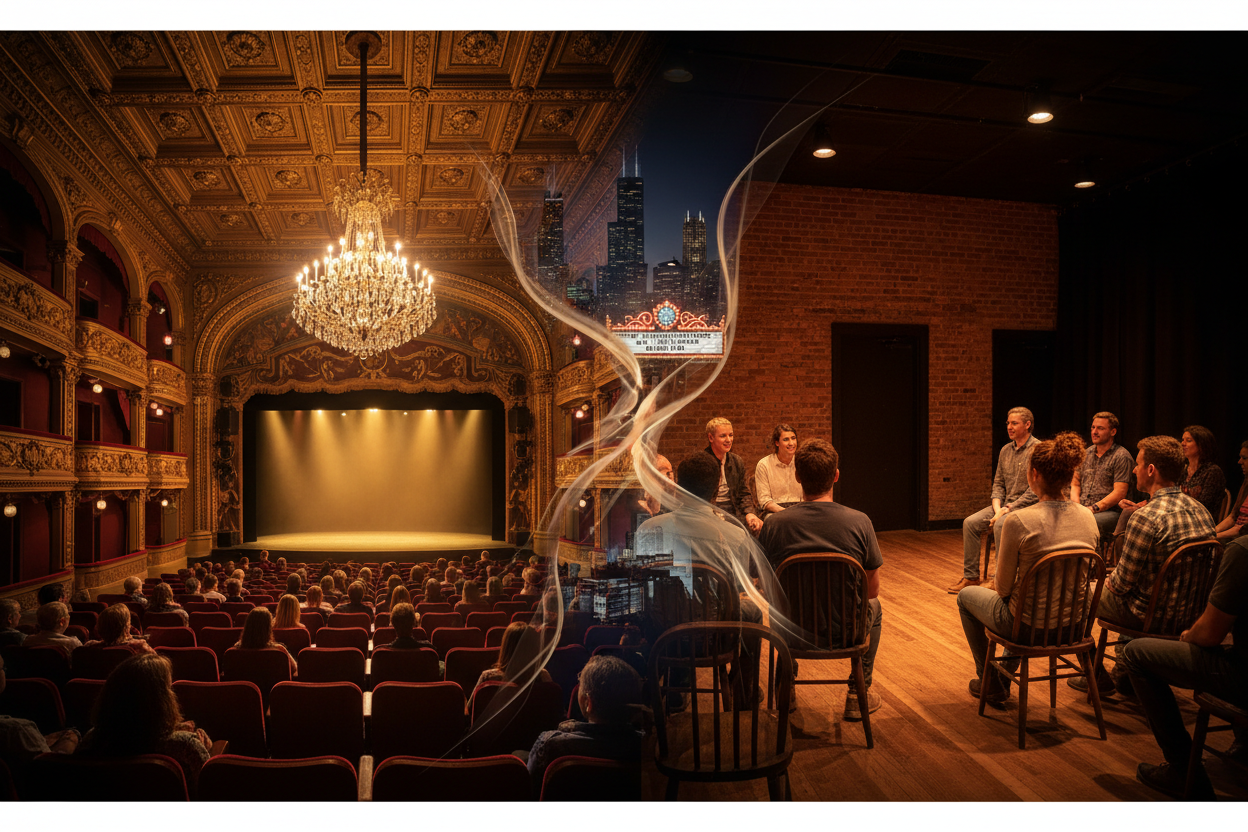
The Loop serves as the beating heart of Chicago’s theatrical scene, where grand theaters from the early 1900s stand shoulder to shoulder with modern venues. State Street and the surrounding blocks house some of the most prestigious theaters in the country, each with its own unique character and storied history.
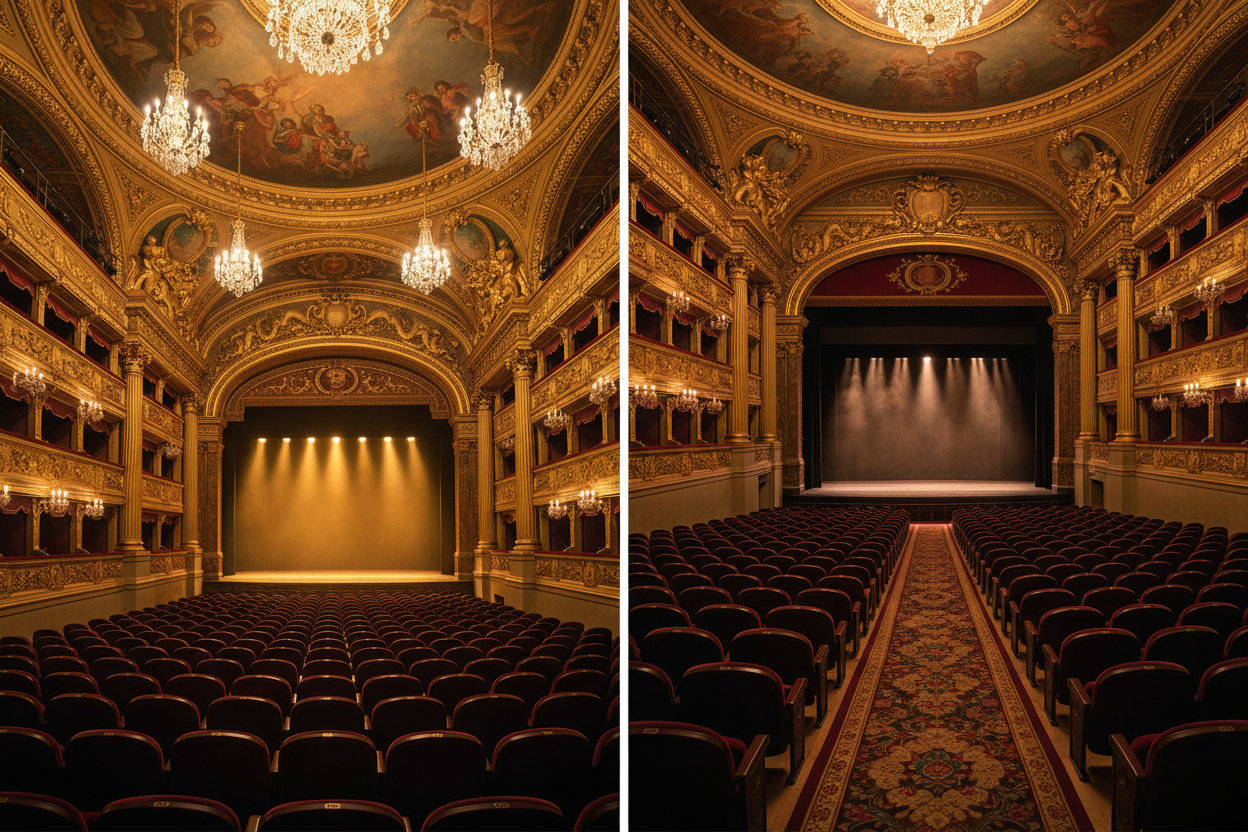
The Oriental Theatre, now known as the Ford Center for the Performing Arts Oriental Theatre, has been hosting major Broadway touring productions since 1926. Its ornate interior, inspired by French Baroque and Far East design elements, provides an atmospheric backdrop for the biggest shows on tour. Just a few blocks away, the Cadillac Palace Theatre continues this tradition of grandeur, welcoming national tours of hit musicals and plays throughout the year.
What makes Chicago’s theater district particularly special is its accessibility. Unlike some major theater cities where tickets can cost a small fortune, Chicago maintains a range of pricing options that make live theater available to diverse audiences. This democratization of theater has helped cultivate a passionate, knowledgeable theater-going community that supports both big-budget productions and experimental works.
Broadway Tours That Call Chicago Home
Chicago has become a crucial stop on the national touring circuit, often serving as the first major market outside of New York to host new Broadway productions. The city’s theaters regularly welcome the biggest hits from the Great White Way, giving Midwestern audiences access to Tony Award-winning productions without the need to travel to Manhattan.
Recent seasons have brought powerhouse productions like “Hamilton,” “The Lion King,” and “Wicked” to Chicago stages, often with extended runs that can last several months. These long engagements allow the productions to settle in and develop a special relationship with Chicago audiences, who are known for their enthusiasm and sophisticated appreciation of theatrical craft.
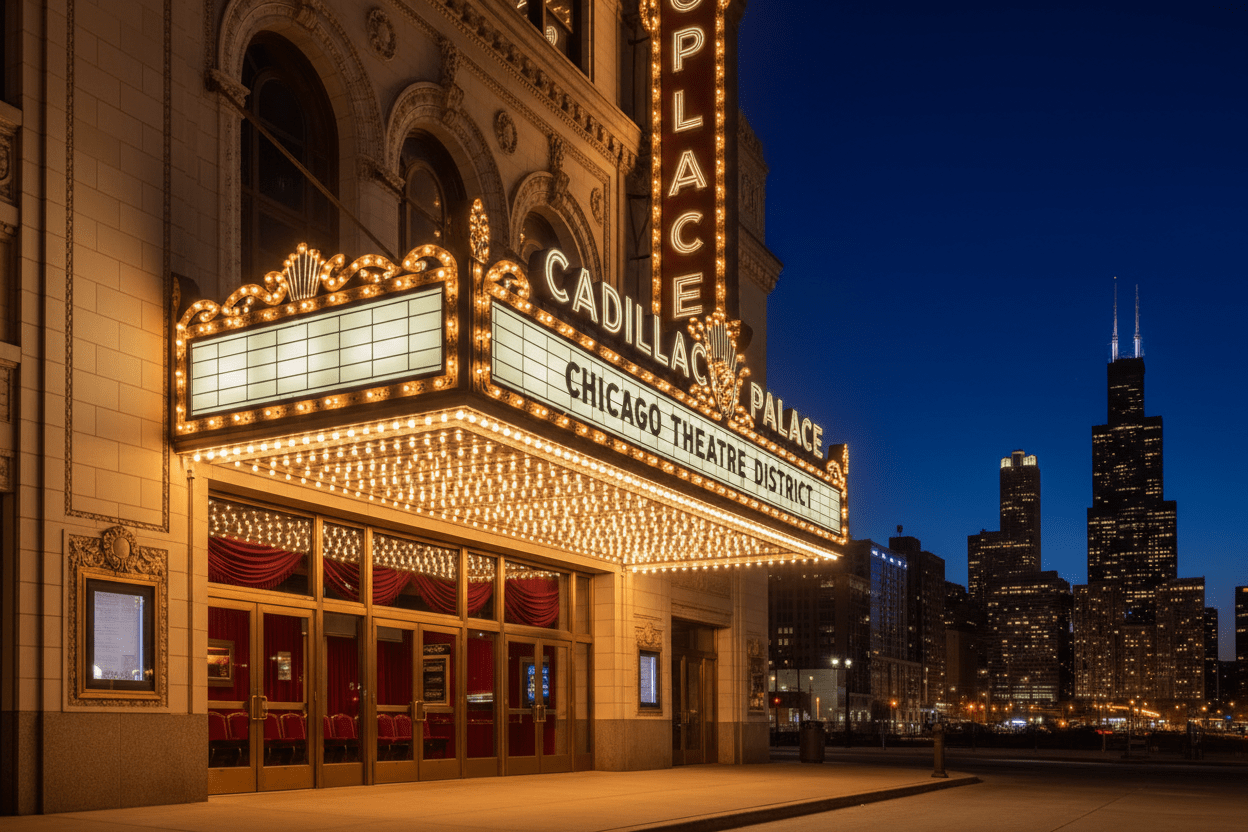
The Chicago Theatre, perhaps the most recognizable venue in the district with its iconic marquee, has hosted everyone from Frank Sinatra to modern Broadway stars. While it’s known primarily for concerts and comedy shows today, its history is deeply intertwined with the development of American popular entertainment, and it continues to play host to special theatrical events and one-person shows that blur the line between concert and theater.
Local Productions That Shape the National Conversation
While touring Broadway shows draw the headlines, it’s Chicago’s local theater scene that truly sets the city apart. The city has earned a reputation as a theater town where artists can take risks, develop their craft, and create work that eventually influences the national theatrical landscape.
Steppenwolf Theatre Company stands as perhaps the most famous example of Chicago’s homegrown theatrical excellence. Founded in 1974, this ensemble has launched the careers of actors like John Malkovich, Gary Sinise, and Laurie Metcalf while developing a distinctive style of raw, emotionally intense performance that has become synonymous with Chicago theater. Their productions regularly transfer to Broadway, carrying the Chicago theatrical aesthetic to national prominence.
The Goodman Theatre, another pillar of the local scene, operates as both a presenter of new works and a developer of productions that often move on to New York. Their commitment to both classical works and contemporary American drama has made them a crucial part of the national theater ecosystem. When the Goodman produces a show, theater professionals across the country take notice.
The Chicago Theatre Method: Training Ground for Stars
Chicago’s theater scene serves as more than just entertainment; it’s a training ground that has produced an outsized number of successful actors, writers, and directors. The city’s approach to theater education and professional development has created what many call the “Chicago Method” – an emphasis on ensemble work, improvisation, and gritty realism that distinguishes Chicago-trained performers.
Second City, while primarily known for comedy and improvisation, has deep connections to the legitimate theater world. Many actors move fluidly between Second City’s comedy stages and the dramatic productions in the Theater District, bringing improvisational skills and comedic timing that enrich their dramatic performances. This cross-pollination has created a unique theatrical ecosystem where genres blend and artists develop versatile skill sets.
The city’s numerous storefront theaters – small venues tucked into converted retail spaces throughout neighborhoods like Lincoln Park, Wicker Park, and Logan Square – serve as laboratories for emerging talent. These intimate spaces, often seating fewer than 99 people, allow for experimental work and close audience-performer relationships that larger venues cannot achieve.
Seasonal Highlights and Must-See Productions
Chicago’s theatrical calendar runs year-round, but certain seasons bring special energy to the district. The fall season typically launches with major touring productions settling in for extended runs, while winter brings a mix of holiday-themed shows and serious dramas that take advantage of the season’s contemplative mood.
Spring in Chicago often coincides with the launch of new local productions, as theaters prepare works that might transfer to summer festivals or fall Broadway seasons. The Chicago Theatre Week, typically held in February, offers discounted tickets to dozens of productions across the city, making it an ideal time for both locals and visitors to explore the breadth of the city’s theatrical offerings.
Summer brings outdoor theater opportunities, with venues like the Chicago Shakespeare Theater on Navy Pier offering productions with stunning lakefront views. The season also sees an increase in experimental and festival programming, as artists take advantage of the warmer weather and tourist influx to present more adventurous work.
The Economic and Cultural Impact
Chicago’s Theater District represents more than cultural enrichment; it’s a significant economic driver for the city. The League of Chicago Theatres estimates that the industry contributes hundreds of millions of dollars annually to the local economy through ticket sales, employment, and the spending of theater-goers on dining, parking, and other services.
Beyond economics, the theater district serves as a cultural anchor that helps define Chicago’s identity as a sophisticated, culturally rich city. The presence of world-class theater helps attract businesses, residents, and tourists who value cultural amenities. It also provides educational opportunities through school partnerships and community outreach programs that introduce young people to the arts.
The district’s influence extends far beyond the city limits. Productions developed in Chicago regularly move to other markets, and the artists trained in Chicago theaters work throughout the country, spreading the city’s theatrical influence across the national cultural landscape.
Looking Toward the Future
Chicago’s Theater District continues to evolve, embracing new technologies, diverse voices, and innovative approaches to storytelling while maintaining its commitment to theatrical excellence. Recent years have seen increased attention to inclusivity and representation, both on stage and behind the scenes, reflecting broader cultural conversations about equity in the arts.
The district has also adapted to changing audience preferences and economic realities, with theaters experimenting with different programming models, pricing strategies, and community engagement approaches. The resilience shown during recent challenging times has demonstrated the deep community support for theater in Chicago and the industry’s ability to adapt while maintaining its artistic integrity.
New venues continue to open, and established theaters regularly renovate and expand their facilities, ensuring that Chicago’s Theater District remains competitive with other major cultural centers. The city’s commitment to supporting the arts through grants, tax incentives, and infrastructure investment suggests that the district will continue to thrive and grow in the coming decades.
Chicago’s Theater District stands as a testament to the power of live performance to build community, inspire creativity, and enrich lives. Whether you’re watching a touring Broadway blockbuster in a grand Loop theater or discovering the next great American play in a tiny storefront venue, you’re participating in a cultural tradition that has shaped American theater for generations. The district’s unique combination of accessibility, excellence, and innovation ensures that Chicago will remain a vital force in American theater for years to come, continuing to define what it means to create meaningful, transformative live performance in the heart of America.