
Lake Michigan’s Impact on Chicago: How the Great Lake Shaped a Great City
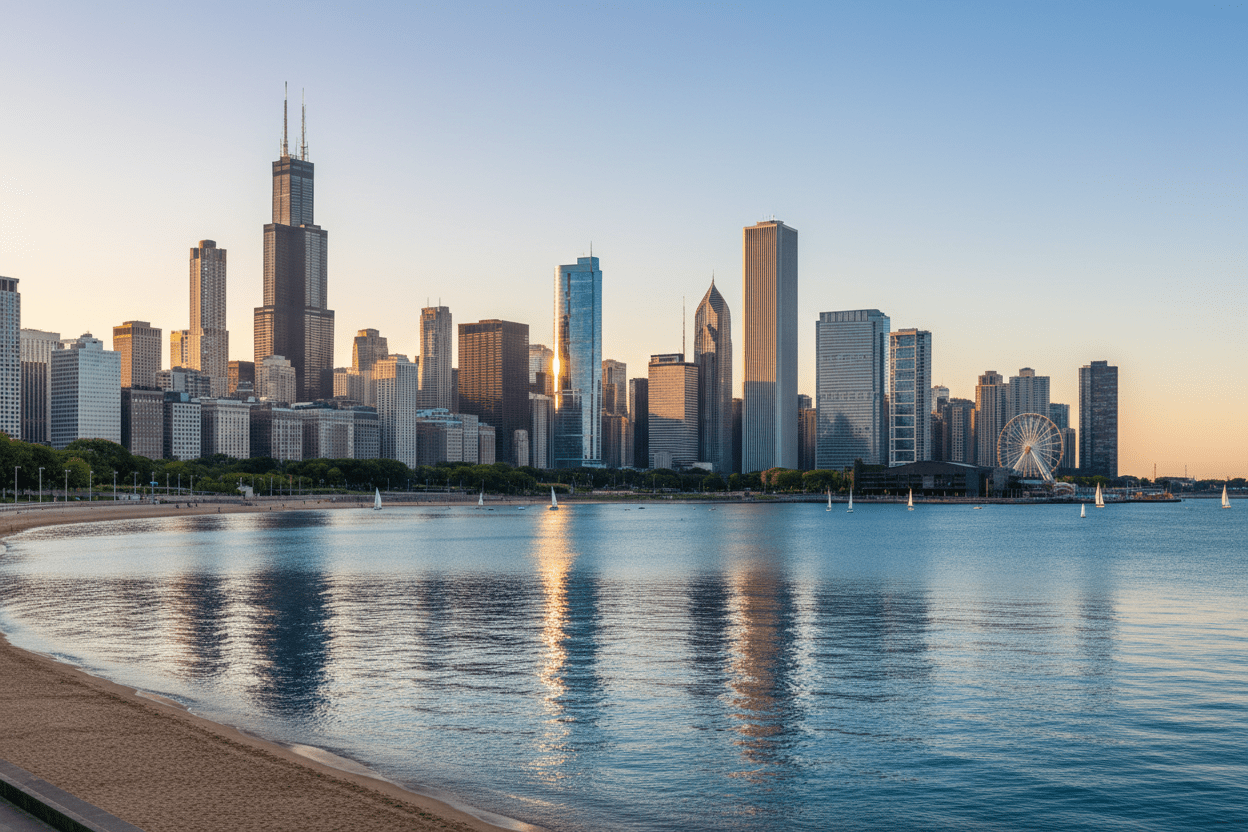
Standing on Chicago’s lakefront today, watching the endless expanse of Lake Michigan stretch to the horizon, it’s hard to imagine this bustling metropolis without its magnificent water neighbor. Yet Chicago’s relationship with Lake Michigan runs far deeper than scenic beauty—this Great Lake has fundamentally shaped every aspect of the Windy City, from its founding and explosive growth to its modern identity as a world-class destination.
The story of Chicago is inseparable from the story of Lake Michigan. This massive freshwater lake, covering over 22,000 square miles, didn’t just provide a backdrop for urban development; it actively molded the city’s destiny, influencing everything from trade routes and industrial growth to climate patterns and recreational opportunities. Understanding this relationship helps us appreciate why Chicago became the powerhouse it is today.
The Geographic Foundation: Why Location Matters
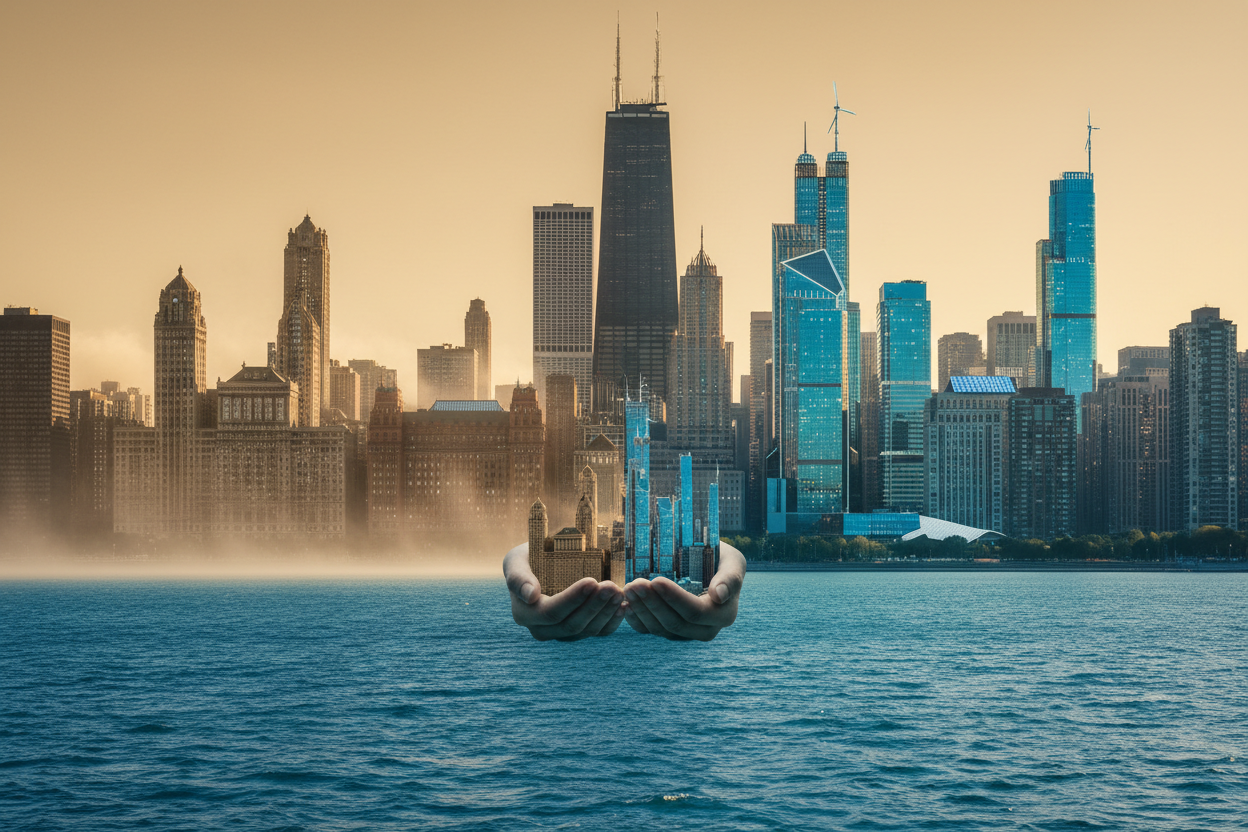
Chicago’s position along Lake Michigan’s southwestern shore wasn’t chosen by accident. Native American tribes, particularly the Potawatomi, had long recognized the strategic importance of this location where the Chicago River met the lake. The name “Chicago” itself derives from a Native American word meaning “wild onion” or “strong smell,” referring to the marshy areas that once characterized the region.
When European explorers and settlers arrived, they immediately grasped the geographic advantages. The lake provided a natural harbor, while the nearby Chicago River offered access to inland waterways. This combination created what would become one of the most important transportation hubs in North America. The relatively flat terrain surrounding the lake made it ideal for building, though it also presented drainage challenges that would later influence the city’s innovative engineering solutions.
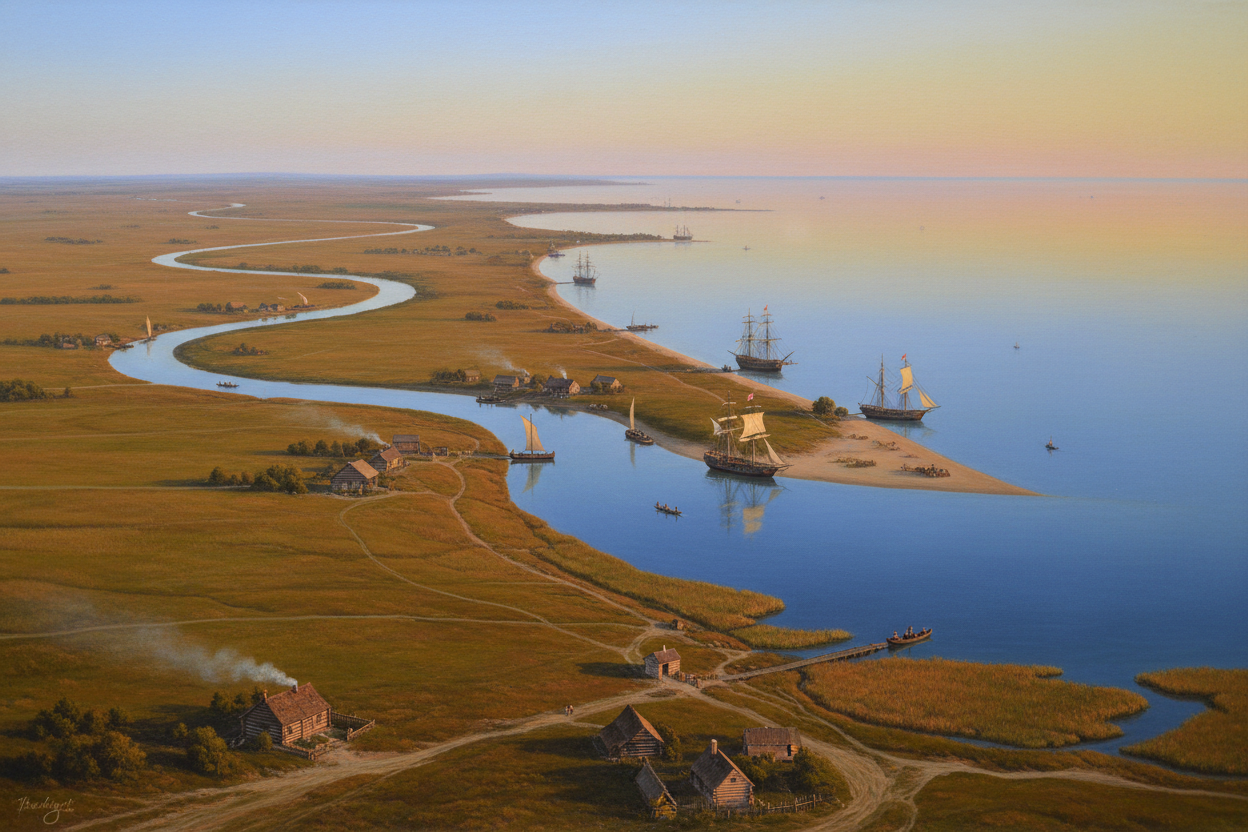
The lake’s sheer size—stretching 307 miles north to south and 118 miles east to west at its widest point—meant that Chicago sat on what was essentially an inland sea. This massive body of water would prove crucial for transportation, commerce, and eventually, the city’s water supply needs.
Transportation Hub: The Gateway to the West
Lake Michigan transformed Chicago into America’s transportation epicenter long before the railroad age. In the early 1800s, the lake served as a crucial link in the water route connecting the East Coast to the developing western territories. Ships could travel from New York through the Erie Canal, across the Great Lakes, and dock in Chicago’s harbor.
The completion of the Illinois and Michigan Canal in 1848 further cemented Chicago’s transportation dominance. This engineering marvel connected Lake Michigan to the Illinois River, which flowed into the Mississippi River system. Suddenly, goods could travel by water from New York to New Orleans via Chicago, making the city an indispensable waystation for American commerce.
When railroads began crisscrossing the continent, Chicago’s established position as a transportation hub made it the natural choice for rail terminals. The city’s location on Lake Michigan meant that goods arriving by ship could easily transfer to trains heading west, and vice versa. This multimodal transportation network fueled Chicago’s rapid growth and established its reputation as the “crossroads of America.”
Even today, Chicago’s O’Hare International Airport benefits from this transportation legacy, serving as a major hub partly because of the city’s central location and established infrastructure networks that trace back to its lake-based advantages.
Industrial Powerhouse: Manufacturing and Commerce
Lake Michigan’s abundant fresh water supply proved essential for Chicago’s industrial development. The city’s famous stockyards, steel mills, and manufacturing plants all relied heavily on lake water for their operations. The lake provided the massive quantities of water needed for processing, cooling, and cleaning in industrial applications.
The lumber industry was among the first to capitalize on Lake Michigan’s resources. Vast forests in Wisconsin and Michigan were harvested, and the timber floated down to Chicago’s mills via the lake. After the Great Chicago Fire of 1871, much of this lumber was used to rebuild the city, creating the foundation for Chicago’s architectural renaissance.
Steel production became another cornerstone industry, with companies like U.S. Steel establishing major operations along the lakefront. The lake provided transportation for iron ore from Minnesota’s Mesabi Range, while coal arrived by rail from Illinois and surrounding states. The combination of raw materials and water access made Chicago an ideal location for steel manufacturing, which in turn supported the city’s role in building America’s infrastructure.
The grain trade also flourished thanks to Lake Michigan. Farmers from across the Midwest shipped their crops to Chicago’s grain elevators, where the grain was stored before being shipped east via the lake or processed locally. This agricultural commerce helped establish Chicago as a major financial center, with the Chicago Board of Trade becoming one of the world’s most important commodity exchanges.
Urban Development and Architecture
Lake Michigan profoundly influenced Chicago’s urban layout and architectural development. The lake’s eastern boundary meant the city could only expand in three directions, leading to denser development and the eventual rise of the skyscraper. Chicago’s architects, including Louis Sullivan and Frank Lloyd Wright, often incorporated lake views and natural light into their designs, creating a distinctive architectural style that celebrated the city’s relationship with the water.
The lakefront itself became a defining feature of Chicago’s urban planning. Daniel Burnham’s famous 1909 Plan of Chicago established the principle that Chicago’s lakefront should remain “forever open, clear, and free.” This visionary approach led to the creation of an unbroken chain of parks and beaches along the lake, rather than allowing industrial or private development to claim the prime waterfront real estate.
Lake Michigan also presented unique engineering challenges that spurred innovation. The flat terrain and clay soil meant that early Chicago had serious drainage problems. The city’s solution was revolutionary: they literally raised the entire downtown area by several feet using jackscrews, allowing for proper sewerage systems. Later, they reversed the flow of the Chicago River to prevent sewage from contaminating their water supply from Lake Michigan.
Climate and Weather Patterns
Living next to one of the world’s largest freshwater lakes means Chicago’s weather patterns are significantly influenced by Lake Michigan. The lake acts as a massive thermal regulator, moderating temperature extremes throughout the year. In winter, the lake’s relatively warm water helps keep temperatures from dropping as severely as they might otherwise, while in summer, the cool lake waters provide relief from heat waves.
However, Lake Michigan also creates unique weather phenomena that have become part of Chicago’s character. Lake-effect snow can dump significant amounts of snow on the city when cold air masses move across the warmer lake waters. The lake also contributes to Chicago’s famous wind patterns—while the city earned its “Windy City” nickname from political rhetoric rather than weather, the lake does create distinctive wind currents that funnel through the urban canyons.
The lake’s influence extends to humidity levels and precipitation patterns. Chicago’s climate is more moderate than many cities at similar latitudes, largely due to Lake Michigan’s moderating effects. This climate has influenced everything from the types of plants that grow in the city’s parks to the design of buildings and infrastructure.
Recreation and Quality of Life
Today, Lake Michigan serves as Chicago’s greatest recreational asset, providing residents and visitors with beaches, boating, fishing, and countless outdoor activities right in the heart of a major metropolitan area. The 28 miles of lakefront within the city limits include 24 beaches, numerous parks, and the famous Lakefront Trail that stretches for 18 miles.
North Avenue Beach, Oak Street Beach, and Montrose Beach have become iconic destinations where city dwellers can experience something approaching a seaside vacation without leaving town. The lake supports recreational boating, with several harbors accommodating everything from small sailboats to luxury yachts. Fishing enthusiasts can catch salmon, trout, and other species right from the city’s shores.
The lake also provides crucial green space and visual relief in a dense urban environment. Studies have shown that access to water views and recreational opportunities along the lakefront contributes significantly to residents’ mental health and quality of life. The lake’s presence helps make Chicago one of the most livable major cities in the United States.
Cultural events like the Chicago Air and Water Show, Lollapalooza, and various festivals take advantage of the lakefront setting, drawing millions of visitors annually. The lake has become integral to Chicago’s identity as a world-class cultural destination.
Environmental Challenges and Conservation
Chicago’s relationship with Lake Michigan hasn’t always been harmonious. Industrial pollution, sewage discharge, and urban runoff have posed significant environmental challenges over the decades. The city has invested billions of dollars in water treatment facilities and environmental restoration projects to protect this precious resource.
The Tunnel and Reservoir Plan (TARP), also known as the “Deep Tunnel,” represents one of the largest public works projects in U.S. history. This massive underground system helps prevent sewage overflows into Lake Michigan during heavy rains, protecting both the lake’s ecosystem and the city’s water supply.
Climate change presents new challenges, with rising lake levels, changing precipitation patterns, and evolving ecosystem dynamics. Chicago continues to adapt its infrastructure and policies to protect both the lake and the city’s residents from these environmental pressures.
Conservation efforts also focus on protecting the lake’s biodiversity. Lake Michigan supports numerous fish species, migratory birds, and other wildlife. The city works with regional partners to manage invasive species, restore natural habitats, and maintain the ecological health of this Great Lake ecosystem.
The Future of Chicago and Lake Michigan
As Chicago looks toward the future, Lake Michigan remains central to the city’s development plans. Climate change adaptation strategies focus heavily on managing the city’s relationship with the lake, from flood protection to sustainable water management. The lakefront continues to evolve, with new parks, recreational facilities, and sustainable development projects that honor Burnham’s vision while meeting 21st-century needs.
Economic development increasingly recognizes the lake as an asset for attracting businesses and residents. The “blue economy” concept emphasizes sustainable use of water resources for economic growth, and Chicago is positioning itself as a leader in this area. From water technology companies to sustainable tourism, the lake continues to drive innovation and economic opportunity.
Urban planning initiatives aim to strengthen connections between the city and the lake, making the waterfront more accessible to all residents regardless of neighborhood or economic status. Projects like the 606 elevated trail and various lakefront improvements reflect ongoing efforts to integrate the lake more fully into Chicago’s urban fabric.
Conclusion
Lake Michigan didn’t just provide Chicago with a beautiful setting—it fundamentally shaped the city’s character, economy, and destiny. From the strategic advantages that made Chicago a transportation hub to the recreational opportunities that enhance modern quality of life, the lake’s influence permeates every aspect of the city’s development.
Understanding this relationship helps us appreciate why Chicago became one of America’s great cities and why it continues to thrive today. The lake provided the foundation for industrial growth, influenced architectural innovation, moderated the climate, and created recreational opportunities that make Chicago a desirable place to live and visit.
As Chicago faces future challenges from climate change to economic transformation, Lake Michigan remains both an asset to leverage and a resource to protect. The city’s continued success will depend partly on maintaining and strengthening this vital relationship with its Great Lake neighbor. In many ways, Chicago’s future is as tied to Lake Michigan as its past—a reminder that geography, environment, and human ambition continue to shape our urban landscapes in profound and lasting ways.